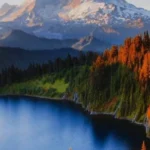
Washington is one of the best states in the U.S. for a beginner-friendly nature road trip because it combines mountains, forests, rivers, coastlines, islands, and volcanic landscapes in a compact area. A practical planner starts with short scenic routes, predictable driving distances, seasonal access, and easy stopovers that fit first-time travelers and broad audiences.
- What makes Washington a strong nature road trip state?
- How do beginners plan a Washington nature road trip?
- Which routes are easiest for first-time visitors?
- What is the best Washington nature route for a short trip?
- How long should a beginner road trip last?
- What should beginners pack for Washington weather?
- When is the best season for nature drives?
- Which Washington parks fit a road trip?
- How do ferry routes change the plan?
- What road trip mistakes do beginners make?
- Which stops give the best beginner experience?
- Why do these routes matter for tourism?
- How should a sample beginner itinerary look?
- What makes Washington unique for nature travel?
- What is the best beginner strategy overall?
What makes Washington a strong nature road trip state?
Washington is a Pacific Northwest state with fast-changing landscapes, so one road trip can include alpine passes, temperate rainforests, tidal beaches, and volcanic terrain. The state’s most beginner-friendly nature routes include the North Cascades Highway, Mount Rainier loop roads, Olympic Peninsula routes, Chuckanut Drive, and the Columbia River Gorge. These drives are popular because they pair scenic highways with parks, overlooks, and small towns that make planning simpler for new travelers.
Washington also has a strong infrastructure for outdoor travel because several major routes connect directly to national parks, state parks, and recreation areas. The state’s outdoor identity is shaped by protected lands such as Olympic National Park, Mount Rainier National Park, and North Cascades National Park, which offer clear entry points for road trip planning. For beginners, this means the trip can be built around a few anchor destinations instead of a complex, multi-state route.
How do beginners plan a Washington nature road trip?
A beginner should plan a Washington nature road trip by choosing one region, checking seasonal road access, booking lodging near the route, and leaving time for stops. A simple plan works best because Washington roads often cross mountains, ferries, or remote stretches where weather and traffic shape travel time. The safest approach is to build a route with one main scenic drive and two or three short side stops.
Start by defining the trip length. A day trip works for Chuckanut Drive, Whidbey Island, or parts of the Columbia River Gorge. A weekend works for Mount Rainier, the North Cascades, or the Olympic Peninsula’s shorter sections. A 4- to 6-day trip works for a full loop across mountains, coast, and forest.
Then match the route to the season. Summer and early fall give the most reliable road access in mountain areas, while spring is strong for waterfalls and lowland greenery. Winter creates snow risk in passes and limit access on some scenic roads, so beginners should avoid overpacking long mountain itineraries in cold months.
Which routes are easiest for first-time visitors?
The easiest Washington nature routes for first-time visitors are the ones with clear roads, frequent viewpoints, and nearby towns. Chuckanut Drive is short and simple, with coastline scenery between Burlington and Bellingham. Whidbey Island offers a relaxed island drive with parks, farmland, and ferry access. The Columbia River Gorge on the Washington side gives dramatic views with straightforward highway driving.
Mount Rainier roads are also beginner-friendly when the weather is stable because they deliver major scenery without requiring advanced hiking. The North Cascades Highway is visually exceptional, but it demands more planning because mountain weather and seasonal closures affect timing. The Olympic Peninsula is ideal for multi-day travelers who want beaches, rainforests, and mountain views in one trip.
What is the best Washington nature route for a short trip?
A short Washington nature road trip works best when the route stays under 100 miles and includes one or two major scenic stops. Chuckanut Drive is a classic short option because it is only about 21 miles and still offers coastal viewpoints, forest edges, and access to Larrabee State Park. It gives beginners a complete nature experience without long driving stress.
Another strong short trip is Whidbey Island, especially if the traveler combines the island drive with Deception Pass State Park and Ebey’s Landing National Historical Reserve. This route works because it mixes bridges, shoreline, farmland, and bluff views in one compact area. A short trip should prioritize easy parking, short walking distances, and flexible timing.
How long should a beginner road trip last?
The best trip length depends on the route, but beginners usually benefit from 1 to 3 days for a focused nature drive and 4 to 6 days for a broader state loop. A one-day trip is enough for a single scenic corridor and nearby park stops. A two-day trip gives time for sunrise, sunset, and an overnight stay near the route. A longer trip allows better pacing and less fatigue.
Washington’s geography rewards slower travel because viewpoints, trailheads, and small towns appear often enough to justify frequent stops. Beginners should avoid trying to combine the coast, the mountains, and the eastern plains in one rushed schedule. A single-region itinerary is easier to drive, easier to book, and easier to enjoy.
What should beginners pack for Washington weather?
Beginners should pack for fast weather changes because Washington conditions shift quickly between coastal, forested, and mountain areas. A road trip kit should include a rain jacket, layered clothing, sturdy walking shoes, water, snacks, phone charging gear, a paper map or offline map download, and emergency supplies. Mountain routes often feel warmer at the start and colder at the summit.
A simple packing plan reduces problems on long scenic drives. Bring binoculars for overlooks, a camera for roadside stops, and a small cooler for food and drinks. If the route includes remote areas, keep the fuel tank at least half full. That matters because some scenic corridors have limited services between towns.
When is the best season for nature drives?
The best season for Washington nature drives is generally late spring through early fall because road access is better and daylight is longer. Late spring brings waterfalls, fresh greenery, and fewer summer crowds in some lowland areas. Summer gives the most reliable conditions for mountain passes, alpine hikes, and high-elevation viewpoints. Early fall adds color, clearer air, and comfortable temperatures.
Winter is the most difficult season for beginners because snow, ice, and closures affect mountain roads and passes. Coastal and lowland routes stay more accessible, but the traveler still needs to watch for storms and ferry delays. A beginner should choose a route based on the season instead of forcing a fixed itinerary.
Which Washington parks fit a road trip?
Washington’s strongest road trip parks are Olympic National Park, Mount Rainier National Park, North Cascades National Park, and several major state parks such as Deception Pass State Park, Larrabee State Park, and Lake Crescent areas. These places work because they sit close to scenic roads and offer quick access to nature without long backcountry travel. They also help first-time visitors see Washington’s main landscapes with minimal complexity.
Olympic National Park covers coast, rainforest, and mountain terrain, which makes it the most varied single park for road trippers. Mount Rainier gives a dramatic volcanic landscape with road-accessible viewpoints and visitor areas. North Cascades delivers some of the most rugged alpine scenery in the state, while state parks often provide easier parking, shorter walks, and lower planning pressure.
How do ferry routes change the plan?
Ferry routes add an island or peninsula element to a Washington road trip, and they require more schedule discipline. A trip to Whidbey Island often begins with a ferry or bridge crossing, so timing matters more than on a standard highway loop. Beginners should check ferry schedules, possible waits, and vehicle boarding rules before departure.
Ferry-based routes work best when the crossing is treated as part of the experience rather than a separate task. The water views, shoreline towns, and slower pace give the road trip a different rhythm. That said, ferry delays can disrupt tight itineraries, so the safest plan includes extra time and a backup meal stop.
What road trip mistakes do beginners make?
The most common beginner mistake is trying to cover too much distance in too little time. Washington looks compact on a map, but mountain roads, park entrances, and scenic stops extend travel time. Another mistake is ignoring seasonal road conditions, especially in the Cascades and high-elevation areas. A third mistake is skipping lodging and food planning in regions with limited services.
Beginners also underestimate how often Washington weather changes. Coastal routes can become wet and windy, while mountain routes can become cold even in summer. Drivers should also remember that scenic routes often invite frequent stopping, so an itinerary built on pure mileage does not work well. A nature road trip should be measured by usable daylight and stop time, not only distance.
Which stops give the best beginner experience?
The best beginner stops are those with easy access, short walks, and strong scenery. Popular examples include Diablo Lake Overlook in the North Cascades, Paradise at Mount Rainier, Hurricane Ridge in Olympic country when open, Deception Pass State Park, and the viewpoints along Chuckanut Drive. These places deliver high visual value without requiring advanced hiking or technical planning.
A beginner-friendly stop usually has parking, restrooms, marked paths, and clear signs. It should also connect naturally to the next stop so the trip stays efficient. For a first trip, one major viewpoint, one short nature walk, and one town stop usually create the best balance.
Why do these routes matter for tourism?
Washington nature road trips support local tourism because they direct visitors toward parks, small towns, restaurants, and lodging businesses along scenic corridors. Road trips spread spending beyond one city and help regional destinations benefit from seasonal travel. They also introduce visitors to landscapes that define Washington’s public image, including mountains, forests, islands, and coastlines.
These routes also matter because they provide accessible outdoor experiences for broad audiences. Not every traveler wants a long hike or a remote camping trip. Scenic driving opens nature travel to families, older travelers, casual visitors, and first-time explorers. That makes road trips one of the most inclusive forms of outdoor tourism in the state.
Explore More Things to do
Best Weekend Road Trips from Seattle, Washington
Washington Coast Highway Drive Guide: Best Stops and Scenic Routes
How should a sample beginner itinerary look?
A practical beginner itinerary should stay simple, with one scenic route, one major park, and one overnight base. A two-day Mount Rainier plan works well: drive to the park on day one, stop at visitor areas and viewpoints, stay nearby, then return with a second scenic stop on day two. A two-day Olympic Peninsula plan works if the traveler focuses on one coast-and-forest segment rather than the full loop.
A three-day beginner plan can combine Chuckanut Drive, Deception Pass State Park, and Whidbey Island. That itinerary gives water views, forested trails, and easy driving in one sequence. A four-day trip can stretch into the North Cascades or Columbia River Gorge if the weather is stable and the traveler wants more elevation and variety.
What makes Washington unique for nature travel?
Washington is unique because a single road trip can cross distinct ecosystems in a few hours. Travelers move from saltwater to temperate rainforest, then to alpine country, then to dry eastern landscapes if they travel far enough. That concentration of variety makes the state especially strong for beginner road trip planning because each route has a clear identity.
The state’s scenic roads are also linked to national parks, state parks, and historic routes that are easy to research and map. This gives beginner travelers a practical structure for planning, with clear landmarks and dependable route names. Washington’s road trip appeal comes from both access and diversity, which is a rare combination in one state.
What is the best beginner strategy overall?
The best beginner strategy is to choose one region, travel in a favorable season, and keep the route flexible. Washington road trips work best when the itinerary leaves room for weather, traffic, and extra scenic stops. Beginners should focus on one of four strong starter themes: mountains, coast, islands, or river canyons.
That strategy creates a safer, more enjoyable first trip and supports better planning for future travel. A simple Washington nature road trip should deliver clear scenery, realistic driving times, and easy access to food, rest, and lodging. For first-time visitors, that combination turns a long list of natural landmarks into a workable and memorable journey.
To make this article publication-ready, I can also turn it into a clean CMS draft with a meta title, meta description, URL slug, and schema-friendly subheadings.