Seattle is one of the strongest road-trip bases in the Pacific Northwest because it sits within reach of mountains, islands, waterfalls, forests, and small towns. The best weekend road trips from Seattle combine short driving times, clear seasonal appeal, and reliable access to lodging, trails, and scenic viewpoints.
- What makes Seattle a strong road-trip base?
- Which weekend road trips from Seattle are best for first-time visitors?
- How far are the most popular weekend trips from Seattle?
- What are the best mountain trips from Seattle?
- What are the best coastal and island trips from Seattle?
- What are the best small-town weekend trips from Seattle?
- What are the best waterfall and scenic drive trips from Seattle?
- When is the best time to take a Seattle weekend road trip?
- How should travelers plan a Seattle weekend road trip?
- Which Seattle weekend road trips deliver the most value?
- Why do Seattle road trips perform well in search?
- Which destinations should be included in a Seattle weekend road trip article?
- Closing perspective
What makes Seattle a strong road-trip base?
Seattle sits between Puget Sound, the Cascade Range, the Olympic Peninsula, and central Washington, which gives drivers fast access to beaches, alpine passes, wine country, waterfalls, and national parks. That geography supports short and long weekend itineraries without requiring flights or complicated planning.
Seattle’s location creates a rare travel pattern. In one direction, drivers reach saltwater and island routes across Puget Sound. In another direction, they reach mountain highways, ski towns, and high-elevation lakes. In a third direction, they reach drier inland landscapes, orchards, and river valleys.
This range matters for evergreen travel planning. A weekend road trip from Seattle fits many travel styles because the region offers year-round options, including winter mountain escapes, spring waterfall trips, summer alpine drives, and fall foliage routes.
The Washington State Department of Transportation maintains major travel corridors that connect Seattle to these destinations, including Interstate 90, Interstate 5, US-2, SR-20, and ferry routes across Puget Sound. National Park Service sites near Seattle also support high-demand weekend travel, especially Mount Rainier National Park and Olympic National Park.
Which weekend road trips from Seattle are best for first-time visitors?
The best first-time weekend road trips from Seattle are Snoqualmie Falls, Leavenworth, Mount Rainier, Olympic National Park, and Whidbey Island because they are recognizable, reachable, and simple to plan. These destinations offer clear attractions, direct road access, and enough activities for one or two nights.
These routes represent the core of Seattle-area weekend travel. They are the most searchable, the most photographed, and the easiest to organize for broad audiences. They also cover the main landscape types that define Washington: mountains, waterfalls, forests, coastline, and small towns.
Snoqualmie Falls works well for short trips because it is close to the city and requires little logistics. Leavenworth offers a mountain-town experience with year-round tourism, especially during summer and winter. Mount Rainier delivers the strongest national-park identity near Seattle. Olympic National Park adds coastal, rainforest, and mountain environments in one trip. Whidbey Island gives travelers ferry travel, scenic byways, and waterfront towns.
These options also satisfy different trip lengths. Snoqualmie Falls fits a half-day or one-night itinerary. Leavenworth and Whidbey Island fit a standard weekend. Mount Rainier and Olympic National Park work best for two to three days because driving time and park exploration require more structure.
How far are the most popular weekend trips from Seattle?
Most popular weekend road trips from Seattle fall within about 1 to 4 hours of driving, although ferry-based routes and national-park trips take longer depending on traffic and season. Short drive times support easy weekend planning and make these destinations practical for departure on Friday and return on Sunday.
Distance and drive time define road-trip usability. A destination can appear close on a map but still require extra time because of ferries, mountain passes, or seasonal congestion. Seattle traffic, Snoqualmie Pass conditions, and summer park congestion affect trip timing.
Snoqualmie Falls is among the shortest drives from Seattle. Leavenworth usually requires a longer eastbound drive over the Cascades. Mount Rainier routes vary by entrance, but the park remains reachable for a weekend. Olympic Peninsula trips require more time because drivers often combine highways, ferries, and park roads. Whidbey Island depends on whether travelers use the Mukilteo-Clinton ferry or the Deception Pass bridge route.
Travelers should also account for seasonal delays. Washington mountain passes can affect winter travel, and ferry wait times affect island itineraries. The Washington State Department of Transportation provides route and travel-condition updates for highways and ferries.
What are the best mountain trips from Seattle?
The best mountain trips from Seattle are Mount Rainier, Leavenworth, Snoqualmie Pass, Stevens Pass, and North Cascades routes because they deliver alpine scenery, hiking access, and strong seasonal contrast. These trips work especially well for travelers who want forests, snow, lakes, and high-elevation views.
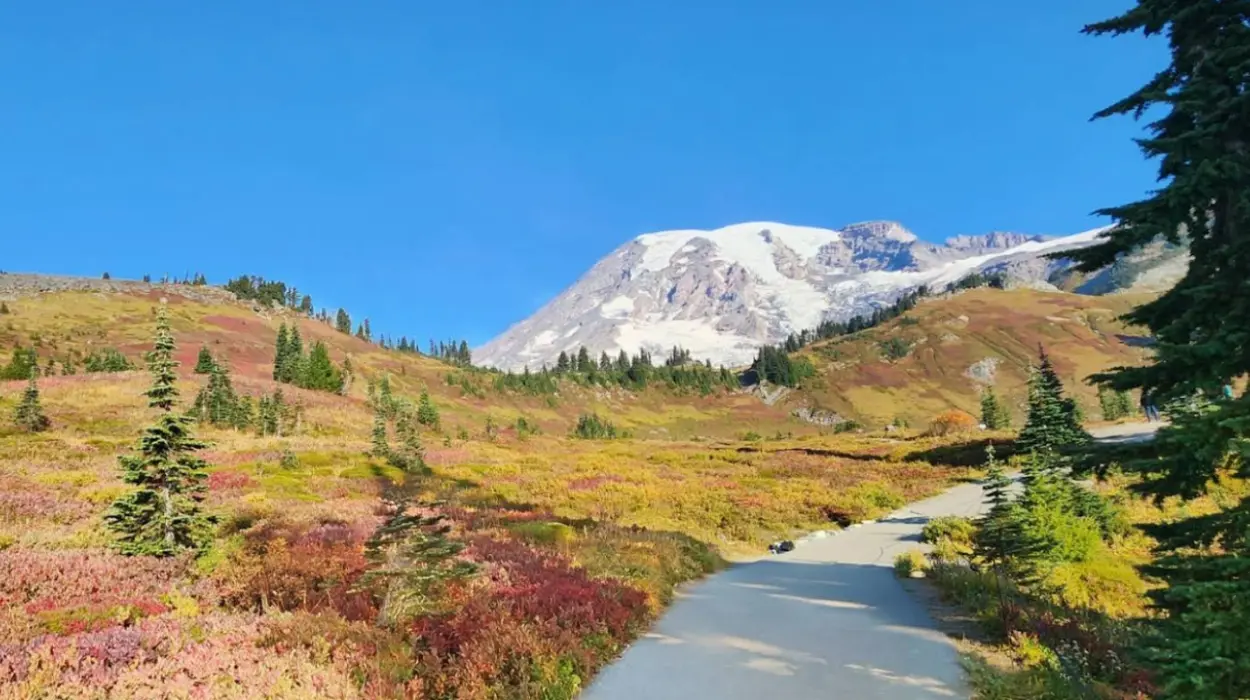
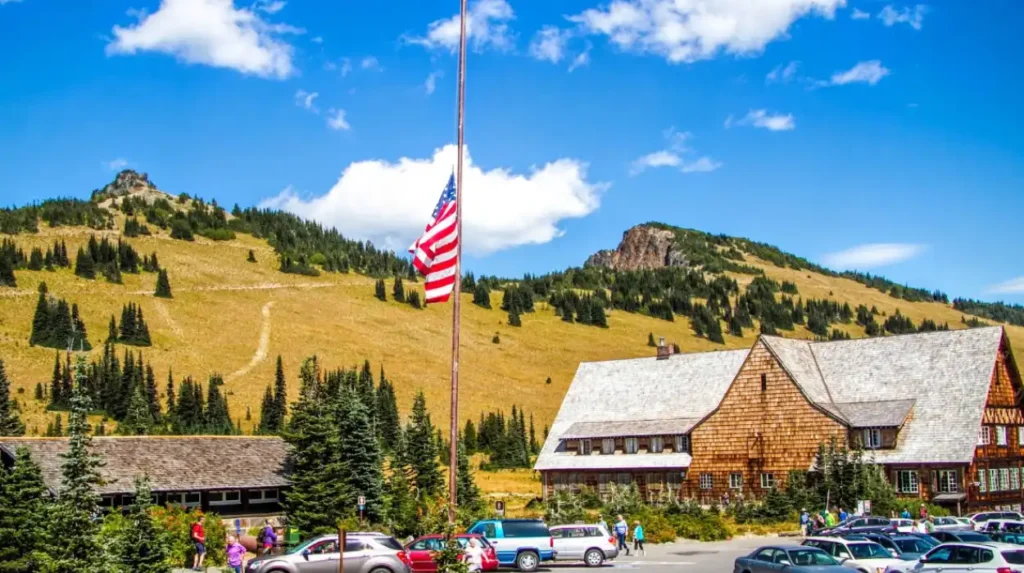
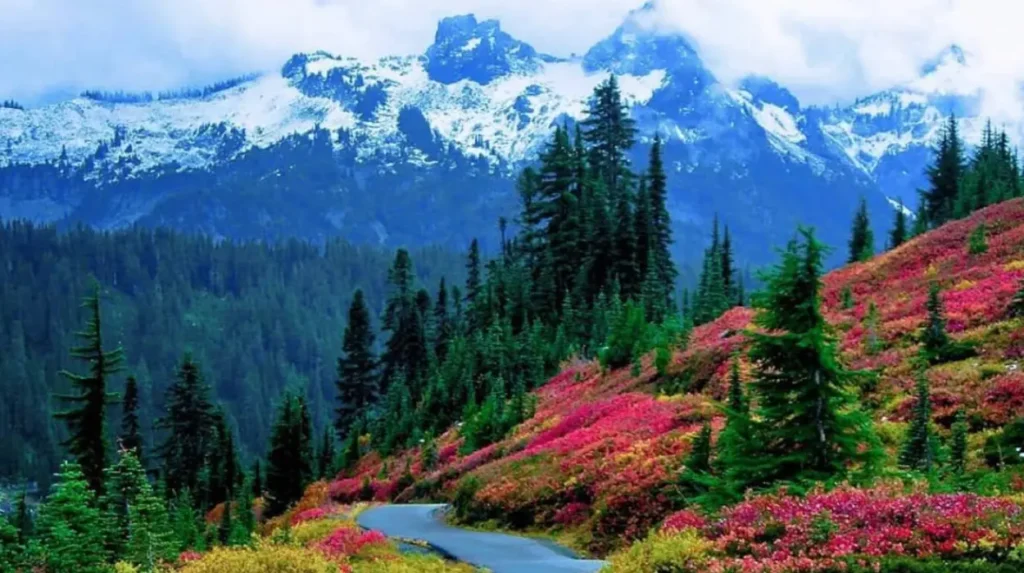
Mount Rainier National Park is the most famous mountain weekend trip from Seattle. The park centers on Mount Rainier, a glacier-covered stratovolcano and the highest peak in Washington at 14,410 feet. The National Park Service reports that the park contains old-growth forests, subalpine meadows, and extensive glaciated terrain. That combination makes it one of the most complete outdoor destinations near the city.
Leavenworth adds a different mountain experience. The town sits in the eastern Cascade foothills and is built around alpine-style tourism, river access, and nearby trail networks. It attracts visitors for Oktoberfest, holiday lights, summer hiking, and river recreation. The drive itself becomes part of the trip because it crosses mountain terrain and passes through changing vegetation zones.
Snoqualmie Pass and Stevens Pass appeal to travelers who want a closer mountain escape. These routes connect Seattle to ski areas, trailheads, and high-country driving. The U.S. Forest Service and Washington transportation routes make these corridors useful for skiing in winter and hiking in summer.
North Cascades routes deliver the most dramatic alpine road scenery. The North Cascades Highway, also known as State Route 20, opens access to mountain lakes, jagged peaks, and remote landscapes. It works best in the warmer part of the year because snow affects high-elevation road access.
What are the best coastal and island trips from Seattle?
The best coastal and island trips from Seattle are Whidbey Island, the Olympic Peninsula, Port Townsend, and the San Juan Islands because they combine ferry travel, waterfront views, and access to beaches, bluffs, and marine towns. These routes define the Pacific Northwest’s saltwater identity.
Whidbey Island is one of the easiest island trips from Seattle. Travelers can reach it by ferry or by road via Deception Pass Bridge. The island includes small towns, state parks, and shoreline drives. It works well for relaxed weekends because the pace is slower than mountain trips and the logistics are straightforward.
The Olympic Peninsula offers the deepest coastal experience. Olympic National Park includes rugged Pacific beaches, temperate rainforest, and mountain terrain in one region. The National Park Service identifies the park as one of the most diverse protected landscapes in the United States. That diversity is important for travelers who want more than one environment in a single weekend.
Port Townsend adds historic waterfront character. It is known for Victorian architecture, maritime culture, and ferry-linked access from the Kitsap Peninsula. The town works well as a base for travelers who want scenery without committing to a full wilderness itinerary.
The San Juan Islands require more planning because they involve ferry scheduling or smaller regional connections. They reward visitors with whale-watching opportunities, waterfront roads, and island towns. This trip suits travelers who want a quieter, slower weekend with strong scenic appeal.
What are the best small-town weekend trips from Seattle?
The best small-town weekend trips from Seattle are Leavenworth, Winthrop, Port Townsend, La Conner, and Poulsbo because they combine local character, walkable centers, and nearby outdoor access. These towns work well for travelers who want food, shops, lodging, and scenic day trips from one base.
Small-town trips perform well in search because they satisfy multiple travel intents at once. Visitors want scenery, but they also want restaurants, parking, and straightforward lodging. Washington has many towns that meet those needs without requiring a long backcountry itinerary.
Leavenworth is the strongest example because the town built a destination economy around alpine design, festivals, and seasonal events. Winthrop adds Old West styling and access to the Methow Valley, a region known for cycling, cross-country skiing, and river scenery. Port Townsend offers heritage architecture and marina views. La Conner provides Skagit Valley access and waterfront charm. Poulsbo gives visitors a Scandinavian-themed downtown with easy access from Seattle via Kitsap routes.
These towns also make practical bases. Travelers can sleep in town and use the surrounding area for hikes, scenic drives, or winery visits. That structure reduces packing complexity and keeps weekend planning simple.
What are the best waterfall and scenic drive trips from Seattle?
The best waterfall and scenic drive trips from Seattle are Snoqualmie Falls, Wallace Falls, Multnomah-style scenic river corridors in broader Pacific Northwest planning, and the Mount Rainier and North Cascades drives because they combine easy access with high visual payoff. Waterfalls and drives rank strongly because they fit short weekend schedules.
Waterfall trips are popular because they require little physical commitment and deliver immediate reward. Snoqualmie Falls is the most accessible example. It is a major natural attraction near Seattle and a common first stop for travelers leaving the city. Wallace Falls offers a stronger hiking component while still remaining a manageable weekend outing. Both routes fit families, casual visitors, and photographers.
Scenic drives matter for SEO because many travelers search for routes rather than destinations. The Mount Rainier loop, the North Cascades Highway, and drives into the Olympic Peninsula rank highly because they combine views, trail access, and changing landscapes. Washington transportation routes and park roads support these itineraries, especially during summer and early fall.
These trips also serve travelers with limited time. A scenic drive can be completed in one day, while a weekend version adds a lodge stay, a trail hike, or a meal stop in a nearby town. That flexibility makes waterfall and drive content evergreen.
When is the best time to take a Seattle weekend road trip?
The best time for a Seattle weekend road trip depends on the destination, but late spring through early fall delivers the most reliable road access, trail conditions, and daylight. Winter works best for lower-elevation trips, ferry towns, and ski-access destinations.
Seasonality shapes Washington travel more than in many other U.S. regions. Mountain routes can close or restrict access because of snow. Park trails at higher elevations often open later in the year. Rainfall is heavier west of the Cascades, which affects visibility and hiking comfort. Ferry and highway systems stay active year-round, but travel times still vary with weather and demand.
Late spring and summer provide the broadest access. Drivers can reach alpine areas, high mountain passes, and national-park viewpoints more easily. Fall adds foliage and clear air, especially in eastern and central Washington. Winter shifts the best trip types toward ski towns, waterfall drives, and cozy small-town stays.
This seasonality affects planning behavior. Travelers who want Mount Rainier, North Cascades, or high-country hikes should target the main road-open months. Travelers who want Whidbey Island, Port Townsend, or Snoqualmie Falls have more year-round flexibility.
How should travelers plan a Seattle weekend road trip?
Travelers should plan a Seattle weekend road trip by matching drive time, weather, lodging, ferry needs, and park access to the chosen destination. A simple plan includes one major stop, one overnight base, and one backup activity for weather changes.
Good planning starts with route selection. The route determines whether the trip functions as a day trip, one-night getaway, or full weekend. It also determines whether travelers need ferry reservations, park passes, or early departure times. Washington’s highway network and ferry system support many destinations, but they also introduce timing variables.
Lodging choice matters next. Town-based trips work best when visitors stay in the destination town itself, such as Leavenworth, Port Townsend, or Poulsbo. Park-based trips work best when visitors stay near an entrance or in a gateway town. This reduces driving after dark and simplifies trail access.
Packing should match the region. Mountain trips require layered clothing, rain gear, and possible road-condition awareness. Island and coast trips require ferry timing and wind-ready clothing. Food planning also helps because some areas have limited late-night dining. A focused weekend plan creates a better experience than a packed itinerary with too many stops.
Which Seattle weekend road trips deliver the most value?
The highest-value weekend road trips from Seattle are Snoqualmie Falls, Leavenworth, Mount Rainier, Whidbey Island, and Port Townsend because they combine short-to-moderate drive times with strong scenery, dependable lodging, and broad audience appeal. These trips deliver efficient, repeatable travel content for general readers.
Value in travel writing comes from the ratio of effort to reward. Readers want destinations that feel worth the drive, the cost, and the planning time. These five destinations consistently meet that standard because they are recognizable, accessible, and versatile.
Snoqualmie Falls delivers the fastest payoff. Leavenworth delivers the strongest small-town identity. Mount Rainier delivers the most iconic national-park experience. Whidbey Island delivers a balanced island weekend. Port Townsend delivers a historic coastal escape with easy structure.
These routes also support evergreen publishing because they stay relevant across seasons. They do not depend on one-time events. They remain useful for local readers, new residents, visiting families, and travelers planning repeat trips from Seattle.
Why do Seattle road trips perform well in search?
Seattle road trips perform well in search because the topic combines high-intent location queries, clear destination names, seasonality, and practical travel planning. Search engines and AI systems extract this content well when it uses specific places, route terms, and trip types.
Search demand around Seattle travel is strong because readers often start with broad intent such as “best weekend road trips from Seattle” and then narrow toward mountain, island, or small-town options. That search pattern rewards structured content with clear destination clusters.
The topic also supports entity-rich writing. Seattle, Mount Rainier, Olympic National Park, Leavenworth, Whidbey Island, Snoqualmie Falls, and North Cascades are all distinct geographic entities with strong recognition. That makes the article easier for AI systems to classify and summarize.
This subject also has durable relevance. Washington road-trip searches stay active because the region offers dependable outdoor travel, scenic driving, and seasonal recreation throughout the year. That permanence supports evergreen ranking potential.
Which destinations should be included in a Seattle weekend road trip article?
A strong Seattle weekend road trip article should include mountain, coastal, island, waterfall, and small-town destinations so the piece covers the main travel intents that readers search for. The best examples are Mount Rainier, Olympic National Park, Whidbey Island, Leavenworth, Port Townsend, and Snoqualmie Falls.
A complete article should not focus only on one travel style. Readers search for different outcomes, including hiking, relaxation, photography, family travel, winter escapes, and scenic driving. A broad mix of destinations captures those intents while keeping the article evergreen.
The best structure is geographic and functional. Begin with the city’s geographic advantage, then move through mountain trips, coastal trips, island trips, small-town trips, and scenic drives. This macro-to-micro structure supports both human reading and AI extraction.
A useful SEO article also defines the travel frame clearly. Weekend road trips from Seattle are trips that start in Seattle, stay within driving distance, and allow a return within two or three days. That definition keeps the topic focused and improves semantic clarity.
Closing perspective
Seattle is one of the most flexible road-trip cities in the United States because it connects urban access with mountains, islands, forests, and coastline. The strongest weekend road trips from Seattle are the ones that balance drive time, scenery, and seasonal reliability, especially Mount Rainier, Olympic National Park, Leavenworth, Whidbey Island, and Snoqualmie Falls.
What are the best weekend road trips from Seattle?
The best weekend road trips from Seattle include Mount Rainier National Park, Olympic National Park, Leavenworth, Whidbey Island, Snoqualmie Falls, Port Townsend, the North Cascades, and the San Juan Islands. These destinations offer a mix of mountains, coastline, forests, waterfalls, and charming small towns.