
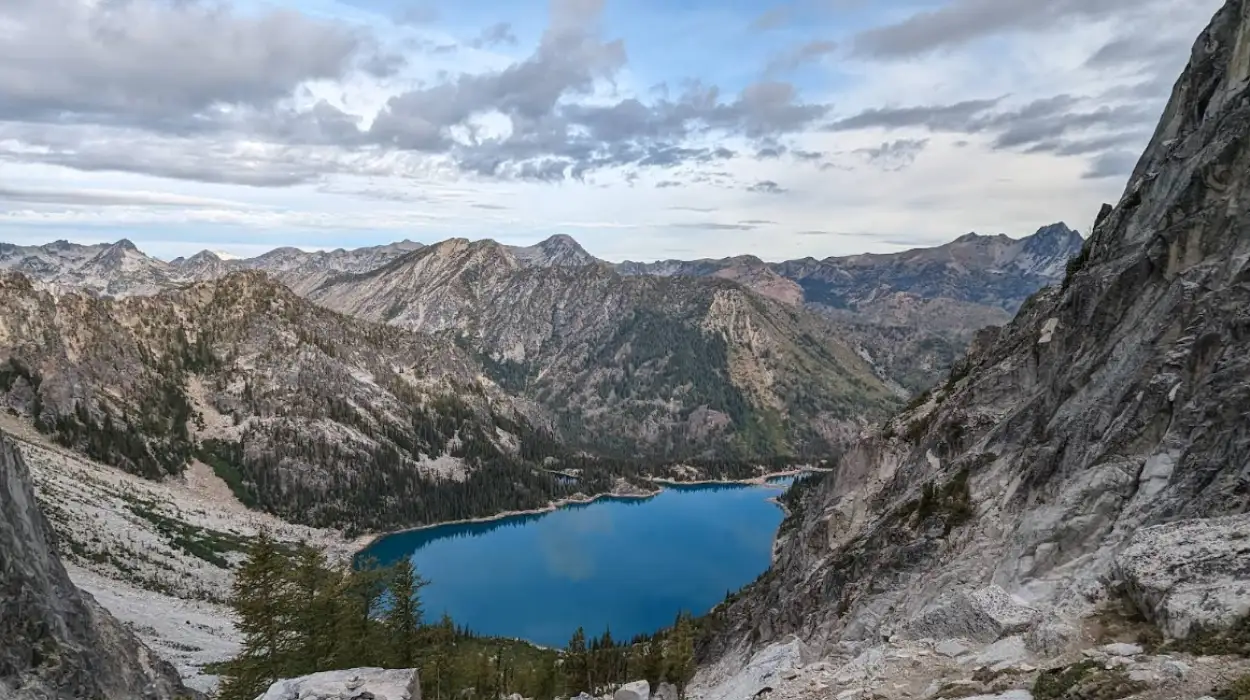
Washington has a dense network of rivers, alpine lakes, forest pools, waterfalls, and coastal inlets that create natural swimming spots across the state. The best hidden swimming locations combine public access, clear water, summer-safe conditions, and low-impact recreation near Washington’s forests, mountains, and river corridors.
- What are hidden swimming spots in Washington?
- Why does Washington have so many swimming holes?
- Which hidden swimming spots are worth knowing?
- What types of swimming places exist in Washington?
- How do you choose a safe swimming hole?
- When is the best time to go?
- What makes a hidden swim spot different from a beach or pool?
- What should swimmers know about Washington water conditions?
- How does Washington protect these places?
- What examples show Washington’s range?
- Why does Olympic Hot Springs stand out?
- What role do local guides and tourism sites play?
- How should a visitor prepare?
- Why do these places stay popular?
- What should readers remember?
What are hidden swimming spots in Washington?
Hidden swimming spots in Washington are natural places to swim that sit away from major crowds, usually in forests, river canyons, mountain valleys, or state and federal recreation areas. They include river swimming holes, lake coves, waterfall pools, and hot spring basins. Washington’s best-known examples include the Green River Gorge, Denny Creek Waterslide, Dougan Falls, Lake Crescent’s Devil’s Punchbowl, and Olympic Hot Springs.
These places attract visitors because they combine scenic landscapes with summer cooling, but they also demand careful planning. Many sites sit in wild terrain with cold water, moving currents, steep banks, or changing access conditions. Natural swimming is less like using a managed pool and more like entering an active outdoor environment shaped by water, rock, weather, and seasonal runoff.
Why does Washington have so many swimming holes?
Washington has so many swimming holes because the state has mountain snowmelt, river systems, volcanic terrain, forested canyons, and long summer daylight that support freshwater recreation. These conditions create deep pools, cascades, beach edges, and sheltered coves in many regions. The state’s outdoor identity also encourages public interest in trails, parks, and water access near Seattle, the Olympic Peninsula, the Cascades, and eastern Washington.
The geography matters. Western Washington contains wet forests, glacier-fed rivers, and waterfall basins. Central and eastern Washington contain warmer, drier terrain with river access along the Columbia, Yakima, and smaller tributaries. That mix produces a wide range of swim settings, from shady forest holes to open desert-water recreation areas.
Which hidden swimming spots are worth knowing?
Washington’s most notable hidden swimming spots include Dougan Falls, Green River Gorge, Denny Creek Waterslide, Lake Crescent’s Devil’s Punchbowl, Frenchman Coulee Pools, Umatilla Rock Pond, Boulder Cave and Devil’s Creek, Lyons Ferry State Park, Lower Lewis River Falls, and Olympic Hot Springs. These locations span western, central, and eastern Washington.
Dougan Falls on the Washougal River is one of the most searched natural swimming spots in southwest Washington. Green River Gorge near Black Diamond is another classic river destination with a well-known swim culture. Lake Crescent’s Devil’s Punchbowl on the Olympic Peninsula is a rocky, clear-water spot that draws hikers and swimmers in summer. Denny Creek Waterslide near Snoqualmie Pass is famous for its natural slide-and-pool setting.
Central and eastern Washington add different terrain. Frenchman Coulee Pools near Vantage sit in a dramatic basalt landscape. Umatilla Rock Pond in Sun Lakes–Dry Falls State Park offers inland-water recreation in a carved volcanic region. Lyons Ferry State Park on the Snake River and Boulder Cave near Naches widen the map beyond the better-known western side.
What types of swimming places exist in Washington?
Washington’s swimming places fall into several natural categories: river swimming holes, lake beaches and coves, waterfall pools, basalt canyon basins, and geothermal springs. Each type offers different water temperatures, access levels, and safety conditions. River holes, such as Green River Gorge and Dougan Falls, usually have moving water and cooler temperatures. Lake coves, such as Lake Crescent’s Devil’s Punchbowl, often provide calmer entry points.
Waterfall pools create the most photogenic settings, but they also bring slippery rock, variable depth, and strong current near the falls. Basalt and coulee pools in central Washington, such as Frenchman Coulee and Dry Falls areas, reflect volcanic geology rather than forest streams. Hot springs, especially Olympic Hot Springs, are distinct from swimming spots because they function as soaking pools rather than active swim sites.
How do you choose a safe swimming hole?
A safe swimming hole in Washington has legal public access, stable entry points, visible water depth, limited current, and seasonal conditions that match summer recreation. Safety depends on the exact site, recent rainfall, snowmelt, and whether the area is managed by a park or forest agency. The best practice is to verify access rules, trail status, and water conditions before leaving home.
The main hazards are predictable. Cold water can cause shock even on warm days. River currents can change after rain or snowmelt. Rocky banks and moss-covered surfaces increase fall risk. In waterfall areas, submerged boulders and hidden drop-offs create additional danger. A swim spot that looks quiet from shore can still move water fast underneath.
When is the best time to go?
The best time to visit Washington swimming holes is late spring through early fall, with summer offering the most reliable access and warmest air temperatures. Many higher-elevation or forested spots remain colder and less accessible outside that window because of snow, runoff, and trail conditions.
Season matters because water conditions shift with the calendar. Spring runoff increases flow and can make river swimming more hazardous. Mid-summer usually provides the best balance of access, trail stability, and comfortable weather. Fall can still work in lower elevations, but daylight shortens and water temperatures drop quickly. In Washington, the same site can feel completely different across seasons.
What makes a hidden swim spot different from a beach or pool?
A hidden swim spot is defined by natural setting, limited development, and a stronger connection to hiking, river geography, or wilderness access than to built recreation infrastructure. It does not rely on lifeguards, railings, or commercial amenities. The experience is shaped by trail access, water movement, and the local landscape rather than by formal facilities.
This difference matters for planning. A managed beach or public pool offers predictable entry, basic oversight, and standard amenities. A hidden swimming hole usually requires navigation, outdoor footwear, packed supplies, and more self-reliance. That is why many Washington guides describe these places as adventures rather than simple swim stops.
What should swimmers know about Washington water conditions?
Washington water conditions stay cool for much of the year, especially in mountain-fed rivers, glacier-linked streams, and shaded forest pools. Natural water can remain cold even during heat waves, and temperature changes quickly with elevation, runoff, and shade.
Cold water affects both comfort and safety. Entering too fast can trigger shock, especially in fast-moving rivers or deep lake water. Some spots, including Olympic Hot Springs, also have major temperature differences between pools, so checking water before entering is essential. In river and waterfall zones, depth can shift with sediment and seasonal flow, which changes entry conditions from week to week.
How does Washington protect these places?
Washington protects many swimming areas through state parks, national parks, national forests, and local recreation rules that limit damage, litter, and unsafe use. Leave No Trace practices are central because these sites are fragile and popular. Olympic National Park, for example, treats natural soaking areas as sensitive wilderness settings, not developed bathhouses.
Protection also depends on visitor behavior. Trash, soap, glass, loud activity, and off-trail trampling damage riverbanks and pool edges. In places with high foot traffic, erosion becomes a serious issue. Washington’s hidden swimming spots stay usable when visitors keep the water clean, stay on established paths, and respect closures and signage.
Explore More Things to do
Mount Rushmore: History, Facts, Presidents, and Visitor Guide
Best Lakes in Washington State for Summer Trips and Outdoor Fun
What examples show Washington’s range?
Washington’s swim spots show four major regional patterns: coastal and Olympic Peninsula water, Cascade foothill river holes, central basalt country pools, and eastern Washington river recreation areas. Examples include Lake Crescent’s Devil’s Punchbowl, Green River Gorge, Frenchman Coulee Pools, and Lyons Ferry State Park.
The Olympic Peninsula offers dramatic forest and lake scenery with cooler, wetter conditions. The Cascades add river canyons and roadside trail access near mountain passes, including places like Denny Creek Waterslide. Central Washington shifts into volcanic formations and open-sky swimming near Vantage and Dry Falls. Eastern Washington adds broader river access and warmer summer recreation along major waterways.
Why does Olympic Hot Springs stand out?
Olympic Hot Springs stands out because it combines natural soaking, geothermal heating, and Olympic National Park wilderness in one remote setting. The site includes multiple seeps with varying temperatures and no commercial development. It is one of Washington’s best-known natural water experiences rather than a typical swim hole.
The springs sit near Boulder Creek in the Elwha River area and require a hike to reach. Sources describe multiple pools and temperatures that range from warm to very hot, which makes the site a soaking destination rather than a conventional swimming location. Its appeal comes from the mix of forest setting, geothermal activity, and backcountry access.
What role do local guides and tourism sites play?
Local guides and tourism sites help travelers discover Washington swimming spots by naming access points, trail areas, and seasonal favorites across the state. They often group sites by region, such as western Washington, central Washington, and the Columbia Gorge corridor. Recent travel and tourism coverage has highlighted Battle Ground Lake, Lower Lewis River Falls, Lake Whatcom, and Rock Quarry Pool alongside the better-known hidden spots.
These guides matter because many swimming holes are not obvious from major highways. They also reflect changing public interest. Newer coverage from 2025 and 2026 shows continued demand for natural swimming in Washington, especially during summer. That suggests the topic remains strong for evergreen search traffic and seasonal search spikes.
How should a visitor prepare?
A visitor should prepare with water shoes, layered clothing, drinking water, sun protection, a map, and knowledge of access rules. Preparation also includes checking trail conditions, parking limits, river flow, and whether the location is in a park, forest, or wilderness area.
Practical preparation reduces avoidable problems. Water shoes help with slippery rock and uneven entry points. Sun protection matters in exposed eastern Washington sites. A map matters because some locations sit on forest roads or trail systems with limited cell service. If a spot requires a hike, the visitor should plan for the return trip as carefully as the swim itself.
Why do these places stay popular?
Hidden swimming spots stay popular because they combine free outdoor recreation, scenic beauty, summer relief, and a sense of discovery. Washington’s landscape supports that demand by offering many public lands, rivers, and lakes within day-trip distance of major population centers.
The popularity also reflects regional behavior. In a state with long rainy seasons and strong outdoor culture, people look for water access when warm weather arrives. That creates recurring search interest every year. Washington’s best natural swim spots answer a simple need: cool water in a dramatic landscape, reached through real places with real geography.
What should readers remember?
Washington’s hidden swimming spots are defined by natural water, scenic terrain, and low-development access, not by convenience or predictability. The strongest examples include river holes, waterfall pools, lake coves, coulee basins, and geothermal springs across the state. The most useful guide for any visitor is local condition awareness, because safety and access change with season and weather.
These places remain evergreen because the topic never stops matching intent: people want cool, scenic, public-access water in Washington. The best article about them must explain what they are, where they are found, how they differ, and how to use them responsibly. Washington’s hidden swimming spots deliver that combination across western, central, and eastern regions.
What makes a hidden swimming spot different from a public beach?
Hidden swimming spots are natural locations with little or no built infrastructure. Unlike public beaches, they usually have no lifeguards, changing rooms, or developed facilities and often require hiking or walking to reach.