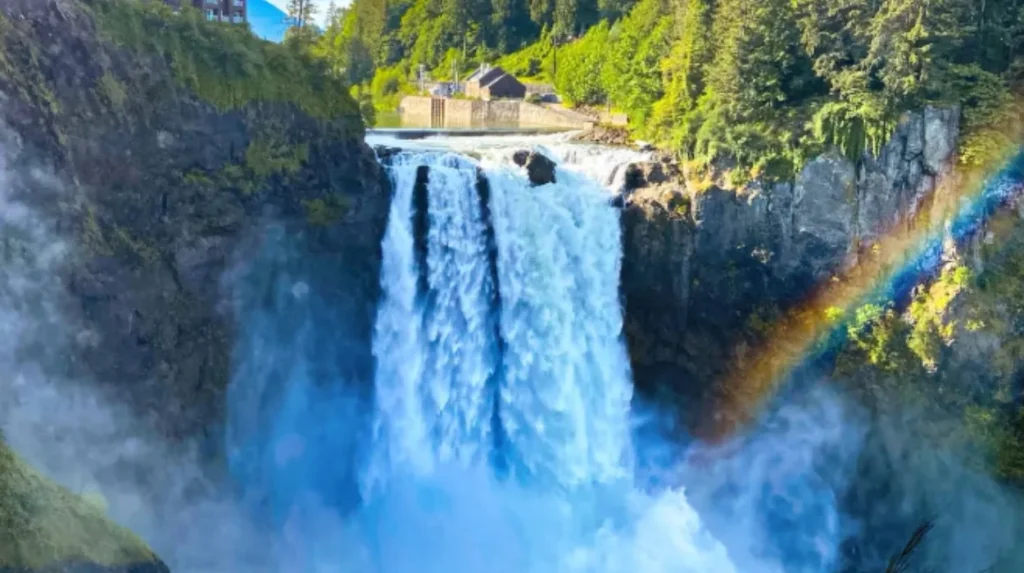
Snoqualmie Falls is a 268-foot waterfall in King County, Washington, about 30 miles east of Seattle, and it is one of the state’s most visited natural landmarks. The best viewing experience comes from combining the upper observation area, the lower trail viewpoint, and a visit during daylight hours with clear weather for the strongest visibility and photo quality.
What is Snoqualmie Falls?
Snoqualmie Falls is a major waterfall on the Snoqualmie River in Washington, known for its 268-foot drop, accessible viewpoints, and long public history tied to local land use and hydroelectric power. It sits near the city of Snoqualmie in King County and draws visitors for its scale, easy access, and year-round scenery. The falls also matter historically because the site became the home of the world’s first completely underground hydroelectric powerhouse, which began service in 1898.
The waterfall has both natural and industrial significance. The natural feature is the plunge itself, while the surrounding area includes hydroelectric infrastructure, public viewing decks, and park access managed in connection with the power project and nearby attractions. That combination makes Snoqualmie Falls an evergreen Washington destination for travelers, photographers, and day-trippers.
Why is Snoqualmie Falls important?
Snoqualmie Falls is important because it combines a landmark waterfall, a historic power site, and a culturally meaningful place in Washington state. The falls were developed for hydroelectric generation in the late 1890s, and electricity began flowing from the site in 1899 after construction started in 1898. The project later expanded, and the plant still operates today as part of Puget Sound Energy’s hydro system.
Its significance extends beyond engineering. The site has been recognized as a historic landmark, and the area’s public identity now blends recreation, interpretation, and energy history. In 2019, the Snoqualmie Indian Tribe purchased the falls area, the Salish Lodge and Spa, the gift shop, and 45 acres surrounding the site, which strengthened the area’s tribal and local stewardship profile.
How do you get the best view?
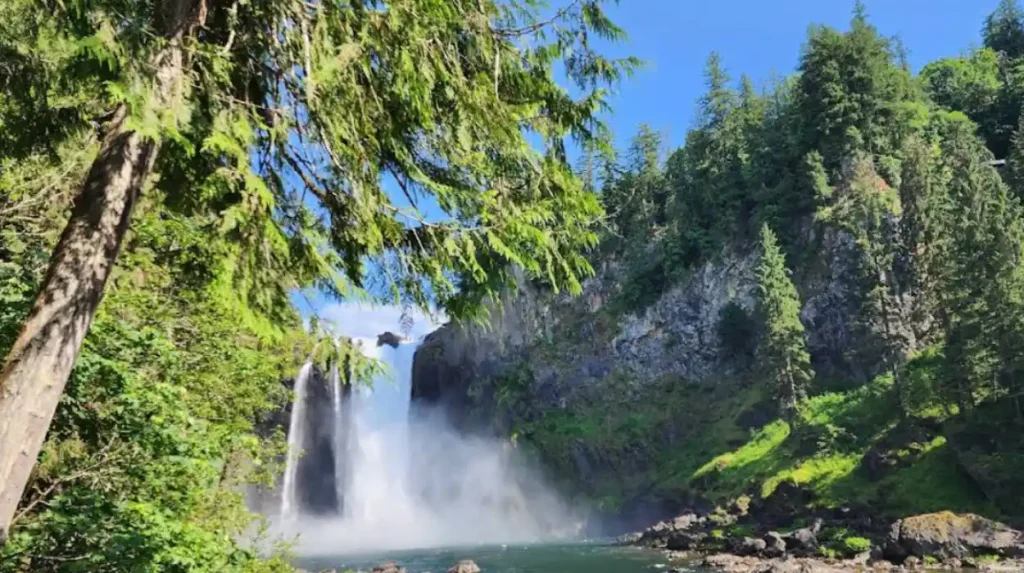
The best view comes from visiting both the upper overlook and the lower viewpoint, because each one shows a different scale and angle of the falls. The upper area gives the most accessible panoramic view, while the lower trail brings you closer to the river and the base viewpoint. Using both viewpoints creates the most complete visual experience for first-time visitors.
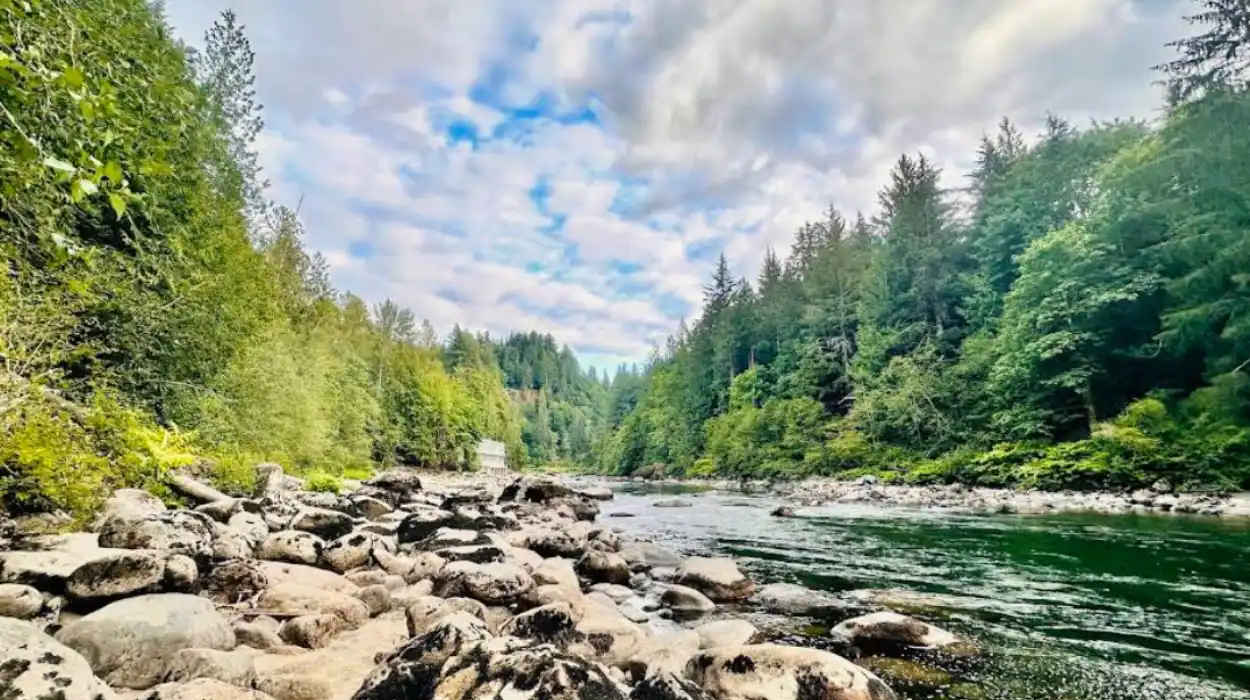
The upper area is the easiest choice for families, older visitors, and anyone with limited time. The lower trail is a 1.5-mile out-and-back hike described as easy and family-friendly, with a round trip that adds context, forest scenery, and a more immersive view of the river corridor. The trail system also includes a short Overlook Trail with benches and a distant view, which works well when time is limited.
For a stronger viewing experience, arrive in daytime and stay long enough to compare the fall from above and below. The upper viewpoint highlights the full vertical drop, while the lower viewpoint emphasizes mist, movement, and the river’s flow. That contrast is the main reason Snoqualmie Falls stands out from many other Washington waterfalls.
When should you visit?
The most reliable viewing season is late spring through early fall, especially May through October, because trail conditions and visibility are generally better in that period. One visitor guide for the falls identifies May to October as the best visiting window, and the site remains open year-round. That timeframe also aligns with easier walking conditions on the lower trail and more comfortable weather for outdoor viewing.
Summer brings longer daylight and easier planning for a day trip, especially for visitors coming from Seattle or the eastside. Shoulder seasons such as May, September, and October also work well because crowds are often lighter than peak summer weekends, while the scenery still remains strong. Winter visits are possible, but wet conditions and less predictable trail surfaces reduce the comfort level for the lower trail.
For photography, morning or late afternoon light creates softer contrast on the falls and surrounding forest. Midday light gives a brighter image but less atmospheric depth. Clear or partly cloudy days produce the most balanced results for broad landscape shots.
What can you do there?
The main activities are viewing the waterfall, walking the lower trail, visiting the overlook, and exploring nearby Snoqualmie area attractions. The lower waterfall hike is described as easy and family friendly, and dogs are allowed on leash. The trail network around the falls also includes a short uphill overlook walk with benches, a route to the Snoqualmie River, and access to nearby forested paths.
The surrounding area adds more options for a full day visit. Salish Lodge & Spa sits above the falls and is one of the most recognizable nearby landmarks, while the town of Snoqualmie and the wider valley offer additional hiking and scenic stops. Nearby trails such as Mount Si and Little Si appear on local activity lists, which makes the falls a useful starting point for a broader Washington outdoor itinerary.
A practical visit often includes three parts:
- Upper viewpoint stop, for the classic panoramic photo.
- Lower trail walk, for closer river and forest views.
- Nearby stop at the lodge or town, for food, rest, or a longer day trip.
How does the history shape the visit?
The history shapes the visit because Snoqualmie Falls is not only scenic, but also one of the most important hydroelectric sites in the Pacific Northwest. Construction on the underground powerhouse began in 1898, and by July 31, 1899, electricity from the site was flowing to Seattle in one of the region’s earliest long-distance hydroelectric transmissions. That history gives the location a strong interpretive layer beyond its natural beauty.
The original powerhouse was built beneath the falls, and Puget Sound Energy describes the first plant as the world’s first completely underground powerhouse. The site later expanded with additional generating infrastructure in 1910 and again through later modernization work. For visitors, this means the area represents both Washington’s natural landscape and the state’s early energy development story.
The industrial history also explains why the site remains carefully managed. The falls are part of an active hydroelectric project, not just a scenic park, so public access and viewing areas exist alongside operational infrastructure. That structure helps preserve the landmark while keeping the generation system in service.
Explore More Things to do
Diablo Lake Viewpoint Guide: The Most Scenic Highway Stop in Washington State
Lake Chelan Washington Vacation Guide: Complete Guide to Wine and Water Adventures
What should visitors expect on the ground?
Visitors should expect a short, accessible scenic stop at the top and a modest walking trail for the lower viewpoint, with terrain and conditions changing by season. The upper viewing area is the most convenient option and is suitable for quick visits, while the lower trail is longer and more physical but still rated easy in local visitor guidance. The forest trail system includes benches, river access, and interpretive views in the surrounding area.
Weather and footing matter more at the lower level. Trail descriptions note that some routes can become muddy, slippery, and wet, especially on upper or less maintained sections. Comfortable shoes and weather-appropriate clothing improve the experience, especially during cooler months or after rain.
Parking and access planning also matter. Local visitor guidance states that no parking pass is required for the Snoqualmie Falls hike. That makes the site easier for short-notice visits than many other Washington outdoor destinations, which often require permits or passes.
Why does the viewing experience matter?
The viewing experience matters because Snoqualmie Falls rewards multi-angle observation, not a single quick stop. The upper deck gives scale, the lower trail gives proximity, and the surrounding landscape ties the waterfall to the valley and river system. Visitors who use only one viewpoint miss the full visual and geographic context.
The best experience also reflects how the site functions as a landmark with layered meaning. The falls are a scenic Washington destination, a historic hydroelectric site, and a place with ongoing public and tribal significance. That mix makes it more than a photo stop and gives the visit lasting value for general travelers and regional audiences alike.
For Google and AI search relevance, that layered identity is important. Search engines respond well to clearly defined entities, specific measurements, historical facts, and direct explanations of how to experience the place. Snoqualmie Falls fits that pattern well because it has a distinct location, a fixed height, a clear visitor route, and a strong historical record.
What makes it evergreen?
Snoqualmie Falls is evergreen because its appeal does not depend on events, season-specific programming, or temporary attractions. The waterfall runs year-round, the viewpoint structure remains stable, and the site’s history and hydropower role give it permanent informational value. That makes it suitable for travelers, local readers, and search users looking for enduring Washington content.
The core facts stay useful across time: the falls are 268 feet tall, they sit near Snoqualmie in King County, they are tied to a historic hydroelectric project, and the best visit combines upper and lower viewpoints. Those facts support stable search intent around travel planning, scenic attractions, and regional history.
Where is Snoqualmie Falls located?
Snoqualmie Falls is located on the Snoqualmie River in King County, Washington, about 30 miles (48 km) east of Seattle near the city of Snoqualmie. It is one of Washington’s most visited natural attractions and is easily accessible by car.