Trump’s Gulf Allies Weary of Washington: Saudi Arabia Seeks New Friends Riyadh 2026

Evening Washington
Trump's Gulf Allies Weary of Washington: Saudi Arabia Seeks New Friends Riyadh 2026
Credit: Google Maps/blogs.timesofisrael.com

Key Points

  • Saudi Arabia is deeply disappointed with its long-time ally, the United States, particularly over President Donald Trump’s erratic policies regarding Iran
  • Political scientist Saleh Al-Khatlan states that Riyadh is looking for new friends as trust in Washington erodes
  • Trump announces nearly daily new “deals” with Iran that never materialize, creating drama from Riyadh’s perspective
  • Saudi Arabia has become increasingly frustrated with Trump’s handling of the war with Iran, including his threats and unpredictable actions
  • On September 17, 2025, Saudi Arabia signed a mutual defence pact with nuclear-armed Pakistan, declaring any attack on one country an attack on both
  • Riyadh is currently engaged in talks with Somalia, Egypt, and Turkey regarding two prospective defence agreements
  • Gulf states including Qatar, Saudi Arabia, and the UAE asked Trump to hold off on a planned military attack on Iran scheduled for tomorrow
  • Sami Hamdi of The International Interest states there is increasing sentiment that the US can no longer be relied upon to safeguard Gulf security
  • Saudi Arabia’s defence diversification follows American inaction on attacks: 2019 Iranian drone attacks on Saudi oil facilities and September 2025 Israel attacks on Hamas leadership in Doha
  • The Saudi-Pakistan pact could potentially include Turkey, creating an “Islamic NATO” merging Pakistan’s nuclear capabilities with Saudi financial resources and Turkish military prowess

Washington (Evening Washington News) June 10, 2026 – Saudi Arabia has become increasingly frustrated with the US over Donald Trump’s erratic handling of the war with Iran, including his threats and unpredictable policy announcements. As reported by the Financial Times, Saudi Arabia has grown increasingly irritated with the United States over Donald Trump’s unpredictable and inconsistent approach to regional security.

Why Does Trump Announce Daily Iran Deals That Never Materialize?
DER SPIEGEL asked political scientist Saleh Al-Khatlan:

“Mr. Al-Khatlan, almost every day, US President Donald Trump announces a new ‘deal’ with Iran that never materializes. What does the drama look like from Riyadh?”.

According to the DER SPIEGEL interview published June 10, 2026, Saudi Arabia is deeply disappointed with its long-time ally, the United States – and with Trump’s erratic policies.

How Has Saudi Arabia Responded by Seeking New Security Alliances?

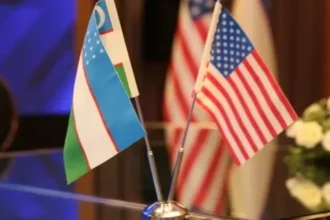
On Wednesday, the Arab Gulf nation finalized a defense agreement with Pakistan, the sole Muslim-majority nation that possesses nuclear capabilities. As reported by Al Jazeera, Saudi Arabia and Pakistan, both nuclear-capable nations, have formalized a mutual defense agreement, as reported by state media from each country. The accord

“demonstrates the mutual dedication of both nations to enhancing their defense and achieving stability and peace in the region and globally”.

The agreement stipulates that any attack on one country will be viewed as an attack on both. A senior Saudi official remarked to Reuters regarding the timing of the agreement, stating,

“This deal is the result of years of dialogue. It is not a reaction to any particular nations or events but represents the institutionalization of enduring cooperation between our two countries”.

What Other Defence Pacts Is Riyadh Pursuing?

Riyadh is currently engaged in discussions with Somalia, Egypt, and Turkey regarding two prospective defense agreements. Reports indicate that Turkey is also showing heightened interest joining the “Strategic Mutual Defense” established between Saudi Arabia and Pakistan last September.

If formalized, this trilateral arrangement, often referred to as an “Islamic NATO” — a nod to the North Atlantic Treaty Organization — would merge Pakistan’s nuclear capabilities with Saudi financial resources and Turkish military prowess.

On 9 January, Bloomberg reported that Turkey was ‘likely’ to join the defence pact between Saudi Arabia and Pakistan, and that talks to do so were in an ‘advanced’ stage.

Why Do Gulf States Say Trump Hold Off on Iran Attack?

Trump said that he stopped his purported attack plan at the urging of Gulf Arab allies, which Iran has threatened with reciprocal attacks if the United States and Israel end a nearly six-week ceasefire. As reported by The New Arab,

“The leaders of Qatar, Saudi Arabia and the United Arab Emirates asked him ‘to hold off on our planned Military attack of the Islamic Republic of Iran, which was scheduled for tomorrow, in that serious negotiations are now taking place,'”

Trump wrote on his Truth Social platform.

How Has American Inaction Eroded Trust in Washington?

Samy Hamdi, managing director of the London-based risk and intelligence firm The International Interest, believes the motivations behind Saudi Arabia’s recent pursuit of defense agreements are primarily linked to a diminishing US security presence in the region.

“There is an increasing sentiment that the US can no longer be relied upon to safeguard the security of Gulf states,”

Hamdi stated to DW, referencing the lack of US response to the 2019 attacks by Yemen’s Houthis on Saudi oil facilities and the September 2025 assault on Hamas leadership in Doha by Israel, America’s closest ally in the region.

Saudi Arabia and Pakistan agreed a defensive pact in September 2025, following American inaction on two occasions: initially in 2019, when Iranian drone attacks on Saudi Arabia failed to elicit more than mild condemnation from Washington; and in 2025, when Israel’s attacks on Qatar were met only with lukewarm rebuke.

What Does Trump’s “Largely Negotiated” Iran Deal Include?

US President Donald Trump announced that a deal with Iran has been “largely negotiated,” with further details expected to be revealed soon.

He mentioned on Saturday that the agreement would encompass the reopening of the Strait of Hormuz, but did not elaborate further. An agreement has been largely negotiated, pending finalization the United of America the Islamic Iran, the various Countries, listed.

Iranian foreign spokesman Eail Bagei also referenced a “memorandum of understanding,” stating on state television that Iran aims reach an “in form of framework, consisting of 14 points”.

Baghaei indicated that Tehran is in the process of finalizing the memorandum, allowing for further discussions within 30 to 60 days, ultimately leading to a final agreement.

Background of Trump’s Gulf Allies Growing Weary Development

This development stems from decades of US-Saudi strategic partnership that began after World War II, based on Saudi oil resources and American security protection. The relationship faced challenges during Trump’s first term (2017-2021) when he withdrew from the Iran nuclear deal (JCPOA) in 2018, leading to increased tensions between Washington and Riyadh as Saudi Arabia sought to maintain its own diplomatic channels with Tehran.

The 2019 Iranian drone attacks on Saudi oil facilities at Abqaiq and Khurais marked a critical moment when Washington’s response was limited to diplomatic condemnation rather than military action, according to multiple security analysts.

This pattern repeated in September 2025 when Israel attacked Hamas leadership in Doha, Qatar, with only lukewarm US rebuke, further demonstrating what Gulf states perceive as diminishing American commitment to regional security.

President Trump’s second term began in January 2025 after his November 2024 election victory. His approach to Iran has been characterized by frequent announcements of impending deals that consistently fail to materialize, creating uncertainty for Gulf allies who depend on regional stability for their economic security and oil exports.

The Strait of Hormuz blockade by Iran, which began affecting global economy and American fuel prices during Memorial Day weekend 2026 travel, has intensified pressure on Trump to reach an agreement.

Saudi Arabia’s decision to pursue the Pakistan defence pact represents a strategic shift from reliance on US protection to diversified security partnerships.

The pact’s formal signing on September 17, 2025, elevated a security alliance spanning several decades into a formal mutual defence agreement with nuclear dimensions.

Prediction: How This Development Will Affect Gulf States and Their Audiences

Gulf states including Saudi Arabia, Qatar, UAE, Kuwait, and Oman will face increased security complexity as they navigate between traditional US alliances and new Arab-Islamic partnerships. The formation of an “Islamic NATO” merging Pakistan’s nuclear capabilities with Saudi financial resources and Turkish military prowess will provide alternative security guarantees but may also create new regional tensions.

For Gulf audiences dependent on stable oil exports, the diversification of security alliances may reduce vulnerability to US policy shifts but could also complicate relationships with Western markets.

The Saudi-Pakistan defence pact’s provision that any attack on one country equals attack on both creates broader security commitments that could draw Gulf states into conflicts outside their traditional boundaries.

Effects on US-Gulf Economic Relations

American businesses investing in Gulf states may encounter increased regulatory complexity as Gulf nations pursue greater autonomy from US security frameworks.

The declining trust in Washington could reduce US influence over Gulf economic policies, potentially affecting American energy companies, defense contractors, and financial institutions operating in the region.

Gulf audiences investing in US markets may face increased volatility as geopolitical tensions between Washington and Riyadh influence investment flows.

The Saudi decision to hedge against US security uncertainty signals broader economic recalibration that could affect stock markets, currency values, and trade agreements.

Regional Security Implications for Middle East Residents

Middle East residents will experience increased security complexity as new alliance structures emerge alongside traditional US-Gulf partnerships.

The potential Turkish inclusion in the Saudi-Pakistan pact creates a trilateral arrangement that could shift regional power dynamics, potentially affecting Israel’s security calculations and Iran’s strategic positioning.

For ordinary citizens in Gulf states, the diversification of security alliances may provide enhanced protection against regional threats but could also increase the risk of being drawn into conflicts involving Pakistan or Turkey.

The “Islamic NATO” concept remains unconfirmed by official Saudi sources, creating uncertainty about actual security commitments.

Long-Term Strategic Consequences for Gulf Audiences

Over the next decade, Gulf audiences will navigate a more complex geopolitical landscape where US security guarantees are no longer absolute.

The Saudi-Pakistan defence pact represents institutionalization of enduring cooperation rather than reaction to specific events, suggesting long-term strategic realignment that will affect education, employment, and investment opportunities for Gulf citizens.

Gulf state residents may see increased Chinese and Russian influence as the US diminishes its regional security role, affecting language education, cultural exchanges, and business partnerships. The Saudi decision not to join Abraham Accords, according to analyst Mubarak al-Ati, signals continued distance from Israel normalization that will affect tourism, trade, and diplomatic relations for Gulf audiences.

The formation of new Arab-Islamic blocs alongside Pakistan, Turkey, and Qatar could create alternative diplomatic frameworks for addressing regional issues including Palestine, Lebanon, Syria, and Iran, potentially reducing Gulf dependence on US-mediated negotiations and providing more direct regional solutions that better align with Gulf interests and values.