

Key Points
- Management Transition: In May 2025, Providence Swedish entered a joint venture with Compassus, a private equity-backed company, creating “Providence at Home with Compassus.” While both entities hold a 50% stake, Compassus manages daily operations.
- Workforce Exodus: The Everett location has lost over 60 employees since the venture began, significantly impacting the historical staff count of approximately 200.
- Patient Care Concerns: Staff report that productivity requirements have surged, with expected weekly patient visits increasing from 13–15 to 20–25. Caregivers warn this reduces critical time per patient, potentially compromising safety.
- Allegations of Malpractice: Employees have filed dozens of complaints with federal and state agencies, including reports of wage theft, inadequate sick leave compliance, and being pressured to inaccurately chart patient visits to mask staff shortages.
- Legal and Regulatory Action: The Washington Department of Labor and Industries is investigating 47 complaints from workers. Staff are also urging the Washington State Investment Board—a major investor in the private equity fund backing the venture—to intervene.
- Corporate Response: Compassus denies allegations of poor care, stating its processes ensure regulatory compliance and high-quality care. Providence spokesperson Ed Boyle stated the organization has confidence in its partner.
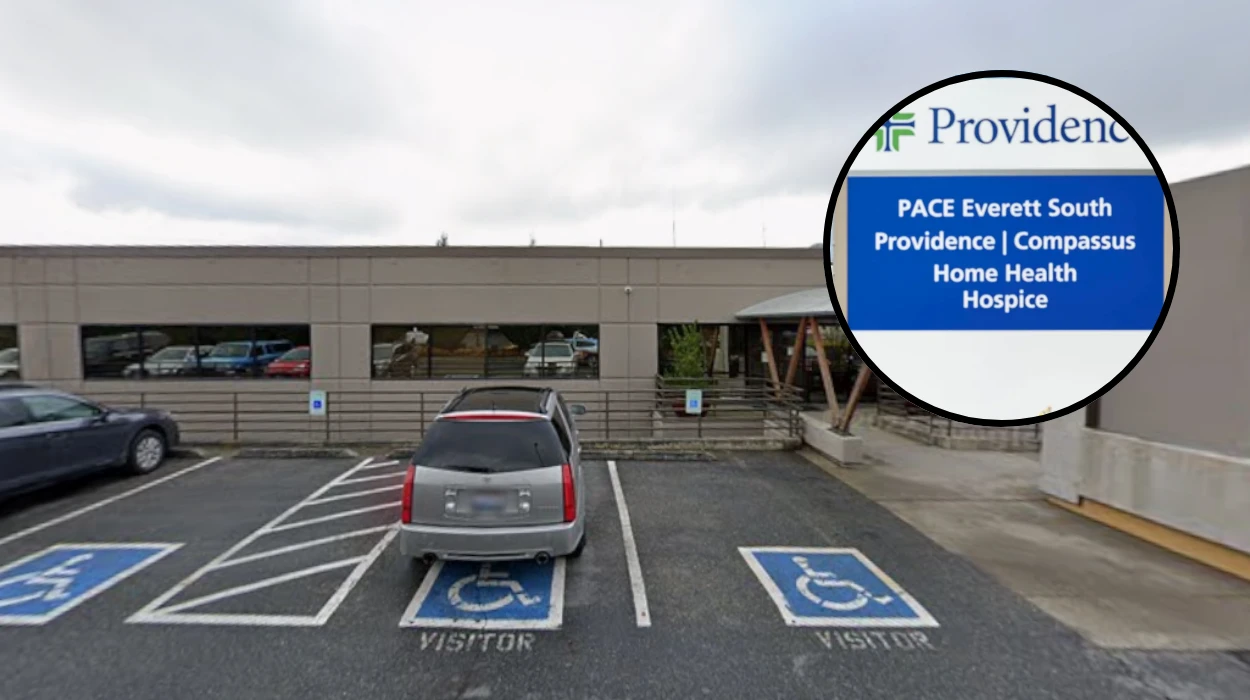
Everett (Evening Washington News) August 8, 2026 – Home health and hospice workers in Everett are sounding the alarm, asserting that a shift in management following a private equity-backed joint venture is fundamentally undermining their ability to provide safe and effective patient care. Since the implementation of the partnership between Providence Swedish and Compassus in May 2025, employees report an environment defined by unsustainable workloads, a significant exodus of experienced staff, and mounting concerns over the erosion of medical integrity.
- Key Points
- How has the joint venture impacted the daily operations of hospice staff?
- What are the concerns regarding patient safety and workplace culture?
- Have there been formal complaints filed against the company?
- How does the company respond to these allegations?
- What role does the Washington State Investment Board play?
- Is there pending legislation to address private equity in healthcare?
How has the joint venture impacted the daily operations of hospice staff?
The transition to the “Providence at Home with Compassus” model—a 50-50 joint venture managed by the Tennessee-based Compassus—has dramatically altered the day-to-day responsibilities of clinicians. According to April Frazier, a chaplain with the organization, staff productivity expectations have escalated sharply.
As reported by Jenna Peterson of The Daily Herald, Frazier noted that before the management shift, employees were generally expected to complete 13 to 15 visits per week. That figure has since risen to between 20 and 25 visits. This intensification, Frazier explained, has forced staff to compress essential care—such as medication management, bathing, and family education—into windows as brief as 20 minutes, a timeframe she describes as insufficient and disrespectful to the needs of patients nearing the end of their lives.
“How can you do that in 20 minutes?”
Frazier asked in her interview with The Daily Herald.
“And how disrespectful is that to not listen? To have the nurse be so pressured that they don’t have time to honor their moments?”
What are the concerns regarding patient safety and workplace culture?
The pressure to meet these increased productivity targets has created what staff describe as a “catch-22” for caregivers. Milli Palmer, a licensed practical nurse and member of the executive board for the union SEIU 1199NW, explained to The Daily Herald that staff are caught between the necessity of providing quality care and the fear of missing productivity benchmarks.
“It’s intimidating for our staff because if they don’t see the patient, they don’t meet productivity,”
Palmer told The Daily Herald.
“If they do see the patient, they’re working overtime. So it’s a catch-22.”
This environment has led to a significant loss of personnel. Palmer noted that more than 60 employees have left the Everett location since the joint venture commenced. Compounding these staffing issues are reports of supply shortages. Anthony Harris-White, a home health nurse in Lacey, testified at a June state investment board meeting that staff has occasionally resorted to buying medical supplies with their own money to prevent patients from developing wound infections or requiring rehospitalisation.
Explore More Everett News
Kristy Carrington to Lead Providence North Division in Everett 2026
Fatal I-5 Crash Near Everett Blocks Lanes in 2026
Have there been formal complaints filed against the company?
The dissatisfaction among the workforce has translated into a wave of formal complaints. According to The Daily Herald, employees have filed dozens of reports with state and federal agencies alleging wage theft, violations of sick leave laws, and potential Medicaid and Medicare fraud.
Stacey Opiopio, the union’s senior member program director, stated at an insurance board meeting that these complaints span multiple issues, including mileage reimbursement discrepancies and meal break violations. Matt Ross, a spokesperson for the Washington Department of Labor and Industries, confirmed to The Daily Herald that the department is currently investigating 47 worker rights complaints involving 38 employees from the Everett and Lacey locations.
Furthermore, some staff members, including Frazier, have escalated concerns to the state attorney general’s office. Frazier alleged to The Daily Herald that management instructed her to document visits as “patient-declined” when, in reality, the company simply lacked the available staff to perform the scheduled visit.
How does the company respond to these allegations?
In statements provided to The Daily Herald, both Providence and Compassus have robustly defended their operations.
In a statement to The Daily Herald on Thursday, Providence spokesperson Ed Boyle addressed the hospital system’s stance on the venture:
“Providence and Compassus share a commitment to providing safe, high-quality care for patients and families. Under terms of the agreement, Compassus operates the joint venture, which serves as the employer. We have confidence in Compassus as our partner and expect any concerns raised by caregivers to be reviewed and taken seriously.”
On Friday, a Compassus spokesperson issued a rebuttal to the staff’s claims, telling The Daily Herald,
“Compassus maintains policies, processes and oversight mechanisms designed to support high-quality patient care, accurate clinical documentation, and regulatory and legal compliance. We take very seriously any concerns about quality, workplace practices or regulatory obligations. Our colleagues can and routinely do share information confidentially through internal channels.”
Regarding broader criticisms of their care standards, the company added:
“Broad claims that suggest we do not maintain high standards of care, regulatory compliance, clinical integrity or support our caregivers are inaccurate.”
What role does the Washington State Investment Board play?
The controversy has drawn the attention of the Washington State Investment Board, which has invested over $1 billion into TowerBrook—the private equity firm that, alongside Ascension Health, owns Compassus.
According to The Daily Herald, SEIU 1199NW members have urged the state to leverage its position as a major investor to press for better worker protections and a fair contract for employees in Everett, who are currently engaged in bargaining for their first contract with Compassus.
Board spokesperson James Aber informed The Daily Herald that the investment board is currently in “ongoing discussions” with TowerBrook and Compassus regarding the union’s concerns. State Sen. June Robinson, who also serves on the investment board, noted that while such actions are complex, the state’s influence could potentially drive changes.
“The state investment board is large enough and has a good reputation, and conversations can lead to changes,” Robinson stated in an interview with The Daily Herald.
Is there pending legislation to address private equity in healthcare?
The tensions in Everett are part of a broader, national debate regarding the influence of private equity on nonprofit healthcare systems. As reported by The Daily Herald, advocates and lawmakers are seeking to implement stricter guardrails to protect patient care.
In Washington, new legislation that took effect in June now expands the definition of healthcare transactions subject to review by the attorney general. At the federal level, U.S. Rep. Pramila Jayapal (D-Seattle) introduced a bill in July that would mandate the public disclosure of financial information by private equity-owned healthcare entities and restrict firms from undermining the quality of care.
Meanwhile, at the state level, Sen. June Robinson has been working on legislation to restrict corporate interference in medical decisions, specifically aiming to empower licensed medical professionals to set policies regarding appointment lengths and patient care protocols.
Despite the legislative efforts, change has been slow. Robinson admitted to The Daily Herald that garnering votes for such bills is challenging due to the heavy lobbying from healthcare entities that argue they require private equity capital to remain solvent.
As the bargaining process continues and the investigations unfold, the employees in Everett remain focused on the potential long-term impacts of this shift. For nurses and caregivers who entered the field out of a commitment to patient comfort, the current climate is a source of profound anxiety.
“I’m afraid,”
Frazier told The Daily Herald.
“If this is how bad it is now, how is it going to be next month, next year, let alone when me or my loved one is going to need this care?”