
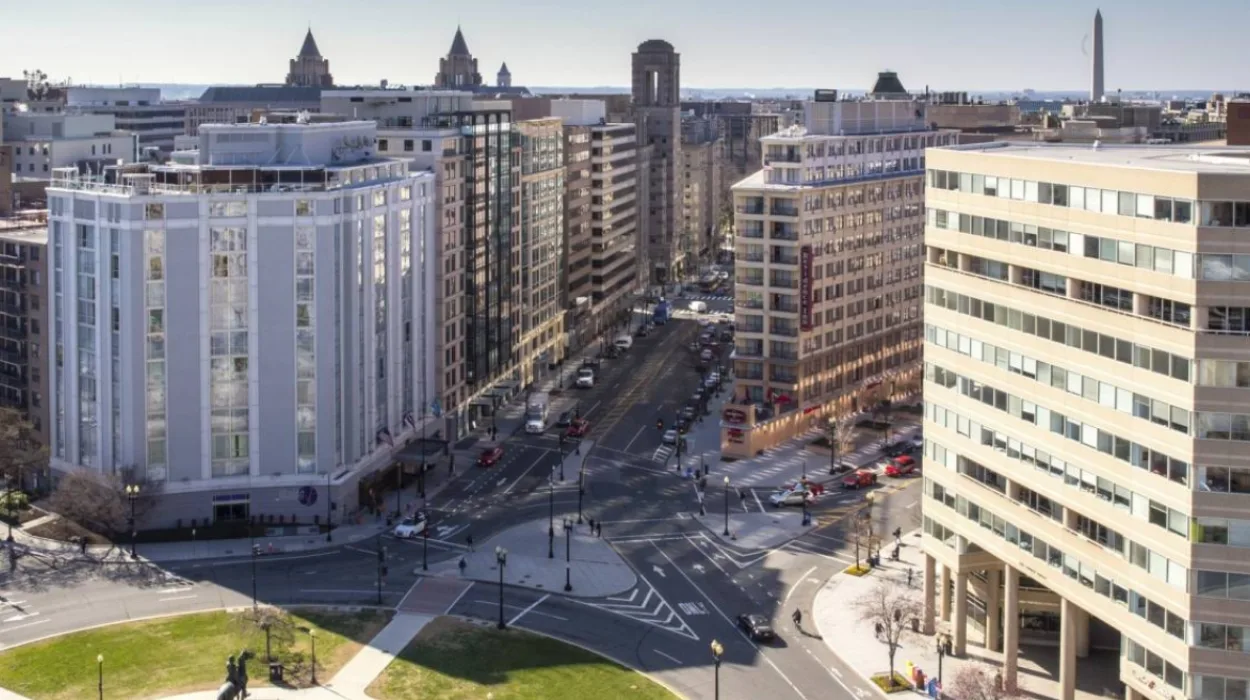
Washington, DC divides into eight wards and 37 official neighborhoods, plus over 100 sub-neighborhoods. These areas offer accommodations from budget hostels at $85 per night to luxury suites exceeding $400 nightly. Selection depends on proximity to the National Mall, public transit access, and local amenities.
- Which DC Neighborhood Suits Budget Travelers?
- What Defines Budget Accommodations Here?
- What Are the Best Mid-Range Neighborhoods in DC?
- How Do Mid-Range Hotels Compare?
- Where Do Luxury Travelers Choose in DC?
- What Amenities Define Luxury Stays?
- Which Neighborhood Fits Families Visiting DC?
- Why Choose Capitol Hill for Kids?
- What Neighborhood Offers Nightlife and Culture?
- Key Venues in These Areas?
- How Does Location Affect DC Stay Costs?
- Cost Breakdown by Type?
- Which Neighborhoods Have Best Transit Access?
Which DC Neighborhood Suits Budget Travelers?
Budget travelers stay in Chinatown or Columbia Heights. These areas provide hostels and mid-range hotels starting at $85 per night. Both locations offer Metro access to the National Mall in under 10 minutes and diverse dining options under $20 per meal. Walkability reduces taxi costs to zero for most attractions.
Chinatown centers around the Verizon Center with Red and Green Metro lines. The neighborhood spans two blocks but connects to Penn Quarter for budget eateries like Madame’s Organ, serving meals at $15. Average hotel rates hit $100 nightly in 2026, per Booking.com data.
Columbia Heights features 11th Street as its commercial core with international cuisine from Ethiopian to Salvadoran restaurants. The Green Line station reaches the White House in 7 minutes. Guesthouses here average $90 per night, drawing young visitors for low costs and cultural diversity.
These neighborhoods cut expenses by 40% compared to Downtown. Public transit covers 90% of tourist sites, minimizing rideshare fees that average $15 per trip citywide.
What Defines Budget Accommodations Here?
Budget options include hostels like HI Washington DC Hostel in Chinatown at $85 nightly and private rooms in Columbia Heights via Airbnb at $90. These provide shared kitchens to save $50 daily on food. Occupancy rates stay above 80% year-round due to Metro proximity.
Processes involve booking via platforms like Booking.com, which lists 10 properties under $150. Guests access free Wi-Fi and laundry, essential for extended stays.
Real-world examples: Arlo Washington DC scores 9.0 on guest ratings for $206, but basement suites drop to $100. Implications include more funds for Smithsonian visits, free for DC residents but $30 otherwise.
What Are the Best Mid-Range Neighborhoods in DC?
Dupont Circle and Logan Circle serve mid-range travelers with hotels from $150 to $250 per night. Both areas feature walkable streets, Metro stations, and attractions like Embassy Row. Dining averages $25 per meal, and nightlife thrives without exceeding budgets.
Dupont Circle, established in the 19th century, surrounds a historic fountain and connects via the Red Line to the National Mall in 5 minutes. The neighborhood hosts the Phillips Collection, America’s first modern art museum founded in 1921. Hotel prices average $180, cheaper than Downtown by 25%.
Logan Circle, revitalized since 2000, centers on its park with Victorian rowhouses. The area offers 14th Street dining, including Etto at $30 entrees. Blue and Orange Line access reaches Capitol Hill in 8 minutes. Mid-range stays like The Darcy hotel run $200 nightly.
Mid-range choices balance cost and convenience, with 70% of guests walking to sites. Historical rowhouses now house boutiques, boosting local economies by $2 billion annually in tourism spend.
How Do Mid-Range Hotels Compare?
Dupont Circle’s Kimpton Hotel Palomar charges $220 with rooftop views, while Logan’s The LINE DC starts at $190 near bars. Both include free bikes, saving $40 daily rentals. Guest ratings exceed 8.5 across 500 reviews.
Mechanisms involve loyalty programs like Kimpton’s, offering free nights after 10 stays. Data shows 60% repeat visitors due to central locations. Implications favor extended trips covering 20+ museums.
Examples: The Avery in nearby Georgetown edges $250 but includes shuttle service. Future relevance grows with 2026 ward investments in public art.
Where Do Luxury Travelers Choose in DC?
Georgetown and Downtown DC attract luxury travelers with suites from $300 to $600 per night. Georgetown provides waterfront views and shopping; Downtown offers White House proximity. Both deliver concierge services and spas, with Metro links to all wards.
Georgetown, founded in 1751 as a tobacco port, lines the Potomac with Federal-style mansions. The neighborhood lacks direct Metro but uses Circulator buses to Foggy Bottom in 10 minutes. Luxury stays like The Rosewood average $450, near M Street boutiques.
Downtown DC spans from the White House to Penn Quarter with 20 hotels over $300. The area hosts the Walter E. Washington Convention Center, drawing 1.8 million visitors yearly. Mandarin Oriental rates $550 with spa access.
Luxury impacts include 24-hour room service and private tours, costing $100 extra but enhancing political site visits. Hotel revenues hit $3.4 billion in 2025.
What Amenities Define Luxury Stays?
Georgetown’s Four Seasons includes pools and Michelin-starred dining at $150 per meal. Downtown’s Willard InterContinental, opened 1818, offers historic suites at $500. Both feature 300-thread-count linens and valuations over 9.0.
Processes use apps for same-day spa bookings. Stats show 85% occupancy from diplomats. Implications: Proximity to 174 embassies on Embassy Row.
Real-world: LUXE Kalorama townhomes near Dupont hit $400 for 5 bedrooms. Future expansions include Wharf developments by 2027.
Which Neighborhood Fits Families Visiting DC?
Capitol Hill suits families with hotels from $200 mid-range and rowhouse rentals at $250. The area offers playgrounds, free Capitol grounds, and Blue/Orange Metro to the Mall in 5 minutes. Safe streets and kid-friendly eateries average $20 per person.
Capitol Hill, planned in 1791 by Pierre L’Enfant, covers 2 square miles around the U.S. Capitol. Eastern Market provides fresh produce Saturdays. Family suites at Phoenix Park Hotel start at $220, including cribs.
The neighborhood’s 130-year-old rowhouses rent via Vrbo for $300 nightly, sleeping 6. Lincoln Park hosts dog runs and statues. Crime rates sit 20% below city average.
Families save via free sites like the Library of Congress, visited by 1.9 million in 2025. Implications: Easy stroller access to 5 miles of Mall paths.
Why Choose Capitol Hill for Kids?
Hotels like Liason Capitol Hill offer pools at $240. Rentals include kitchens, cutting meal costs 50%. Examples: Eastern Market brunches at $15. Data: 40% family bookings here.
Mechanisms: Circulator buses loop free. Future: 2026 playground upgrades fundraised $5 million.
What Neighborhood Offers Nightlife and Culture?
Adams Morgan and U Street deliver nightlife with mid-range hotels at $160 to $220. Adams Morgan pulses with 18th Street bars; U Street hosts jazz clubs. Both Green Line connect to Downtown in 6 minutes, blending music and museums.
Adams Morgan, immigrant hub since 1960s, spans 1 mile with Ethiopian eateries on U Street precursor. Hotels like Adam’s Inn charge $170. Nightlife peaks weekends with 50+ venues.
U Street, Duke Ellington’s corridor from 1900, revived post-1990 riots. 9:30 Club seats 1,200. Hilton Garden Inn rates $200 near Howard Theatre.
Culture draws 500,000 annually, boosting $500 million economy. Implications: Late Metro until 2 a.m. weekends.
Key Venues in These Areas?
Adams Morgan’s Madam’s Organ serves $8 beers. U Street’s Colada Shop offers Cuban coffee. Stats: 70% 20-35 demographic. Examples: Ben’s Chili Bowl, opened 1958.
How Does Location Affect DC Stay Costs?
Location drives costs: Budget Chinatown averages $100 nightly, mid-range Dupont $180, luxury Georgetown $450. Metro proximity saves $30 daily transport; walkable areas cut 40% expenses. Ward 1 offers lowest at 25% below Ward 2 luxury.
DC’s 131-square-mile area splits costs by ward. Ward 6 Capitol Hill mid-range hits $220; Ward 2 Downtown luxury $400. Data: 2025 averages rose 8% citywide.
Walk scores: Dupont 95/100, Georgetown 85/100 via Walk Score. Implications: $200 monthly transit pass covers all.
Cost Breakdown by Type?
| Neighborhood | Budget/Night | Mid-Range/Night | Luxury/Night | Metro Time to Mall |
|---|---|---|---|---|
| Chinatown | $85 | $120 | N/A | 5 min |
| Dupont Circle | N/A | $180 | $300 | 5 min |
| Georgetown | N/A | $250 | $450 | 15 min |
| Capitol Hill | $120 | $220 | $350 | 5 min |
Taxes add 14.5%. Processes: Use DC tax calculator. Future: 2027 hotel fees rise 5%.
Which Neighborhoods Have Best Transit Access?
Foggy Bottom and Cleveland Park excel with Metro direct to Mall in 3-10 minutes. Foggy combines budget $150 with George Washington University; Cleveland Park offers family luxury $300 near National Zoo. Both score 90+ transit grades.
Foggy Bottom’s Blue/Orange lines hit 22 stations. Hotels average $200. Cleveland Park’s Red Line serves suburbs.
Implications: Capital Bikeshare at 5,000 bikes cuts costs. Stats: 700,000 daily riders.
What’s the best area to stay in Washington, DC for first-time visitors?
Most first-time visitors choose Downtown Washington, DC or Dupont Circle because they’re close to the National Mall, major attractions, and Metro lines.