Key Points
- Two Texas men were sentenced in a U.S. federal court in Seattle for a series of ATM ambush robberies.
- Ahmon Rashard Hogg, 22, received nine years in prison.
- His co-defendant, Seth Daquan Coles-Body, 24, was previously sentenced to 10 years.
- The pair carried out a cross-country crime spree targeting ATM repair technicians.
- Their method involved disabling ATMs with glue and ambushing workers sent to fix them.
- U.S. District Judge James L. Robart condemned the violence during sentencing.
- The case was reported by KOMO News, citing court records and prior coverage.
Seattle (Evening Washington News) April 29, 2026 –Two men from Texas have been sentenced to federal prison for carrying out a series of violent ATM ambush robberies across Washington state, according to court proceedings in Seattle, where one of the defendants received a nine-year sentence on Tuesday.
- Key Points
- What happened in the Seattle federal court sentencing?
- How did the ATM ambush robberies take place?
- Who were the victims and what risks did they face?
- What legal consequences did the suspects face?
- What evidence supported the prosecution’s case?
- How did authorities respond to the crime spree?
- Background of the development
- Prediction: How could this development affect ATM service workers and financial institutions?
What happened in the Seattle federal court sentencing?
As reported by KOMO News, Ahmon Rashard Hogg, 22, appeared before U.S. District Court in Seattle, where Judge James L. Robart sentenced him to nine years in prison for his role in the coordinated robberies targeting ATM repair workers.
During the hearing, Judge Robart addressed the severity of the crimes. As reported by KOMO News, he told the court:
“That is violent conduct that we are just not going to be able to tolerate. It’s unfortunate that he’s here, but he needs to be held responsible for what he did.”
The sentencing follows an earlier ruling involving Hogg’s co-defendant, Seth Daquan Coles-Body, 24. According to previous coverage cited by KOMO News, Coles-Body had already received a 10-year prison sentence for his involvement in the same string of robberies.
How did the ATM ambush robberies take place?
According to court records referenced in KOMO News reporting, the two men employed a calculated method to target ATM repair technicians.
Investigators found that the suspects would deliberately sabotage ATMs by inserting glue into the machines, rendering them inoperative.
Once the machines malfunctioned, repair technicians were dispatched to investigate and fix the issue. The suspects would then wait nearby for the technicians to arrive.
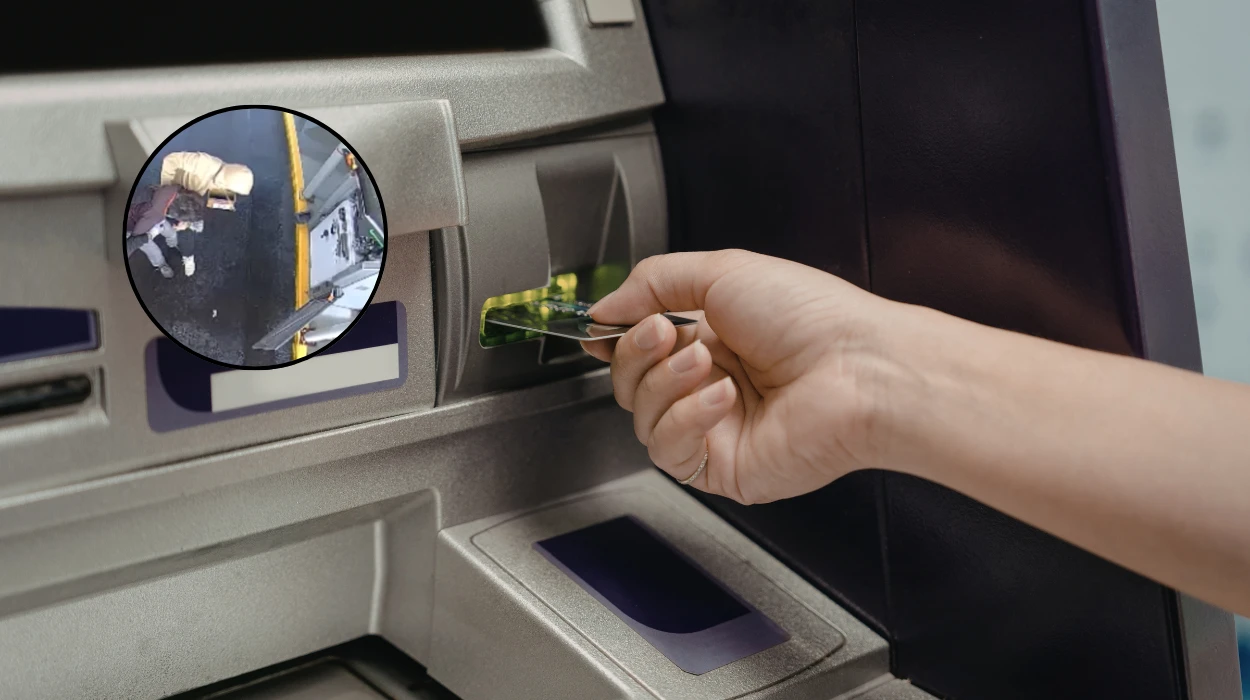
Video evidence presented in court, as cited by KOMO News, showed the men ambushing the repair workers upon arrival. The attackers then stole cash from the machines during these confrontations.
The robberies were described in court documents as part of a broader, organised crime spree that extended across multiple locations, indicating a level of planning and coordination.
Who were the victims and what risks did they face?
The victims in these incidents were primarily ATM repair technicians, who were targeted while performing routine maintenance work.
According to court records cited by KOMO News, these workers were placed in dangerous and unpredictable situations, as they were unaware they were being lured into an ambush.
The use of force during the robberies elevated the severity of the crimes. While specific details about injuries were not fully outlined in the available report, the court characterised the acts as violent, underscoring the risk posed to the victims.
Judge Robart’s remarks during sentencing highlighted concerns about the safety of workers in such roles, particularly when criminal tactics involve premeditated ambushes.
What legal consequences did the suspects face?
Both defendants faced federal charges due to the nature of the crimes, which involved interstate activity and targeted financial infrastructure.
According to KOMO News, federal prosecutors pursued the case in the U.S. District Court in Seattle.
Ahmon Rashard Hogg’s nine-year sentence reflects the court’s assessment of his role in the offences. His co-defendant, Seth Daquan Coles-Body, received a longer sentence of 10 years, as noted in earlier reporting referenced by KOMO News.
The sentencing outcomes indicate that the court treated the crimes as serious federal offences involving violence and premeditation.
What evidence supported the prosecution’s case?
The prosecution relied on a combination of video footage and court records to establish the defendants’ involvement in the robberies.
As reported by KOMO News, video evidence captured the ambushes, showing the suspects targeting repair technicians and removing cash from ATMs.
Court documents further detailed the method used by the suspects, including the use of glue to disable machines and the timing of the attacks.
This evidence contributed to the court’s findings and ultimately to the sentencing decisions.
How did authorities respond to the crime spree?
While the report does not detail the full scope of the investigation, the successful prosecution in federal court indicates coordination between law enforcement agencies. The cross-country nature of the crimes suggests that multiple jurisdictions may have been involved in tracking and apprehending the suspects.
The federal court proceedings in Seattle served as the central venue for adjudicating the case, reflecting the seriousness and scale of the offences.
Background of the development
The case forms part of a broader pattern of crimes targeting financial infrastructure, particularly ATMs, which are often serviced by technicians working alone or in small teams. According to previous reporting by KOMO News, such crimes have drawn increased attention from law enforcement due to the vulnerability of workers and the potential for violence.
The method used in this case—disabling machines to lure technicians—has been noted in past incidents as a tactic that combines technical sabotage with opportunistic robbery. Federal authorities have increasingly treated such offences as serious crimes due to their organised nature and the risks posed to individuals.
The earlier sentencing of Seth Daquan Coles-Body, referenced in KOMO News coverage, established the legal framework for handling the case, with both defendants ultimately held accountable in federal court.
Prediction: How could this development affect ATM service workers and financial institutions?
The sentencing of the two suspects may influence safety protocols for ATM maintenance and repair operations. Financial institutions and service providers could reassess procedures to reduce risks to technicians, such as implementing additional verification steps before dispatching workers or increasing security measures during service visits.
For ATM service workers, the case highlights the potential dangers associated with routine assignments, particularly when dealing with malfunction reports. Employers may respond by introducing enhanced training, communication systems, or escort arrangements in higher-risk areas.
From a broader perspective, the case reinforces the role of federal enforcement in addressing crimes that target financial systems and involve coordinated tactics. This could lead to increased monitoring and preventative measures aimed at deterring similar incidents in the future.