Key Points
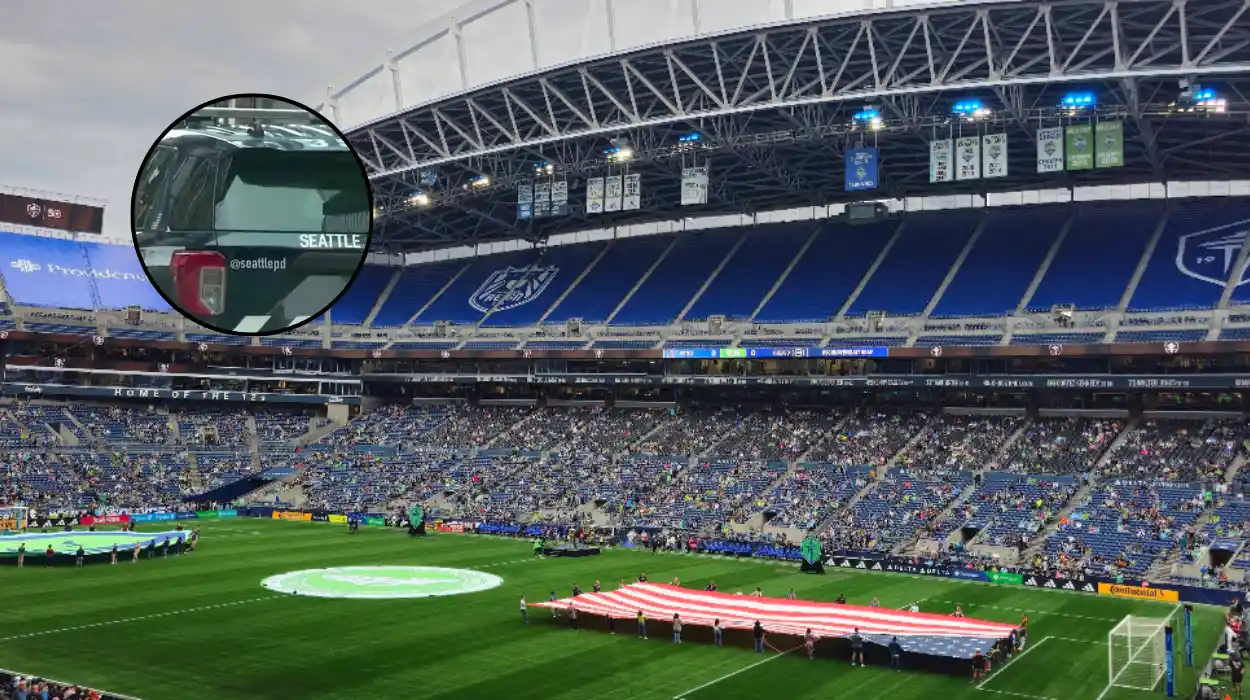
- The FIFA World Cup kicks off at Lumen Field in Seattle on June 15, 2026, drawing fans from 180 countries.
- Seattle Police Officers Guild (SPOG) President Kent Loux warns that open-air drug markets, graffiti, vacant storefronts, and crime blight downtown Seattle, potentially shocking international visitors.
- SPD has mutual aid, crowd management frameworks, and staffing plans ready for the event, but lacks solutions for pervasive drug markets and urban decay.
- King County Jail frequently declines bookings on medical grounds, forcing officers to transport arrestees to hospitals like Harborview, tying up resources and officers.
- Downtown Seattle businesses continue to close amid rising crime and blight, which Loux attributes to years of graffiti increase and failed enforcement.
- City officials have blamed external factors like former President Trump for downgraded World Cup tourism projections, rather than addressing local issues such as vacant storefronts and a broken jail system.
- Seattle City Attorney faced scrutiny this week after struggling with basic enforcement questions.
- Officers remain committed to arrests but face systemic obstacles, described by Loux as “spinning their wheels.”
Seattle (Evening Washington News) April 22, 2026 –Seattle’s preparations for the FIFA World Cup opener at Lumen Field on June 15 face stark warnings from police leadership about rampant open-air drug markets and crime that could confront arriving fans. SPOG President Kent Loux highlighted how downtown blight, including vacant storefronts and graffiti, has worsened over years, filling voids left by shuttered businesses.
- Key Points
- What Challenges Do Open-Air Drug Markets Pose for World Cup Fans in Seattle?
- Why Is King County Jail Turning Away Arrests During World Cup Preparations?
- How Has Downtown Seattle’s Business Landscape Changed Ahead of the World Cup?
- What Preparations Has Seattle Police Made for the World Cup Despite Crime Concerns?
- Why Are Seattle Officers ‘Spinning Their Wheels’ on Drug Enforcement?
- Background of the Development
- Prediction: How This Development Can Affect World Cup Fans
What Challenges Do Open-Air Drug Markets Pose for World Cup Fans in Seattle?
As reported by Jason Rantz of Seattle Red on The Jason Rantz Show on Seattle Red 770 AM, SPOG President Kent Loux stated:
“I don’t know how we’re going to necessarily move the open air drug markets and stuff.”
Loux described scenes of congestion around areas where businesses have vacated, noting:
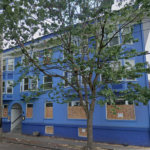
“where a lot of this is congregating is where these businesses have gone. There’s vacant storefronts. There’s graffiti. You’ve seen it over the number of years, last several years. The graffiti has increased tremendously, and this is just adding to the blight of the city.”
Loux emphasised that fans from 180 countries will encounter these conditions en route to Lumen Field.
The Seattle Police Department (SPD) maintains readiness through mutual aid agreements, crowd management frameworks, and staffing plans for the massive international event. However, Loux pointed to deeper systemic failures beyond crowd control.
Why Is King County Jail Turning Away Arrests During World Cup Preparations?
A key bottleneck lies with King County Jail, which routinely declines bookings on medical grounds. Officers making drug-related arrests often face rejection at the jail’s front door, leading to extended transports to Harborview Medical Center or other hospitals. As noted by Loux on The Jason Rantz Show, as reported by Jason Rantz of Seattle Red:
“Officers are making arrests and they’re doing the work, but they are spinning their wheels a bit. We are running into significant problems with King County Jail and medical declines. Officers are bringing people there and getting declined, and then we have to take them up to Harborview or another hospital, and then, depending on the level of crime, we’ve got to determine whether or not we have the staffing to sit on them for hours at a hospital.”
This process stretches thin staffing further, with officers potentially sidelined for hours. Loux clarified that SPD officers remain proactive in enforcement but encounter these repeated hurdles.
How Has Downtown Seattle’s Business Landscape Changed Ahead of the World Cup?
Downtown Seattle has seen a wave of business closures, which Loux links directly to the rise of open-air drug markets.
The resulting vacant storefronts and escalating graffiti contribute to urban decay, a trend observed over recent years. Coverage in Seattle Red by Jason Rantz details how the city has shifted focus, with officials blaming Trump for downgraded World Cup tourism projections instead of tackling local issues like the jail system’s breakdowns and enforcement gaps.
This week, Seattle City Attorney Ann Davison faced public questioning on basic enforcement matters, reportedly struggling in her responses, as covered in related Seattle Red reporting. Such incidents underscore ongoing debates over the city’s approach to public safety.
What Preparations Has Seattle Police Made for the World Cup Despite Crime Concerns?
Loux affirmed SPD’s commitment, stating the department possesses the necessary mutual aid, crowd management frameworks, and staffing plans to manage the influx of World Cup visitors. The challenge, he reiterated, centres not on event-day logistics but on the pre-existing environment fans must navigate.
“The department has the mutual aid, the crowd management framework, and the staffing plan to handle a massive international event,”
Loux said on The Jason Rantz Show, per Jason Rantz of Seattle Red.
“What it doesn’t have is an answer for what fans from 180 countries are going to walk through to get there.”
SPD officers continue arrests amid these constraints, though resource diversion hampers efficiency. Loux watched downtown Seattle
“lose business after business while the open-air drug market filled the vacuum,”
as quoted in the Seattle Red segment.
Why Are Seattle Officers ‘Spinning Their Wheels’ on Drug Enforcement?
The phrase “spinning their wheels” captures the frustration Loux expressed regarding jail and hospital protocols. Post-arrest transports drain manpower, especially when staffing levels limit bedside monitoring for serious cases. King County Jail’s medical declines force reroutes, extending response times across the city.
This dynamic persists as the World Cup approaches, with no immediate resolution outlined. Loux’s comments on The Jason Rantz Show provide the primary account, with Seattle Red‘s Jason Rantz attributing the full context of downtown decline to years of unchecked graffiti and business exodus.
Background of the Development
The open-air drug markets and related crime in downtown Seattle trace back to policy shifts in the early 2020s, including reduced prosecutions under prior city attorneys and jail capacity strains from medical screening protocols introduced amid the COVID-19 pandemic. King County Jail’s booking declines became routine by 2022, as documented in Washington State Department of Corrections reports, leading to hospital diversions that burden SPD resources. Business closures accelerated post-2020, with Seattle’s Downtown Seattle Association noting over 100 storefront vacancies by 2025 due to theft, vandalism, and safety fears.
Graffiti proliferation correlates with enforcement lapses, per SPD annual crime statistics showing a 40% rise from 2020 to 2025. The World Cup selection for Lumen Field was confirmed in 2022 as part of the 2026 FIFA tournament across North American venues, heightening scrutiny on host city conditions. Loux’s role as SPOG president since 2021 positions him as a vocal advocate for officer welfare amid these trends. Recent city attorney scrutiny stems from a April 2026 public forum where enforcement queries arose, as reported in local outlets.
Prediction: How This Development Can Affect World Cup Fans
This development can affect World Cup fans by exposing them to visible drug activity, graffiti-covered streets, and vacant properties upon arrival in downtown Seattle, potentially creating unease during transit to Lumen Field. Fans from 180 countries may encounter arrest scenes or hospital transports tied to enforcement efforts, diverting police presence from tourist areas. Reduced business viability could limit dining and shopping options, while jail bottlenecks might slow responses to fan-related incidents. International visitors could perceive heightened disorder, influencing personal safety perceptions and event experiences. Repeat visits or tourism beyond the match might decline if blight persists, impacting local economic gains from the June 15 kickoff.