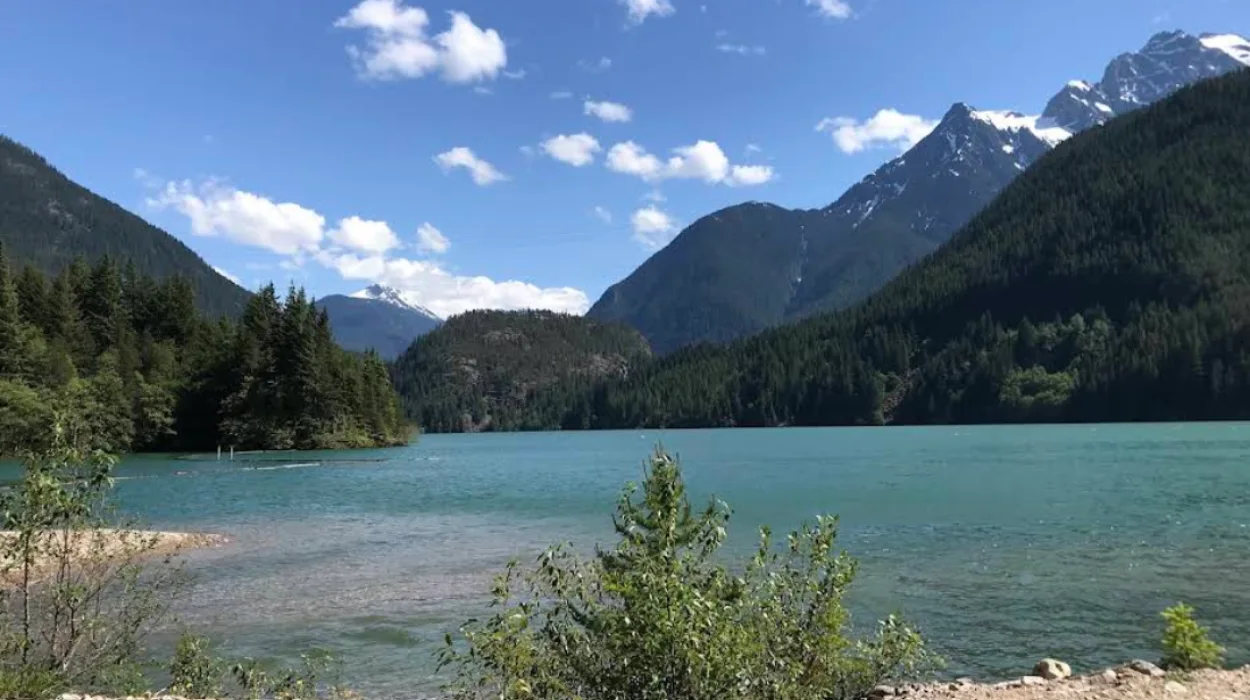
Diablo Lake is a man-made reservoir in Washington’s North Cascades National Park, famous for its electric turquoise water caused by glacial flour. The Diablo Lake Overlook on Highway 20 (milepost 132) provides the most accessible, panoramic viewpoint with panoramic views of turquoise waters and alpine mountains. This guide covers every viewpoint, the science behind the color, hiking trails, boat tours, and practical visiting information for Washington travelers.
- What Is Diablo Lake and Why Is the Water Turquoise?
- Where Is the Best Viewpoint for Diablo Lake Turquoise Water?
- How Do You Get to Diablo Lake Overlook from Seattle?
- What Hiking Trails Offer Diablo Lake Views and Access?
- When Is the Best Time to Visit Diablo Lake for Turquoise Water?
- What Activities Can You Do at Diablo Lake Beyond Viewing?
- Why Does Diablo Lake Matter for Washington State and Seattle?
What Is Diablo Lake and Why Is the Water Turquoise?
Diablo Lake is a 530-acre reservoir created by Diablo Dam in 1917, with turquoise color from glacial flour—fine rock particles suspended in glacial meltwater. The lake lies within North Cascades National Park Service Complex at 1,190 feet elevation, surrounded by peaks including Davis Peak and Colonial Glacier.
Glacial flour consists of microscopic rock grains ground by glaciers moving over bedrock. When this flour enters the lake, it scatters sunlight, reflecting blue-green wavelengths and creating the signature turquoise hue. This phenomenon occurs in glacial-fed lakes worldwide but is exceptionally vivid at Diablo Lake due to high sediment concentration from Colonial Glacier and surrounding peaks.
The lake’s color changes seasonally. Summer months (June–September) show the brightest turquoise when glacial melt peaks. Spring runoff may make water appear lighter blue, while winter snow cover reduces visibility. Water clarity remains high year-round because the reservoir lacks significant organic matter that typically causes green tinting in other lakes.
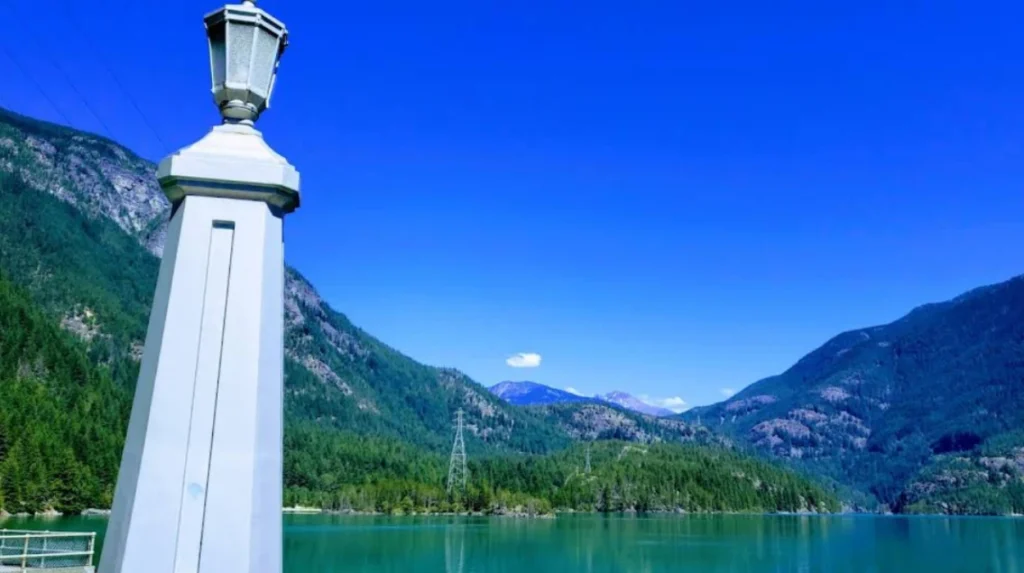
Diablo Dam is a 271-foot concrete arch-gravity dam operated by Seattle City Light. The dam generates 52 megawatts of hydroelectric power, supplying approximately 15% of Seattle’s electricity needs. The reservoir’s water level fluctuates up to 165 feet seasonally based on power generation demands and rainfall patterns.
Where Is the Best Viewpoint for Diablo Lake Turquoise Water?
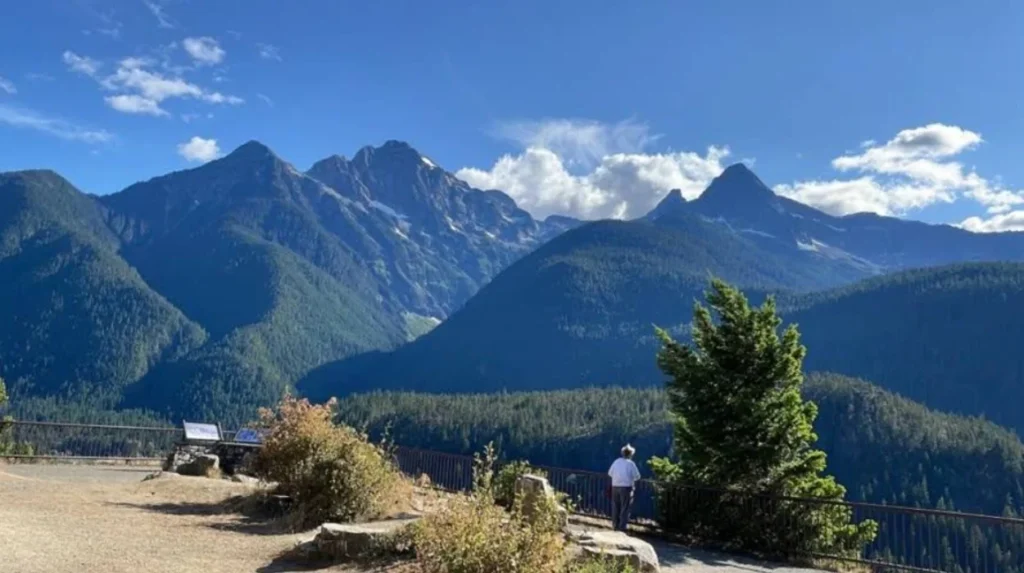
The Diablo Lake Overlook at milepost 132 on Highway 20 is the best viewpoint, offering 0.2-mile accessible walk with panoramic views of turquoise water, Davis Peak, and Colonial Glacier. This universally-accessible trail features paved paths and railings, making it suitable for all visitors including those with mobility challenges.
The overlook has two distinct viewing sections. The eastern section provides initial glimpses of turquoise water and alpine peaks within feet of the parking lot. The western section delivers the most stunning views, framing the lake against Davis Peak and Colonial Glacier’s surrounding alpine peaks. Visitors report unforgettable views with Diablo Dam visible in the distance and kayakers on the water.
Parking is available at the designated overlook lot with capacity for approximately 20 vehicles. The lot fills quickly during summer weekends (July–August), arriving before 9 AM or after 4 PM ensures parking availability. Restrooms are available at the overlook during open season (typically late May through October).
Diablo Lake Vista Point is the official designation for this location. The coordinates are approximately 48.7089°N, 121.1156°W. Highway 20 (North Cascades Highway) is the only road accessing this viewpoint, and it closes seasonally due to snow (typically November–April).
How Do You Get to Diablo Lake Overlook from Seattle?
Drive 2.5 hours (approximately 120 miles) north from Seattle via Interstate 5 and Highway 20, turning east at Burlington and following signs to North Cascades National Park. The route passes through Mount Vernon, Marblemount, and Diablo before reaching milepost 132 where the overlook sits.
From Seattle, take Interstate 5 north to Exit 226 for WA-20 east toward Winthrop. Continue on Highway 20 for approximately 95 miles through the Skagit Valley. Pass through the town of Newhalem (Seattle City Light headquarters) and Diablo (small historic town). The overlook appears on the right side at milepost 132, marked by brown national park signage.
Total driving distance is 118–122 miles depending on starting point in Seattle. Average travel time is 2 hours 30 minutes without stops, but allow 3–3.5 hours with traffic and scenic stops. Gas stations are limited along Highway 20; fill up in Burlington or Concrete before entering the mountain section.
Highway 20 closes seasonally due to snow accumulation. The road typically opens in late April or early May and closes in November. Check Washington State Department of Transportation (WSDOT) for current road conditions before traveling. Summer is the only reliable season for full access, with peak conditions from June through September.
Alternative routes do not exist. Highway 20 is the sole road crossing the North Cascades. No public transportation reaches Diablo Lake Overlook. Visitors must drive or join guided tours from Seattle that include transportation.
What Hiking Trails Offer Diablo Lake Views and Access?
Thunder Knob Trail is the primary hiking trail, a 3.6-mile round-trip hike with 675 feet elevation gain starting at Colonial Creek North Campground (milepost 130), offering close-up lake views and panoramic vistas from the summit. The trailhead is 2 miles south of the overlook.
Thunder Knob Trail (sometimes called Thunder Notch Trail) climbs through dense forest before emerging above treeline with sweeping views of Diablo Lake’s turquoise surface. The summit provides 360-degree panoramas including Ross Lake to the north and Diablo Dam to the south. Hikers report seeing wildlife including marmots, Pikas, and occasionally black bears.
The Diablo Lake Trail is a more strenuous option at 7 miles round-trip (3.5 miles each direction). This trail descends to actual lakeshore access, allowing swimming andKayaking launches. The trailhead is at Colonial Creek Campground. A 10-mile alternative route exists via the Cascade River Trail, but requires advanced planning and permits.
A short ferry ride across Diablo Lake reduces hiking distance by half. The National Park Service operates a cute little ferry for $10 cash on Diablo Lake, running during summer months (typically June–September). The ferry departs from near the campground and reaches the opposite shore in approximately 15 minutes.
Skagit Tour teams offer guided boat tours on Diablo Lake for $40–$45 per person, including lunch. These tours provide commentary on geology, history, and ecology while accessing viewpoints unreachable by trail. Tours operate daily from July through mid-September, weather permitting.
Trail conditions vary seasonally. Summer trails are dry and well-maintained. Spring trails may have lingering snow patches above 2,000 feet elevation. Fall trails feature vibrant foliage with alpine meadows turning gold. Winter hiking is not recommended due to snow, ice, and limited daylight.
When Is the Best Time to Visit Diablo Lake for Turquoise Water?
Visit Diablo Lake between mid-June and mid-September for the brightest turquoise water, coolest temperatures, and fully open facilities, with July and August offering peak conditions. Glacial melt peaks during these months, maximizing glacial flour concentration and color intensity.
Month-by-month breakdown shows distinct seasonal characteristics:
- June: Highway 20 typically opens late May or early June. Water color is brightening but may not reach peak intensity. Wildflowers bloom in alpine meadows. Temperatures range 65–75°F. Crowds are moderate.
- July: Peak turquoise color as glacial melt accelerates. Water temperature reaches 55–60°F. Temperatures range 70–80°F. Crowds increase significantly on weekends. All facilities open.
- August: Continued peak color with warmest temperatures (75–85°F). Water remains clear. Crowds peak during summer vacation period. Best overall conditions for photography and hiking.
- September: Color remains vibrant through mid-month. Temperatures cool to 60–70°F. Crowds decrease after Labor Day. Fall foliage begins appearing in lower elevations. Ferry and boat tours end mid- to late-September.
- October: Highway 20 may close anytime due to first snowstorms. Water color fades as melt decreases. Facilities begin closing. Not recommended for first-time visitors.
- November–April: Highway 20 closed. No access to overlook. Winter snow accumulation exceeds 20 feet at elevation.
Weekday visits (Tuesday–Thursday) offer significantly fewer crowds than weekends. Morning visits (before 10 AM) provide best lighting for photography with sun illuminating the lake from the east. Afternoon light creates harsh shadows. Sunset photography is limited due to western mountain obstruction.
What Activities Can You Do at Diablo Lake Beyond Viewing?
Kayaking, swimming, camping, fishing, and boat tours are the primary activities at Diablo Lake, with no motorized boats allowed to preserve water quality and scenic values. The reservoir supports recreational fishing for trout and kokanee salmon.
Kayaking and canoeing are popular on Diablo Lake. Non-motorized craft launch from designated areas near Colonial Creek Campground. Kayakers report calm morning waters ideal for paddle trips exploring coves and shoreline. Kayak rentals are available through nearby outfitters in Marblehead and Concrete, approximately 30–40 minutes away.
Swimming is permitted but water remains cold year-round (50–60°F even in summer). Most swimmers use designated swimming areas near the campground. Wetsuits are recommended for extended water time. No lifeguards are on duty; swimming is at your own risk.
Camping is available at Colonial Creek North and South Campgrounds, operated by the National Park Service. North Campground is closest to Thunder Knob Trailhead (milepost 130). Sites cost $20–$30 per night. Reservations are recommended for summer months and can be made through Recreation.gov. The campgrounds offer 150+ sites with picnic tables, fire rings, and vault toilets. Flush toilets and showers are available at South Campground.
Fishing opportunities include rainbow trout, brown trout, and kokanee salmon. Washington state fishing license is required. No boat motor restrictions apply to non-motorized craft. Catch-and-release is encouraged for all species. Fishing season runs year-round but is most productive June–September.
Boat tours through Skagit Tour teams provide guided exploration with educational commentary. Tours cost $40–$45 including lunch and operate daily July through mid-September. The tours access secluded coves and provide telescope views of wildlife and geological features.
Photography is exceptional throughout the day but黄金 hour (just after sunrise and before sunset) provides optimal lighting. Wide-angle lenses capture the full lake expanse. Telephoto lenses (200mm+) isolate distant peaks and wildlife. Tripods are recommended for sunrise/sunset shots.
Why Does Diablo Lake Matter for Washington State and Seattle?
Diablo Lake matters because it supplies 15% of Seattle’s electricity through Seattle City Light’s hydroelectric system while providing iconic recreation and scenic value in North Cascades National Park. The reservoir demonstrates renewable energy production alongside conservation.
Seattle City Light operates the Skagit River Hydroelectric Project, consisting of three dams: Gorge Dam (1924), Diablo Dam (1917), and Ross Dam (1949). Combined, these projects generate 52 megawatts at Diablo alone, enough power for approximately 100,000 homes. The project is entirely publicly owned, keeping electricity rates below national averages.
The hydroelectric project shaped Northwestern environmental policy. In the 1960s, activists successfully prevented construction of additional dams that would have flooded deeper valleys within what became North Cascades National Park. This compromise created the current park boundaries balancing energy needs with wilderness preservation.
Diablo Lake’s cultural significance extends beyond electricity. The lake appears in countless photographs, travel guides, and social media posts as one of Washington’s most recognizable natural landmarks. It represents the intersection of human engineering and natural beauty, where concrete infrastructure coexists with pristine alpine wilderness.
Economic impact includes tourism revenue for Skagit County and surrounding communities. Annual visitors to Diablo Lake Overlook exceed 200,000. Local businesses in Concrete, Marblehead, and Newhalem benefit from visitor spending on fuel, food, lodging, and outdoor equipment. The North Cascades Highway (Highway 20) generates approximately $100 million annually in tourism revenue.
Climate change impacts Diablo Lake’s future. Reduced snowpack and earlier spring melt may decrease glacial flour concentration, potentially lightening water color. Rising temperatures could alter ecosystems supporting fish populations. Seattle City Light adjusts water management strategies annually based on precipitation forecasts and power demand.
Preservation efforts continue through the National Park Service and Seattle City Light partnership. Trail maintenance, visitor education, and wildlife monitoring ensure sustainable recreation. The lake remains a model for balancing renewable energy production with wilderness protection and public access.
Diablo Lake Washington Guide: Turquoise Water Viewpoints delivers comprehensive information for visitors seeking the iconic turquoise waters of North Cascades National Park. The Diablo Lake Overlook provides unparalleled access, Thunder Knob Trail offers active exploration, and seasonal timing determines water color intensity. Whether driving from Seattle, camping overnight, or taking guided boat tours, visitors experience one of Washington’s most photogenic natural wonders while supporting sustainable hydroelectric power for 100,000 homes.
What is Diablo Lake?
Diablo Lake is a 530-acre reservoir located within North Cascades National Park, known for its striking turquoise water, mountain scenery, and recreational opportunities.