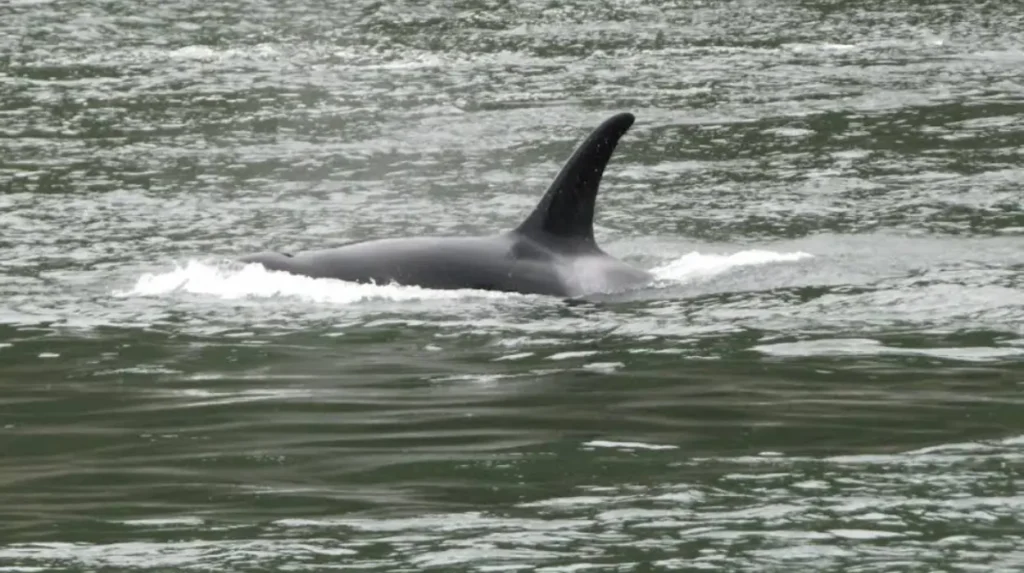
The San Juan Islands offer the best place in the United States to see orca whales in their natural habitat, with peak wildlife viewing from April through October. Located at the intersection of the Strait of Georgia and Strait of Juan de Fuca in Washington’s Salish Sea, this archipelago of 124 named islands supports critically endangered Southern Resident orcas, transient Bigg’s orcas, humpback whales, harbor seals, Steller sea lions, and over 200 bird species including the nation’s highest concentration of bald eagles.
- What Wildlife Can You See in the San Juan Islands?
- When Is the Best Time for Wildlife Viewing in San Juan Islands?
- Where Are the Best Locations for Wildlife Viewing in San Juan Islands?
- How Do You View Wildlife in San Juan Islands: Boat Tours vs Shore Viewing?
- What Wildlife Viewing Regulations Apply in San Juan Islands?
- What Types of Whale Watching Tours Operate in San Juan Islands?
- Why Are Southern Resident Orcas Critically Endangered in San Juan Islands?
- What Conservation Efforts Protect San Juan Islands Wildlife?
- How Much Does Wildlife Viewing Cost in San Juan Islands?
- What Should You Bring for Wildlife Viewing in San Juan Islands?
- How Do You Get to San Juan Islands for Wildlife Viewing?
What Wildlife Can You See in the San Juan Islands?
The San Juan Islands host five whale species, multiple pinniped species, and 200+ bird species. Orcas, humpbacks, and minke whales are the primary marine mammals, while harbor seals, Steller sea lions, and river otters frequent shoreline rocks.
Five whale species ply these waters: Southern Resident orcas (J, K, and L pods), transient Bigg’s orcas, humpback whales, minke whales, and occasional gray whales. Southern Resident Orcas have been listed as an endangered species since 2005. Before 2002, humpbacks had not been seen in this area for over 60 years due to near-extinction from hunting; conservation efforts and endangered species status now support a regular and growing population returning to the Salish Sea.
Pinnipeds are equally abundant. Harbor seals haul out ubiquitously on rocks along the shoreline. Steller sea lions, the largest sea lion species in the North Pacific, growl like bears as they crawl over resting groups to reach favorite napping spots. River otters (Lontra canadensis) swim and hunt in salt water throughout the archipelago, though permanent sea otters (Enhydra lutris) do not exist in the Islands. Scientists theorize river otters introduced brittle prickly-pear cactus to the San Juans by transporting quills in their fur from Eastern Oregon rivers.
Birdlife includes more bald eagles than anywhere else in the country. Visitors regularly encounter great blue herons, black oyster catchers, peregrine falcons, double-crested cormorants, and pelagic cormorants. Rare diving bird species include rhinoceros auklets and pigeon guillemots nesting on refuge islands. Additional species include trumpeter swans, Canada geese, tufted puffins, brants, and marbled murrelets.
Other marine mammals include Dall’s porpoises, elephant seals, and river otters. The San Juan Islands National Wildlife Refuge, set aside in 1960, protects habitat for these migratory birds and marine mammals across rocks, reefs, and islands.
When Is the Best Time for Wildlife Viewing in San Juan Islands?
Peak wildlife viewing occurs April through October, with May through September as the strongest window. Late May–June and September offer optimal conditions with lighter crowds. Humpback whales are most common August–October.
Though whales can be seen year-round, the best months are April through October, especially for orcas. The broad safe season runs April through October, with May through September as the strongest all-around window for most travelers. Late spring through early fall represents the best overall window.
Late May–June and September can be especially rewarding because ocean conditions are often good and crowds are lighter than peak summer. Peak whale-watching time specifically runs mid-May through mid-September. Humpback whales are most commonly seen from August through October.
Weather patterns support these timing recommendations. Summer months provide clearer skies and calmer waters, improving both visibility and tour comfort. Spring and fall months offer reduced visitor density while maintaining reliable wildlife activity as salmon runs draw whales through the archipelago.
Southern Resident orcas (J, K, and L pods) frequent nearby waters from May to September, often coming spectacularly close to shore at viewing sites like Lime Kiln State Park. Bigg’s (transient) orcas hunt year-round but are consistently observable during summer months when prey species are abundant.
Where Are the Best Locations for Wildlife Viewing in San Juan Islands?
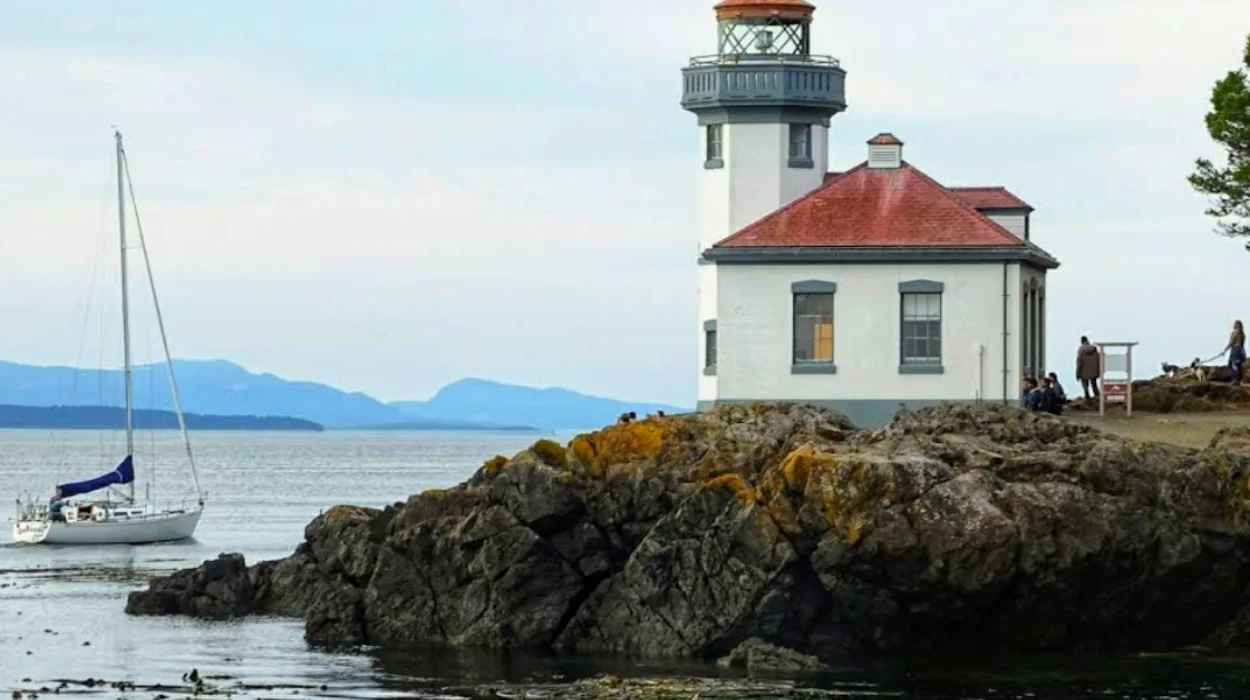
Lime Kiln Point State Park on San Juan Island’s west coast is the premier shore-viewing location, nicknamed “Whale Watch Park.” Lopez Island’s Shark Reef Sanctuary ranks as the best wildlife viewing site in all San Juan Islands. Friday Harbor offers multiple boat tour departures.
Lime Kiln Point State Park is one of the best places in the world to watch whales from shore. Officially nicknamed “Whale Watch Park,” this 3.6-acre day-use park sits on San Juan Island’s west coast abutting Haro Strait. Three pods of Southern Resident orcas frequent nearby waters from May to September and often come spectacularly close to shore. To reach the park, drive 1997 Mitchell Bay Rd toward Bailer Hill Road, continuing approximately 7 miles to the destination.
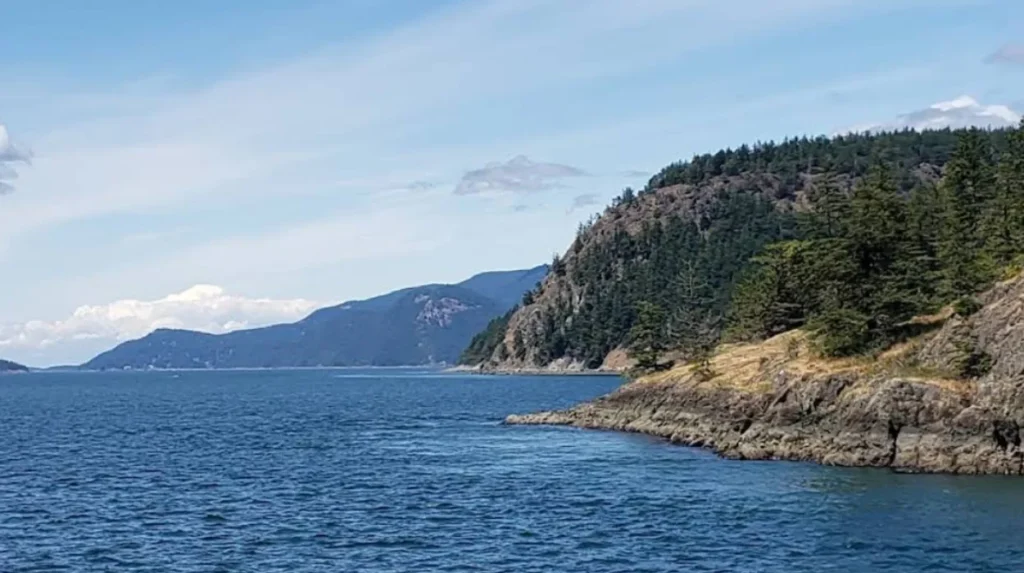
The west side of San Juan Island, overlooking Haro Strait, contains some of the best shore whale-viewing spots. In addition to Lime Kiln Point, the Westside Scenic Preserve offers panoramic Haro Strait views from high rocky bluffs.
Lopez Island is one of the finest wildlife viewing destinations in Washington State. Shark Reef Sanctuary, located on the island’s southwest tip, is widely regarded as one of the best wildlife viewing sites in all of the San Juan Islands. The waters surrounding Lopez Island are part of critical habitat for endangered Southern Resident orca whales, with shore sightings possible from western and southern coastlines during summer and fall when orcas follow salmon runs through San Juan Channel and Rosario Strait.
Fisherman Bay on Lopez Island serves as a protected tidal lagoon and primary marina, popular for kayaking and birdwatching. The south side of Lopez is dotted with national wildlife refuge islands—Fortress Island, Skull Island, and Crab Island—where kayak silence allows shoreline habitat and nesting bird viewing without disturbance.
Friday Harbor on San Juan Island serves as the main tour departure point. Five whale watching tour companies operate from various San Juan Islands, with multiple operators concentrated in Friday Harbor. Western Prince Whale Watching, San Juan Excursions, San Juan Safaris, Spirit of Orca, and Western Prince all depart from Friday Harbor locations.
How Do You View Wildlife in San Juan Islands: Boat Tours vs Shore Viewing?
Boat tours provide 3-4 hour excursions from Friday Harbor covering protected waters north of Seattle, with operators offering naturalist guides and 7-passenger intimate vessels. Shore viewing at Lime Kiln Point and Lopez Island offers free access but no whale guarantees. Most operators provide free or discounted re-ticketing if whales aren’t seen.
Full-day and classic whale watch wildlife tours depart from Friday Harbor, spending 3-4 hours on the water. San Juan Island Whale and Wildlife Tours cruise among the islands in 7-passenger vessels watching for orcas, seals, and marine wildlife. Western Prince Whale Watching & Wildlife Tours explores protected waters north of Seattle from scenic Friday Harbor, 90 miles north of Seattle.
Tour costs from Bellingham include adults at $129, youth (6-17) at $64.50, and kids under 6 free. From Bellingham, the cost structure remains consistent across operators. Private sailing options include half-day tours (6 people) at $750 for 4 hours and full-day tours (6 people) at $1,100 for 7 hours.
Most operators offer a free or discounted ticket to go again if whales aren’t seen on a tour. This guarantee applies across major operators including San Juan Safaris and Western Prince.
Shore viewing requires no cost but provides no guarantees. Lime Kiln Point State Park offers free day access. Visitors cannot come closer than 200 yards to protected rocks and islands within the refuge, but excellent observation opportunities exist offshore. Options to watch wildlife from land exist on trails of Matia and Turn Islands within the refuge. Otherwise, visitors observe wildlife on all other refuge islands by boat while maintaining a 200-yard buffer from shoreline.
Kayaking on Lopez Island provides silent approach to shoreline habitat and nesting birds without disturbance. Paddle options include self-guided kayaking or guided outfitters offering three-hour to three-day experiences on San Juan, Orcas, or Lopez Island.
What Wildlife Viewing Regulations Apply in San Juan Islands?
Visitors must maintain 200 yards from refuge island shorelines except Matia and Turn Islands. Artificial light for wildlife viewing is prohibited. No person may take animals or plants on national wildlife refuge without special permit. Spotlights and electronic instruments for low-light wildlife detection are banned.
The San Juan Islands National Wildlife Refuge consists of small wilderness islands whose fragile habitats are closed to human activities, enforced by a 200-yard offshore buffer zone. Visitors must maintain a 200-yard buffer from the shoreline of every island except Matia and Turn Islands. No person shall take any animal or plant on any national wildlife refuge except as authorized.
Disturbing, injuring, spearing, poisoning, destroying, or collecting any plant or animal on any national wildlife refuge is prohibited except by special permit. The use of artificial light for purposes of viewing wildlife is prohibited in all areas of San Juan Island National Historical Park. Spotlights, thermograph instruments, electronic instruments, chemical tagging, or any means intended to artificially enhance wildlife viewing, detection, or monitoring in low-light conditions are prohibited.
Fishing is prohibited from every island except Turn Island. Turn Island is the only island within San Juan Islands NWR open for fishing and is accessible only by boat. Shoreline fishing is allowed from the public use area of Turn Island.
Littering, disposing of garbage, sewage, sludge, earth, rocks, or debris is prohibited except at designated locations. Draining or dumping oil, acids, pesticide wastes, poisons, or chemical wastes in refuge waters is prohibited.
To reduce wildlife disturbance impacts, stay within areas open to public use and practice Leave No Trace by disposing of fishing line and waste appropriately. Recreation in the refuge is limited to wildlife watching from afar, with boaters requested to stay 200 yards from wilderness when observing.
What Types of Whale Watching Tours Operate in San Juan Islands?
Five major operators offer classic 3-4 hour whale watch wildlife tours, full-day safaris, intimate 7-passenger vessels, and private charters. Departures occur from Friday Harbor Front Street locations and west-side Snug Harbor Marina.
San Juan Safaris operates from 10 Front Street, Suite 102, Friday Harbor, with all tours departing from 2 Spring Street Landing. Contact: 1-800-450-6858 or fun@sanjuansafaris.com. The company offers classic whale watch wildlife tours (3-4 hours), full-day safaris, and adventure whale watch options.
San Juan Excursions operates from Lower Store at 10 Front Street, Suite 101, and Upper Store at 40 Spring St, Friday Harbor. Contact: +1-360-378-6636 or toll-free +1-800-80-WHALE (+1-800-809-4253).
Western Prince Whale Watching operates from 1 Spring St., Friday Harbor, offering intimate-sized tours exploring protected waters north of Seattle. Contact information available at their Friday Harbor location.
Spirit of Orca departs from Spring Street Landing, Friday Harbor. Contact: +1-360-378-0302 or toll-free +1-844-SEE-ORCA; info@spiritoforca.com.
San Juan Island Whale Watching operates from 1997 Mitchell Bay Rd, Snug Harbor Marina & Resort, Friday Harbor, providing engaging whale watching and wildlife tours from downtown Friday Harbor and west-side Snug Harbor. Contact: (360) 378-7996; info@sjiwhalewatch.com.
Maya’s Legacy operates as one of the best San Juan Islands whale watching operations, though no whale sightings are guaranteed on their tours.
Why Are Southern Resident Orcas Critically Endangered in San Juan Islands?
Southern Resident Orcas (J, K, and L pods) have been listed as endangered since 2005. They face population threats from reduced chinook salmon availability, ocean noise pollution, and historical fishing pressure. Only approximately 75 individuals remain across three pods.
Since 2005, Southern Resident Orcas of the Pacific Northwest have been listed as an endangered species. Two ecotypes are commonly found in the Salish Sea: the critically endangered Southern Residents (J, K, and L pods) and transient Bigg’s orcas.
Southern Resident orcas depend on chinook salmon, which has declined significantly in the Salish Sea. Reduced prey availability limits adult reproduction and calf survival rates. Ocean noise from commercial shipping, recreational vessels, and industrial activity interferes with orca communication and hunting efficiency. Historical fishing pressure removed both salmon populations and directly impacted orca numbers.
The J, K, and L pods collectively contain approximately 75 individuals, making every calf critical to population recovery. These pods frequent San Juan Islands waters from May to September when salmon runs are abundant. Their critical endangerment status means federal protection under the Endangered Species Act applies, requiring mitigation of human disturbances and habitat protection.
Bigg’s (transient) orcas differ fundamentally from Southern Residents. They hunt marine mammals rather than fish, making them less dependent on salmon populations. This dietary difference supports a more stable population that has increased over recent decades.
What Conservation Efforts Protect San Juan Islands Wildlife?
The San Juan Islands National Wildlife Refuge was established in 1960 to protect migratory bird and marine mammal habitat. Endangered species status for Southern Resident orcas and humpback whales enables federal protection. The Whale Trail provides guided shore-viewing sites around the Northwest.
The rocks, reefs, and islands of the San Juan Islands National Wildlife Refuge were set aside in 1960 to provide important habitat for migratory birds and other wildlife. This federal designation protects nesting sites for black oystercatchers, double-crested and pelagic cormorants, rhinoceros auklets, and pigeon guillemots.
Endangered species status for Southern Resident orcas (since 2005) and humpback whales (pre-2002 near-extinction recovery) enables federal protection under the Endangered Species Act. Conservation efforts have driven the “Humpback Comeback,” resulting in regular and growing population returns to the Salish Sea.
The Whale Trail is a series of sites around the Northwest where the public may view orcas, other whales, and marine mammals from shore. Lime Kiln State Park inspired The Whale Trail and represents one of the best global shore whale-viewing locations.
Follow the Whale Trail program by the San Juan Islands Visitors Bureau educates visitors on ethical viewing practices and critical habitat protection. Safe wildlife information resources help visitors understand distance requirements and disturbance prevention.
Orca Relief Citizens’ Alliance provides shore-watching guidance and conservation advocacy for Southern Resident protection. These organizations work to reduce vessel disturbance, maintain viewing distances, and promote public awareness of orca critical endangerment.
Population recovery for humpback whales demonstrates conservation success. Before 2002, humpbacks had not been seen in this area for over 60 years due to hunting to near-extinction. Endangered species designation and conservation efforts reversed this trend, enabling regular population returns.
How Much Does Wildlife Viewing Cost in San Juan Islands?
Boat tours from Bellingham cost $129 for adults, $64.50 for youth (6-17), and free for children under 6. Private sailing tours range from $750 for half-day (6 people, 4 hours) to $1,100 for full-day (6 people, 7 hours). Shore viewing costs nothing.
Adult whale watching tours from Bellingham cost $129. Youth ages 6-17 cost $64.50. Children under 6 enter free. This pricing structure applies across major operators including San Juan Safaris, Western Prince, and Spirit of Orca.
Private sailing options through San Juan Islands Sailing offer personalized experiences. Half-day private tours accommodate 6 people for 4 hours at $750. Full-day private tours accommodate 6 people for 7 hours at $1,100. Private sunset sails accommodate up to 6 people for 2 hours at $500.
Shore viewing at Lime Kiln Point State Park requires no fee for day access. This represents the most economical wildlife viewing option, though it provides no whale guarantees.
Most operators offer free or discounted re-ticketing if whales aren’t seen, effectively reducing financial risk. This guarantee applies across San Juan Safaris, Western Prince, and other major operators.
Kayaking outfitters on San Juan, Orcas, or Lopez Island offer three-hour to three-day experiences with pricing varying by duration and group size. Self-guided kayak rentals at Lopez Islander Resort provide marina access and kayak rental options.
What Should You Bring for Wildlife Viewing in San Juan Islands?
Essential items include waterproof jackets, layered clothing, binoculars, camera with zoom lens, sunscreen, and warm hats. Boat tours provide naturalist guides who identify species and explain behavior. Check weather conditions before shore viewing at Lime Kiln Point.
Waterproof jackets are essential due to Pacific Northwest weather volatility. Layered clothing accommodates temperature changes from cool mornings to warm midday conditions. Binoculars (7x-10x magnification recommended) enhance distant whale and bird viewing.
Camera equipment with zoom lenses (200mm minimum) captures wildlife details without approaching too closely. Warm hats protect against wind on boat decks and atshore viewing locations. Sunscreen application is necessary despite cool temperatures due to UV exposure on open water.
Boat tours include knowledgeable naturalist guides who identify species, explain behavior, and provide ecological context. These professionals recognize whale spouts, seal haul-outs, and bird nesting patterns that casual observers miss.
Shore viewing at Lime Kiln Point requires checking weather conditions before departure. Clear days provide optimal visibility across Haro Strait. Cloudy or foggy conditions reduce viewing range significantly.
Kayaking on Lopez Island provides silent approach advantages for shoreline wildlife. Kayak outfitters supply safety equipment, paddles, and briefings on refuge island buffer zones.
How Do You Get to San Juan Islands for Wildlife Viewing?
Washington State Ferry routes from Anacortes reach San Juan, Orcas, and Lopez Islands. The islands sit 90 miles north of Seattle at the intersection of Strait of Georgia and Strait of Juan de Fuca. Friday Harbor serves as the primary tour departure point.
Washington State Ferry routes from Anacortes wend past several refuge islands en route to San Juan, Orcas, and Lopez Islands. The Cascadia Marine Trail passes through refuge islands, offering premiere water trail access for non-motorized boaters.
Friday Harbor on San Juan Island serves as the primary tour departure point, located 90 miles north of Seattle. All five major whale watching operators depart from Friday Harbor locations on Front Street and Spring Street.
San Juan Island sits at the archipelago’s center, providing access to Haro Strait (west side) and Rosario Strait (east side). Lopez Island’s south side borders national wildlife refuge islands, while Fisherman Bay on the north provides protected kayak access.
Orcas Island offers additional tour options and lodging. The islands cluster at the intersection of Strait of Georgia and Strait of Juan de Fuca in Salish Sea waters.
Driving from Seattle requires 2+ hours to Anacortes ferry terminal, plus ferry time to destination island. Private boat access enables refuge island viewing while maintaining 200-yard buffers.
Wildlife viewing in the San Juan Islands delivers world-class encounters with endangered orcas, recovering humpback populations, and abundant marine life. Peak season April-October, strategic location selection at Lime Kiln Point or Shark Reef Sanctuary, and adherence to 200-yard refuge buffers ensure ethical, memorable experiences supporting conservation goals.