
A Pacific Northwest road trip through Washington highlights the state’s coast, rain forest, mountain passes, river valleys, and volcanic landscapes. Washington offers one of the most varied driving experiences in the Pacific Northwest because a single route can connect ocean beaches, old-growth forest, alpine scenery, and eastern plains.
What makes a Washington road trip special?
Washington road trips combine coastline, rain forest, mountains, and farmland in one state. That mix creates a compact travel route with strong scenic variety, clear regional identity, and enough landmarks for a full evergreen guide.
Washington stands out because its landscapes change quickly as you drive. West of the Cascades, the state features coastal cliffs, beaches, and temperate rain forests. In the mountains, travelers find high passes, glaciers, and deep forest valleys. East of the Cascades, the scenery shifts to dry hills, river canyons, orchards, and wheat fields.
That variety gives the route strong search value and practical appeal. A well-planned trip can cover several distinct ecosystems without leaving the state. For travelers, that means less logistics and more scenery. For content structure, that means one article can answer multiple related search intents with a single geographic theme.
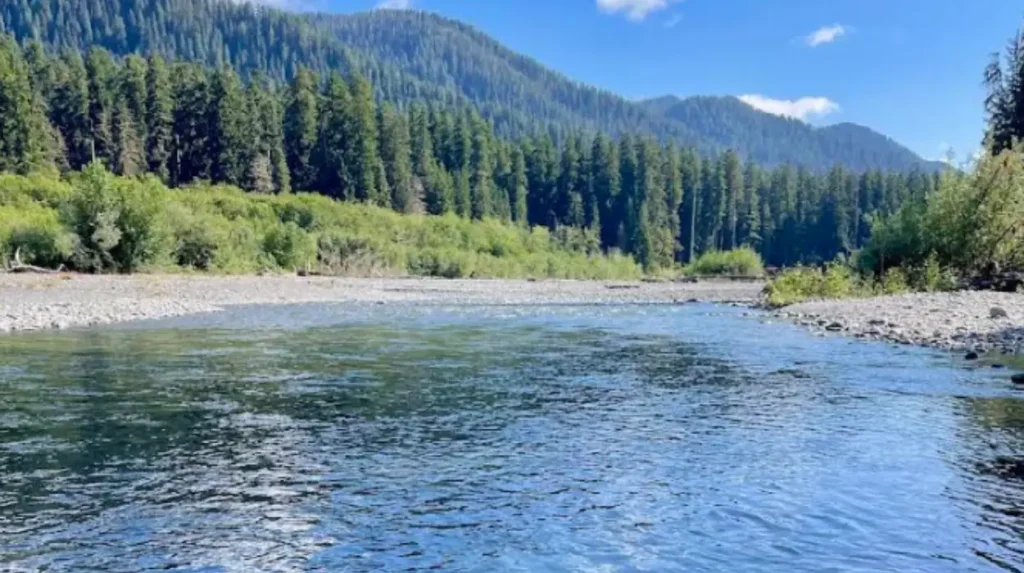
Which Washington routes define the trip?
The key Washington routes are the Cascade Loop, Olympic Peninsula Highway, North Cascades Highway, Mount Baker area, Chuckanut Drive, and eastern scenic corridors like the Palouse and Columbia River routes. Each one highlights a different part of the state’s landscape.
The Cascade Loop is the broadest scenic route. It connects mountain views, Puget Sound, river valleys, orchards, and inland forest. It works well as the backbone of a full Washington road trip because it covers both western and eastern scenery.
The Olympic Peninsula Highway is the best route for coast and rain forest travel. It gives access to beaches, forest trails, lakes, and mountain viewpoints. Travelers use it when they want a concentrated Pacific Northwest experience with ocean air, mossy forest, and rugged shoreline.
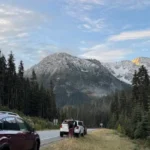
The North Cascades Highway is the strongest mountain route. It crosses dramatic high-country terrain and usually serves as a seasonal drive rather than a winter route. Mount Baker and Chuckanut Drive add shorter but highly scenic side trips that work well for travelers who want smaller loops or day drives.
Which stops belong on the route?
The most important stops are Ruby Beach, Kalaloch, the Hoh Rain Forest, Hurricane Ridge, Lake Crescent, Chuckanut Drive, Mount Baker, the Palouse, and the Columbia River corridor. These places show Washington’s full range from coast to interior.
Ruby Beach and Kalaloch represent the Olympic coast. These stops are known for driftwood, sea stacks, tide-driven shoreline scenery, and wide ocean views. They anchor the coastal part of the trip and give the route a distinctly marine character.
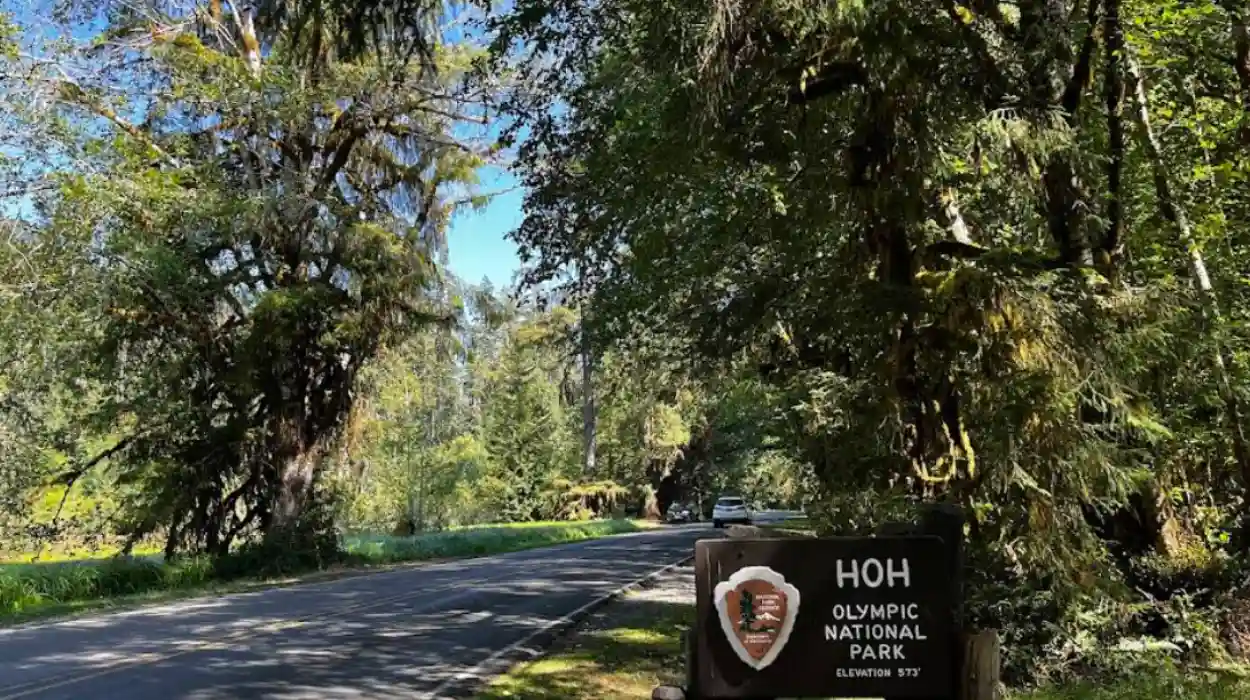
The Hoh Rain Forest adds the classic temperate forest experience. Thick moss, tall trees, and frequent rainfall define the area. It is one of the most recognizable Washington landscapes and a central stop in any Pacific Northwest itinerary.
Hurricane Ridge and Lake Crescent represent the mountain and lake side of Olympic travel. They provide elevation, long views, and clear contrast to the coast. On the northwestern side of the state, Chuckanut Drive and Mount Baker add forested hills, bay views, waterfalls, and volcanic scenery.
Eastern Washington stops add a different visual tone. The Palouse brings rolling wheat hills and open farmland. The Columbia River corridor adds cliffs, river bends, and wide inland views. Together, these areas complete the state’s geographic story.
How long should the trip be?
A Washington road trip works as a 3-day, 5-day, or 7-day itinerary depending on how much of the state you want to cover. Shorter trips focus on one region, while longer trips connect coast, mountains, and eastern Washington.
A 3-day route works best for the Olympic Peninsula. That gives enough time for the coast, the rain forest, and a mountain viewpoint without forcing too much driving into one schedule. It is the most efficient format for travelers who want a compact Washington experience.
A 5-day trip can combine the Olympic Peninsula with the North Cascades or Mount Baker area. This adds mountain scenery and broader regional contrast. It also creates a stronger loop for content because the itinerary moves naturally from coast to forest to alpine terrain.
A 7-day trip fits the full Cascade Loop or a larger Washington circuit. That format lets travelers add eastern Washington, river corridors, and more time in small towns. It is the best choice for a complete road-trip article because it covers the state more fully.
When is the best time to drive?
The best time for Washington road travel is late spring through early fall for mountain routes, while coastal and Olympic routes stay accessible year-round. Seasonal weather is the main planning factor, especially in higher elevations.
Mountain roads are the biggest timing concern. Snow and road closures affect routes like the North Cascades Highway, so summer and early fall are the most reliable driving windows. This matters for both real travelers and evergreen article planning.
The coast and Olympic Peninsula are less restricted by snow, but they still need weather-aware planning. Summer brings easier access and longer daylight, though it also brings more visitors. Shoulder seasons such as late spring and early fall often provide a better balance between access and crowd levels.
A Washington road trip should always account for elevation changes. Lowland routes stay open longer, while mountain passes depend on seasonal conditions. That difference is one of the main reasons the state offers so many trip formats in one region.
Explore More Things to do
Cascade Loop Road Trip Washington Complete Guide for Travelers
Washington Scenic Drives You Must Experience Once
Why does this route matter now?
Washington road trips remain relevant because they connect public lands, official scenic routes, and distinct climate zones in one compact state. The route also fits modern search behavior because it answers destination, season, and itinerary questions in one article.
The topic has strong evergreen value because the core attractions do not change quickly. Coastlines, rain forests, mountain passes, and inland valleys remain consistent travel anchors. That makes the article durable for search and useful for a broad audience.
The route also supports clear entity-based writing. Named places like Olympic National Park, North Cascades Highway, Ruby Beach, Hoh Rain Forest, Hurricane Ridge, and the Cascade Loop create a strong semantic network. That structure helps search engines connect the article with related travel queries.
From a travel standpoint, the route matters because it gives visitors a realistic way to experience Washington without overcomplicating the plan. Each region has a clear role, and each stop contributes a different landscape type. That makes the trip easy to understand and easy to repeat in different seasons.
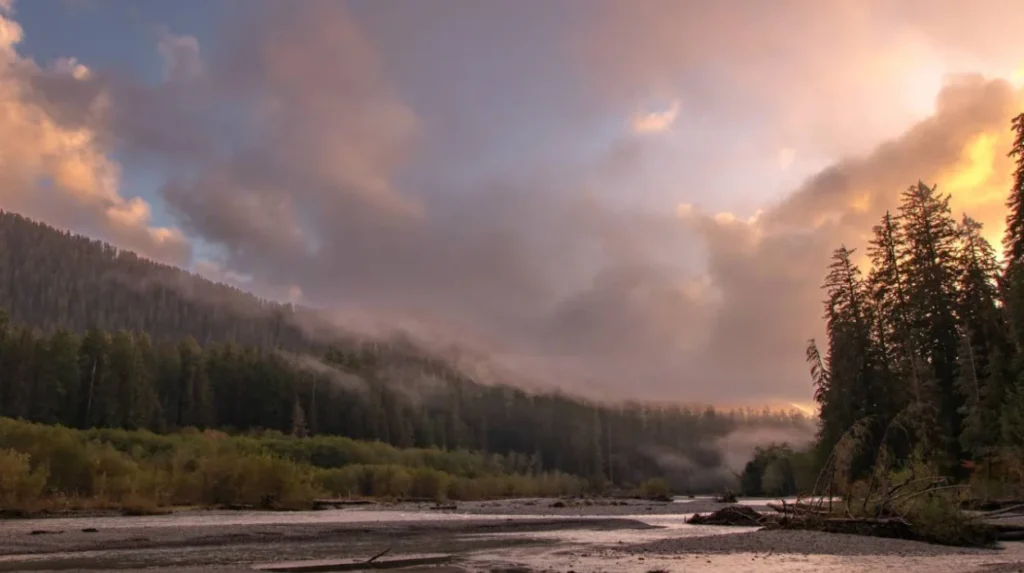
How should travelers plan the drive?
Travelers should plan Washington road trips by region, season, and driving distance. The best structure is coast first, mountains second, and eastern routes last, with overnight stops placed near major scenic hubs.
Planning should start with route selection. Travelers who want coast and rain forest should focus on the Olympic Peninsula. Travelers who want mountain passes and high-country views should build around the North Cascades. Travelers who want a broader loop should use the Cascade Loop as the main framework.
Overnight stops matter because Washington’s best drives cover a lot of ground. Coastal bases work well for Olympic travel, while northwestern hubs support Chuckanut Drive and Mount Baker access. Inland stays help with longer loops that include eastern Washington.
A good Washington road trip also needs flexibility. Weather, season, and daylight all affect mountain access and travel pace. The best trips keep the route simple, leave time for scenic stops, and avoid trying to cover too much in a single day.
Washington offers one of the strongest road-trip experiences in the Pacific Northwest because the driving itself becomes the attraction. The coast, rain forest, mountains, and inland plains all fit into one trip, which gives the state a rare mix of accessibility and variety.
What is the best road trip in Washington State?
The Cascade Loop is widely considered the best overall road trip in Washington because it combines the North Cascades, Lake Chelan, the Methow Valley, Whidbey Island, and Puget Sound into one scenic 440-mile route. It offers mountains, lakes, forests, small towns, and ferry travel in a single itinerary.