
Key Points
- Tournament Conclusion: The city of Seattle has commenced transitioning back to its standard operations following the conclusion of its scheduled FIFA World Cup 2026 matches, culminating in the final local fixture on July 6, 2026. Lookout Eugene-Springfield
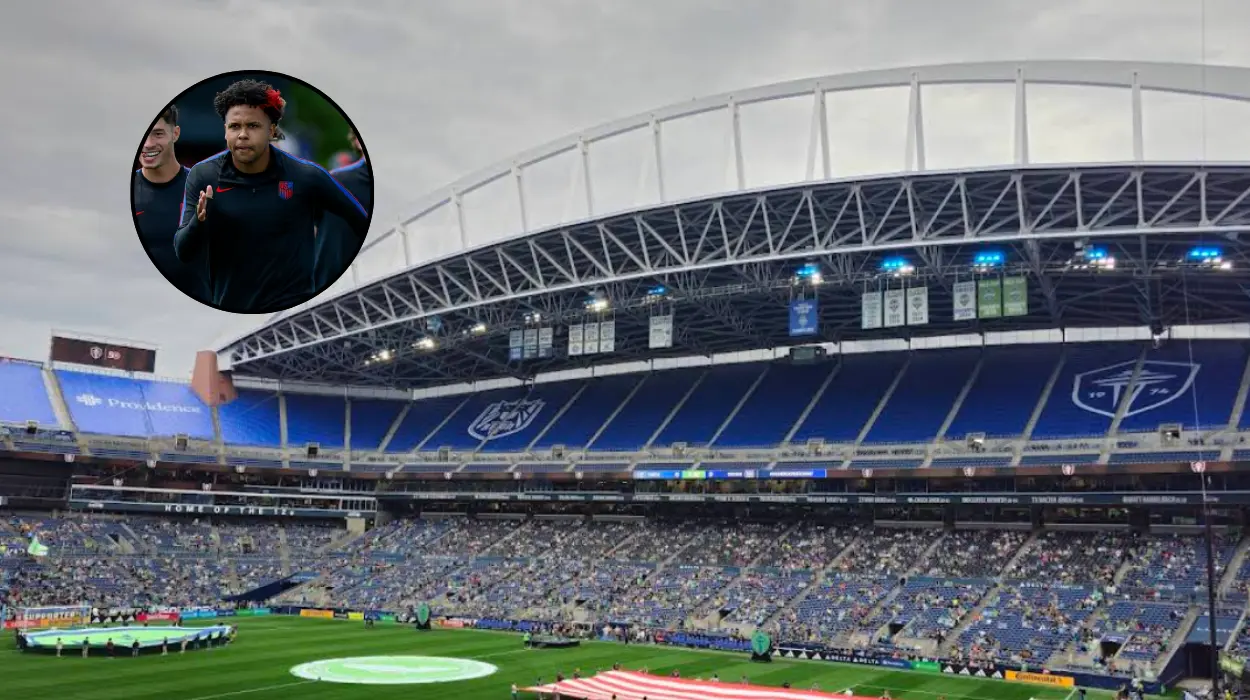
- Infrastructure Reversion: The multi-million-pound temporary grass pitch and extensive hospitality facilities at “Seattle Stadium” are undergoing decommissioning as the venue reverts to its original commercial title, Lumen Field.
- Fan Zone Dismantling: Public viewing hubs and interactive fan zones across the “Unity Loop”—including sites at Seattle Center, Pacific Place, and Waterfront Park—have begun winding down operations.
- Resumption of Civil Works: Postponed municipal construction projects and standard traffic patterns are being reinstated across the metropolitan area following the departure of an estimated 750,000 visitors.
- On-Field Finale: The sporting segment concluded with the United States Men’s National Team (USMNT) being eliminated from the competition following a 4-1 defeat to Belgium in the Round of 16 before 66,925 spectators. CBS News
Seattle (Evening Washington News) July 7, 2026 — The City of Seattle began dismantling its tournament infrastructure and restoring regular public services on Tuesday, following the official conclusion of its hosting duties for the FIFA World Cup 2026. Municipal workers quickly deployed across the downtown corridor to remove event signage, disassemble extensive corporate hospitality structures, and reopen transit routes that had been modified to accommodate hundreds of thousands of international football spectators over the past month.
The transition marks the end of the largest sporting event in the history of the Pacific Northwest region, allowing standard civic operations, municipal construction initiatives, and local transport networks to resume their regular schedules.
What Changes Are Occurring at Lumen Field?
As reported by Emil Moffatt of KNKX Public Radio, the stadium operations team under the direction of Venue Operations Director Anthony Malandra has initiated the complex process of reversing the extensive modifications mandated by FIFA for the tournament.
The stadium, which was temporarily stripped of its commercial title to be designated as “Seattle Stadium” in compliance with strict governing body regulations regarding non-tournament sponsors, is officially reverting to its permanent name, Lumen Field.
According to technical specifications released by the Washington State Public Stadium Authority, the temporary natural grass surface—which was meticulously laid over the stadium’s standard synthetic FieldTurf CORE profile specifically for the six World Cup matches—is scheduled for removal to prepare the ground for upcoming domestic sporting fixtures.
Contractors have also begun deconstructing the large-scale indoor hospitality pavilions and the specialised northern end-zone fan attractions that were erected ahead of the opening match on June 15.
How Are the City-Wide Fan Zones Being Deconstructed?
A formal statement from the SeattleFWC26 Local Organising Committee confirmed that the distributed public viewing locations along the designated “Unity Loop” ceased operations immediately following the final whistle of Monday night’s knockout fixture.
The free public hubs, which operated daily from June 11 through July 6, are being systematically cleared by municipal teams to return the occupied public spaces to their original state.
As detailed in documentation provided by Visit Seattle, these locations collectively managed a substantial portion of the estimated 750,000 regional visitors who travelled to the area during the tournament.
The clearing of these sites will allow local traffic management teams to lift pedestrian-only restrictions on several adjacent thoroughfares.
What Was the Final Sporting Outcome in Seattle?
As reported by the U.S. Soccer Federation match registry, the competitive era of the tournament in the Pacific Northwest drew to a definitive close on the evening of Monday, July 6, 2026, when the United States Men’s National Team was officially eliminated from the competition.
The host nation suffered a 4-1 defeat against the ninth-ranked Belgian national team in the Round of 16, playing before a sold-out crowd of 66,925 spectators.
An archival analysis published by CBS News and the Associated Press noted that the defeat mirrored the 2014 World Cup round-of-16 elimination where Belgium also defeated the United States. Following the match, United States defender Tim Ream stated to accredited reporters:
“There’s so many different thoughts and emotions that are running through me at the minute that I’m not even thinking tactically, or what could have been different or what we should have done different.”
In a concurrent post-match media briefing, fellow defender Chris Richards stated, “I’m just very disappointed with how today went, with myself, personally. It’s just one of those days.”
The statistical breakdown of the final fixture at Seattle Stadium underscores the definitive nature of the match that concluded the city’s hosting tenure:
- 9th Minute: Charles de Ketelaere scores the opening goal for Belgium off a low cross from Nicolas Raskin. US Soccer
- 33rd Minute: Malik Tillman equalises for the United States via a direct free kick, bringing the score to 1-1. US Soccer
- 35th Minute: Charles de Ketelaere scores a second consecutive goal via a header past USMNT goalkeeper Matt Freese. US Soccer
- 57th Minute: Hans Vanaken capitalises on an empty-net opportunity following a defensive clearance error outside the penalty area, extending the Belgian lead to 3-1. US Soccer
- 93rd Minute: Veteran striker Romelu Lukaku scores the final goal in stoppage time, securing a 4-1 victory for Belgium. US Soccer
Background of the Seattle World Cup Project
The selection of Seattle as one of the 16 host cities for the expanded 48-team FIFA World Cup 2026 was the culmination of a multi-year executive bidding process spearheaded by the Seattle Soccer FWC26 Local Organising Committee, alongside regional public officials and executive leadership from Seattle Sounders FC.
To satisfy stringent international sporting criteria, the region had to commit to substantial infrastructure adaptations, including the temporary replacement of artificial playing surfaces with natural turf, the implementation of enhanced security corridors, and the creation of a interconnected transit system known as the “Unity Loop” to ferry spectators between disparate fan hubs and the stadium.
Financially, the project was supported through a combination of private commercial investments, tourism allocations, and municipal funds, justified by the projected long-term economic dividend of introducing the city to a global broadcast audience exceeding two billion viewers.
The preparation phase required close coordination between the Washington State Public Stadium Authority, First & Goal Inc., and the City of Seattle to synchronise large-scale public works and pause non-essential downtown road construction to prevent gridlock during the tournament’s six scheduled matches.
Explore More Seattle News
Seattle Weather Heatwave Ahead of World Cup Match Seattle 2026
Why Seattle Ranks Near the Bottom for Mortgage-Free Homes: Seattle 2026
Prediction: How Will the Tournament’s Departure Affect Regional Residents and Commuters?
The conclusion of the World Cup hosting duties is expected to immediately alleviate the acute logistical pressures experienced by downtown residents and daily commuters in the Seattle metropolitan area.
With the dismantling of the Unity Loop pedestrian corridors and the cessation of stadium match-day restrictions, standard vehicular traffic patterns will return to the SODO district, Pioneer Square, and the downtown waterfront, reducing the significant transit delays that occurred during peak match fixtures.
Furthermore, local regular commuters will see a return to normal capacities on the Link Light Rail and regional bus networks, which had been heavily extended to accommodate international ticket holders.
While downtown hospitality, retail, and food beverage workers will face a sharp reduction in the unprecedented foot traffic that drove record summer revenues over the past month, the broader local population will regain unrestricted access to major civic landmarks, including Seattle Center and Waterfront Park, which had been heavily formalised as corporate event spaces for the duration of the tournament.