
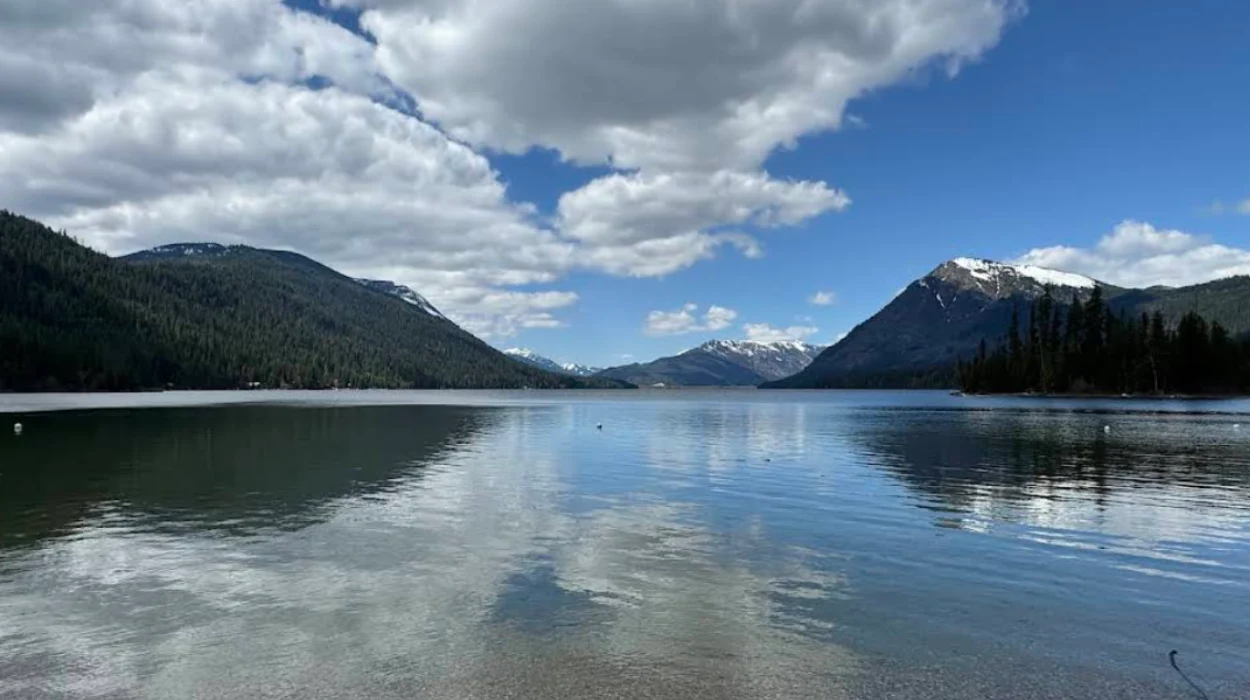
Lake Wenatchee State Park is a glacier-fed Washington park near Leavenworth with lakeside camping, boating, hiking, fishing, winter sports, and family-friendly day use. It is divided by the Wenatchee River into north and south sections, and its camping, trail, and water access make it a year-round outdoor destination.
- What is Lake Wenatchee State Park?
- Why do people visit Lake Wenatchee?
- What outdoor activities are available?
- Water recreation
- Land recreation
- Winter recreation
- How does camping work here?
- North Campground
- South Campground
- Group camping
- When is the best time to go?
- What should campers know before arriving?
- What facilities does the park provide?
- Accessibility and access
- How far is Lake Wenatchee from Leavenworth?
- Why does Lake Wenatchee matter in Washington tourism?
What is Lake Wenatchee State Park?
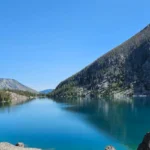
Lake Wenatchee State Park is a Washington state park on the eastern slopes of the Cascade Range in Chelan County. The park covers about 489 to 492 acres, sits beside a glacier-fed lake, and includes 12,623 feet of waterfront plus access to the Wenatchee River.
The park is managed by Washington State Parks and Recreation Commission. The lake and surrounding terrain create a classic North Cascades recreation setting with forest, shoreline, river access, and mountain weather patterns that shape how visitors camp and recreate.
Historically, the lake area served Native American travel and seasonal use long before modern park development. Today, it functions as both a state park recreation site and a gateway for travelers heading to Leavenworth and the upper Wenatchee Valley.
Why do people visit Lake Wenatchee?
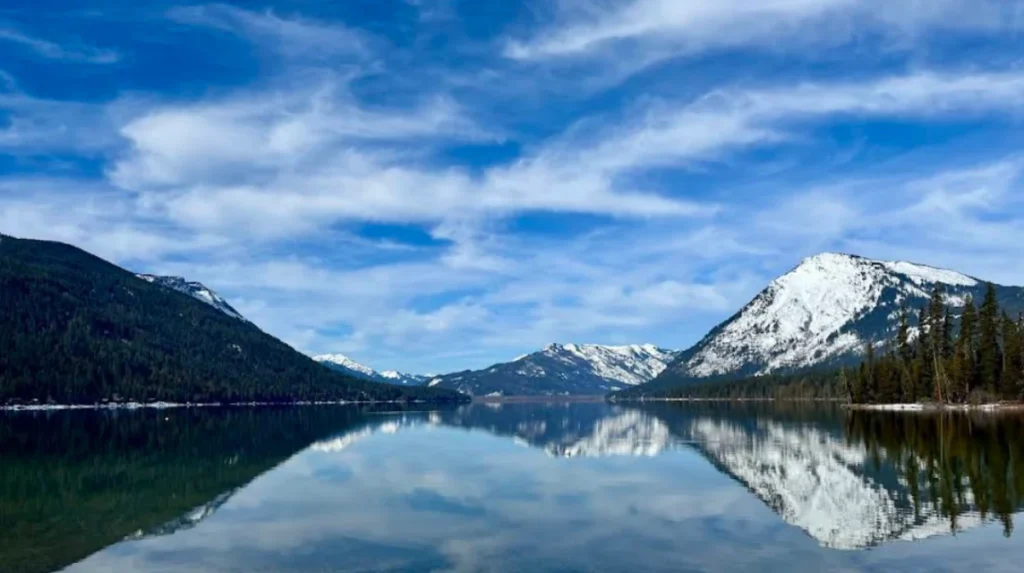
People visit Lake Wenatchee for water recreation, camping, hiking, and winter sports in one place. The park supports swimming, boating, fishing, paddling, horseback riding, hiking, biking, snowshoeing, and cross-country skiing across different seasons.
The lake is a major draw because it is fed by glaciers and snowmelt, which gives it a cold alpine character and a scenic shoreline. That setting supports both active recreation and simple shoreline use, including beach time, picnic stops, and wildlife viewing.
The park also works well as a base for regional travel because it sits near Leavenworth and along the route into the Cascades. Visitors combine a park stay with mountain scenery, forest trails, and nearby town amenities.
Explore More Things to do
Palouse Falls State Park Guide: Washington’s Hidden Waterfall Gem and Travel Tips
Snoqualmie Falls Washington Guide for the Best Viewing Experience
What outdoor activities are available?
Lake Wenatchee offers a broad range of outdoor activities across land, water, and winter conditions. The park lists hiking, biking, boating, fishing, kayaking, windsurfing, kiteboarding, waterskiing, horseback riding, bird watching, volleyball, snowshoeing, sledding, and cross-country skiing.
Water activities are centered on the lake and include a watercraft launch, a dock, swimming areas, and rentals in park for some personal watercraft use. The lake setting also supports shore fishing and boat fishing, which makes the park useful for anglers and casual visitors alike.
Trail users have access to about 8 miles of hiking trails and 7 miles of biking trails in the park. In winter, the recreation pattern shifts toward snow-based use, including a 1.1-mile interpretive snowshoe trail and broader snowplay opportunities.
Water recreation
The lake is the park’s central recreation feature. Visitors use it for boating, kayaking, paddle-style recreation, swimming, fishing, water-skiing, sailboarding, and windsports when conditions support them.
The lakefront includes a watercraft launch and a dock, which support day use and launch access. This makes the park suitable for a variety of boat users, from small human-powered craft to motorized recreation within park rules.
Fishing is one of the park’s core activities because the lake supports salmon and trout species, including sockeye salmon, trout, mountain whitefish, and kokanee salmon. Seasonal ice fishing is also part of the park’s recreation profile when conditions permit safe winter access.
Land recreation
The land-based experience at Lake Wenatchee centers on forest trails, open shoreline, picnic spaces, and equestrian access. The park includes hiking and biking routes, plus horseback riding through a concession operator.
Bird watching and wildlife viewing fit the park’s setting because the area combines forest, water, and mountain habitat. The park’s birding profile also reflects seasonal migration use in spring and fall.
Volleyball, beach exploration, and amphitheater programming add more day-use options for families and groups. These features make the park suitable for both structured activity and low-intensity recreation on the same visit.
Winter recreation
Winter changes the park into a snow recreation site. Cross-country skiing, snowshoeing, sledding, and snowplay all belong in the Lake Wenatchee winter experience.
The park’s winter character comes from its elevation, mountain climate, and forested setting. This creates a seasonal transition that gives the same destination two different identities: a lake-and-camping park in summer and a snow park in winter.
How does camping work here?
Camping at Lake Wenatchee centers on two main campground areas, North and South, which are separated by the Wenatchee River. The park has 155 standard campsites, 42 partial-hookup sites, two ADA campsites, seven restrooms, 16 showers, and one dump station.
The south campground includes sites with shorter parking pads and fewer pull-through spaces, which suits tent campers and smaller rigs. The north campground includes 42 large pull-through utility sites, which better fits larger RVs and fifth-wheel trailers.
Reservations are handled through Washington State Parks booking channels and are required for standard campground use. The park also supports group camping for 20 to 80 people in a tent-only group camp area.
North Campground
The North Campground is the better fit for larger RVs and utility hookups. It includes partial-hookup and pull-through sites, and sources describe it as the more RV-friendly section of the park.
North also includes standard non-electric sites for campers who want a simpler setup. This campground structure gives visitors a choice between utility access and more basic camping inside the same park.
South Campground
The South Campground sits closer to the beach, swimming area, and day-use features. It is often the better choice for tent campers, smaller trailers, and visitors who want faster access to the lakefront.
South also connects closely with the horse rental area and some picnic facilities. That layout makes it practical for visitors who plan to split time between shoreline recreation and camp use.
Group camping
The park’s group camp supports 20 to 80 people and allows only tent camping. That makes it useful for reunions, scout groups, outdoor clubs, and organized trips that need a single shared site.
Group camping at Lake Wenatchee adds flexibility for larger gatherings that do not fit a standard campsite structure. It also reflects the park’s role as a regional outdoor recreation hub rather than only a solo-camper destination.
When is the best time to go?
The best time to visit Lake Wenatchee depends on the activity. Summer is the strongest season for camping, swimming, boating, paddling, hiking, and shoreline recreation, while winter is the best season for snow sports.
Summer also brings higher demand, fuller parking lots, and a stronger need for reservations. Park guidance notes that weekend parking fills frequently and that visitors should arrive early and expect possible overflow parking outside the park.
Spring and fall are strong shoulder seasons for hikers, birders, and campers who want fewer crowds. Birding sources specifically note spring and fall migration as the best birding windows in the Lake Wenatchee area.
What should campers know before arriving?
Campers should plan ahead because reservations are the norm and demand is high in peak season. Booking sources state that reservations can be made up to nine months in advance, and same-day availability exists only in limited windows.
Vehicle access for day use requires a Discover Pass at Washington state parks. Pass purchases are available through self-serve pay stations in the park and through the state’s online purchase system.
Visitors also need to respect bear country rules. The park sits in wildlife habitat, and food storage, trash control, and campsite cleanliness matter for both safety and campground conditions.
What facilities does the park provide?
Lake Wenatchee provides the basic support visitors expect from a major state park. Facilities include restrooms, showers, drinking water, picnic tables, kitchen shelters, a dump station, a camp store, and beach access.
The picnic system is extensive, with two kitchen shelters and dozens of unsheltered tables. One shelter is reservable for larger groups, while the other operates first come, first served.
The park store sells firewood, propane, white gas, snacks, and camping goods during the season. That service matters because the park prohibits collecting firewood inside the park, which makes on-site or local purchase the expected approach.
Accessibility and access
The park includes ADA campsites, ADA-friendly beach access features, and an accessible boat launch. These elements improve access for visitors who need easier movement between camping, lakefront, and day-use areas.
The site layout also supports day-use visitors who want to stay near the shoreline without camping overnight. That combination of camping and day-use infrastructure is part of why the park remains popular with families and regional travelers.
How far is Lake Wenatchee from Leavenworth?
Lake Wenatchee State Park is roughly 20 miles north of Leavenworth, with drive times commonly described around 25 minutes from downtown. The route uses U.S. 2 and State Route 207 before reaching the park entrances.
This location makes the park a natural extension of a Leavenworth trip. Visitors often pair a town stay, a mountain drive, and a lake camping or day-use visit in the same itinerary.
The road access is straightforward, but peak-season traffic and parking demand still require early arrival. That is especially true on weekends and holiday periods when the lake becomes a major regional recreation destination.
Why does Lake Wenatchee matter in Washington tourism?
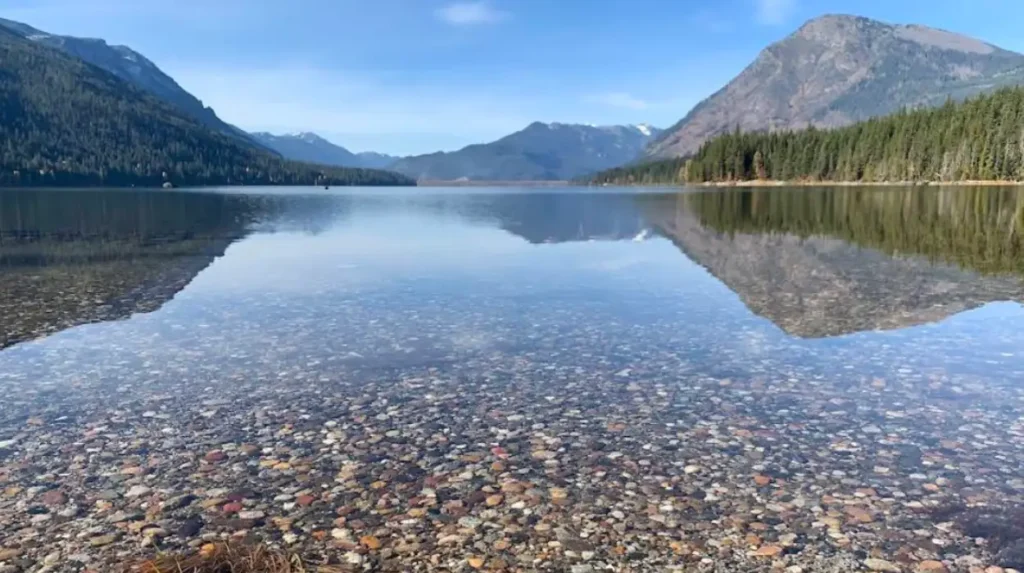
Lake Wenatchee matters because it combines alpine scenery, state-park camping, and multi-season recreation in one destination. Few Washington parks offer such a clear summer-to-winter transition with the same shoreline base and trail network.
Its location near Leavenworth also strengthens regional tourism. Travelers who visit the Bavarian-style town, the Wenatchee Valley, or the Cascades can add a lake experience without needing a separate long drive.
The park’s mix of infrastructure and natural setting gives it broad appeal. It works for tent camping, RV travel, day trips, family outings, paddling, fishing, and snow recreation, which makes it a durable evergreen travel subject for Washington audiences.
Lake Wenatchee State Park remains one of Washington’s most versatile outdoor destinations because it offers clear activity clusters, reliable campground structure, and strong seasonal variety. For Washington travelers, it delivers a complete lake-and-mountain experience in a single park.
Where is Lake Wenatchee State Park located?
Lake Wenatchee State Park is located in Chelan County, Washington, about 20 miles north of Leavenworth on the eastern slopes of the Cascade Range. The park sits beside glacier-fed Lake Wenatchee and is divided into north and south sections by the Wenatchee River.