
Key Points
- President Donald Trump has been remaking Washington, DC through visible changes to buildings, monuments and public spaces during his second term.
- Reported changes include a new ballroom, a 250-foot arch, a memorial garden, a UFC fighting ring and the repainting of the Reflecting Pool in “American flag blue.”
- Trump’s name has been removed from the Kennedy Center after a legal fight over whether the venue could be renamed without Congress.
- The changes have prompted legal challenges and criticism from observers who say some projects affect long-standing views and historic design.
- Reporting from multiple outlets says the developments are reshaping the capital in ways that could have lasting visual and political effects.
Washington, DC (Evening Washington News) July 1, 2026, is undergoing a visible makeover under President Donald Trump, with reported changes ranging from architecture and signage to public spaces and monuments. As reported by the outlets covering the story, the shifts are not limited to one building or one project, but extend across several high-profile locations in the capital. The changes include the White House area, the Kennedy Center and proposed or ongoing additions such as an arch and other new features.
According to Business Insider, Trump’s second-term imprint includes
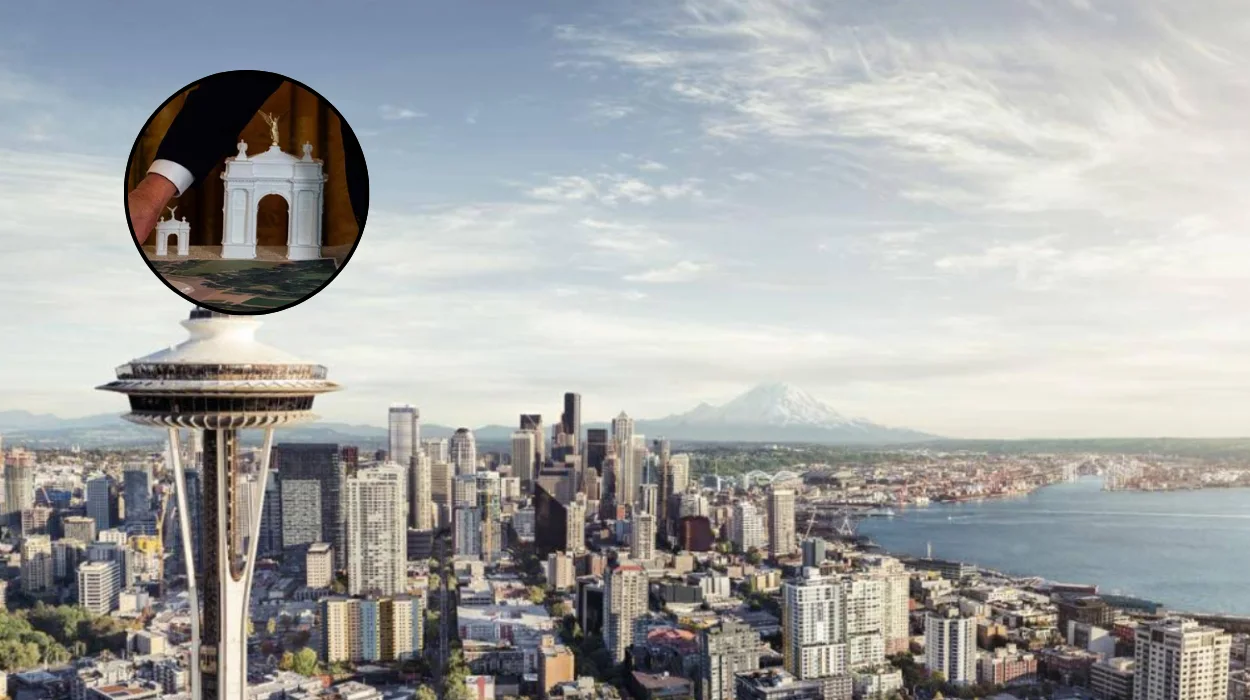
“a new ballroom, a 250-foot arch, a memorial garden, and now, a UFC fighting ring,”
which the publication said reflects how he is leaving a mark on the city. ABC Australia reported that Trump is using obscure laws to reshape Washington “project by project,” altering the capital in ways that can disrupt views and designs that date back decades or more.
NPR likewise reported that critics believe the proposed arch would change the city’s viewlines, with one framing the issue as what the city stands to lose visually.
What happened at the Kennedy Center?
As reported by CBS News and the BBC, Trump’s name was removed from the Kennedy Center after court action cleared the way for the change.
The BBC reported that a US judge ordered the removal of Trump’s name from the venue’s title, façade, digital signage and official materials within 14 days, saying the name change could not proceed without Congress.
CBS News reported that Trump’s name had been removed from the front of the Kennedy Center and that the administration filed a notice of compliance. PBS also reported that scaffolding went up at the venue ahead of the deadline to remove the name.
The dispute shows that at least some of the Trump-related changes in Washington are being tested in court rather than being carried out without resistance.
Why are people questioning the changes?
Reporters and critics cited in the coverage say some of the projects could alter long-established public spaces and historic sightlines in the nation’s capital.
NPR reported that critics of the proposed arch argue it would “take something away: the view,” highlighting concern that the addition could interfere with the city’s visual composition.
ABC Australia reported that the administration is relying on lesser-known legal powers to move the changes forward, which has added to the scrutiny.
The legal challenge around the Kennedy Center also shows how the administration’s actions can run into limits when institutions or courts say formal approval is needed.
TIME reported on a separate dispute involving the possibility of a UFC event at the White House, underscoring broader concern about whether national monuments and federal spaces should be used for events tied to the President.
Together, the reporting suggests the issue is not just style, but authority, symbolism and how far a president can go in remaking the capital.
How is the White House itself affected?
Business Insider reported that the changes extend to the White House area, where Trump is said to be influencing the appearance and use of the site.
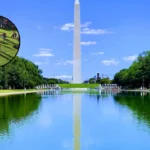
The same reporting also described the Reflecting Pool as having been repainted “American flag blue,” showing that even familiar features are being altered.
TIME’s report on the UFC fight at the White House adds another layer, because it indicates the administration is associated with plans that would turn a national symbol into a venue for a high-profile sporting event.
That broader pattern has made the White House part of a wider debate about whether presidential branding is being blended with public architecture and federal property.
ABC Australia reported that the changes are being made project by project, rather than through one single redesign, which makes the overall effect more gradual but also potentially more extensive.
The result, based on the reporting, is a capital city where several landmarks are being visually and functionally recast.
What do the reports say about the scale?
The scale appears broad rather than isolated, because the reports mention changes to monuments, buildings, naming, signage and event planning.
Business Insider and NPR both described proposed or active developments that could affect how Washington looks and feels for residents and visitors.
The BBC, CBS News and PBS coverage of the Kennedy Center adds a concrete example of a legal and symbolic change that has already reached implementation.
There is also a historical dimension, because some of the reported designs or views being affected are tied to long-standing civic planning.
ABC Australia said some alterations disrupt views and designs that go back more than a century, while NPR tied the debate over a new arch to the capital’s visual heritage.
That makes the story about more than new construction; it is also about how Washington’s identity is being visually redefined.
What is the background to this development?
Trump’s second-term approach in Washington has been reported as a rapid effort to leave a personal mark on the capital after his return to office.
The broader context includes a series of initiatives affecting the White House, the Kennedy Center and proposed public monuments or event spaces.
Several outlets have framed this as part of a larger attempt to reshape the city’s appearance, symbolism and use.
The legal and public debate has developed alongside those changes, especially where name removal, historic views or public use of federal spaces are concerned.
The Kennedy Center dispute shows that not every move can proceed without formal checks, while the arch and White House-related reports suggest other changes remain contested or under discussion.
In that sense, the current wave of changes is part of a continuing struggle over how much a sitting president can reshape Washington’s civic landscape.
What is the prediction for residents and visitors?
For residents and visitors, the most immediate effect is likely to be a more visibly politicised and branded capital, with altered landmarks and new talking points around familiar sites.
People working in or visiting central Washington may continue to see construction, signage changes and restrictions tied to disputed projects.
If the reported plans advance, the city’s skyline, sightlines and public spaces could look different for years rather than months.
For audiences such as Washington residents, tourists, historians and civic planners, the main impact will likely be on how the city is experienced and interpreted.
The reporting suggests that some people will see renewal or symbolism, while others will see a break from established design and public norms.
The longer-term effect may be a Washington, DC that feels more personalised to one presidency than to the neutral civic image traditionally associated with the capital.