Key Points
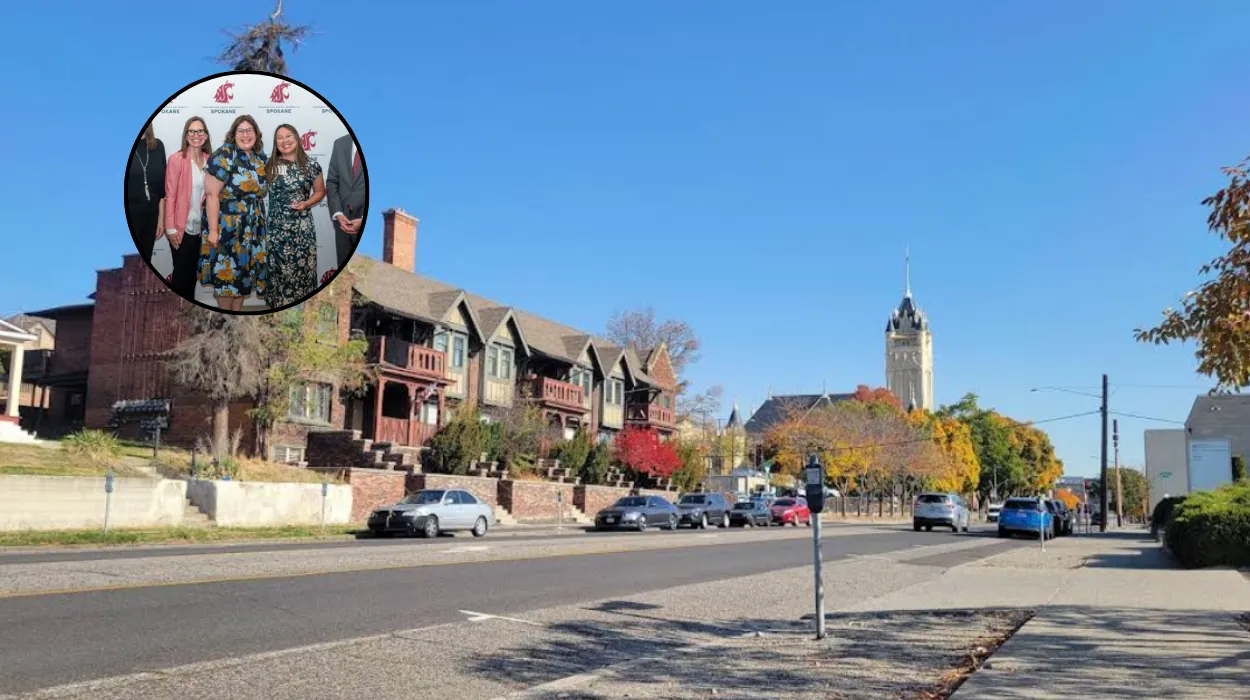
- Washington State University Elson S. Floyd College of Medicine held its annual Awards and Recognition Ceremony in Spokane to honour faculty and staff for excellence across leadership, service, teaching, research and community impact.
- The Clinical Teaching Award was presented to Dr Shawn Schweitzer for his work with the Internal Medicine Residency Program–Everett and his contributions as a practising internist and clinical educator.
- Nominators praised Dr Schweitzer’s clinical acumen, compassionate bedside manner and ability to blend evidence-based care with human connection.
- The ceremony highlights the college’s mission and vision to improve health for Washington state and beyond, and recognises faculty and staff whose work directly affects students, patients and communities.
- The event included awards across multiple categories (leadership, service, teaching, research, community impact), demonstrating institutional recognition of diverse contributions to medical education and patient care.
Washington (Evening Washington News) July 1, 2026 – Floyd College of Medicine June — The college’s annual Awards and Recognition Ceremony took place in Spokane in June, bringing together faculty and staff to recognise contributions that advance the college’s mission of promoting a healthier Washington and beyond. As reported by college communications, the ceremony celebrated achievements spanning leadership, service, teaching, research and community engagement.
- Key Points
- What makes Dr Shawn Schweitzer’s teaching noteworthy according to nominators and the college announcement?
- How does the Awards and Recognition Ceremony fit into the college’s broader mission and goals?
- Who were the other categories recognised and why is this breadth important?
- What did nominators say about Dr Schweitzer’s impact on learners and patients?
- How does clinical teaching at a medical school translate into better patient care and community health?
- What is the significance of hosting the awards in Spokane for the college and the region?
- How does the college verify and publicise award decisions and what accountability accompanies such recognition?
- What statements or quotations were provided by nominators or the college about the awards?
- How does this recognition affect faculty and staff culture at the college?
- Background of the development
- Prediction: how this development can affect students, staff and local communities
The Clinical Teaching Award was given to Dr Shawn Schweitzer, a practising internist and clinical faculty member associated with the Internal Medicine Residency Program–Everett, who was singled out for exceptional commitment to educating medical students and resident physicians. The college’s announcement noted nominators described Dr Schweitzer as “a physician of outstanding clinical acumen” whose compassionate bedside manner and evidence-based approach make him deeply respected by patients and learners.
What makes Dr Shawn Schweitzer’s teaching noteworthy according to nominators and the college announcement?
As reported by the college’s communications team, nominators praised Dr Shawn Schweitzer for combining clinical skill with a supportive approach to teaching that benefits both learners and patients. Nominators wrote that Dr Schweitzer is
“widely regarded as a physician of outstanding clinical acumen,”
and they emphasised his capacity to connect with patients through compassion and to model evidence-based practice for trainees.
The college highlighted that his work within the Internal Medicine Residency Program–Everett involves mentoring resident physicians in a way that strengthens clinical competence and professional development.
Those recognitions reflect a broader institutional value placed on bedside teaching and the translation of clinical excellence into instructional practice.
How does the Awards and Recognition Ceremony fit into the college’s broader mission and goals?
Washington State University Elson S. Floyd College of Medicine organises the annual Awards and Recognition Ceremony to showcase and encourage contributions that align with the institution’s stated mission and vision: improving health outcomes across Washington and beyond.
The ceremony serves as an institutional mechanism to recognise a wide range of faculty and staff efforts — from leadership and service to research and community impact — that collectively support medical education, patient care and public health.
By spotlighting individuals and teams, the college aims to reinforce best practices, foster a culture of excellence and motivate continued engagement in work that benefits students and the public.
Who were the other categories recognised and why is this breadth important?
The ceremony included awards across multiple categories — leadership, service, teaching, research and community impact — which the college uses to acknowledge the varied ways faculty and staff contribute to the institution’s mission. Recognising these distinct categories is important because it affirms that excellence in a medical school is multifaceted:
strong leadership and administrative contributions sustain programmes; service work enhances patient access and institutional functioning; outstanding teaching directly shapes the next generation of clinicians; research advances knowledge and informs practice;
and community impact builds partnerships and addresses local health needs. The college’s approach signals that success is not measured only by publications or clinical prestige, but also by sustained contributions to education, patient care and the communities the school serves.
What did nominators say about Dr Schweitzer’s impact on learners and patients?
According to the college’s reporting of nomination statements, nominators described Dr Schweitzer as deeply beloved by patients for his combination of expertise and compassion, and as an exceptional educator who leaves a lasting impression on learners.
They emphasised his capacity to provide rigorous, evidence-based instruction while maintaining a human-centred approach to care.
These testimonials framed his influence as both technical — demonstrable clinical skill and judgement — and interpersonal — the ability to model empathy, communication and professional conduct for students and residents.
How does clinical teaching at a medical school translate into better patient care and community health?
Clinical teaching in a medical school setting has a direct line to patient care quality and community health outcomes because educators shape the clinical skills, decision-making and professional attitudes of future physicians.
By training students and residents in evidence-based medicine, bedside manner, diagnostic reasoning and patient-centred communication, clinical teachers like Dr Schweitzer help ensure that graduates enter practice prepared to deliver competent, compassionate care.
Moreover, when teaching emphasises community needs and equitable care, it can influence how physicians practise in underserved areas and how they prioritise public health interventions across the state.
What is the significance of hosting the awards in Spokane for the college and the region?
Holding the annual Awards and Recognition Ceremony in Spokane underscores the college’s investment in its regional footprint and its relationships across Washington state.
Spokane serves as one of the college’s hubs for education and community engagement, and hosting the ceremony there provides an opportunity to connect faculty, staff and partners from across the region.
The event highlights the distributed nature of the college’s work — that medical education and service occur in multiple communities — and it brings attention to regional achievements that contribute to statewide health goals.
How does the college verify and publicise award decisions and what accountability accompanies such recognition?
The college’s announcements generally draw on nomination materials and internal review or selection committees to determine award recipients, and public communications summarise the rationale and supporting statements.
This process creates institutional accountability by documenting the criteria used for selection and offering transparency about the standards of excellence being recognised.
Publicising winners through college channels also serves to inform students, staff, alumni and external partners about exemplary practice and to set expectations for professional conduct and contribution.
What statements or quotations were provided by nominators or the college about the awards?
In the material publicised by the college, nominators said of Dr Schweitzer:
“Dr Schweitzer is an exceptional clinician and educator whose impact on learners and patients alike is profound.”
They added that he is “widely regarded as a physician of outstanding clinical acumen” and
“deeply beloved by his patients for both his medical expertise and his compassionate bedside manner.”
The college’s reporting used these direct nomination excerpts to illustrate the reasons for the Clinical Teaching Award and to capture the voices of those who nominated him.
How does this recognition affect faculty and staff culture at the college?
Institutional recognition through awards ceremonies contributes to a culture that values and rewards contributions across teaching, research, service and leadership.
By formally acknowledging faculty and staff accomplishments, the college reinforces desired behaviours and professional standards;
it can boost morale, encourage mentorship and increase retention of high-performing educators and clinicians. Such recognition also signals to students and trainees which behaviours — clinical excellence, compassion, community engagement — are prioritised within the institution.
Background of the development
Washington State University launched the Elson S. Floyd College of Medicine with a mission to expand access to medical education and improve health outcomes across Washington state, particularly in rural and underserved communities.
From its founding, the college emphasised distributive medical education — training students and residents in multiple regional sites to address local workforce needs and ensure graduates are prepared to practise across diverse settings. The annual Awards and Recognition Ceremony is part of a longer-standing institutional practice of highlighting teaching excellence, community engagement and scholarship;
it serves both as an internal morale-building exercise and as public acknowledgement of contributions that further the college’s mission. Clinical teaching awards historically recognise clinicians who balance patient care with instructive mentorship, thereby reinforcing the college’s priority of integrating service and education.
Explore More Local News
OpenAI and Anthropic Clash Over AI Controls in Washington 2026
Washington Family Housing Fund Launches for Affordable Homes 2026
Prediction: how this development can affect students, staff and local communities
Recognition of faculty like Dr Shawn Schweitzer tends to have several measurable and intangible effects on the college’s immediate audiences.
For students and residents, highlighting exemplary clinical educators models professional standards and can increase learners’ engagement and satisfaction with training, potentially improving educational outcomes and preparedness for practice. For faculty and staff, awards reinforce institutional values and may lead to increased motivation, higher retention of skilled educators, and greater willingness to participate in mentorship and community-oriented initiatives.
For local communities, celebrating clinicians who prioritise compassionate, evidence-based care can strengthen public trust in clinical programmes affiliated with the college and may encourage collaborations that improve access to care. Over time, institutional emphasis on teaching excellence and community impact supports the college’s broader goal of producing physicians equipped to address Washington’s varied health needs.