Key Points
- The Supreme Court is meeting in Washington, D.C. on Monday, June 29, 2026, to release an order list and hold a public non-argument session.
- The Court may announce opinions during the session, and those opinions are posted on its homepage after bench announcement.
- The final days of the term are expected to include several major rulings, including cases tied to presidential power, birthright citizenship, the Federal Reserve, transgender athletes, campaign financing, mail-in ballot counting, and cellphone location data.
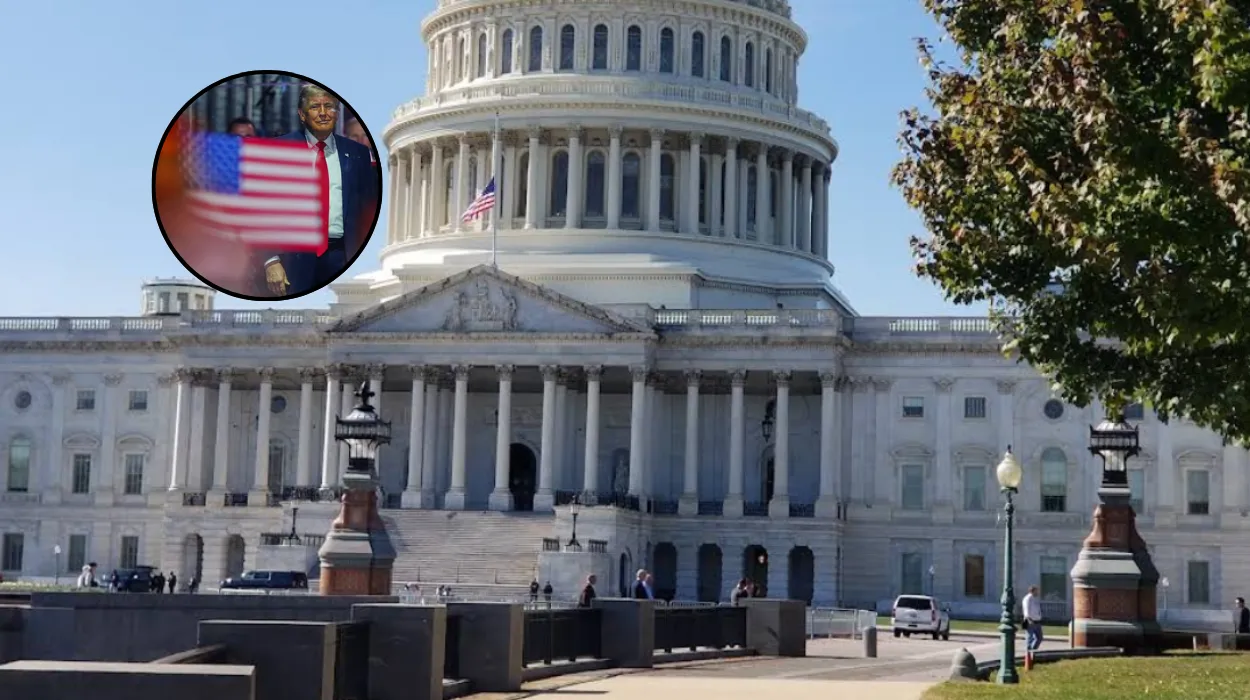
- Reuters images show people outside the Court as justices were expected to issue orders in pending appeals.
- Recent decisions already released this term include rulings on Monsanto, Temporary Protected Status, asylum at the border, and concealed carry on private property.
Washington, D.C. (Evening Washington News) June 29, 2026 – the U.S. Supreme Court is back in focus as the justices prepare to issue an order list, hold a public non-argument session, and possibly release additional opinions before the Court’s summer recess.
What is happening at the Court on Monday?
The Supreme Court said it will release an order list at 9:30 a.m. and convene for a public non-argument session at 10 a.m., with opinions announced from the bench and then posted online. Reuters reported that people were seen outside the building as the Court was expected to issue orders in pending appeals.
The timing matters because the Court is nearing the end of a term marked by unusually sharp ideological division.
In the past week, several decisions were split 6-3 along partisan lines, with Republican appointees on one side and Democratic appointees on the other.
Which major rulings are still pending?
The outstanding cases include whether President Donald Trump can end birthright citizenship by executive action, whether he can remove leaders of independent agencies over policy disagreements, and whether he has authority to remove Lisa D. Cook from the Federal Reserve Board of Governors based on mortgage fraud allegations.
The Court is also expected to rule on transgender female athletes participating in girls’ and women’s sports.
Other major matters before the justices include rules on political campaign financing, mail-in ballot counting, and a law enforcement tool that collects cellphone location data to identify suspects and witnesses near crime scenes. Separate reporting also says federal court rulings have already affected Trump’s efforts to reshape election rules, including mail-in voting restrictions and data systems connected to voter roll maintenance.
What has the Court already decided?
The Court’s recent decisions this term include Monsanto v. Durnell, which held that federal law pre-empts a state failure-to-warn claim involving Roundup labels.
It also ruled in cases involving Temporary Protected Status and asylum claims at the border, while also striking down a Hawaii law restricting concealed-carry permit holders from carrying handguns on private property open to the public without express authorisation.
These rulings show that the Court has already addressed several major legal and constitutional questions this month.
The remaining decisions could extend that pattern and further define the legal limits of executive power, immigration policy, voting rules, and civil rights.
Why does this term matter?
This term has become one of the most consequential of the Court’s recent sessions because it touches core disputes over presidential authority and national policy.
The cases also arrive at a time when the Court’s 6-3 conservative majority has repeatedly shaped outcomes in both headline-making and more technical disputes.
For reporters, lawyers, and political observers, the Court’s rulings this week are likely to influence the legal landscape heading into the next stage of the Trump presidency and the 2026 election cycle.
Background of this development
The Supreme Court typically finishes its work before its summer recess by issuing a cluster of opinions and order lists.
This year’s end-of-term session is drawing extra attention because multiple politically sensitive cases remained unresolved until late June.
A Reuters image from the Court building reflected that atmosphere, with people waiting outside while justices were expected to issue orders in pending appeals.
Coverage from other outlets has also noted that the Court’s remaining docket includes cases with direct implications for Trump’s policy agenda and for nationwide election and rights disputes.
Prediction
For the public, the most immediate effect is likely to be clarity on which Trump-era policies survive legal challenge and which do not. For voters and election officials, the rulings could affect how ballot access, mail voting, and voter-roll rules are handled in the run-up to future elections.
For immigrants, federal workers, athletes, and gun owners, the decisions may shape daily rights and government authority in ways that could last well beyond this term.