
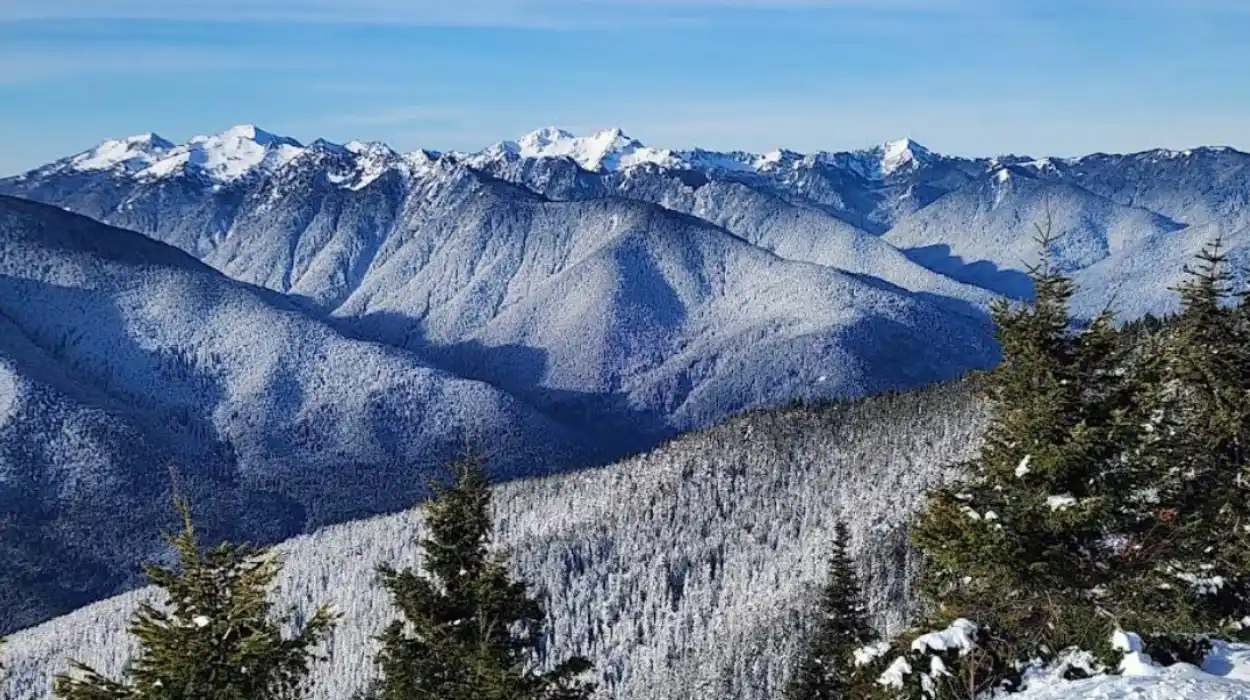
Olympic National Park contains some of Washington’s most visited waterfalls, with standout stops in the Sol Duc Valley, near Lake Crescent, and in the park’s rainforest corridors. The best choices combine short access, reliable flow, and strong scenery, which makes them ideal for a broad travel audience in Washington.
- What makes a waterfall worth visiting in Olympic National Park?
- Which waterfall is the most famous in Olympic National Park?
- Why do visitors choose Marymere Falls?
- Which falls are best for a short day trip?
- What waterfalls offer the strongest scenery?
- When is the best time to see these waterfalls?
- How do these waterfalls fit into Olympic National Park history?
- What should visitors know before planning a waterfall trip?
- Which waterfalls deserve the highest priority?
- How should an Olympic waterfall itinerary be structured?
- What makes Olympic waterfalls important for Washington travel?
What makes a waterfall worth visiting in Olympic National Park?
The best waterfalls in Olympic National Park combine easy access, strong year-round flow, and distinctive rainforest or mountain scenery. Sol Duc Falls and Marymere Falls rank highest because they are simple to reach, highly photogenic, and well documented by official and regional tourism sources.
Olympic National Park covers a vast and diverse landscape on the Olympic Peninsula in north-western Washington. Its waterfalls range from roadside stops to short forest hikes, and the best-known ones sit in rain-fed watersheds that stay lush through much of the year. That constant moisture supports moss, ferns, old-growth trees, and steady stream flow, which gives the park its signature waterfall setting.
Waterfalls in this park attract hikers, photographers, families, and road-trippers because many of them require only modest effort. The region’s tourism trail highlights more than 20 waterfalls across the Olympic Peninsula, showing how concentrated this feature is in the broader landscape. For visitors planning a day trip, that makes the park one of the most efficient waterfall destinations in Washington.
Which waterfall is the most famous in Olympic National Park?
Sol Duc Falls is the most famous waterfall in Olympic National Park because it is easy to reach, deeply scenic, and one of the park’s most recognised natural landmarks. The falls can split into as many as four channels before dropping 48 feet into a narrow canyon, creating a dramatic signature view.
Sol Duc Falls sits in the Sol Duc Valley, a landscape known for old-growth forest, alpine lakes, wildlife, and hot springs. The trail begins beyond the Sol Duc Hot Springs and Resort and reaches the falls in about 0.8 mile, which makes it one of the park’s most accessible major waterfall hikes. The Washington Trails Association describes the route as family friendly and well maintained, with a broad path through dense forest.
The waterfall itself is memorable because the water does not fall in one sheet. Instead, it divides into multiple streams depending on water volume, then drops into a steep, rocky gorge. That structure gives Sol Duc Falls both visual complexity and strong seasonal interest, especially after rainfall or snowmelt. The site also has historic context: the original Sol Duc Hotel opened in 1912 near the present hot springs site and was destroyed by fire in 1920.
Why do visitors choose Marymere Falls?
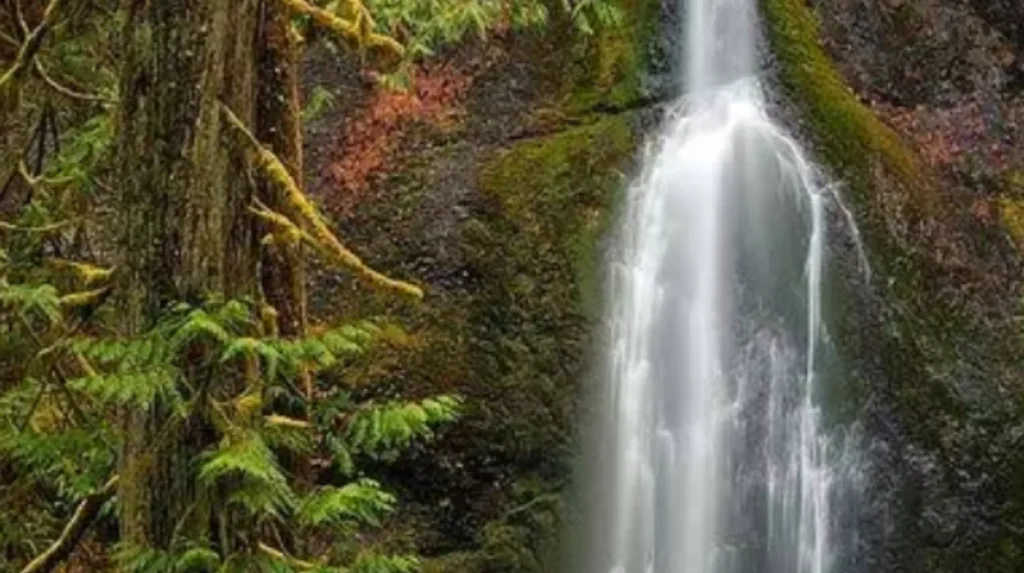
Marymere Falls is a top choice because it offers a short, classic forest hike near Lake Crescent and a tall, elegant waterfall in a setting that reflects Olympic National Park’s temperate rainforest character. It suits visitors who want a simple, high-reward stop close to Highway 101.
Marymere Falls sits near Lake Crescent, one of the most scenic and accessible areas in the park. The trail is widely known as a short, rewarding hike that fits into a broader Olympic Peninsula itinerary. Its main appeal lies in the combination of easy access, dense forest, and a waterfall framed by moss, ferns, and towering trees.
This waterfall works especially well for visitors who want a realistic half-day outing rather than a strenuous trek. The route is short enough for many casual travellers, yet it still delivers a strong sense of place because the surrounding landscape is classic Olympic rainforest. The setting matters as much as the falls themselves, because the entire experience reflects the park’s wet coastal ecosystem.
Which falls are best for a short day trip?
Sol Duc Falls, Marymere Falls, and Rocky Brook Falls are the strongest short day-trip options because they offer quick access, limited hiking time, and high scenic payoff. These waterfalls fit visitors who want a compact itinerary without sacrificing atmosphere or visual impact.
Sol Duc Falls requires a round trip of roughly 1.8 miles and delivers one of the park’s most iconic views. Marymere Falls is similarly efficient for travellers staying near Lake Crescent or driving Highway 101. Rocky Brook Falls, located near Brinnon, is another convenient option and is known for its short approach and immediate waterfall sound as hikers near the site.
These short trips matter because Olympic National Park is large and driving times are significant. A single waterfall stop can fill an afternoon once road access, parking, and trail time are included. Visitors who plan around one or two compact hikes see more of the park without turning the trip into a long-distance backpacking route.
What waterfalls offer the strongest scenery?
The strongest scenery comes from waterfalls that combine old-growth forest, moss-heavy ravines, and visible water volume, especially Sol Duc Falls, Marymere Falls, and waterfall sites around Lake Quinault. These locations represent the park’s most complete rainforest and mountain scenery in one visit.
Scenic value in Olympic National Park depends on more than water height. A waterfall becomes especially striking when the approach passes through thick forest, root-covered trail sections, and saturated greenery. Sol Duc Falls stands out for its rainforest corridor and canyon setting. Marymere Falls gains strength from its Lake Crescent backdrop and deep forest surroundings.
Lake Quinault adds another scenic layer because it combines waterfalls with old-growth forest and historic lodging. The wider Olympic Peninsula waterfall trail also promotes falls such as Maple Creek Falls and Ludlow Falls, showing that the region’s appeal extends beyond the park boundary. For visitors building a scenic road trip, that broader network matters because it allows a waterfall-focused route across the peninsula.
When is the best time to see these waterfalls?
The best time to see Olympic National Park waterfalls is during wetter periods and after recent rain, when flow increases and the forest environment looks its fullest. Cloudy conditions also improve photography because the soft light reduces harsh contrast and preserves detail in the water and greenery.
Waterfalls in this region depend on precipitation and seasonal runoff. The Olympic Peninsula is one of the wettest parts of Washington, and that rainfall supports the moss, ferns, and saturated forest floor that define the park’s visual identity. Because of that climate, many waterfalls remain reliable through much of the year, but they often look strongest after wet weather rather than during dry spells.
Photographic conditions improve when the sky is overcast. Official and regional trail guidance for Sol Duc Falls specifically notes that cloudy weather, morning light, and evening light improve the visual effect of the falls. That advice reflects a general rule for forest waterfalls: softer light reveals texture in water, bark, and rock without overexposure.
How do these waterfalls fit into Olympic National Park history?
These waterfalls sit inside a landscape shaped by Indigenous presence, park development, and early tourism infrastructure. Sol Duc’s historic resort history and the long-standing use of Lake Crescent and Quinault corridors show how recreation and conservation developed together in the Olympic Peninsula.
Sol Duc Valley has a visible tourism history. The former Sol Duc Hotel opened in 1912 and became an early destination resort before it burned in 1920. That history matters because it explains why the area remains such a recognised visitor hub today. The modern trail and hot springs site continue that legacy in a park setting rather than a commercial resort model.
Lake Crescent and Lake Quinault also reflect the region’s long visitor tradition. Historic lodging and established trail systems have made these areas part of Olympic travel for generations. The waterfalls themselves are natural features, but their public meaning has changed over time as roads, trails, and park access expanded.
What should visitors know before planning a waterfall trip?
Visitors should plan for driving time, trail conditions, and seasonal demand. Olympic National Park charges an entrance fee, Sol Duc and Seven Lakes Basin have seasonal quotas, and many waterfall routes involve wet, uneven, or root-filled forest terrain.
The Sol Duc area uses a park entry fee structure that the Washington Trails Association lists as $25 for seven consecutive days or $50 for an annual Olympic National Park pass. The same source notes that permits are required for overnight stays and that quotas and reservations apply in the Sol Duc–Seven Lakes Basin area from May 1 through September 30. That makes advance planning essential for multi-day visits.
Trail surfaces also matter. Even short waterfall hikes in Olympic National Park can include rocks, roots, bridges, and slick ground after rain. Visitors should treat these routes as forest trails rather than paved walks. Footwear with grip, rain protection, and time for slower hiking all improve the experience, especially in wet weather.
Which waterfalls deserve the highest priority?
The highest-priority waterfalls are Sol Duc Falls, Marymere Falls, and Rocky Brook Falls because they balance access, scenery, and trip efficiency better than most other waterfall options in the park. They suit first-time visitors, families, photographers, and road-trippers who want reliable highlights.
Sol Duc Falls is the clearest must-see because it combines a short trail, a famous setting, and a powerful multi-channel drop. Marymere Falls is the best complement for travellers near Lake Crescent because it keeps the hike short while delivering strong rainforest scenery. Rocky Brook Falls works well as an additional stop for people exploring the Hood Canal side of the peninsula.
If the goal is a waterfall-focused itinerary rather than a broad backcountry trip, these three give the strongest return on time. They also represent the different waterfall styles found in Olympic National Park: canyon falls, forest falls, and roadside-accessible falls. That variety is useful for both travel planning and search intent, because it matches what most readers want when they search for the best waterfalls in the park.
How should an Olympic waterfall itinerary be structured?
A strong Olympic waterfall itinerary starts with one signature stop, adds one nearby hike, and then uses a second region only if driving time allows. A practical sequence is Sol Duc Falls, Marymere Falls, and then a peninsula-side waterfall such as Rocky Brook Falls or a Lake Quinault option.
This structure follows the geography of the park. Sol Duc Falls works well in the north-western section near the Sol Duc Valley. Marymere Falls fits a Lake Crescent day. Rocky Brook Falls and other peninsula waterfalls expand the trip toward Brinnon or the broader Olympic Peninsula waterfall trail. That geographic grouping reduces backtracking and helps visitors use daylight efficiently.
The best itineraries also match waterfall type to visitor capacity. Families and casual visitors do best with short hikes and one major stop. More experienced hikers can pair waterfall viewing with longer forest walks or lakefront trails. The central planning rule is simple: choose fewer waterfalls and give each one enough time to enjoy the setting.
What makes Olympic waterfalls important for Washington travel?
Olympic National Park waterfalls are important because they combine accessibility, ecological richness, and year-round tourism value in a single region. They support Washington’s outdoor identity, attract repeat visitation, and provide some of the state’s most recognisable rainforest scenery.
For Washington travel, these waterfalls serve as dependable anchor attractions. They are easy to explain, easy to market, and easy for visitors to understand. The park’s mix of short trails, dramatic water features, and temperate rainforest scenery gives it a broad audience appeal that stretches from local weekend travellers to out-of-state road-trippers.
They also have lasting relevance because they fit evergreen search intent. People search for best waterfalls, short hikes, scenic drives, and Olympic National Park itinerary ideas throughout the year. That combination of stable natural features and clear visitor utility keeps the topic relevant across seasons and search platforms.
What are the best waterfalls in Olympic National Park?
The most popular waterfalls are Sol Duc Falls, Marymere Falls, and Rocky Brook Falls because they combine strong scenery, short hikes, and easy access.