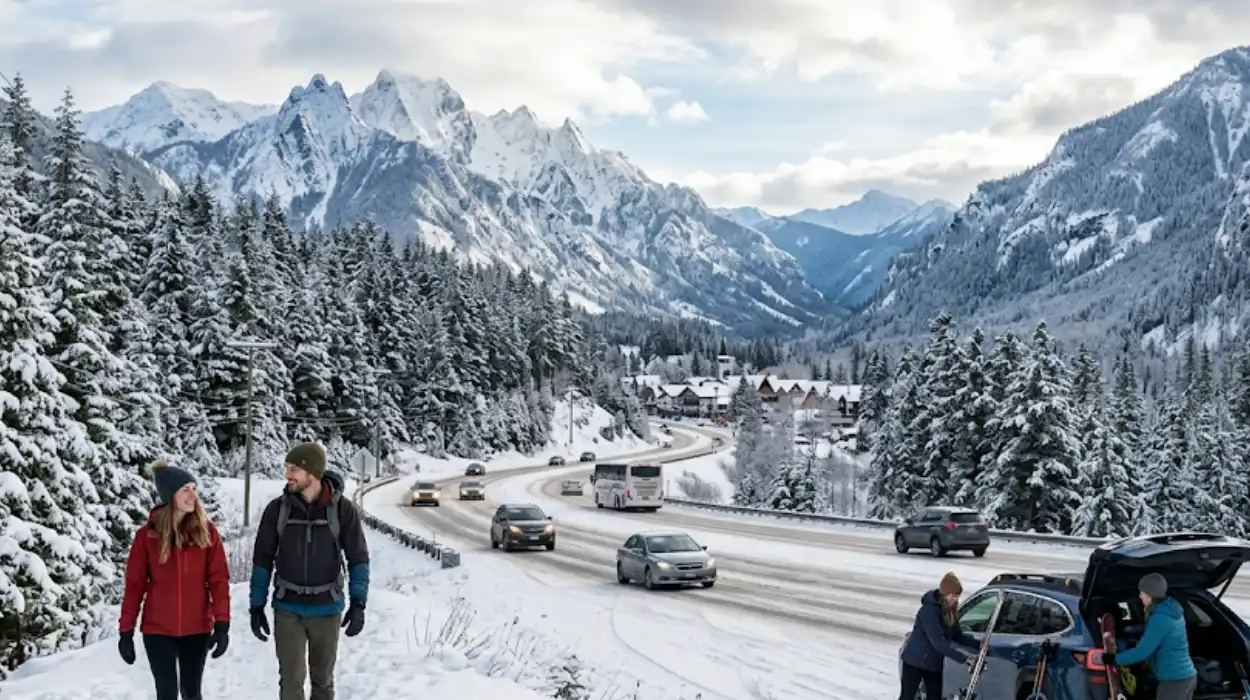
Winter in Washington State offers snow sports, scenic drives, city attractions, and coastal escapes in one season. The state works well for travelers who want mountain recreation, urban outings, and flexible winter itineraries.
- What makes winter in Washington State unique?
- Which winter activities are best in Washington State?
- Where can visitors go snowshoeing or cross-country skiing?
- How do winter conditions affect Mount Rainier travel?
- What winter activities work well in Seattle and nearby cities?
- How should travelers prepare for winter driving in Washington?
- What winter parks and scenic destinations are worth visiting?
- Why does winter in Washington remain relevant for travel planning?
- What is the best winter itinerary for Washington State?
What makes winter in Washington State unique?
Winter in Washington State stands out because the climate changes sharply by region and elevation. The coast stays wet and mild, Seattle stays rainy, and the Cascades and mountain parks turn into snow-heavy travel zones with skiing, snowshoeing, and winter sightseeing.
This variation creates a wide range of winter travel options. A visitor can spend the morning in a city café, the afternoon in a snow park, and the evening watching storms on the coast. That mix makes Washington one of the most diverse winter destinations in the Pacific Northwest.
Winter also shapes how people move through the state. Mountain roads, park gates, and snow conditions affect timing and access. That means winter travel in Washington rewards planning and flexibility.
Which winter activities are best in Washington State?
The best winter activities in Washington State include skiing, snowboarding, snowshoeing, cross-country skiing, sledding, storm watching, and hot spring visits. These activities fit the state’s weather patterns and work across different traveler types.
Skiing and snowboarding are the most familiar winter sports in the mountain regions. Washington has strong alpine terrain, reliable snow at higher elevations, and resorts that draw visitors from across the region. These trips fit travelers who want full-day outdoor recreation.
Snowshoeing is one of the easiest winter activities for beginners. It works well on forest trails, park roads, and Sno-Park routes. Cross-country skiing is another strong option for travelers who want longer-distance movement on groomed snow.
Sledding and general snow play suit families and casual visitors. Storm watching along the coast gives the season a different kind of appeal. For travelers who prefer warmer settings, winter also supports hot drinks, lodging stays, museums, and food-focused city trips.
Where can visitors go snowshoeing or cross-country skiing?
Washington has many good snowshoeing and cross-country skiing areas, especially at Sno-Parks, state parks, and mountain access zones. These areas provide designated winter recreation space with clearer access rules and maintained parking.
Sno-Parks are one of the most useful winter systems in the state. They connect travelers to snow-covered trails, open snowfields, and non-motorized recreation areas. Many visitors use them for day trips because they are easier to reach than remote backcountry routes.
Cross-country skiing works especially well in groomed winter areas. These routes attract people who want fitness, distance, and steady movement rather than downhill speed. Snowshoeing remains the simpler choice for hikers who want to walk on snow without specialized skiing technique.
Mount Rainier’s lower-elevation winter areas also give visitors a strong snow experience. Longmire is a useful winter base because it stays more accessible than higher mountain zones. That makes it a practical choice for travelers who want winter scenery without the hardest road conditions.
How do winter conditions affect Mount Rainier travel?
Mount Rainier winter travel depends on snow, road gates, and vehicle preparation. Access is more limited than in summer, and visitors need to plan around changing conditions, timing restrictions, and chain requirements.
Winter access to the park concentrates around lower elevations. Longmire is the main winter hub, while Paradise becomes the main snow destination when conditions allow. These areas can deliver excellent scenery, but they also depend on weather and road status.
Drivers need to treat winter travel seriously in the park. Chains, traction tires, and careful timing matter. Entering late in the day or arriving without the right equipment creates avoidable problems.
Winter also changes how much time a trip takes. A drive that feels simple in summer can become slow or difficult in snow. That is why Mount Rainier winter travel works best when visitors leave early, check conditions before departure, and build in extra time.
What winter activities work well in Seattle and nearby cities?
Seattle winter travel works best for indoor attractions, neighborhood walks, waterfront views, and food-centered outings. The city stays active in winter, even when rain makes mountain-style recreation less practical.
Museums, aquariums, markets, and galleries are strong winter choices. They give visitors a comfortable way to spend the day without needing snow gear or mountain access. Restaurants and coffee shops also become part of the winter experience.
Seattle also works as a base for short day trips. Travelers can stay in the city and still reach nearby forests, parks, and scenic viewpoints. That flexibility makes the area useful for mixed itineraries.
Winter photography is another draw. Cloud layers, water reflections, and urban lights create strong seasonal visuals. For many visitors, the city offers the easiest and most reliable winter trip in Washington.
How should travelers prepare for winter driving in Washington?
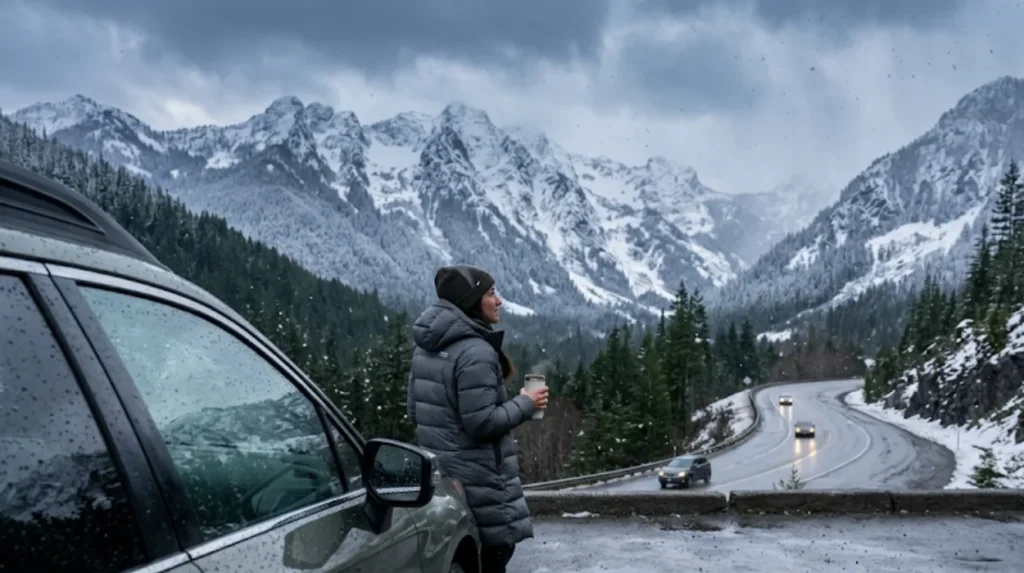
Winter driving in Washington requires planning, traction equipment, and route awareness. Snow, ice, and mountain conditions can change quickly, so drivers need to prepare before they leave.
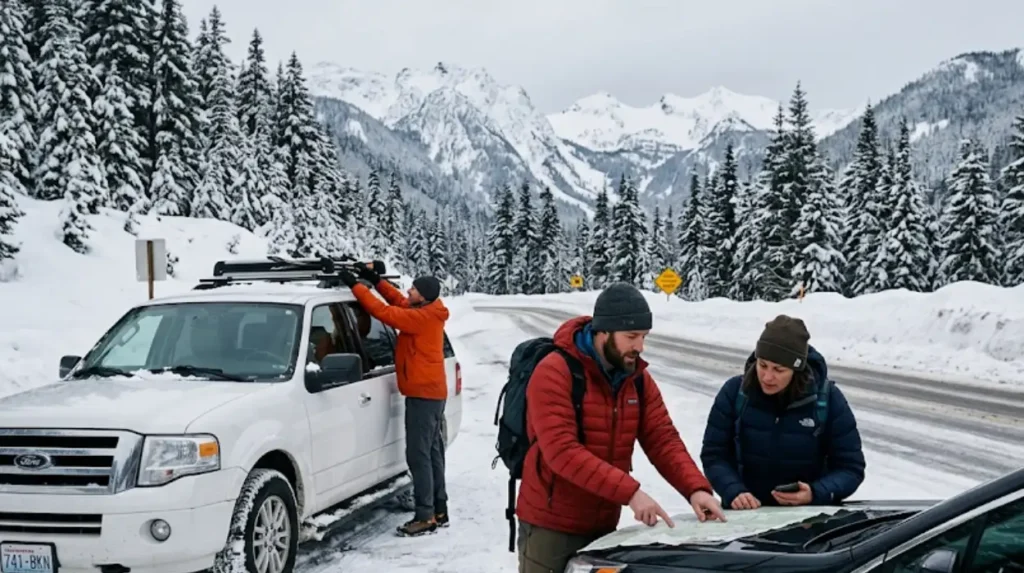
Chains and traction tires are important in mountain travel. A vehicle that handles well in dry weather can still struggle on icy roads or steep grades. That is why drivers should carry the right equipment and know how to use it.
It also helps to plan for slower travel. Winter roads often require reduced speeds, longer stopping distances, and more time for turns and hills. Parking can also be more difficult near trailheads and park entrances.
A good winter driving plan includes fuel, warm clothing, snacks, water, and a backup route. Those basics matter most in remote or high-elevation areas. In Washington, good winter travel usually begins with realistic timing and flexible expectations.
What winter parks and scenic destinations are worth visiting?
Top winter destinations in Washington include Mount Rainier, Sno-Parks, the Olympic Peninsula, and state parks with snow or storm access. These places give visitors different winter experiences without leaving the state.
Mount Rainier is the most famous winter destination because it combines mountain scenery with snow access. It suits travelers who want dramatic landscapes, winter hiking, and park-based recreation. Longmire adds a more accessible option for colder months.
Sno-Parks are the backbone of many winter recreation trips. They support snowshoeing, sledding, and cross-country skiing across different parts of the state. That makes them useful for both short outings and planned weekend trips.
The Olympic Peninsula and coastal areas offer another type of winter travel. Storm watching, misty forests, and quiet beaches create a different seasonal mood. These destinations appeal to visitors who want scenery without heavy snow.
Why does winter in Washington remain relevant for travel planning?
Winter stays important in Washington because it changes road access, recreation options, and trip structure across the state. The season affects where people can go and what they can safely do.
Unlike summer travel, winter in Washington requires more contingency planning. Mountain roads, park access points, and snow levels all influence the day’s options. That makes winter a season where good preparation directly improves the trip.
Winter also remains popular because it offers variety. A single trip can include a city visit, mountain snow, and coastal scenery. Few states provide that combination in such a compact region.
For travel planning, Washington winter content stays useful every year because the same seasonal patterns return. Snow, storms, and road access continue to shape the state’s winter tourism value. That makes it an evergreen topic for travelers and publishers.
What is the best winter itinerary for Washington State?
The best winter itinerary for Washington State combines one city day, one mountain day, and one flexible backup day. This structure covers the state’s main winter experiences while reducing weather-related risk.
A city day works well in Seattle or another major town. It gives travelers a comfortable start and avoids dependence on snow conditions. A mountain day can then focus on skiing, snowshoeing, or a winter park visit.
The backup day matters because Washington weather changes quickly. If roads close or conditions worsen, travelers still have options. That flexibility is especially important for families and first-time winter visitors.
This approach gives a balanced winter trip. It includes outdoor adventure, indoor comfort, and scenic variety. In Washington, that balance is the most practical way to travel in winter.
What is winter like in Washington State?
Winter in Washington State varies by region. The Cascade Mountains receive heavy snowfall for skiing and snowshoeing, Seattle experiences cool rainy weather, and the Pacific coast offers mild temperatures with dramatic storm watching. This regional diversity allows travelers to enjoy mountains, cities, and coastal scenery in a single trip.