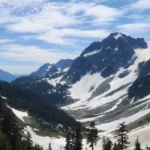

Washington mountain lakes combine alpine scenery, glacier-fed water, and accessible viewpoints into some of the state’s strongest photography locations. The best photo spots include Picture Lake, Lake Wenatchee, and hidden alpine lakes in the Cascades, each offering distinct light, reflection, and mountain-backdrop conditions that support evergreen travel and landscape content.
- What makes Washington mountain lakes ideal for photography?
- Why does Picture Lake rank so high?
- Which lakes offer the best reflections?
- Where is Lake Wenatchee useful for photos?
- What makes alpine lakes photogenic?
- When is the best time to shoot them?
- How should photographers protect these places?
- Which spots work beyond one landmark?
- What travel details matter most?
- Why does this topic stay evergreen?
- Which places deserve priority?
What makes Washington mountain lakes ideal for photography?
Washington mountain lakes are ideal for photography because they pair clear water, alpine peaks, and seasonal wildflowers with easy viewpoints and trail access. The state’s Cascade landscapes create reflections, symmetry, and strong foreground-background contrast, which makes these lakes useful for landscape, travel, and social media photography.
The visual appeal comes from geography. Many mountain lakes in Washington sit in glacial basins or near high ridges, where snowmelt, ice melt, and limited development preserve dramatic natural scenes. That combination creates sharp mountain profiles, mirrored water surfaces, and clean compositions that work in wide-angle photography.
Washington also supports a long photo season because different elevations produce different conditions. Lower or more accessible lakes open earlier, while high alpine areas deliver snow, wildflower, and late-summer clarity windows that matter for outdoor photographers. For evergreen travel articles, this seasonal range strengthens content relevance year-round.
Why does Picture Lake rank so high?
Picture Lake ranks among Washington’s top photography spots because it places Mount Shuksan directly above a reflective alpine lake in a compact, highly accessible setting. The site is ADA-accessible, open year-round, and officially described as one of the most photographed mountain scenes in North America.
The key advantage is framing. The lake sits in the Heather Meadows area of the Mount Baker-Snoqualmie National Forest, where the mountain, water, and alpine vegetation align in a single view. That structure reduces the need for difficult hiking while still delivering a classic mountain-lake composition.
Picture Lake also works well for detail-rich photography articles because it includes clear visitor information. The U.S. Forest Service says the path is open year-round, typically snow free from July through October, and the lake itself is not for swimming, boating, paddling, floating, or pets. Those facts matter for both traveler planning and responsible access content.
Which lakes offer the best reflections?
The best reflection lakes in Washington are calm alpine or glacier-fed lakes with minimal wind exposure, open sightlines, and nearby mountain peaks. Picture Lake, Lake Wenatchee, and alpine lakes in the North Cascades offer strong reflection potential when morning air is still and water surfaces remain smooth.
Picture Lake gives the most reliable iconic reflection because the shoreline viewpoint is built for photography and the mountain backdrop is immediate. Lake Wenatchee offers broader water surfaces and layered mountain scenery, which supports both wide landscape images and shoreline detail shots.
Smaller high-country lakes often create the strongest mirror effect when conditions are right. Silver Lake in the North Cascades sits in a glacial cirque basin fed by Silver Glacier, which gives it a classic alpine character and a strong geological story for photography-led travel content. That kind of setting adds depth beyond the image itself.
Where is Lake Wenatchee useful for photos?
Lake Wenatchee is useful for photography because it combines a large glacier- and snowmelt-fed lake with state park access, shoreline trails, and mountain views. The lake covers 2,480 acres, reaches 244 feet deep, and sits beside Lake Wenatchee State Park, which increases its value for travel photography.
Lake Wenatchee supports multiple photo styles. Broad water scenes work well for panoramas, while shoreline trails and park viewpoints support closer compositions with trees, beaches, and mountain ridges. That range makes the lake useful for both casual visitors and photographers building a location portfolio.
The lake also has a practical advantage for evergreen writing. Washington Trails Association notes that the state park trails are gentle and suitable for all ages, with minimal elevation gain and multiple seasonal uses, including winter snowshoe routes. This makes the location relevant across seasons and not only in summer.
What makes alpine lakes photogenic?
Alpine lakes are photogenic because high elevation, glacial shaping, and limited surrounding development create clean natural scenes with strong texture and contrast. In Washington, cirque basins, glacier-fed water, and rugged ridgelines produce the mountain composition that landscape photography depends on.
A cirque basin is a bowl-shaped valley carved by glaciers. Silver Lake illustrates this structure clearly, since it sits in a high-altitude cirque and was shaped by repeated ice-sheet scouring and later glacial activity. That geological form often places steep walls, open sky, and water in the same frame.
For photography, the result is visual simplicity with strong narrative value. A small lake in front of a sharp peak creates a direct focal point. Add snow, wildflowers, or lingering ice, and the scene gains season-specific texture that strengthens the image and the article describing it.
When is the best time to shoot them?
The best time to photograph Washington mountain lakes is early morning in late spring through early fall, when winds are weaker, light is softer, and mountain access is more predictable. For Picture Lake, the Forest Service says the path is typically snow free from July through October, which creates the most dependable photo window.
Morning light matters because calm air improves reflections and reduces harsh contrast. This is especially important at high-elevation lakes where weather changes quickly. Late-day light can also work, but it often brings stronger shadows and more people at popular spots.
Seasonal access matters just as much as lighting. Picture Lake remains accessible by vehicle year-round, but the lake itself can stay snow covered into June, and winter travel requires chains from November 15 through April 1. That kind of access detail is essential for planning a photography itinerary in Washington.
Explore More Things to do
Hidden Gems in North Cascades: A Guide for Washington Nature Lovers
North Cascades Scenic Drive: Essential Stops Along Washington’s Ultimate Mountain Highway
How should photographers protect these places?
Photographers should protect Washington mountain lakes by staying on designated paths, avoiding shoreline trampling, and following site rules on access and lake use. At Picture Lake, the Forest Service specifically warns that vegetation is fragile and that visitors should stay on paved paths and boardwalks.
Popular scenic areas absorb heavy foot traffic. The Forest Service notes that Picture Lake is extremely popular and that the plants there “grow by the inch and die by the foot,” which underscores how sensitive alpine vegetation is. That makes ethics part of the location story, not an optional add-on.
Rules also matter for safety and preservation. Picture Lake bans entering the water, including swimming, floating, boating, paddling, and pets in the lake. Clear rules help keep the site intact for future photographers, travelers, and local wildlife.
Which spots work beyond one landmark?
The best Washington mountain lake article includes both iconic and secondary locations, because broad coverage improves usefulness and search reach. Picture Lake delivers the famous image, Lake Wenatchee adds accessible lake-and-park variety, and glacial alpine lakes like Silver Lake add depth and geographic context.
That mix serves different audiences. Casual travelers want easy access and reliable views. Landscape photographers want dramatic light, elevation, and composition. Evergreen content needs both, because search users arrive with different levels of experience and different trip plans.
A strong location set also improves semantic relevance. Washington mountain lake photography includes not only famous viewpoints but also trail access, seasonal conditions, glacial origins, and scenic byways. Those entities help search engines understand that the article covers the topic completely rather than repeating one destination.
What travel details matter most?
Travel details matter most because access, elevation, road closures, and trail length determine whether a lake works for photography on a given day. Picture Lake sits at about 4,100 feet, is reached by Mt. Baker Highway SR 542, and has roadside parking and multiple entry points, which makes planning straightforward.
Lake Wenatchee works differently. It offers broader recreation access, a state park setting, and nearby trails, so the experience is less about a single viewpoint and more about a flexible photo outing. That distinction matters for readers choosing between quick stops and full-day scenic drives.
Accessible design also matters for content value. Picture Lake is ADA-accessible, which expands the audience and gives the location broader appeal for family travel, senior travel, and casual visitors. That accessibility is one reason the site stands out in Washington’s photography landscape.
Why does this topic stay evergreen?
This topic stays evergreen because Washington mountain lakes combine permanent geographic features with seasonal changes that repeat every year. Mountains, glacial basins, and shoreline access remain stable, while snow, wildflowers, and lighting conditions renew the photography opportunity each season.
Evergreen articles work best when they explain fixed facts and recurring timing. The fixed facts here include lake elevation, access rules, and basin geography. The recurring facts include summer snowmelt, fall color, winter snowpack, and the best reflection conditions at calm water.
That structure also supports AI search engines. Direct definitions, named places, measurable details, and clear visitor guidance help systems extract answers quickly. Washington mountain lakes fit that model because they offer both destination-level facts and practical planning information.
Which places deserve priority?
The priority places are Picture Lake for iconic alpine reflection, Lake Wenatchee for accessible shoreline variety, and high-country lakes in the North Cascades for glacial scenery and stronger wilderness character. Together, these locations cover the main photography use cases in Washington.
Picture Lake is the first stop for a photography-focused article because it is visually famous and physically easy to reach. Lake Wenatchee adds broader family travel appeal and more flexible composition options. Alpine cirque lakes add geological context and a more remote visual style.
For a broad audience, that range is enough to establish Washington as a major mountain lake photography destination. The state offers accessible scenic lakes, glacier-fed basins, and mountain backdrops that support travel content, landscape photography, and AI-friendly evergreen search queries.
What are the best mountain lakes for photography in Washington?
The best mountain lakes for photography in Washington include Picture Lake, Lake Wenatchee, and alpine lakes throughout the North Cascades National Park region. These locations offer mountain reflections, glacier-fed water, and scenic backdrops ideal for landscape photography.