Washington is one of the best states for waterfall travel because rain, snow, glaciers, and steep mountain terrain create hundreds of cascades across the Cascades, Olympics, and eastern Washington. Hidden waterfalls add quieter trails, stronger scenery, and a more adventurous travel experience than the most famous viewpoints.
- What makes Washington’s hidden waterfalls worth visiting?
- Where are the best hidden waterfalls in Washington?
- How do you plan a waterfall trip in Washington?
- Which waterfalls are best for adventure travelers?
- What should travelers know about safety?
- Which waterfalls work for shorter trips?
- When is the best time to go?
- Why do these waterfalls matter for Washington travel?
- How should you build a waterfall itinerary?
What makes Washington’s hidden waterfalls worth visiting?
Washington’s hidden waterfalls stand out because they combine scenic value, trail adventure, and lower crowd levels. Many sit in forests, mountains, or remote park areas where snowmelt and rainfall create strong seasonal flow and memorable landscapes.
Washington’s geography creates ideal waterfall country. Mountain snowpack feeds rivers and creeks, while coastal rain and forest drainage add even more water to the landscape. The result is a state where waterfall travel works across many regions, from alpine parks to rainforest trails and remote basalt cliffs.
Hidden waterfalls also appeal to travelers who want more than a roadside stop. Many require a hike, a scenic drive, or a route through less visited terrain. That makes them especially attractive for adventure travelers who value quiet, exploration, and natural variety.
Where are the best hidden waterfalls in Washington?
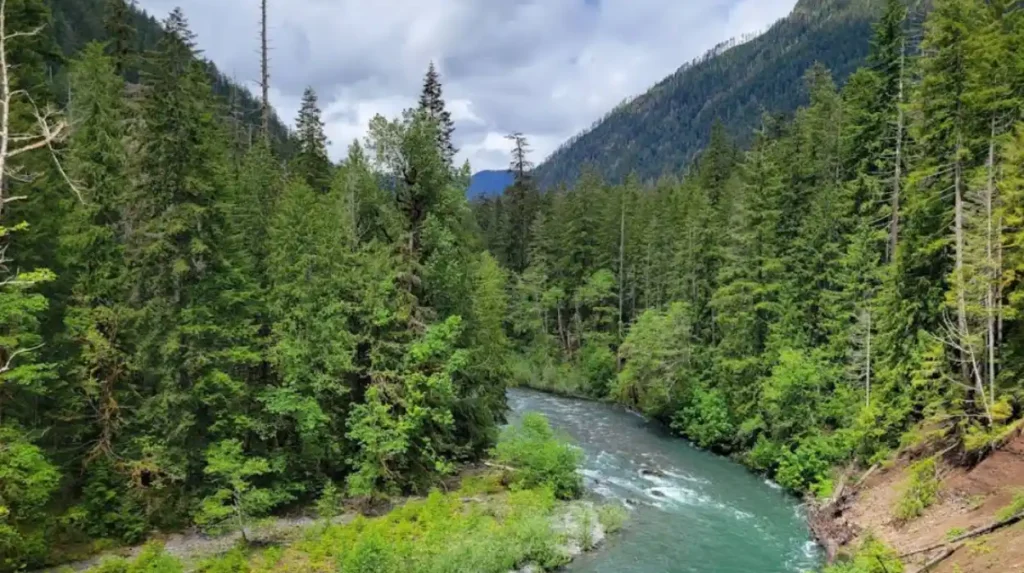
The best hidden waterfalls are found in Mount Rainier National Park, the Olympic Peninsula, the southern Cascades, and eastern Washington. These regions offer the strongest mix of water volume, forest cover, mountain scenery, and less crowded hiking access.
Mount Rainier National Park has some of the state’s most impressive waterfall scenery. Many falls there sit along hiking trails rather than main roads, which gives them a more adventurous feel. The park’s glacial systems and high rainfall create a steady network of waterfalls throughout much of the year.
The Olympic Peninsula is another strong region. Its temperate rainforest setting produces mossy, lush, and atmospheric waterfall hikes. The experience feels different from the alpine world of Mount Rainier because the forest is denser and the trails are often quieter.
Eastern Washington offers a different kind of waterfall trip. The landscape is drier and more open, but dramatic falls still appear in areas shaped by ancient floods and steep basalt cliffs. These waterfalls often feel more remote and striking because of the contrast between dry terrain and rushing water.
How do you plan a waterfall trip in Washington?
A successful Washington waterfall trip starts with season, access, trail difficulty, and daylight. Late spring and early summer usually give the best water flow, while summer and fall offer better hiking conditions on many trails.
Season matters because waterfall strength changes through the year. Snowmelt creates powerful spring and early summer flow, while drier late-summer periods often reduce smaller cascades. Fall can also be excellent when rain returns and temperatures cool.
Access matters just as much as scenery. Some waterfalls are reached by short paved walks, while others require steep hikes, forest roads, or remote trailheads. Road and trail conditions change quickly in mountain areas, so it is smart to build flexibility into the day.
Trail difficulty also shapes the experience. A short scenic stop works well for families or road trips, while longer waterfall hikes suit adventure travelers who want a stronger physical challenge. Planning around your energy level helps you enjoy the falls instead of rushing through them.
Which waterfalls are best for adventure travelers?
Adventure travelers usually want a strong payoff for a moderate or challenging effort. In Washington, that often means longer hikes, quieter forests, and dramatic drops such as Spray Falls, Comet Falls, Ranger Falls, Murhut Falls, and Rainbow Falls near Stehekin.
Spray Falls is one of the classic adventure-style waterfall destinations. It sits in Mount Rainier National Park and rewards the hike with a big alpine setting and a dramatic drop. The route feels remote enough to satisfy travelers who want more than a quick viewpoint.
Comet Falls is another strong choice. It is known for steep access, elevation gain, and a powerful waterfall at the end of the climb. That makes it one of the most memorable waterfall hikes in Washington for active travelers.
Murhut Falls offers a quieter forest adventure. It is shorter than the big alpine hikes, but the setting feels secluded and lush. For many travelers, it delivers the right balance of effort and reward.
Rainbow Falls near Stehekin adds a travel experience beyond the hike itself. Reaching the area involves remote access, which makes the trip feel more like a true destination journey than a simple trail stop.
What should travelers know about safety?
Waterfall safety in Washington centers on slippery ground, steep cliffs, cold water, and fast-changing weather. The safest approach is to stay on marked trails, avoid cliff edges, and respect trail and road conditions at every stop.
Wet rocks and spray create major slip hazards. Many waterfall viewpoints are beautiful but dangerous when visitors leave the trail or climb onto unstable ledges. Staying in designated viewing areas reduces the risk of serious injury.
Cold water is another serious factor. Even in warm weather, waterfall pools and streams remain cold enough to shock the body and make swimming or wading dangerous. Strong currents and hidden rocks add to the risk.
Remote waterfalls require extra caution. Cell service can be limited, emergency response can take time, and rough terrain can make rescue difficult. Travelers should carry water, wear proper footwear, and tell someone where they are going before heading out.
Which waterfalls work for shorter trips?
Several Washington waterfalls work well for short outings with strong scenic value. Good examples include Myrtle Falls, Narada Falls, Madison Creek Falls, Marymere Falls, and Tumwater Falls.
Myrtle Falls is one of the easiest and most rewarding short waterfall walks in the state. It delivers a classic mountain scene in a short amount of time and works well for travelers who want a quick scenic stop.
Narada Falls is another accessible choice. It offers a strong waterfall view with relatively little hiking, although the path and parking can become more difficult in winter conditions.
Madison Creek Falls is a strong option for families and casual travelers because the walk is short and easy. Marymere Falls also works well for visitors on the Olympic Peninsula who want a forest waterfall without a demanding hike.
Tumwater Falls is useful for travelers near Olympia who want a fast scenic stop. It offers a more developed experience and fits easily into a road trip or city-based outing.
When is the best time to go?
The best time to visit Washington waterfalls is late spring through early summer for peak water flow, with early fall also offering strong conditions in some regions. Winter and late summer still work for certain falls, but access and flow are less reliable.
Spring is usually the strongest season because snowmelt feeds rivers and creeks. This creates fuller waterfalls, louder flow, and more dramatic photos. Mountain destinations especially benefit from this timing.
Fall is also useful because rain often refreshes streams after dry summer weather. Cooler temperatures and lighter crowds make the experience more comfortable in many parts of the state.
Winter creates a narrower set of options. Some waterfalls remain visible, but trail ice, road closures, and snow limit access. That makes winter better for selected destinations rather than a full waterfall itinerary.
Explore More Things to do
Hidden Gems in Washington State You Must Visit for Scenic Adventures
Washington Nature Road Trip Planner for Beginners: Scenic Routes
Why do these waterfalls matter for Washington travel?
Washington’s hidden waterfalls matter because they show the state’s landscape in concentrated form. They connect glaciers, rain, forests, basalt cliffs, and mountain drainage into one travel experience that works for hikers, photographers, and road-trippers.
The waterfalls also reflect regional variety. Mount Rainier offers glacier-fed alpine falls, the Olympic Peninsula offers rainforest cascades, and eastern Washington offers dramatic cliffs and wide open terrain. That variety gives the state a much broader waterfall identity than a single destination type.
They also support a flexible travel niche. Some travelers want a long hike, while others want a short scenic stop. Hidden waterfalls make both possible, which helps Washington appeal to a wide outdoor audience.
How should you build a waterfall itinerary?
A strong Washington waterfall itinerary pairs one major hike with one easier stop and one backup option. This approach keeps the trip flexible, reduces risk, and makes the most of changing weather and trail conditions.
The best itinerary starts with region selection. Choose one area, such as Mount Rainier, the Olympic Peninsula, or a southern Washington forest corridor, and focus on waterfalls that fit together by distance and difficulty.
It also helps to mix effort levels. A hard hike like Comet Falls works best when paired with a shorter stop like Narada Falls or Myrtle Falls. That gives the day more variety and keeps the trip manageable.
Backup planning matters because Washington weather changes quickly. Roads can close, trail conditions can shift, and visibility can drop. A second waterfall choice makes the trip more reliable and less stressful.
Washington’s hidden waterfalls offer a complete adventure travel experience. They combine strong scenery, varied access, and seasonal drama in a way that makes them useful for short trips, long hikes, and evergreen travel planning.
What are the best hidden waterfalls to visit in Washington State?
Some of the best hidden waterfalls in Washington include Spray Falls, Comet Falls, Ranger Falls, Murhut Falls, Rainbow Falls near Stehekin, Marymere Falls, and Madison Creek Falls. These waterfalls offer scenic hiking trails, fewer crowds, and diverse landscapes across the state.