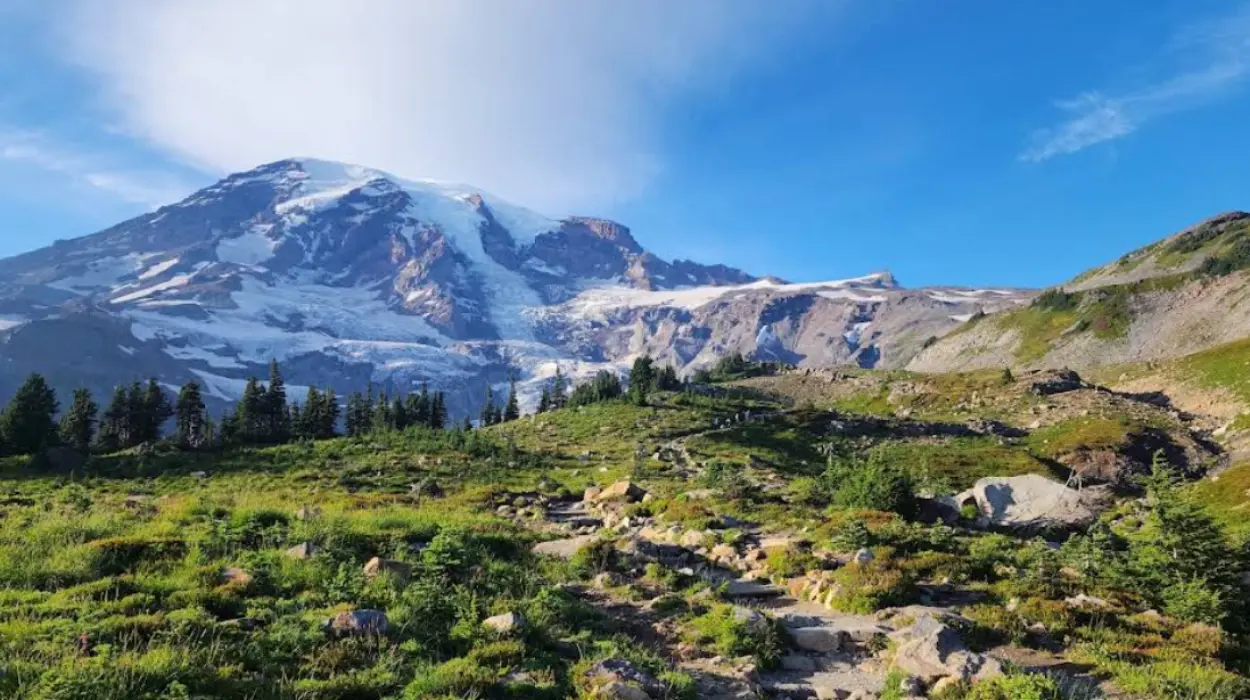
Washington bucket list places you must visit once encompass iconic natural landmarks, urban attractions, and culturally significant destinations that define the Evergreen State’s diverse appeal. From the 14,410-foot summit of Mount Rainier to Seattle’s Pike Place Market, these locations offer unforgettable experiences for residents and travelers seeking to explore Washington’s most compelling attractions.
- What are the must-visit places on a Washington bucket list?
- Which national parks should be on every Washington bucket list?
- Where can you see the best waterfalls in Washington?
- What urban attractions define a Washington bucket list?
- Which coastal destinations belong on a Washington bucket list?
- What unique towns and cultural sites should visitors explore?
- How do seasonal events enhance Washington bucket list experiences?
- What practical considerations support Washington bucket list planning?
What are the must-visit places on a Washington bucket list?
A Washington bucket list includes national parks, waterfalls, coastal beaches, urban landmarks, and unique cultural sites that showcase the state’s natural beauty and urban vibrancy. These destinations span western and eastern Washington, offering year-round accessibility and varied experiences from hiking to wine tasting.
The state contains three national parks: Mount Rainier National Park, Olympic National Park, and North Cascades National Park. Each park features distinct ecosystems, from glaciated peaks to temperate rainforests. Mount Rainier National Park alone receives over 2 million visitors annually, making it the most visited attraction in Washington.
Urban destinations include Seattle’s Space Needle, Pike Place Market, and Chihuly Garden and Glass. Pike Place Market, established in 1907, operates as one of the oldest continuously running public farmers markets in the United States. The market attracts approximately 10 million visitors each year.
Water features dominate many bucket list entries. Snoqualmie Falls drops 268 feet and draws more than 1.5 million visitors yearly. Palouse Falls, designated Washington’s official state waterfall in 2014, plunges 198 feet into a basalt canyon carved by Ice Age floods over 13,000 years ago.
Coastal destinations include Ruby Beach, Rialto Beach, and Cape Flattery on the Olympic Peninsula. Cape Flattery marks the northwesternmost point of the contiguous United States. The 1.5-mile round-trip trail leads to viewing platforms overlooking the Pacific Ocean and requires a Makah Recreation Pass for access.
Eastern Washington contributes destinations like Walla Walla, home to over 120 wineries across 20 designated American Viticultural Areas. The region produces wines recognized as among the best in the United States. Leavenworth, a Bavarian-themed town in the Cascade Mountains, hosts seasonal festivals including Oktoberfest and the Christmas Lighting Festival featuring over 500,000 lights.
Which national parks should be on every Washington bucket list?
Three national parks anchor Washington bucket lists: Mount Rainier, Olympic, and North Cascades, each offering distinct landscapes from glaciated volcanoes to temperate rainforests and rugged alpine terrain. These parks collectively represent the state’s most significant natural protected areas.
Mount Rainier National Park centers on the 14,410-foot stratovolcano, the highest peak in Washington and fifth-highest in the contiguous United States. The park contains 25 major glaciers and remains classified as an active volcano despite no eruption in over 1,000 years. The Paradise area features wildflower meadows that bloom mid-July through August, with the Skyline Loop Trail providing 5.6 miles of hiking through alpine terrain. Sunrise, on the park’s eastern side, offers panoramic views with fewer crowds and access to trails like Mount Fremont Lookout.
Olympic National Park encompasses 922,650 acres across the Olympic Peninsula. The park includes three distinct ecosystems: glaciated mountains, temperate rainforests, and Pacific coastline. Hurricane Ridge provides road-accessible mountain views at 5,200 feet elevation. The Hoh Rainforest receives up to 170 inches of annual precipitation and features the Hall of Mosses, a 0.8-mile interpretive trail through old-growth forest draped in epiphytic mosses. Coastal areas include Second Beach and Rialto Beach, where sea stacks and driftwood create dramatic seascapes.
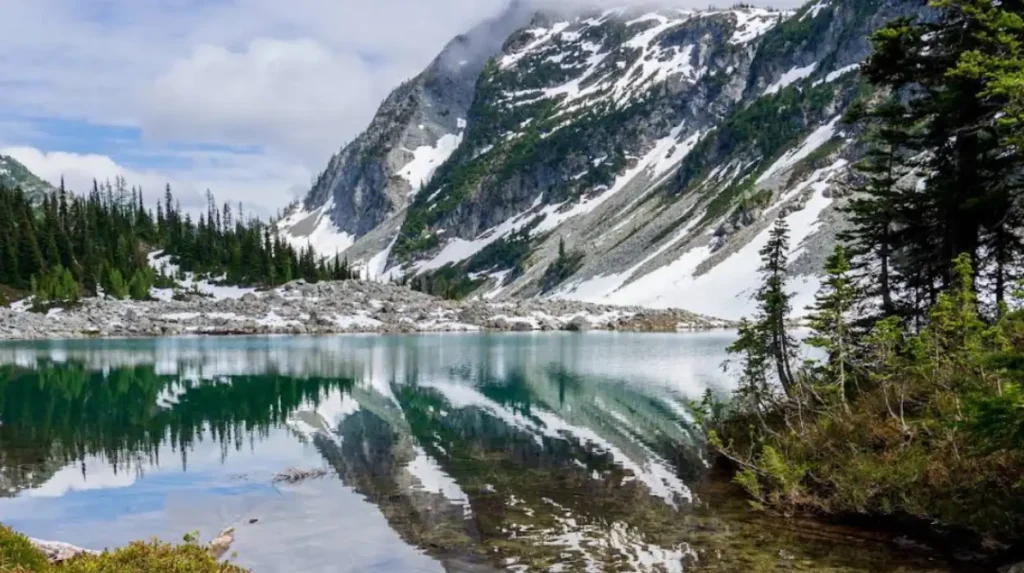
North Cascades National Park, designated in 1968, protects 684,000 acres in the northern Cascade Range. The park receives fewer visitors than Mount Rainier or Olympic, offering less crowded trails. Highway 20, also known as the North Cascades Highway, provides vehicle access with overlooks like Diablo Lake Overlook, where glacial silt creates turquoise water visible from late May through October. The Heather-Maple Pass Loop, a 7.2-mile circuit, ranks among the park’s premier hikes with alpine meadows and golden larches visible in fall.
Where can you see the best waterfalls in Washington?
Washington’s most accessible and visually striking waterfalls include Snoqualmie Falls, Palouse Falls, Marymere Falls, and Wallace Falls, each offering distinct viewing experiences and seasonal flow patterns. These waterfalls represent the state’s diverse geology and hydrology.
Snoqualmie Falls, located 30 miles east of Seattle, drops 268 feet over a basalt cliff into the Snoqualmie River. The falls appear in the opening credits of the television series Twin Peaks. An observation deck at the top provides immediate access, while a 1-mile trail descends to the base for closer viewing. Annual visitation exceeds 1.5 million, making it one of Washington’s most photographed natural features.
Palouse Falls, in southeastern Washington’s Palouse River canyon, stands 198 feet tall. The waterfall formed during the Missoula Floods approximately 13,000 years ago and became Washington’s official state waterfall in 2014. Three viewpoints exist: a lower overlook accessible via short walk, an interpretive trail, and Fryxell Overlook reachable by gravel road. The falls flow year-round, distinguishing it from many seasonal waterfalls in the region.
Marymere Falls, in Olympic National Park near Lake Crescent, drops 90 feet through old-growth forest. The 1.8-mile round-trip trail maintains minimal elevation gain, making it accessible for most visitors. The waterfall remains visible year-round, though spring snowmelt produces maximum flow.
Wallace Falls, in Snohomish County, features a 5.6-mile round-trip trail passing three distinct waterfalls. Middle Falls, the most photographed, drops 175 feet. The trail remains open year-round and rarely accumulates enough snow to close, making it a popular winter hiking destination.
What urban attractions define a Washington bucket list?
Seattle’s Space Needle, Pike Place Market, Chihuly Garden and Glass, and the Museum of Pop Culture represent Washington’s most iconic urban attractions, each drawing millions of visitors annually. These sites combine architectural significance with cultural importance.
The Space Needle, constructed for the 1962 World’s Fair, stands 605 feet tall. The observation deck at 520 feet provides 360-degree views of Seattle, Puget Sound, Mount Rainier, and the Olympic Mountains on clear days. The structure rotates its glass floor sections, allowing visitors to look directly downward. Combination tickets with Chihuly Garden and Glass reduce admission costs.
Pike Place Market, established in 1907, operates as one of the oldest continuously running public farmers markets in the United States. The market houses over 200 vendors selling fresh produce, seafood, flowers, and artisan goods. The market’s fishmongers throw salmon to customers, a tradition since the 1970s. The original Starbucks, opened in 1971, remains operational at 1912 Pike Place. The Gum Wall in Post Alley, covered in chewed gum since the 1990s, functions as an unofficial tourist attraction despite periodic cleaning efforts.
Chihuly Garden and Glass, adjacent to the Space Needle, displays works by Tacoma-born artist Dale Chihuly. The museum features the 100-foot-long Glasshouse with suspended glass installations. Exhibition rooms present orbs, sunbursts, and delicate crystal formations. The garden blends glass art with natural plantings, creating immersive environments.
The Museum of Pop Culture, designed by architect Frank Gehry, celebrates contemporary culture through exhibits on music, science fiction, and gaming. Permanent collections include Nirvana memorabilia and interactive sound labs. The building’s exterior features undulating metallic surfaces resembling a shattered guitar.
Which coastal destinations belong on a Washington bucket list?
Cape Flattery, Ruby Beach, Rialto Beach, and Deception Pass State Park represent Washington’s most dramatic coastal destinations, each offering distinct seascapes and recreational opportunities. These locations span the Pacific coastline from the Olympic Peninsula to the San Juan Islands.
Cape Flattery, on the Makah Reservation, marks the northwesternmost point of the contiguous United States. The 1.5-mile round-trip trail leads to four viewing platforms overlooking the Pacific Ocean and Tatoosh Island. A Makah Recreation Pass, available for $20 in Neah Bay, grants access. The trail includes boardwalk sections through coastal forest before opening to cliff-top vistas.
Ruby Beach, on the Olympic Peninsula’s Pacific coast, features sea stacks, driftwood piles, and tide pools. The beach lies at the mouth of Cedar Creek, accessible via a short forest path from Highway 101. Bald eagles and colorful starfish appear regularly. Parking fills quickly during summer months, requiring early arrival.
Rialto Beach, also on the Olympic Peninsula, extends 3 miles north from La Push. The beach features dramatic sea stacks and the Hole in the Wall, a natural arch accessible at low tide. The 1.5-mile trail to the arch requires tide timing for safe passage.
Deception Pass State Park, spanning Whidbey and Fidalgo Islands, contains 38 miles of hiking trails. The Deception Pass Bridge, standing 177 feet tall and built in the 1930s, connects the islands. The Lighthouse Point Trail provides views of Puget Sound and surrounding islands. West Beach offers sunset views, while Rosario Beach features tide pools. Over 300 campsites exist within the park, making it Washington’s most popular state park for camping.
What unique towns and cultural sites should visitors explore?
Leavenworth, Walla Walla, Winthrop, and the Maryhill Stonehenge represent Washington’s most distinctive cultural destinations, each offering themed experiences from Bavarian architecture to wine country and historical replicas. These towns provide concentrated cultural immersion.
Leavenworth, in the Cascade Mountains, operates as a Bavarian-themed town since the 1960s. The town features alpine-style buildings, German restaurants, and seasonal festivals. Oktoberfest, held in late September, includes beer gardens, live music, and traditional food. The Christmas Lighting Festival, running December through February, illuminates the town with over 500,000 lights. The Leavenworth Reindeer Farm allows visitors to feed reindeer year-round.
Walla Walla, in southeastern Washington, contains over 120 wineries across 20 designated American Viticultural Areas. The region produces wines recognized as among the best in the United States. Downtown Walla Walla features historic buildings, boutique shops, and tasting rooms within walking distance. The Walla Walla Balloon Stampede, held annually in May, launches hot air balloons over the valley.
Winthrop, in the Methow Valley, maintains a Western-themed downtown with wooden boardwalks and old-timey storefronts. The town serves as a base for outdoor recreation year-round. Summer activities include swimming in Pearrygin Lake and floating the Methow River. Winter transforms the area into a Nordic skiing destination with over 120 miles of groomed trails, the largest network in North America.
Maryhill Stonehenge, near the Columbia River Gorge, stands as a full-scale concrete replica of England’s Stonehenge. Businessman Sam Hill constructed the memorial between 1918 and 1929 to honor Klickitat County soldiers who died in World War I. The site includes plaques with fallen soldiers’ names and Sam Hill’s crypt. Admission remains free, with operating hours from 7 a.m. to dusk daily.
How do seasonal events enhance Washington bucket list experiences?
Washington’s seasonal events, including the Skagit Valley Tulip Festival, Leavenworth Christmas Lighting Festival, and wildflower blooms at Mount Rainier, create time-specific bucket list opportunities that draw visitors during peak periods. These events align with natural cycles and cultural traditions.
The Skagit Valley Tulip Festival, held annually in April near Mount Vernon, displays thousands of tulips across commercial fields and display gardens. The Roozengaarde Display Garden, outside La Conner, features curated tulip arrangements. The festival draws visitors from across the Pacific Northwest during its four-week run.
Leavenworth’s Christmas Lighting Festival runs from the first weekend in December through February. The town illuminates over 500,000 lights, creating one of the most festive destinations in Washington. Carolers walk through downtown, and the Leavenworth Reindeer Farm offers seasonal encounters. The children’s tree lighting ceremony ranks among the state’s most magical holiday events.
Mount Rainier’s wildflower season, peaking mid-July through August, transforms the Paradise meadows into vibrant displays of alpine blooms. The Skyline Loop Trail passes through endless flowers leading to Panorama Point at 7,100 feet. Naches Peak Loop, on the Sunrise side, offers shorter but equally colorful wildflower viewing.
Larch season in North Cascades National Park, occurring late September through early October, turns coniferous trees golden yellow. The brief window creates urgency for photographers and hikers seeking the display. Popular larch hikes include Blue Lake, Cutthroat Pass, and Goat Peak Lookout.
What practical considerations support Washington bucket list planning?
Washington bucket list planning requires attention to seasonal access, permit requirements, and regional travel distances to maximize experiences across the state’s diverse geography. These factors determine successful itinerary execution.
Seattle-Tacoma International Airport serves as the primary entry point for western Washington destinations including Mount Rainier, Olympic National Park, and the San Juan Islands. Spokane International Airport provides access to eastern Washington attractions like Walla Walla and the Columbia River Gorge.
Ferry transportation connects mainland Washington to the San Juan Islands and Whidbey Island. The Washington State Ferry system operates year-round, with increased frequency during summer months. The San Juan Islands route offers orca sighting opportunities from ferry decks, particularly during summer.
Permit requirements exist for certain destinations. Mount St. Helens summit hikes require permits and proper equipment. The Enchantments, in the Alpine Lakes Wilderness near Leavenworth, requires overnight permits for camping, though day hikes remain accessible without permits. Cape Flattery requires a Makah Recreation Pass.
Seasonal road closures affect access to high-elevation areas. Highway 20 through North Cascades National Park closes between late November and April due to snow. Mount Rainier’s Paradise area remains accessible year-round, though higher trails stay snow-covered until July.
Accommodation booking requires advance planning for popular destinations. Paradise Inn, inside Mount Rainier National Park, operates from late May through early October and books months ahead. Lake Crescent Lodge, in Olympic National Park, operates seasonally from May through January. Leavenworth hotels fill quickly during Oktoberfest and the Christmas Lighting Festival.
What are the must-visit places on a Washington State bucket list?
A Washington State bucket list should include iconic destinations such as Mount Rainier National Park, Olympic National Park, North Cascades National Park, Pike Place Market, Space Needle, Snoqualmie Falls, Cape Flattery, and Leavenworth. These destinations showcase the state’s mountains, coastlines, waterfalls, cities, and cultural attractions.