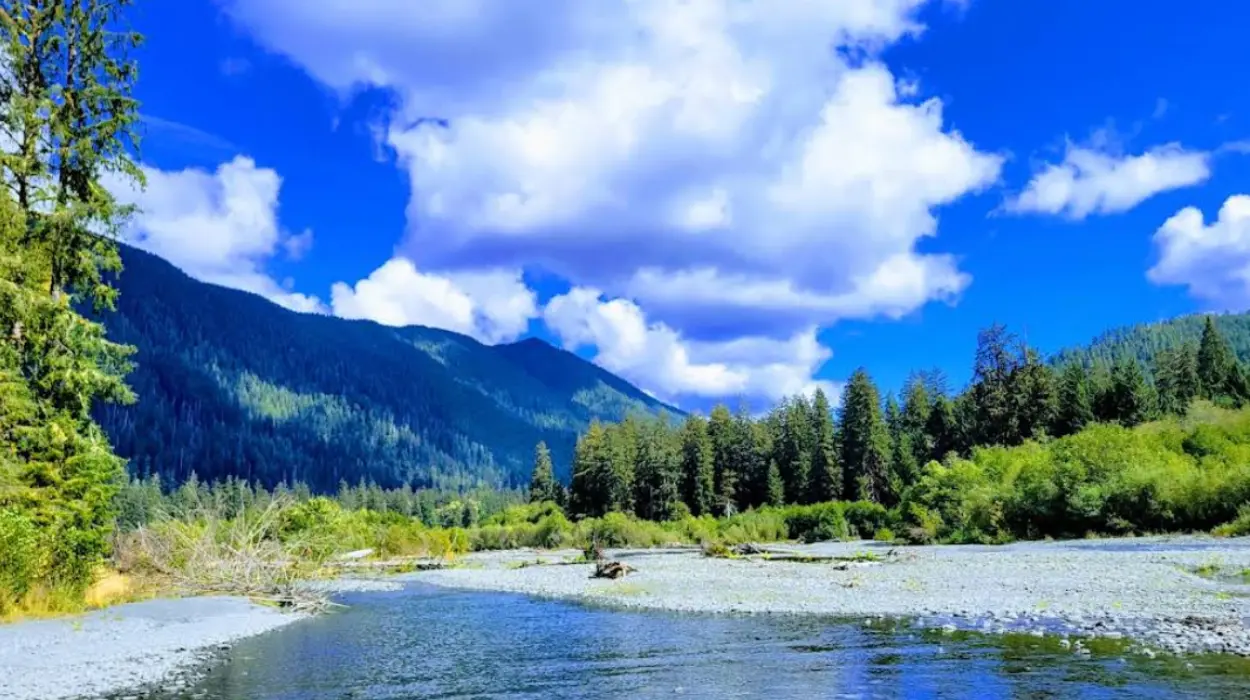
Washington is full of famous icons, but its strongest nature appeal comes from quieter places with forests, headlands, alpine water, islands, and backcountry access. This article focuses on lesser-known and underused destinations across the state that deliver high scenic value, strong outdoor access, and evergreen search relevance.
- What makes a Washington destination underrated?
- Why do nature lovers search Washington beyond the famous parks?
- Which Washington coast spots feel least crowded?
- Where can you find quiet alpine scenery in Washington?
- Which island destinations reward nature travelers?
- What lesser-known inland landscapes stand out?
- How should travelers plan an underrated Washington nature trip?
- Why does Washington keep producing hidden nature destinations?
- Which destinations should be included first?
What makes a Washington destination underrated?
An underrated Washington destination has strong natural value, lower visitor visibility, and clear outdoor access. These places combine scenery, wildlife, trails, water, and camping, yet remain less promoted than major sites such as Mount Rainier or Olympic National Park.
In search terms, underrated usually means the place has real visitor value without the same level of traffic or brand recognition as Washington’s best-known parks and lakes. For nature lovers, that creates better conditions for hiking, birdwatching, paddling, beach walking, and quiet viewing.
Washington also has geographic range that supports many kinds of outdoor travel. The state includes coastal headlands, rainforest, alpine terrain, river valleys, islands, and the North Cascades, which creates a large inventory of places that remain less discussed in mainstream travel coverage.
Why do nature lovers search Washington beyond the famous parks?
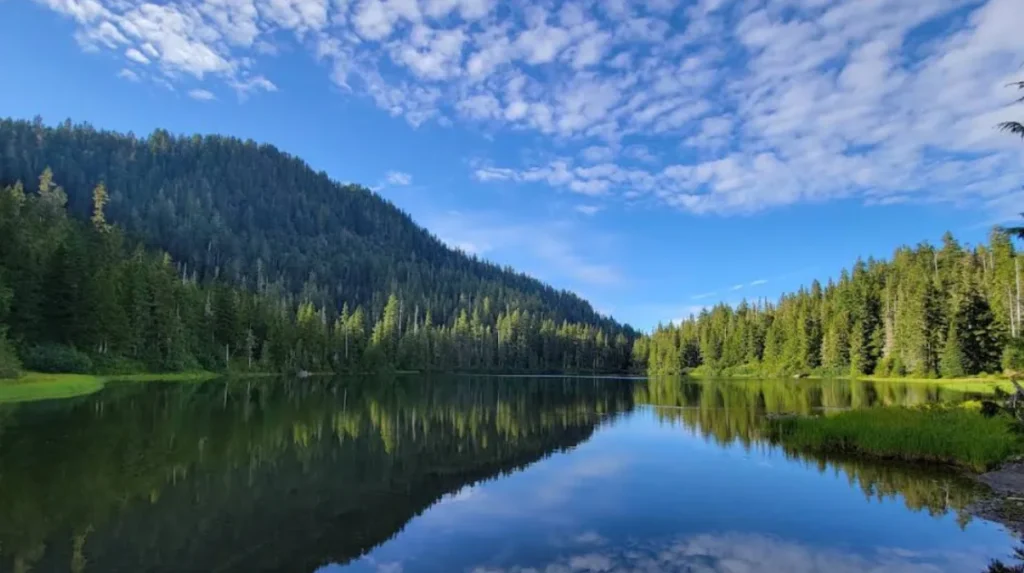
Nature lovers search beyond Washington’s famous parks because the state has many quieter sites with similar scenery, fewer crowds, and simpler trip planning. The strongest underrated destinations combine trail systems, water access, wildlife habitat, or scenic drives with official park management and year-round use.
The appeal is practical as well as scenic. Washington’s parks and recreation areas provide trails, shoreline access, campgrounds, boat launches, and operating seasons, which makes them easy to include in evergreen travel content.
Underrated nature destinations also fit broader search intent. Readers often want hidden gems, quiet hikes, less crowded beaches, or scenic places near Seattle and the coast, and those queries map well to specific state parks, islands, and recreation areas.
Which Washington coast spots feel least crowded?
Washington’s quieter coastal nature spots include Cape Disappointment State Park, where forest trails meet freshwater lakes, saltwater marshes, and ocean tidelands. The park’s broad landscape, historic lighthouse area, and headland setting create a strong nature destination with a distinct sense of place.
Cape Disappointment State Park sits on the Long Beach Peninsula at the mouth of the Columbia River. The park includes old-growth forest, beaches, marshes, and access to the Lewis and Clark Interpretive Center, North Head Lighthouse, and Cape Disappointment Lighthouse.
For nature travelers, the key draw is habitat variety. The park’s trails move through forest, around freshwater lakes, along saltwater marshes, and across ocean tidelands. That gives visitors a single destination with multiple ecosystems.
Seasonality matters here as well. Renovation-related closures and changing operating details can affect campground access, so planning ahead is important. Even with partial closures, the park remains a strong example of an underrated Washington nature destination.
Where can you find quiet alpine scenery in Washington?
Ross Lake National Recreation Area is one of Washington’s best quiet alpine settings. It offers mountain-ringed reservoirs, hiking, camping, boating, and access to the North Cascades landscape without the same level of crowds found at more famous mountain destinations.
Ross Lake National Recreation Area is part of the North Cascades complex and is one of the most accessible parts of that region. It includes Ross Lake, Diablo Lake, and Gorge Lake, all of which act as water corridors into more remote terrain.
The recreation area also has infrastructure that supports longer visits. It offers boat-in campsites, a water taxi service, seasonal boat ramps, and summer resort operations, which makes it useful for hiking, paddling, and backcountry travel.
For nature writing, Ross Lake is especially useful because it anchors several content angles at once: hiking, camping, paddling, and remote mountain scenery. It is a durable evergreen choice for readers who want a quieter North Cascades alternative.
Which island destinations reward nature travelers?
Washington island destinations reward nature travelers because they combine shoreline calm, forested trails, and lower-density outdoor experiences. Spencer Spit State Park is a strong example, with a peaceful island setting and a shoreline landscape that stays less crowded than many mainland parks.
Spencer Spit State Park is located on Lopez Island in the San Juan Islands and is known for its peaceful, low-key setting. That matches what many Washington travelers want from island nature: a slower pace, coastal views, and shoreline recreation without heavy traffic.
Island destinations work well in evergreen SEO because they connect to multiple search intents at once. Some readers want camping, others want tidepooling or beach walking, and others want a quiet day trip with scenic water views.
Smaller island parks often produce stronger nature experiences per square mile than more famous mainland attractions because the landscape is compact and the pace is slower. That makes the San Juan Islands an important category in any article on underrated Washington destinations.
What lesser-known inland landscapes stand out?
Washington’s lesser-known inland landscapes include reservoir corridors, river valleys, and remote border regions. Ross Lake is the strongest inland example because it combines alpine water, mountain access, and backcountry camping within the North Cascades system.
Ross Lake stands out because it is not just a viewpoint. It is a large recreation corridor with reservoirs, trail access, and overnight opportunities that support both casual day trips and advanced outdoor travel.
The area is especially important for travelers who want more than scenery from a roadside pullout. Boat-in campsites, seasonal access points, and rental services make it a full outdoor destination rather than a simple scenic stop.
Washington also has smaller inland places that often appear in hidden-gem lists, but the strongest evergreen strategy is to focus on destinations with broad visitor value and reliable outdoor infrastructure.
How should travelers plan an underrated Washington nature trip?
Travelers should plan an underrated Washington nature trip by matching the destination to the season, checking current closures, and choosing the right access style. The best results come from using official park pages for trail, campground, and road conditions before departure.
Washington’s landscapes shift sharply with weather, elevation, and coastal conditions. Cape Disappointment has seasonal campground changes, while Ross Lake has reservoir conditions, seasonal boat access, and service windows tied to summer travel.
Trip style also matters. Some destinations favor day use, such as coastal parks and trail viewpoints, while others reward overnight stays or boat access, such as Ross Lake. Readers should know whether a site is best for hiking, camping, shoreline exploration, or scenic driving before planning.
A simple planning framework works well. Choose one coast destination, one mountain destination, and one island or inland water destination, then build the route around driving distance and weather. That gives travelers variety without overcrowding any single place.
Explore More Things to do
Secret Places in Washington State Tourists Miss
Hidden Gems in Washington State You Must Visit for Scenic Adventures
Why does Washington keep producing hidden nature destinations?
Washington keeps producing hidden nature destinations because the state has extreme geographic diversity, large protected areas, and a long coastline. That combination creates many scenic places that remain less famous even when they are officially managed and easily reachable.
The state’s protected land system is part of the answer. Washington includes state parks, national recreation areas, national parks, interpretive centers, and conservation landscapes, each of which supports outdoor use in different ways.
The geography is the other major factor. Washington has Pacific shoreline, Columbia River estuary landforms, San Juan Island beaches, North Cascades reservoirs, and forested parks in between. The result is a constant stream of nature destinations that fit underrated search demand because they are visually strong yet less saturated in mainstream travel media.
That matters for evergreen ranking. Search engines reward specificity, and AI tools extract answers better when content names the place, defines its landscape, and explains the visitor value. Washington’s underrated nature sites are ideal for this format because each destination has a clear identity and a strong outdoor purpose.
Which destinations should be included first?
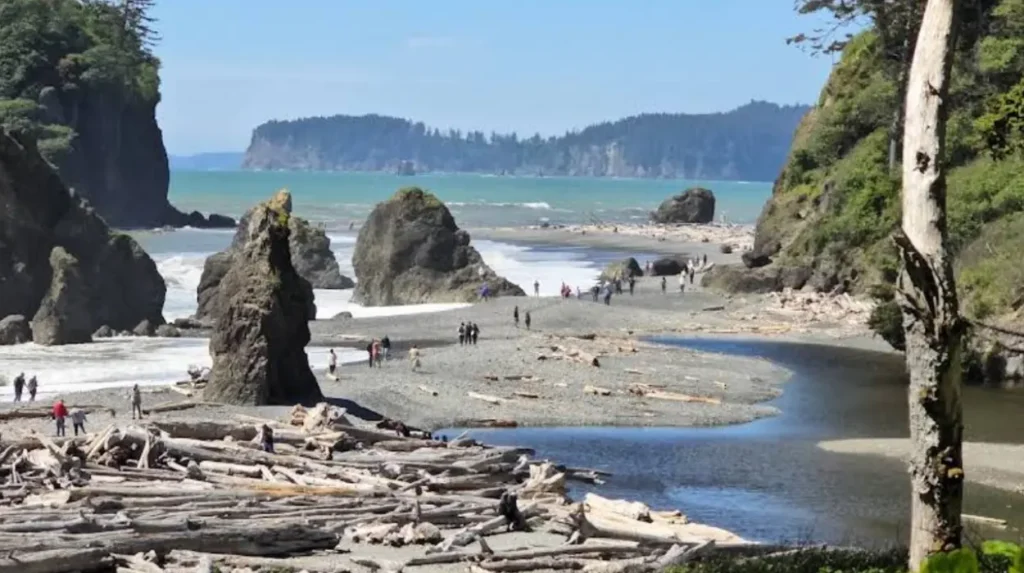
The strongest first choices are Cape Disappointment State Park, Ross Lake National Recreation Area, and Spencer Spit State Park. These destinations cover coast, alpine reservoir, and island scenery, which gives broad audience appeal and strong semantic coverage for Washington nature travel.
Cape Disappointment delivers coast, forest, marsh, and lighthouse history in one location. Ross Lake delivers mountain reservoirs, camping, boating, and North Cascades access. Spencer Spit delivers a quieter island setting that reinforces Washington’s slower coastal side.
Together, these places form a balanced evergreen structure. They represent different regions of the state, different terrain types, and different visitor intentions, which improves relevance for both search engines and AI summaries.
For a broader Washington audience, that mix is the strongest editorial choice. It avoids repetition, covers multiple outdoor use cases, and keeps the article centered on real destinations rather than vague travel language.