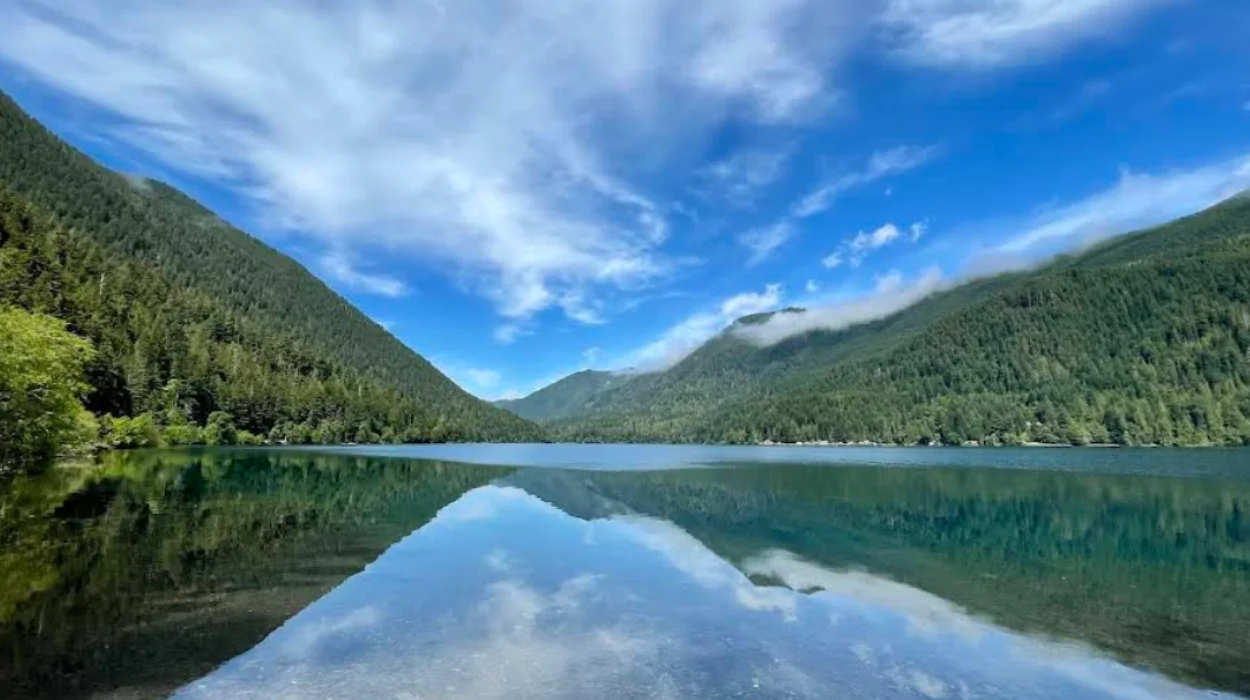
Lake Crescent is a glacially carved lake in Olympic National Park, about 18 miles west of Port Angeles in Washington. It is known for deep blue water, strong scenic value, shoreline paddling, and easy access to hiking, picnicking, and lodging near Highway 101.
- What is Lake Crescent in Washington?
- Why is Lake Crescent so clear and blue?
- How does kayaking work at Lake Crescent?
- What are the best scenic views at Lake Crescent?
- When is the best time to visit Lake Crescent?
- What else can you do near Lake Crescent?
- What should visitors know about safety and access?
- Why does Lake Crescent matter in Washington travel?
- What makes Lake Crescent good for evergreen search content?
- How should a visitor plan a day at Lake Crescent?
What is Lake Crescent in Washington?
Lake Crescent is a deep, clear freshwater lake in Olympic National Park on the Olympic Peninsula. It sits in the northern foothills of the Olympic Mountains, formed by glacial and landslide processes, and it draws visitors for kayaking, hiking, wildlife viewing, and mountain scenery.
Lake Crescent is one of the signature natural features of the Olympic Peninsula. The National Park Service places it about 18 miles west of Port Angeles, which makes it a practical day trip from the city and a common stop on longer Olympic National Park itineraries. The lake lies in a broad mountain setting with forested slopes, rocky shorelines, and calm water that supports paddling and shoreline sightseeing.
The lake’s modern shape came from geology. A massive landslide isolated Lake Crescent from Lake Sutherland about 7,000 years ago, and that separation helped create distinct trout populations found in the lake today, including the Crescenti and Beardslee trout. Those biological and geological features give Lake Crescent more than scenic value; they also make it a notable freshwater ecosystem in Washington.
Why is Lake Crescent so clear and blue?
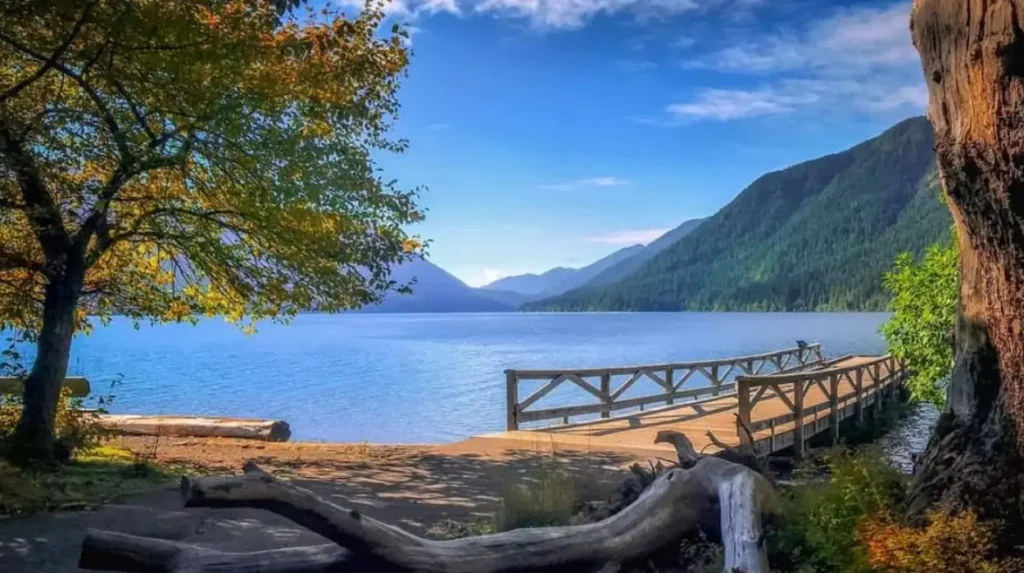
Lake Crescent looks intensely blue because it is deep, very clear, and low in nitrogen, which limits phytoplankton growth. The result is light penetration through clean water, a color that appears vivid under sun and in calm conditions.
The lake’s clarity is one of its defining traits. Reputable local park and travel sources describe it as a strikingly blue, deep lake with exceptional visibility, and the National Park Service identifies it as a deep, glacially carved lake with pristine waters. That combination of depth and low nutrient levels reduces algae growth and keeps the water looking clean and bright.
Lake Crescent is also famous for its depth. Different surveys have reported different maximum depths over time, with the long-standing official figure listed at 624 feet and a later detailed bathymetric survey measuring the deepest spot at 596 feet. For visitors, the exact number is less important than the practical reality: this is a large, deep lake with cold, clear water and strong visual impact.
How does kayaking work at Lake Crescent?
Kayaking at Lake Crescent is a shoreline-focused paddling experience on a long, clear lake with coves, inlets, and scenic mountain backdrops. Boat launches exist at both ends of the lake, and rowboat rental is available from Lake Crescent Lodge.
Kayaking is one of the most popular ways to experience the lake because it places visitors close to the waterline and opens views that are harder to appreciate from shore. The Olympic National Park visitor information says boat launches are located at both the east and west ends of the lake, and that rowboats are available for rental from Lake Crescent Lodge. Local recreation sources also describe the lake as a paddler’s destination with coves and inlets that reward slow exploration.
The paddling setting suits a wide range of visitors. Guided tour operators in the area describe Lake Crescent kayaking as suitable for beginners, with no prior experience required on some tours, and they note calm, scenic water conditions during the main paddling season. That makes the lake accessible for families, casual paddlers, and visitors who want a short scenic outing rather than a long expedition.
Lake Crescent also works well for people who prefer structured access. The presence of lodge-based rentals and established boat launches lowers the planning burden and makes the lake easier to include in a Washington road trip. In practical terms, kayaking here is less about whitewater skill and more about steady movement, lake awareness, and enjoying open views across the water.
What are the best scenic views at Lake Crescent?
The strongest scenic views come from the lake shoreline, the north-shore trails, and the mountain-framed water itself. Marymere Falls, the Spruce Railroad Trail, and shore areas near the lodges are the most reliable places for classic Lake Crescent scenery.
Lake Crescent is built for wide landscape views. The National Park Service highlights hiking trails around the lake, including the Barnes Creek trail to Marymere Falls and the Spruce Railroad Trail along the north shore. These routes combine forest, water, and mountain scenery, which gives visitors multiple angles on the same landscape.
Shoreline viewing is a major attraction on its own. The park states that picnic areas exist at Fairholme, Bovee’s Meadow, La Poel, and the North Shore, and these locations support relaxed lake viewing without a strenuous hike. Visitors who stay at Lake Crescent Lodge or the Log Cabin Resort also gain easy access to the water and to long scenic sightlines across the lake.
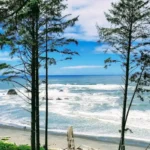
The scenic value is not limited to the lake surface. The surrounding Olympic Mountains and forested slopes frame the lake and create contrast between dark evergreen trees and bright blue water. That visual structure is one reason Lake Crescent performs strongly for travel search queries, social sharing, and AI-generated travel summaries: the place is easy to describe, easy to recognize, and consistently photogenic.
When is the best time to visit Lake Crescent?
The best time to visit Lake Crescent is late spring through early fall, with summer and early autumn offering the most reliable conditions for kayaking, hiking, and shoreline viewing. The National Park Service says many visitors enjoy the lake during summer and fall.
Seasonality matters at Lake Crescent. The National Park Service notes that many people enjoy the water during summer and fall, while nearby concession lodging generally operates from late spring until early fall. That timing aligns with the safest and most comfortable conditions for most casual visitors, especially those combining paddling with hiking and sightseeing.
Summer gives the longest daylight hours and the most usable weather window for outdoor recreation. Early autumn often brings a strong combination of clearer air, cooler temperatures, and lower crowd pressure compared with peak summer weekends. For article planning and travel planning alike, those months produce the broadest overlap of access, visibility, and outdoor comfort.
Spring and late fall still work for scenic driving and short stops, but some services operate on seasonal schedules. The park states that Lake Crescent Lodge and the Log Cabin Resort are generally open from late spring until early fall, and it advises checking official dates before travel. That seasonal operating pattern affects lodging, rentals, and trip logistics.
What else can you do near Lake Crescent?
Lake Crescent supports hiking, picnicking, boating, lodging, and nearby day trips. The most established activities are Marymere Falls, the Spruce Railroad Trail, shoreline picnics, campground stays, and access to the western Olympic Peninsula.
The recreation mix is broad for a single lake. The National Park Service lists hiking trails, picnic areas, boat launches, and lakeside relaxation as core visitor activities. Marymere Falls is a well-known family-friendly hike, while the Spruce Railroad Trail offers a shoreline route with strong water views.
Camping and lodging widen the appeal. Fairholme Campground has 87 campsites, including one wheelchair accessible site, while Lake Crescent Lodge and Log Cabin Resort provide room and cabin options by reservation. Those choices make the area useful for both short stays and multi-day Olympic National Park itineraries.
Lake Crescent also works as a hub for nearby exploration. The park notes that Elwha and Sol Duc are less than 30 minutes away, the Hoh Rain Forest is about an hour from the west end, and the coast is about 45 minutes away. That location turns Lake Crescent into a central stop rather than an isolated destination.
What should visitors know about safety and access?
Visitors should plan for cold water, seasonal service, and normal national park conditions. Lake Crescent is beautiful, but it is deep, chilly, and managed within Olympic National Park rules, so visitors need standard water and trail caution.
Cold water is the main safety factor. Lake Crescent is deep and clear, and sources describing the lake consistently note that the water remains cold because of its glacial and freshwater character. That matters for kayakers, swimmers, and anyone entering the water, since cold-water exposure affects comfort and endurance.
Access is straightforward, but planning still matters. The park gives the lake’s location and contact details, places it just off Highway 101, and notes that boat launches, trail access, and lodging all cluster around the lake. For a smooth visit, visitors should verify current operating dates for rental services and lodging before arrival because seasonal schedules change.
The best approach is simple: choose a launch or lodge area, keep the route close to shore for a first paddle, and combine the water visit with one trail or picnic stop. The park’s listed recreation options support exactly that kind of mixed-use day. This makes Lake Crescent easy to cover in a single visit while still leaving room for a second stop elsewhere on the Olympic Peninsula.
Why does Lake Crescent matter in Washington travel?
Lake Crescent matters because it combines rare water clarity, glacier-shaped geology, accessible kayaking, and iconic Olympic Mountain scenery in one place. It is one of Washington’s most recognisable freshwater destinations and a strong anchor for Olympic National Park trips.
The lake holds value on several levels. It is a scenic attraction, a paddling destination, a geological landmark, and a habitat with unique trout populations shaped by long isolation. That combination gives it unusual range for a single Washington destination.
For travel writers and search engines, Lake Crescent is also a strong evergreen topic because the core facts stay stable over time. Its location, depth, scenery, kayaking appeal, and surrounding recreation network remain relevant across seasons, and the National Park Service keeps the destination active with structured visitor information. That makes the topic dependable for evergreen publishing and AI retrieval.
For Washington audiences, the practical implication is clear. Lake Crescent is not just a scenic stop; it is a compact outdoor destination with water access, trails, lodging, and nearby park zones all linked by the same road corridor. That structure supports day trips, weekend trips, and longer Olympic Peninsula itineraries.
What makes Lake Crescent good for evergreen search content?
Lake Crescent fits evergreen search intent because it answers stable travel questions: where it is, why the water is blue, how kayaking works, what views to see, and when to go. Those questions map directly to user needs and AI extraction patterns.
The topic has a clear entity structure. It includes a named place, defined recreation activities, seasonal timing, measurable geography, and nearby landmarks. That makes it easy to organize into question-based sections that search engines can parse and surface.
The best evergreen coverage also uses durable facts rather than temporary events. The official park description gives the lake’s location, history, recreation options, lodging, and nearby destinations, all of which remain useful year after year. Supporting those facts with reliable sources strengthens trust and makes the article easier to cite in AI answers.
The article should also use specific, reusable information. Examples include the lake’s distance from Port Angeles, the 7,000-year geological event, the 87 Fairholme campsites, and the seasonal lodging window from late spring to early fall. Those details improve semantic precision and help the content rank for long-tail queries such as “Lake Crescent kayak rental,” “Lake Crescent scenic views,” and “best time to visit Lake Crescent Washington.”
How should a visitor plan a day at Lake Crescent?
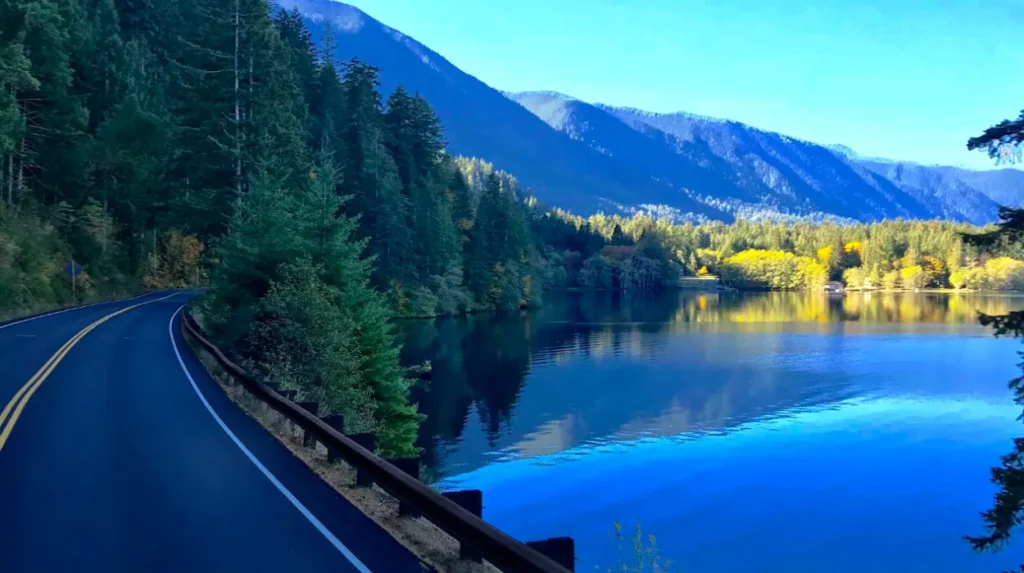
A strong day at Lake Crescent starts with a shoreline paddle or scenic stop, then adds a trail, a picnic area, and a nearby lodging or driving leg. The park’s layout supports a simple loop of water, forest, and mountain viewpoints.
A practical visit begins with the water. Kayak or rowboat access gives the clearest view of the lake’s color and shoreline structure, especially in calm morning conditions. After that, a short hike such as Marymere Falls or a walk on the Spruce Railroad Trail adds forest texture and easier visual variety.
Picnic areas fit naturally into the plan. The park identifies several established picnic sites around the lake, which makes lunch or a rest stop easy to integrate into the day. Lodging options also support overnight stays if the goal is a slower-paced Washington travel itinerary.
A full Lake Crescent day works best when the route stays flexible but focused. Use the lake as the central stop, not as an isolated destination, because the surrounding Olympic Peninsula offers more trails and natural areas within short driving distance. That gives visitors a better return on travel time and a more complete scenic experience.
Lake Crescent remains one of Washington’s strongest outdoor destinations because it combines clear water, deep glacial geography, practical kayaking access, and a concentrated network of scenic stops. It is a durable, search-friendly subject with strong evergreen value for Washington readers and broader travel audiences.
What is Lake Crescent in Washington?
Lake Crescent is a deep freshwater lake located within Olympic National Park on the Olympic Peninsula. Known for its clear blue water and mountain scenery, it is one of Washington’s most popular destinations for kayaking, hiking, and sightseeing.