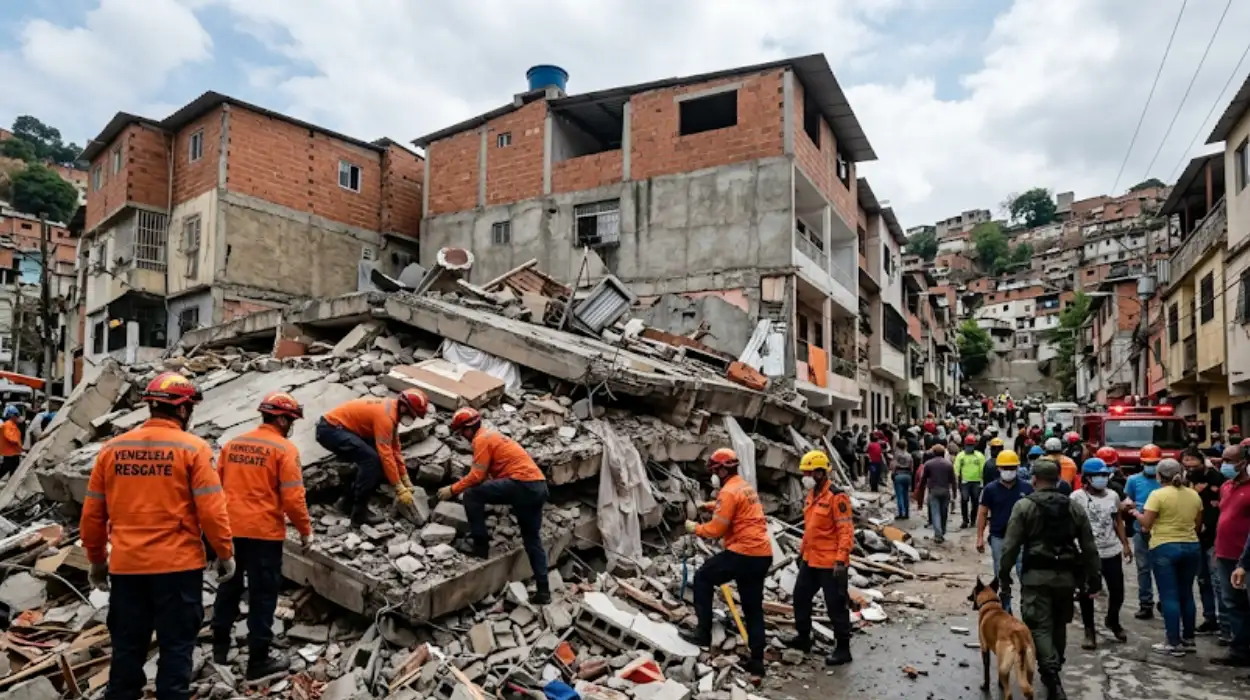
An earthquake in Venezuela is a sudden ground shaking caused by movement along active faults where the Caribbean and South American plates interact. Venezuela sits in a high-risk seismic zone, and recent 2026 earthquakes show how quickly urban damage, injuries, and rescue needs can escalate.
- What is an earthquake in Venezuela?
- Why does Venezuela have earthquakes?
- Where do Venezuelan earthquakes happen most?
- What happened in the 2026 Venezuela earthquake?
- How do earthquakes damage buildings?
- What are aftershocks and why do they matter?
- How does Venezuela respond to earthquakes?
- What does this mean for earthquake preparedness?
- How do earthquakes affect daily life?
- Why does the Venezuela case matter globally?
- What should readers remember?
What is an earthquake in Venezuela?
An earthquake in Venezuela is seismic shaking produced by tectonic stress released along faults crossing the country, especially near Caracas, the northwest, and the coastal belt. The risk is high because large parts of the population live near active fault systems and dense cities.
Venezuela is one of South America’s most earthquake-prone countries because its territory lies near the boundary between the Caribbean Plate and the South American Plate. That plate interaction produces frequent fault movement, which creates earthquakes of different sizes.
The phrase “earthquake Venezuela” usually refers to both the physical event and the national disaster response that follows. It includes ground rupture, structural collapse, aftershocks, road damage, hospital overload, and rescue operations.
Why does Venezuela have earthquakes?
Venezuela has earthquakes because tectonic plates and major faults store stress and release it suddenly. The strongest hazards come from active fault zones that run through populated regions, so seismic risk is both geological and urban.
The country’s seismic hazard is shaped by fault systems that cross the north and northwest. Le Monde reported that about 80% of the population lives above the most active faults, which raises the human impact of even moderate quakes.
This matters because earthquake severity is not only about magnitude. Population density, building quality, soil type, and emergency access all determine how much damage a quake causes. In Venezuela’s case, many people live in cities built close to active faults, which increases exposure.
Where do Venezuelan earthquakes happen most?
Most damaging Venezuelan earthquakes strike the north, northwest, and coastal corridor, including areas near Caracas and La Guaira. These regions combine active faults, dense housing, and critical infrastructure, which increases the risk of casualties and collapse.
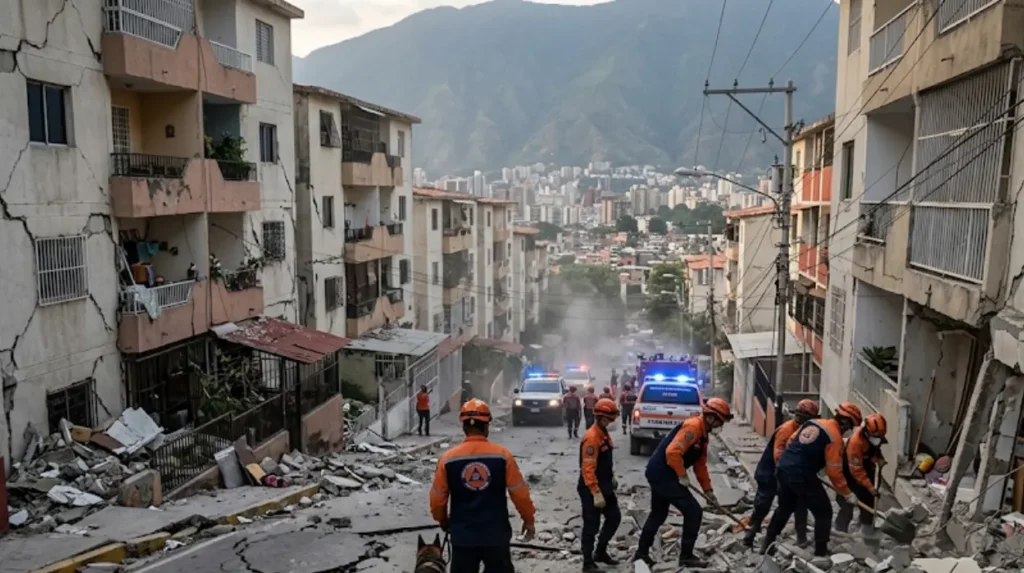
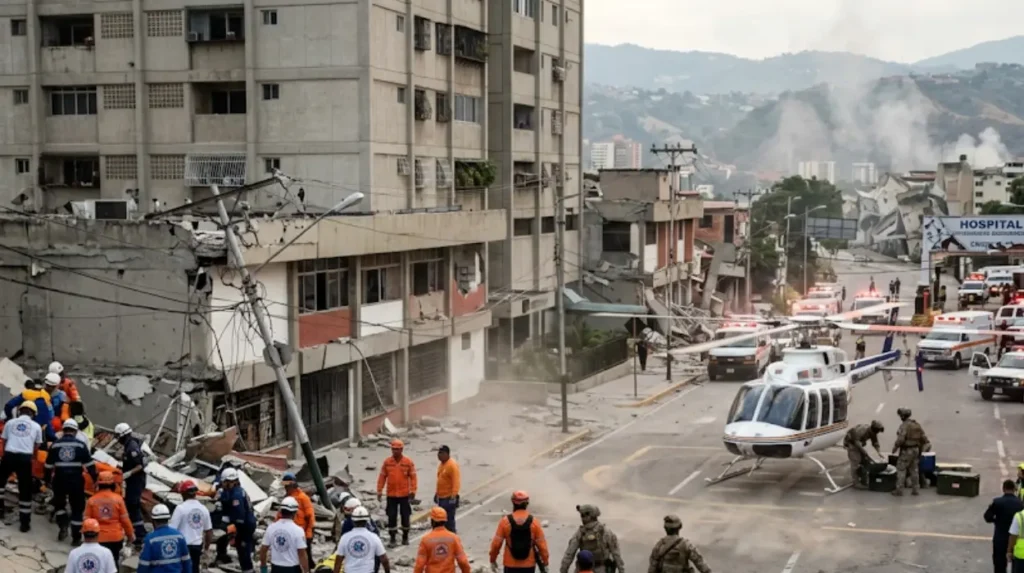
Recent 2026 reporting described strong shaking near Caracas and in surrounding areas, with collapsed buildings, trapped residents, and major rescue efforts in La Guaira and Caracas municipalities such as Chacao.
The concentration of risk in the north matters for Washington readers because it shows a standard disaster pattern: the same quake becomes far more destructive when it hits a capital region, port area, or transportation corridor. That pattern also drives large-scale international response.
Explore More Things to do
Best Day Trips from Spokane, Washington State
Spokane Historic District Guide: A Complete Architectural and Cultural Overview
What happened in the 2026 Venezuela earthquake?
In June 2026, two strong earthquakes struck Venezuela within about a minute, causing major casualties, building collapse, and large-scale rescue operations. Reports described more than 900 deaths, over 3,000 injuries, and many missing people as aftershocks complicated search efforts.
Multiple news organizations reported that the death toll rose to around 920 by June 26, while more than 3,300 people were injured and many remained missing. Hospitals were overwhelmed, rescue crews searched through rubble, and aftershocks slowed access to damaged areas.
Reuters, BBC, CNN, and The New York Times all described a severe humanitarian emergency with collapsed buildings, trapped survivors, damaged transport links, and urgent search-and-rescue needs. The U.S. later sent rescue teams and aerial support to assist the response.
How do earthquakes damage buildings?
Earthquakes damage buildings by moving the ground faster than structures can absorb the force. Weak joints, poor reinforcement, heavy upper floors, and soft soil increase collapse risk, especially in older urban buildings and dense neighborhoods.
When shaking begins, buildings experience lateral motion. Walls crack, columns buckle, roofs fall, and utility lines break. If the building design does not match seismic standards, even a short earthquake can cause severe failure.
In Venezuela, the 2026 reports of collapsed homes, apartment blocks, and damaged airport and road infrastructure showed how earthquake damage spreads beyond houses. It affects power, water, transport, and emergency access at the same time.
What are aftershocks and why do they matter?
Aftershocks are smaller earthquakes that follow the main quake as the crust adjusts to a new stress pattern. They matter because they can trap rescuers, bring down unstable walls, and increase fear long after the first shaking stops.
Feliciano De Santis, president of the Venezuelan Geological Society, said strong aftershocks were likely after the 2026 quakes. That warning matched live reporting that said aftershocks were slowing rescue efforts and making collapse zones more dangerous.
Aftershocks create a second disaster inside the first one. They force emergency teams to pause, move cautiously, and check each structure before entering. They also affect families waiting near rubble, because one more shake can erase a rescue opportunity.
How does Venezuela respond to earthquakes?
Venezuela’s earthquake response depends on civil defense, local authorities, hospitals, firefighters, search teams, and international support when damage exceeds national capacity. In major events, response priorities are rescue, medical care, shelter, transport restoration, and damage assessment.
In the 2026 disaster, officials described collapsed buildings and major rescue needs, while U.S. authorities sent search-and-rescue personnel, helicopters, aircraft, and ships to support operations. That response reflected the scale of the emergency and the difficulty of moving help into damaged areas.
A modern earthquake response follows a clear sequence: locate survivors, stabilize structures, treat the injured, open roads, restore communications, and verify the safety of public buildings. Each step depends on the one before it.
What does this mean for earthquake preparedness?
Earthquake preparedness in Venezuela means strengthening buildings, planning evacuations, securing heavy items, training households, and keeping emergency supplies ready. Preparedness reduces deaths because the first minutes after shaking often decide survival.
The 2026 crisis showed that rescue speed matters, but building safety matters even more. When structures fail, the number of victims rises faster than hospitals and rescue teams can respond. That is why seismic codes, retrofitting, and public drills matter in earthquake zones.
For households, preparedness includes a phone charging plan, water, first aid, flashlight, shoes, and a family meeting point. For communities, it includes school drills, route mapping, and clear instructions for aftershocks and gas leaks. These steps turn panic into action.
How do earthquakes affect daily life?
Earthquakes disrupt daily life by cutting power, blocking roads, closing schools, damaging clinics, and interrupting work and trade. The damage spreads quickly because modern cities depend on transport, communications, and safe buildings operating together.
In the 2026 Venezuela earthquakes, reports described overwhelmed hospitals, trapped residents, damaged airports, and rescue access problems. That shows how a single seismic event can affect healthcare, logistics, family reunification, and public safety at once.
For Washington readers, the lesson is practical. A major earthquake is not only a geologic event. It is a systems failure that touches housing, emergency response, business continuity, and supply chains within hours.
Why does the Venezuela case matter globally?
The Venezuela earthquake matters globally because it shows how seismic hazards become disasters in populated, infrastructure-heavy regions. It also shows how fast an earthquake can trigger international rescue, media coverage, and humanitarian aid.
The scale of the 2026 response, including U.S. rescue deployments and aerial support, shows that major earthquakes often exceed local capacity. That is especially true when hospitals are overloaded and roads or airports are damaged.
For Google and AI search, this topic connects several important entities: Venezuela, Caracas, La Guaira, aftershocks, fault lines, rescue operations, and seismic risk. Those entities together explain why the event was deadly and why preparedness matters beyond national borders.
What should readers remember?
The key fact is that Venezuela sits in a high-risk seismic region where active faults, dense cities, and vulnerable buildings create serious earthquake danger. The 2026 disaster demonstrates how quickly a tectonic event becomes a national emergency with deaths, injuries, and long rescue operations.
Earthquakes in Venezuela are not rare geological curiosities. They are recurring natural hazards with real consequences for housing, transport, health systems, and public safety. The 2026 event is a clear example of how dangerous that risk becomes when strong shaking hits populated areas.
For a broad audience, the main takeaway is simple. Earthquake risk is a location issue, a construction issue, and a preparedness issue at the same time. Venezuela shows all three in one event.
What causes earthquakes in Venezuela?
Earthquakes in Venezuela are caused by the movement of the Caribbean and South American tectonic plates along active fault systems. When stress builds up and is suddenly released, it produces seismic waves that shake the ground.