
Key Points
- Israel and Lebanon are holding a third round of direct talks in Washington, with a second day of discussions taking place on Friday.
- A US State Department official said Thursday’s talks were “productive and positive”.
- The negotiations come just days before the ceasefire between Israel and Hezbollah is due to expire.
- Lebanese officials want the talks to help secure a renewed ceasefire.
- Key sticking points include the withdrawal of Israeli forces from southern Lebanon and the disarmament of Hezbollah.
- Fighting between Israel and Hezbollah is still continuing alongside the diplomatic efforts.
Washington (Evening Washington News) May 15, 2026 — Israel and Lebanon are meeting for a second day in Washington as part of their third round of direct talks, with the discussions taking place against the backdrop of continued fighting between Israel and Hezbollah and an approaching ceasefire deadline.
Why are the talks happening now?
As reported by Reuters, the latest round of negotiations comes only days before the ceasefire between Israel and Hezbollah is due to expire.
That timing has added urgency to the talks, with both sides facing pressure to prevent the current security situation from worsening further.
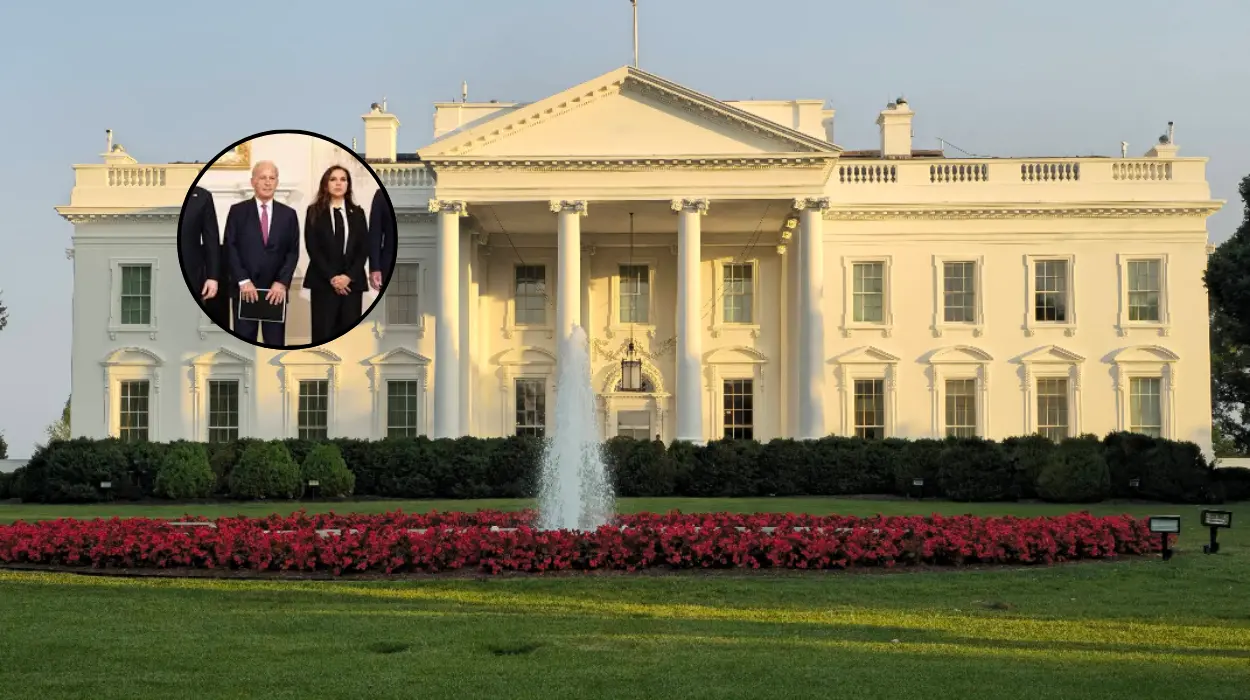
The talks are taking place in Washington rather than in the region itself, underscoring the role of the United States as the host and facilitator.
A US State Department official described Thursday’s discussions as “productive and positive”, signalling that the initial day of talks made some progress, although no public breakthrough has been announced.
What happened on Thursday?
According to Reuters, the first day of the third round of direct talks was held on Thursday and was followed by a US assessment that the discussions had gone well. The State Department official said,
“We look forward to continuing this tomorrow [Friday] and hope to have more to share then,”
suggesting the parties were expected to return to the table for further discussion.
That message indicated a continuing diplomatic process rather than a final settlement. Reuters reported that Friday’s talks were meant to build on the previous day’s exchanges, but the core issues remain unresolved.
What are the main sticking points?
The central disputes remain deeply sensitive. Reuters said Lebanese officials hope the talks will help lead to a renewed ceasefire, while also addressing the withdrawal of Israeli forces from southern Lebanon and the disarmament of Hezbollah.
Those issues are among the most difficult in the broader conflict. Israel’s security concerns and Lebanon’s territorial and political constraints have made agreement hard to reach, especially while active fighting continues.
How does Hezbollah affect the talks?
The ongoing fighting between Israel and Hezbollah is shaping the negotiations, according to Reuters.
Even as diplomats continue direct talks in Washington, the military situation on the ground remains unstable, which limits the room for compromise.
Hezbollah’s role also makes any ceasefire arrangement more complicated. The group’s disarmament is one of the key points raised in the talks, but it is also one of the most politically and militarily difficult demands in the process.
What did Reuters report about the tone of the talks?
Reuters reported that the US State Department official used positive language to describe the first day, calling it “productive and positive”.
That description matters because it suggests the sides were engaged constructively, even if they had not yet reached agreement on the main issues.
At the same time, there was no indication that a deal had been completed. The language used by officials points to ongoing diplomacy rather than a concluded settlement, and Friday’s meeting was framed as a continuation of the same process.
What happens next?
The immediate expectation is that the two sides continue discussions in Washington, with hopes of making enough progress to support a renewed ceasefire.
Reuters said Lebanese officials are specifically hoping that the two-day negotiations will produce movement before the current ceasefire expires.
Whether the talks lead to an agreement is still unclear. The reported sticking points suggest that any progress is likely to depend on concessions over military withdrawals, security guarantees, and the future of Hezbollah’s weapons.
Background of the development
The current talks fit into a wider effort to manage hostilities between Israel and Hezbollah through diplomacy rather than escalation. Reuters reported that the ceasefire is nearing expiry, which has raised concern that the situation could deteriorate if no new arrangement is reached.
Direct talks of this kind are significant because they indicate a willingness to engage politically even during active conflict.
They also reflect the continued involvement of the United States in attempting to stabilise tensions between the two sides.
Prediction
For people in Lebanon, especially those living near conflict-affected areas, the outcome of these talks could influence security conditions, displacement risks, and whether cross-border violence eases. For Israelis, the talks may affect border security, the return of relative calm in the north, and the likelihood of continued military alertness.
If the negotiations produce even a limited ceasefire extension, that could reduce immediate pressure on both sides. If they fail, the expiry of the ceasefire may increase the risk of further fighting and make the diplomatic channel harder to preserve.