Key Points
- Study Overview: A new nationwide study by personal finance website WalletHub has evaluated 300 U.S. cities across 22 key metrics of housing affordability, real-estate market attractiveness, and quality of life to identify the best and worst markets for first-time homebuyers in 2026.
- Seattle’s Low Rank: Seattle placed near the bottom of the list at 204th out of 300 cities, driven primarily by severe affordability challenges and living expenses.
- Tacoma’s Surprising Position: Tacoma, long considered an affordable alternative to Seattle, registered a surprisingly poor rank of 190th, indicating that the affordability crisis has expanded deeper into the Puget Sound region.
- Washington’s Bright Spots: Despite the struggles of the major metropolitan hubs, the state of Washington boasts two notable bright spots for new buyers, with Spokane Valley ranking 9th and Yakima ranking 11th among small and midsize categories.
- National Comparison: High interest rates and elevated median home prices continue to restrict first-time buyers nationwide, who made up just 21% of the market compared to the historical average of 40%.
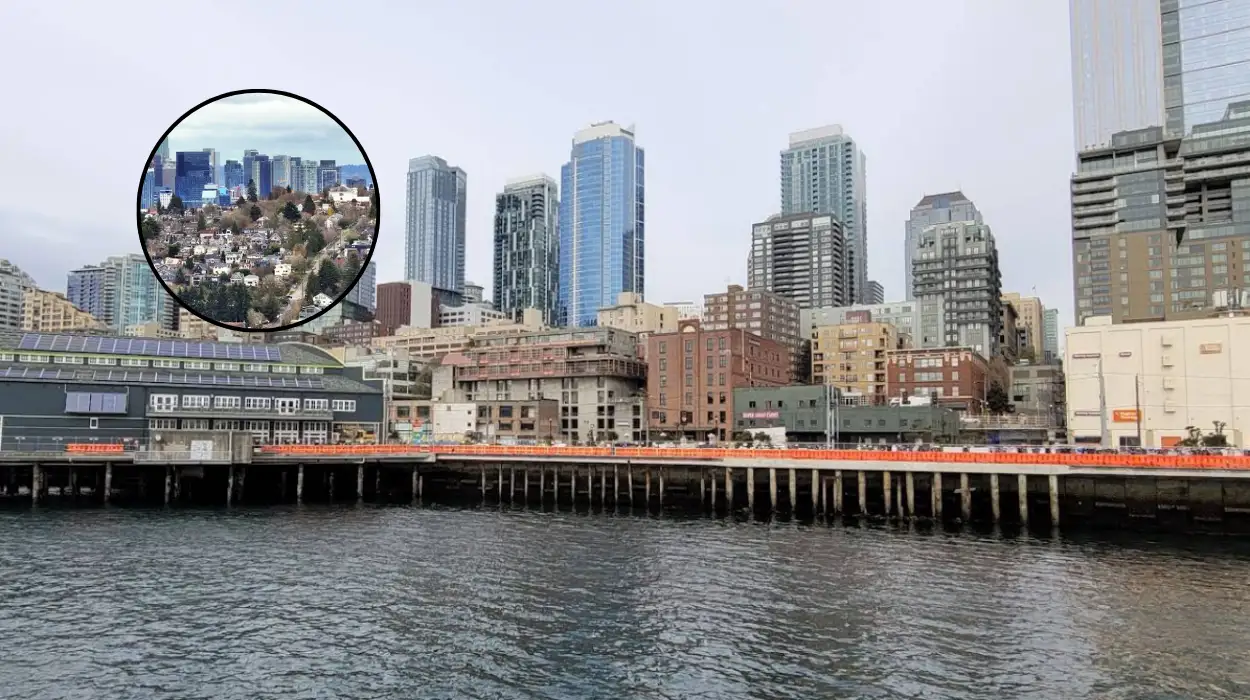
Seattle (Evening Washington News) July 15, 2026 — Aspiring homeowners looking to purchase their first properties in the Pacific Northwest are facing some of the steepest structural hurdles in the United States, according to a comprehensive housing market study released this week. The annual “Best & Worst Cities for First-Time Home Buyers” report, compiled by the personal finance platform WalletHub, has placed the major Washington metropolitan hubs of Seattle and Tacoma deep in its lower tiers, ranking them 204th and 190th respectively out of 300 evaluated municipalities. The findings reflect a broader economic landscape where high interest rates, steep property prices, and localized quality-of-life challenges continue to squeeze entry-level buyers. However, the report also highlighted significant regional disparities, identifying two unexpected locations within Washington State that offer far more favorable conditions for those seeking to enter the property market.
- Key Points
- Is Seattle Increasingly Out of Reach for First-Time Home Buyers?
- Why is Tacoma’s Low Ranking Causing a Surprise?
- What Are the Two Surprising Bright Spots in Washington State?
- How Do Washington Cities Compare to the National Landscape?
- Background of the Pacific Northwest Housing Crisis
- Predictions: How This Will Affect Aspiring Homeowners and the Local Economy
Is Seattle Increasingly Out of Reach for First-Time Home Buyers?
The low ranking of Seattle at 204th comes as little surprise to local real estate professionals who have watched the city’s median home prices climb steadily over the past several years. In the analysis, WalletHub evaluated each city across three primary dimensions: housing affordability, real-estate market health, and overall quality of life.
As reported by Adam McCann, a financial writer at WalletHub, the persistent imbalance between supply and demand has driven prices to levels that require substantial down payments and high household incomes. While Seattle offers robust employment opportunities, particularly within the technology sector, those high wages have simultaneously escalated the cost of living.
Furthermore, local real estate analysts point out that entry-level inventory is exceptionally scarce. Writing for the local property news, independent analysts have noted that municipal policies, land zoning restrictions, and the high cost of construction have slowed the development of affordable, entry-level condominiums and single-family homes. Consequently, first-time buyers must compete directly with well-capitalized repeat buyers and corporate investors, effectively pricing out those without significant existing equity.
Why is Tacoma’s Low Ranking Causing a Surprise?
While Seattle’s low ranking was largely anticipated, Tacoma’s placement at 190th has caught many regional observers off guard. For more than a decade, the city of Tacoma has been actively marketed as the affordable escape from Seattle’s soaring cost of living, attracting thousands of young professionals and families willing to commute.
According to data compiled by the WalletHub research team, Tacoma’s rapid price appreciation has eroded its historical affordability advantage. As demand spilled southward from King County into Pierce County, home prices in Tacoma rose rapidly without a corresponding increase in local median wages.
The study also revealed that Tacoma scored poorly in key quality-of-life metrics. Specifically, the city struggled in rankings related to property crime rates and overall community safety, which heavily penalized its final score. According to the metrics outlined in the report, Tacoma ranked 295th out of 300 cities in property crime rates, placing it near the bottom of the entire nation in that specific indicator. This combination of rising real estate costs and localized public safety concerns has diminished Tacoma’s viability as a safe, affordable haven for first-time buyers.
What Are the Two Surprising Bright Spots in Washington State?
In contrast to the western side of the Cascade Mountains, eastern and central Washington provided two of the most notable positive surprises in the 2026 report.
Spokane Valley Offers Stability and Value
Spokane Valley emerged as a major success story, securing the 9th spot nationally in the small-to-midsize city category. According to WalletHub analyst Chip Lupo, cities like Spokane Valley perform exceptionally well because they manage to strike a balance between manageable entry-level home prices and low crime rates. Lupo stated that:
“The best cities for first-time home buyers not only are affordable both in terms of buying a house and living there afterward, but they also have a lot of housing choices.”
Spokane Valley benefited from a lower cost of living, more stable inventory levels, and a real-estate market that has not experienced the extreme volatility seen closer to the coast.
Yakima Emerges as an Affordable Alternative
The second bright spot is Yakima, which ranked 11th nationally in the same category. While historically known primarily for its agricultural output, Yakima has increasingly drawn attention for its relative housing affordability. The city offers significantly lower median home prices compared to the state average, allowing buyers with modest incomes to secure mortgages without facing the severe debt-to-income ratios common in Western Washington.
Explore More Seattle News
WA Talking Book & Braille Library reopens — Seattle 2026
MLB Draft Controversies and Blockbuster Trade Shakeup Seattle 2026
How Do Washington Cities Compare to the National Landscape?
The challenges observed in Seattle and Tacoma are reflective of a broader national trend where homeownership has become increasingly difficult to attain.
WalletHub’s national data shows a stark contrast between the most affordable and least affordable markets. The top spots in the overall rankings were dominated by Midwest and East Coast cities where the cost of living remains low. Flint, Michigan, and Detroit, Michigan, took the top two spots for overall affordability, while cities in California, such as Berkeley and Santa Monica, dominated the very bottom of the rankings.
The report notes that the average 30-year fixed mortgage rate, which stood at a historic low of 2.65% in January 2021, remained elevated through the first half of 2026. This sustained interest rate environment, combined with high baseline property values, has created a double-whammy effect for buyers who must now finance their purchases at significantly higher monthly costs.
Background of the Pacific Northwest Housing Crisis
The current difficulties facing first-time buyers in the Puget Sound region are the result of long-term economic and demographic shifts. Following the 2008 financial crisis, the Seattle metropolitan area experienced an unprecedented economic boom driven by the rapid expansion of major employers like Amazon, Microsoft, and their associated technology ecosystems. This influx of high-wage workers created an intense demand for housing that far outpaced the region’s construction capacity.
In response to skyrocketing prices in Seattle, a massive wave of buyers began migrating southward to Tacoma and Pierce County throughout the late 2010s and early 2020s. This migration pattern, often referred to locally as the “Tacoma spillover,” successfully revitalized many of Tacoma’s historic neighborhoods but also initiated a rapid cycle of gentrification. The resulting increase in demand drove home values up, ultimately culminating in the affordability challenges highlighted in the 2026 WalletHub study.
Predictions: How This Will Affect Aspiring Homeowners and the Local Economy
The ongoing concentration of high housing costs and limited inventory in Seattle and Tacoma is expected to trigger several distinct shifts in the regional economy and demographic landscape:
- Continued Outward Migration: Aspiring first-time buyers who are priced out of the Puget Sound area will increasingly look to secondary markets. This will likely accelerate population growth in eastern Washington cities like Spokane Valley and Yakima, which may eventually experience their own upward price pressures as demand increases.
- Delayed Household Formation: Young adults and growing families in Western Washington are likely to delay home purchases, remaining in the rental market for longer periods. This sustained demand for rental units will keep rental rates high, making it even more difficult for these households to save for a future down payment.
- Labor Market Pressures: Local businesses in Seattle and Tacoma may face recruitment challenges for mid-level and entry-level positions. If workers cannot afford to live within a reasonable commuting distance, employers may be forced to either increase wages significantly or offer more permanent remote-work options, potentially shifting some economic activity away from physical urban centers.