Key Points
- Washington State Talking Book & Braille Library in Seattle’s South Lake Union has reopened for walk‑in service after nearly a year of closure due to budget cuts.
- The library provides audiobooks, braille books and braille e‑readers and serves roughly 7,800 patrons annually.
- Increased real estate transactions and related fee revenue enabled the reopening; officials hope for more stable state budget appropriations.
- The facility offers programs including multisensory storytime, summer reading and early literacy kits.
- Disability advocates, including Marci Carpenter of the National Federation of the Blind of Washington and Andrea Kadlec of Disability Rights Washington, welcomed the reopening and described the library as an important community hub.
- The library’s history dates to 1906 and has been operated by the state since 1975; it was run directly by the state from 2008.
- Danielle Miller, the library’s director, said the closure forced layoffs and reduced services to voicemail‑only, making programs less accessible.
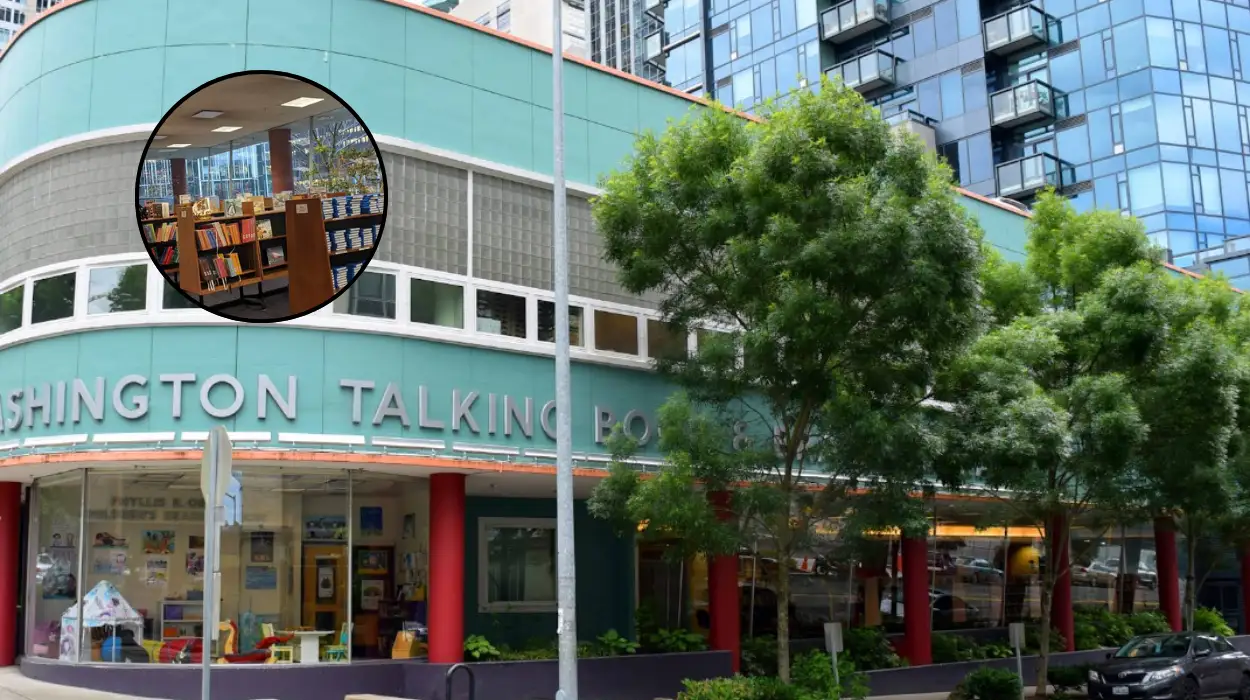
Seattle (Evening Washington News) July 14, 2026 -The Washington State Talking Book & Braille Library — Washington’s only dedicated braille library — reopened its physical doors in Seattle’s South Lake Union neighbourhood on Tuesday, restoring walk‑in services almost a year after the facility closed because of state budget cuts. As reported by The Seattle Times (author: local reporting staff), the reopening follows a change in revenue from real estate transaction fees that fund parts of the state library system.
- Key Points
- Why did the library close last year and who led the response to reopen it?
- Who uses the library and what services does it provide?
- How did changes in the housing market influence the library’s funding?
- How do advocates describe the library’s role in the blind and visually impaired community?
- What is the library’s history and how has its management changed over time?
- What did the library director say about the closure’s impact on services and staff?
- What are officials planning to do to reduce the risk of future closures?
- Background of the development
- Prediction — how this development can affect patrons who use the library
Why did the library close last year and who led the response to reopen it?
As reported by (The Seattle Times, reporter Nicole Brodeur), state budget shortfalls linked to a prolonged drop in real estate transaction fees forced reductions across the library system last year, prompting the Washington State Talking Book & Braille Library to close its physical location, lay off staff and limit services to voicemail and remote access.
Deputy Secretary of State Randy Bolerjack, who oversees the state library system, said an upswing in real estate activity and the consequent increase in fee revenues made the reopening possible.
Danielle Miller, the library’s director, told local reporters that the closure made the library’s programmes and services far less accessible to the blind and print‑disabled community and that staff reductions were a particularly damaging consequence.
Who uses the library and what services does it provide?
The Washington State Talking Book & Braille Library serves about 7,800 patrons a year, Deputy Secretary of State Randy Bolerjack said in statements quoted to local media.
The facility lends audiobooks, braille books and braille e‑readers, offers multisensory storytimes, runs a summer reading programme and distributes early literacy kits designed for children with visual or other print‑related disabilities.
Marci Carpenter, president of the National Federation of the Blind of Washington, told reporters that the library’s summer reading programme and storytimes “make a huge difference” and recalled how the library helped her learn to read as a child.
Carpenter emphasised that while braille books are available through schools, the library’s breadth of programming cultivates a sustained enjoyment of reading.
How did changes in the housing market influence the library’s funding?
Officials explained that part of the state library system’s funding comes from fees tied to real estate transactions.
As reported by The Seattle Times (staff reporting), a decline in those fees in the previous funding cycle reduced available funds and triggered the closure last year.
A subsequent drop in interest rates increased real estate transactions, producing more fee revenue and allowing the state to restore some services and reopen the South Lake Union facility, Deputy Secretary of State Randy Bolerjack said.
State officials also indicated the reopening is an interim solution and said they will seek greater stability through state budget appropriations to avoid future interruptions tied to market fluctuations.
How do advocates describe the library’s role in the blind and visually impaired community?
As reported by (Disability Rights Washington, quoted in local coverage), attorney Andrea Kadlec described the facility as a vital hub for blind and deaf‑blind residents.
Kadlec said the library supports people born blind as well as those who lose sight later in life, providing resources and a place to navigate the learning curve that follows acquired disability.
Advocacy leaders uniformly welcomed the return of in‑person services. Marci Carpenter of the National Federation of the Blind of Washington told reporters that the library’s programmes go beyond school materials and are central to building literacy and community ties.
What is the library’s history and how has its management changed over time?
The braille service began in 1906 when the Seattle Public Library introduced braille provision. Coverage in local historical reporting and the library’s own records note that the programme expanded in 1967 to serve people who could not read print due to a range of disabilities.
In 1975, the state of Washington took over funding while contracting the Seattle Public Library to run services. Since 2008 the state has operated the facility directly.
Those historical milestones were cited in background information supplied by reporting from The Seattle Times and statements from the Secretary of State’s office.
What did the library director say about the closure’s impact on services and staff?
Danielle Miller, the library’s director, told journalists that the forced shutdown last year required staff layoffs and a pivot to voicemail‑only service, which significantly diminished the library’s accessibility and programme delivery.
Miller has said the physical space offers a more intimate, cafe‑like atmosphere that supports in‑person engagement, and that reopening restores those community benefits.
What are officials planning to do to reduce the risk of future closures?
Deputy Secretary of State Randy Bolerjack and other state officials have indicated they want to secure more stable appropriations from the Washington state budget to lessen reliance on fees linked to the real estate market.
Officials framed the recent reopening as contingent on an uptick in fee revenue and said longer‑term budgetary commitments would be preferable to avoid repeating last year’s disruption.
Background of the development
The Washington State Talking Book & Braille Library traces its origins to braille services started by the Seattle Public Library in 1906.
Over the 20th century the service expanded to meet broader needs; in 1967 it widened to serve people with various disabilities that prevent reading printed text.
The state assumed funding responsibility in 1975 and managed the service under contract with the Seattle Public Library until 2008, when the state took direct operational control.
State funding for parts of the library system has been tied to a mix of general appropriations and dedicated fee revenue, including fees derived from real estate transactions.
In the funding downturn that preceded last year’s closure, a fall in those transaction fees reduced available revenue and forced cuts.
That closure led to staff layoffs and a shift to remote and voicemail services, reducing the library’s community programmes and on‑site accessibility.
A subsequent rise in real estate transactions — attributed in public statements to changes in interest rates — increased fee revenue enough for the state to restore some services and reopen the South Lake Union location. State officials have since said they will pursue steadier funding through the budget process.
Explore More Seattle News
MLB Draft Controversies and Blockbuster Trade Shakeup Seattle 2026
Red Flag Warnings Contrast Seattle Marine Clouds and Sunbreaks: Washington 2026
Prediction — how this development can affect patrons who use the library
- Short term: Reopening the physical facility restores immediate access to in‑person services, programmes and devices (braille e‑readers, tactile storytimes) for roughly 7,800 annual patrons, improving literacy supports for children and adults who are blind or have print disabilities. Restored staffing will also reconnect patrons with personalised assistance that voicemail‑only services could not provide.
- Medium term: If the state secures more stable budget appropriations as officials have signalled, the library’s programmes could expand and sustain year‑round offerings (summer reading, multisensory storytimes, early literacy kits), improving long‑term literacy outcomes and social connection for the blind community. Consistent funding would reduce the risk of disruptive closures tied to volatile fee revenue.
- Long term: If state funding remains dependent on variable real estate fees, patrons remain exposed to service interruptions during market downturns. Continued advocacy and legal attention from organisations such as the National Federation of the Blind of Washington and Disability Rights Washington may strengthen political pressure for permanent appropriations, which would increase the library’s resilience and ensure continuous access to essential services for blind and print‑disabled Washingtonians.