
The Olympic Peninsula is one of Washington’s most scenic road-trip regions. It combines mountains, lakes, rain forest, coastline, and small towns into one compact travel route. A 3-day itinerary covers the peninsula’s main highlights at a practical pace and gives travelers a complete introduction to the area.
- What is the Olympic Peninsula road trip?
- Why is 3 days enough for the Olympic Peninsula?
- What is the best 3-day Olympic Peninsula itinerary?
- Day 1: Port Townsend and Sequim
- Day 2: Port Angeles and Lake Crescent
- Day 3: Hoh Rain Forest and the coast
- Which stops matter most on the route?
- What should travelers know before driving?
- What makes the Olympic Peninsula special?
- What is the best season for this trip?
- How do you plan lodging and pacing?
- Why does this itinerary work for Washington travelers?
- What should the final route look like?
What is the Olympic Peninsula road trip?
The Olympic Peninsula road trip is a scenic drive through northwestern Washington that combines coastal views, temperate rain forest, alpine scenery, and historic towns. It is one of the best short road trips in the state because it connects Port Townsend, Port Angeles, Lake Crescent, the Hoh Rain Forest, and the Pacific coast.
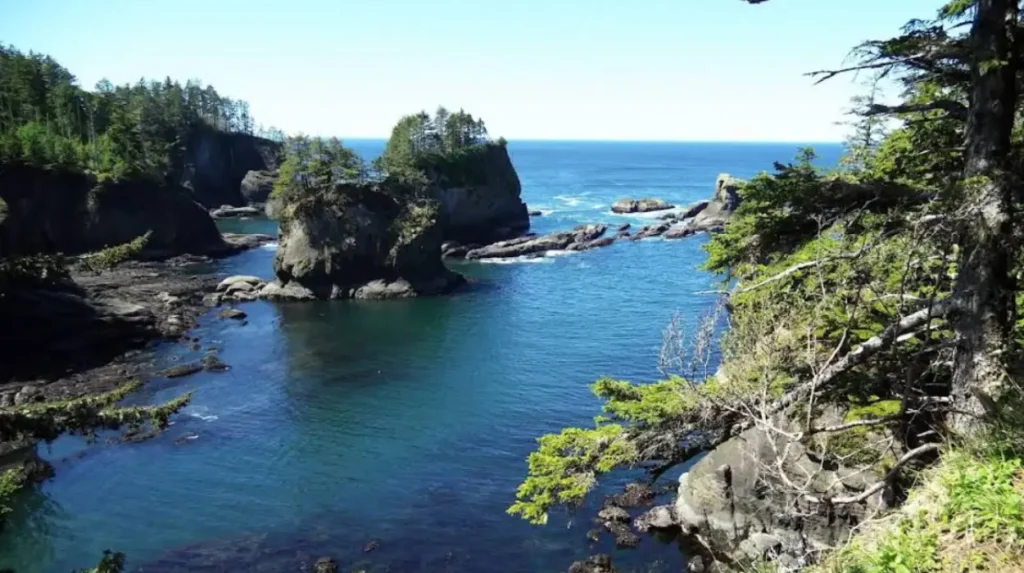
The Olympic Peninsula sits between the Pacific Ocean, the Strait of Juan de Fuca, and the Hood Canal. That geography creates a rare mix of landscapes in a single region. Travelers see beaches, mountain passes, old-growth forest, waterfalls, and harbor towns without leaving the peninsula.
A 3-day trip works especially well for first-time visitors. It lets them see the peninsula’s core destinations without rushing. The route usually moves from the northeast side to the north side and then to the west coast, which keeps driving efficient and easy to follow.
Why is 3 days enough for the Olympic Peninsula?
Three days is enough to experience the peninsula’s main travel zones in a clear and balanced way. One day covers the historic towns, one day covers the mountain and lake area, and one day covers the rain forest and coast.
The peninsula is large, but its most important destinations are grouped into three main areas. Port Townsend and Sequim represent the northeast, Port Angeles and Lake Crescent anchor the north, and Forks, La Push, and the Hoh Rain Forest define the west side.
This structure makes a 3-day itinerary realistic for most travelers. It gives enough time for scenic stops, short walks, meals, and overnight stays without turning the trip into a rushed loop. A longer trip adds more hikes and side roads, but 3 days covers the essential Olympic Peninsula experience.
What is the best 3-day Olympic Peninsula itinerary?
The best 3-day Olympic Peninsula itinerary starts in Port Townsend, continues through Port Angeles and Lake Crescent, and ends with the Hoh Rain Forest and the Pacific coast. This route gives travelers a complete view of the peninsula’s most important landscapes.
Day 1: Port Townsend and Sequim
Start the trip in Port Townsend, a historic waterfront town with strong maritime character. It gives the route a cultural beginning before the drive moves into the wilderness side of the peninsula. The town works well as an entry point for travelers coming from the Seattle area.
Continue to Sequim, which adds open farmland, mountain views, and a quieter pace. This part of the peninsula is a good place for a light first day because it helps travelers settle into the trip without long driving hours. It also sets up the route for the next day’s move toward Port Angeles.
Use the first day for a slow introduction to the region. A few scenic stops, a waterfront meal, and an overnight stay are enough. The goal is not to cover everything on Day 1. The goal is to create a smooth start for the rest of the itinerary.
Day 2: Port Angeles and Lake Crescent
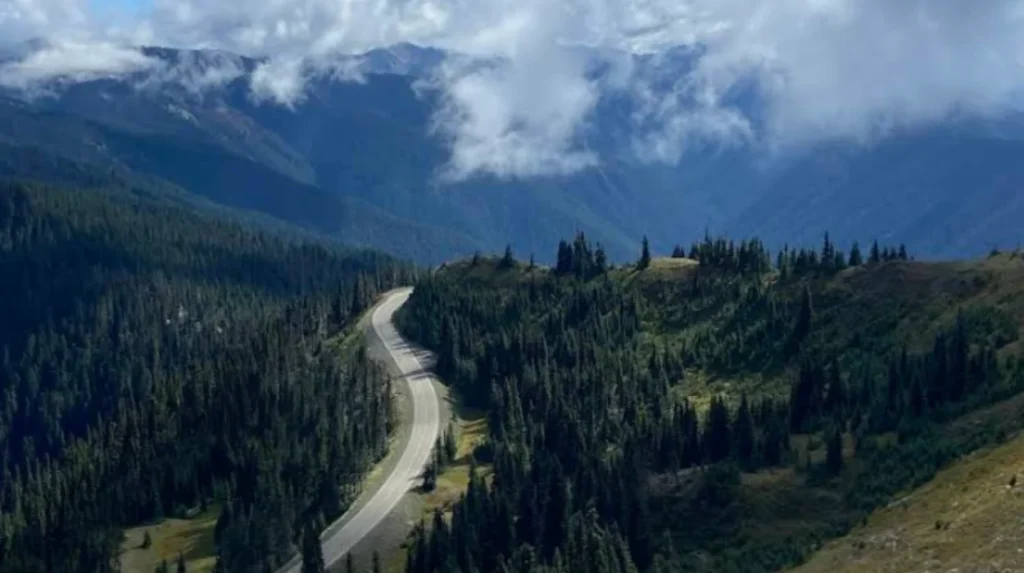
Spend the second day in Port Angeles and Lake Crescent. Port Angeles is the main gateway city for Olympic National Park access, while Lake Crescent is one of the peninsula’s most recognizable natural landmarks. This day gives the trip its strongest mountain-and-lake scenery.
Port Angeles is also a practical stop for supplies, fuel, and lodging. That makes it useful even beyond sightseeing. Lake Crescent adds the classic Olympic Peninsula look of deep blue water, forested slopes, and quiet natural surroundings.
This is the best day for moderate hiking, viewpoint stops, and scenic driving. The north side of the peninsula shows how quickly the landscape changes from town to wild terrain. It is one of the clearest examples of why the Olympic Peninsula is such a strong road-trip destination.
Day 3: Hoh Rain Forest and the coast
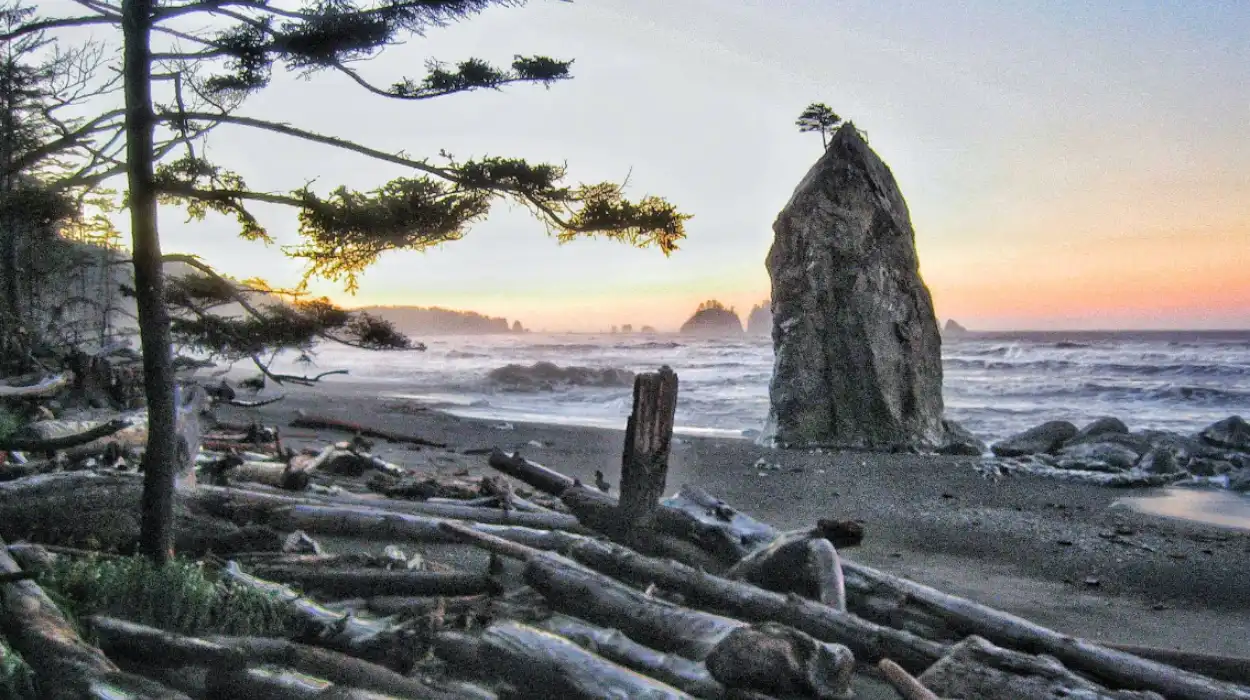
Reserve the third day for the Hoh Rain Forest and the Pacific coastline around Forks and La Push. This day is the most visually distinct part of the trip because it combines dense rain forest with open ocean scenery. It is also the part most travelers remember longest.
The Hoh Rain Forest is one of the peninsula’s signature destinations. It shows the temperate rain forest environment that makes Olympic National Park and the surrounding region so distinctive. From there, the route continues to the coast, where the scenery shifts again into beaches and sea cliffs.
End the trip with a coastal sunset or an overnight near the west side if time allows. This final day completes the peninsula’s natural sequence: town, lake, forest, and ocean. That progression makes the itinerary feel complete and well organized.
Which stops matter most on the route?
The most important stops are Port Townsend, Sequim, Port Angeles, Lake Crescent, Forks, the Hoh Rain Forest, and La Push. These places define the peninsula’s travel identity because they represent its towns, inland scenery, forest, and coastline.
Port Townsend gives the trip its historic waterfront beginning. Sequim adds open valley scenery and a softer pace. Port Angeles and Lake Crescent create the north-side core of the route and give travelers easy access to the park area.
Forks and La Push bring the trip into the west-side coastal zone. The Hoh Rain Forest adds the temperate rain forest setting that makes the region feel different from most Washington road trips. Together, these places create the essential Olympic Peninsula experience.
What should travelers know before driving?
Travelers should plan for long distances between some stops, limited services in remote areas, and changing weather across the peninsula. The route works best with a full tank of fuel, early departures, and flexible timing.
The Olympic Peninsula is not a small park loop. It is a large coastal-and-mountain region, and many of its best-known destinations are spread apart. That means the trip works better when travelers focus on one main area each day instead of trying to see everything at once.
Weather also changes quickly across the peninsula. Coastal conditions, forest moisture, and mountain visibility can vary on the same day. That makes the trip more interesting, but it also means travelers should keep their plans simple and realistic.
What makes the Olympic Peninsula special?
The Olympic Peninsula is special because it combines mountains, ocean, rain forest, and scenic towns inside one Washington travel region. Very few road-trip destinations offer this much variety in such a short driving loop.
The peninsula’s landscape gives travelers multiple experiences in one trip. They can begin in a harbor town, move to a lake, drive through a rain forest, and finish at the beach. That range is the main reason the region stays popular with road-trippers.
Its value is also structural. The peninsula has a natural itinerary shape that fits short trips well. The landscape already divides itself into clear travel zones, which makes the route easy to plan and easy to understand.
What is the best season for this trip?
The best season for an Olympic Peninsula road trip is the time of year with the most stable weather and the clearest access to scenic stops. The route works year-round, but seasonal conditions change comfort, visibility, and outdoor activity options.
The peninsula is a four-season destination. Its appeal does not depend on one single attraction, so it remains useful throughout the year. Coastal viewpoints, lake scenery, rain forest stops, and town visits all stay relevant in different seasons.
Season mainly affects how much time travelers spend outdoors. In wetter periods, shorter walks and scenic pullouts make the most sense. In drier periods, longer hikes and extended beach visits become easier. The route itself stays the same even when activity levels change.
How do you plan lodging and pacing?
Lodging works best when it follows the route: northeast peninsula for Day 1, Port Angeles or Lake Crescent for Day 2, and Forks, La Push, or a nearby coastal base for Day 3. This cuts backtracking and keeps the itinerary efficient.
Pacing should follow geography rather than trying to fit in too many attractions. The peninsula’s major destinations are spread across three main areas, so each day should focus on one region. That approach creates a stronger trip and a cleaner travel flow.
A useful pattern is to keep Day 1 light, Day 2 centered on the park gateway, and Day 3 focused on the rain forest and coast. That structure matches the natural layout of the peninsula and works well for most travelers.
Why does this itinerary work for Washington travelers?
This itinerary works for Washington travelers because it highlights the state’s strongest mix of coast, forest, and mountain scenery in one short trip. It is ideal for a 3-day escape that feels complete without requiring a long vacation.
Washington residents often want a trip that feels different from a city weekend. The Olympic Peninsula fits that need because it combines small-town stops, national park access, and Pacific coastline in one route. It is broad enough for first-time visitors and structured enough for repeat travelers.
The itinerary also works well as evergreen content because the route does not change much over time. The destinations remain the same, the travel pattern remains stable, and the region’s main appeal stays consistent. That makes it useful for both SEO and AI search visibility.
What should the final route look like?
The final route should follow a northeast-to-west pattern: Port Townsend and Sequim on Day 1, Port Angeles and Lake Crescent on Day 2, and Forks, the Hoh Rain Forest, and La Push on Day 3. This creates a clean, logical 3-day loop through the peninsula’s main landscapes.
That route reduces unnecessary driving and groups the peninsula’s major ecosystems in a natural order. It starts with towns and waterfront, moves into mountain-lake scenery, and ends with forest and coast. That sequence makes the trip easier to follow and easier to remember.
For a broad audience, this is the strongest version of the itinerary because it is simple, complete, and practical. It gives travelers the full Olympic Peninsula experience in just 3 days while keeping the planning process straightforward.
How many days do you need for the Olympic Peninsula?
Three days is enough to experience the Olympic Peninsula’s main highlights, including historic towns, mountain scenery, lakes, temperate rainforest, and the Pacific coast. While longer trips allow for more hiking and exploration, a 3-day itinerary provides an excellent introduction for first-time visitors.