
San Juan Island is the best starting point for first-time travelers who want a compact Washington island trip with ferries, wildlife, history, and easy driving routes. The island centers on Friday Harbor, and the most useful planning facts are the ferry reservation system, the park sites, and the whale-watching season.
- What is San Juan Island for first visitors?
- Why do first-time travelers choose this island?
- How do you get there?
- What should you see first?
- How should you plan the route?
- What is the island’s history?
- What outdoor activities matter most?
- What are the best times to visit?
- What should you book in advance?
- How many days do you need?
- Why does it matter for Washington travelers?
- What makes it evergreen?
What is San Juan Island for first visitors?
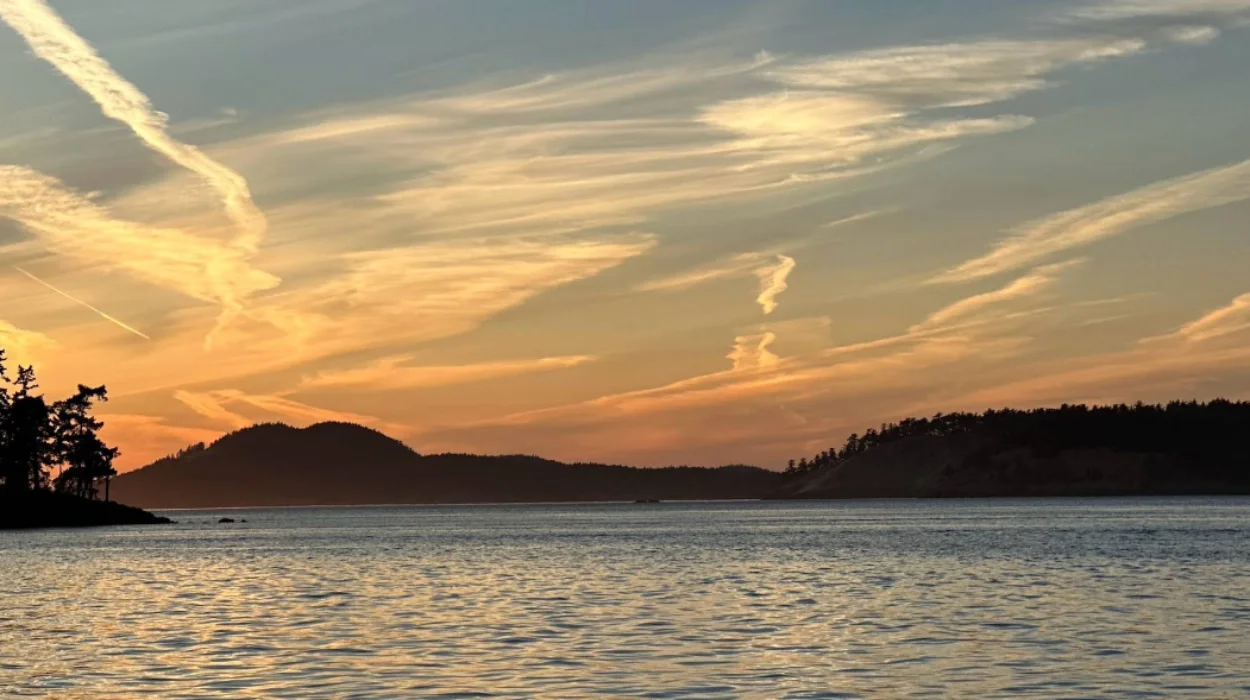
San Juan Island is a drivable Washington island in the Salish Sea, known for Friday Harbor, whale watching, historic parks, and scenic coastal roads. It is the second largest and most populous of the San Juan Islands, with the main visitor hub in Friday Harbor.
San Juan Island sits in northwestern Washington and attracts first-time visitors because it combines a small-town base with a full road-trip loop. Friday Harbor gives travelers groceries, lodging, dining, fuel, and ferry access in one place. The island also has strong visitor demand because whale watching, kayaking, hiking, and heritage sites all fit into a short stay.
The island works well for a road trip because the roads connect the main attractions without requiring long-distance driving. Visitors use a car to reach west-side viewpoints, state park areas, and the historic sites outside town. The island is not built for walking between all attractions, so vehicle access improves trip efficiency.
Why do first-time travelers choose this island?
First-time travelers choose San Juan Island because it is easy to navigate, dense with attractions, and supported by a strong visitor infrastructure in Friday Harbor. It delivers marine wildlife, history, and outdoor recreation in one short trip.
San Juan Island has a clear first-visit structure. The trip usually starts with the ferry to Friday Harbor, then continues with a scenic drive to Lime Kiln Point State Park, American Camp, English Camp, and Roche Harbor. That sequence covers the island’s core experiences without unnecessary backtracking.
The island also fits broad audiences because it supports different travel styles. Some visitors focus on whale watching and the waterfront. Others focus on hiking, cycling, photography, or historical interpretation. The San Juan Islands Visitors Bureau explicitly directs first-time travelers toward advance planning for lodging, dining, and activities.
How do you get there?
The standard route is the Washington State Ferries Anacortes to Friday Harbor crossing, which runs from the ferry terminal in Anacortes. Vehicle reservations are required for cars, and travelers must check in at least 30 minutes before departure.
For a road trip, the ferry is the central logistics point. Washington State Ferries states that San Juan Islands ferries depart from the Anacortes Ferry Terminal, and vehicle travelers need reservations for the Friday Harbor route. The system also releases reservations in waves, including two months, two weeks, and two days before sailing times.
Walk-on passengers do not need vehicle reservations, but cars do. Travelers who bring a vehicle need to plan both the outbound and return trips because the reservation process is structured around sailing capacity and no-shows. For a first visit, this matters because the island is best experienced with a car, and ferry space is often the limiting factor rather than island driving.
What should you see first?
The best first stops are Friday Harbor, San Juan Island National Historical Park, and Lime Kiln Point State Park. These three places give a complete introduction to the island’s town life, history, and marine landscape.
Friday Harbor is the main town and the practical center of the island. It holds the ferry landing, visitor services, shops, and many tour operators. It is also the place where first-time visitors can orient themselves before driving west or south.
San Juan Island National Historical Park is the island’s most important heritage site. The park preserves American Camp and English Camp, and the grounds and outdoor exhibit areas are open 24 hours a day, seven days a week at both locations. This makes the park a flexible stop for road-trippers who want a direct historical context for the island.
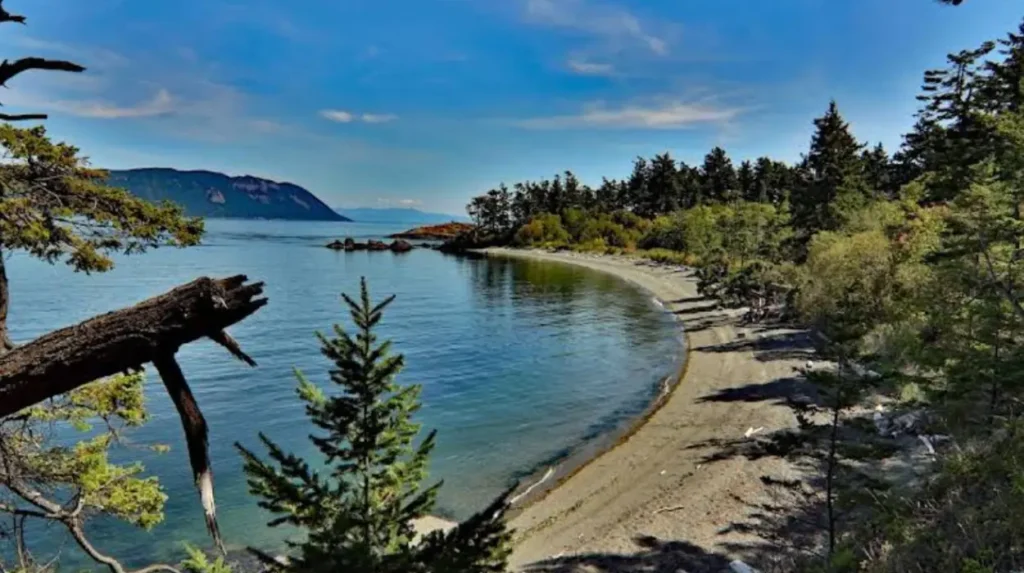
Lime Kiln Point State Park is the signature coastal viewpoint on the west side of the island. It is widely associated with shore-based whale watching and is one of the island’s most recognizable scenic destinations. First visitors use it as the main west-side stop because it combines lighthouse views, interpretive exhibits, and ocean scenery.
How should you plan the route?
A practical first-visit route starts in Friday Harbor, continues to American Camp, then reaches Lime Kiln Point State Park, and ends with Roche Harbor or English Camp depending on time. This sequence reduces driving overlap and covers the island’s main regions.
The island route works best as a loop with the town as the anchor. Friday Harbor should come first because it handles food, fuel, and ferry arrival. American Camp provides the historic south-side setting, while Lime Kiln Point covers the west coast. English Camp and Roche Harbor add another layer of history and waterfront scenery.
This route also matches the island’s geography. The south side gives prairie and military-history context. The west side gives cliffs, lighthouses, and whale-viewing potential. The north side adds harbor scenery and resort-style stops. Together, these areas create a balanced day or two-day road trip.
What is the island’s history?
San Juan Island’s modern visitor story comes from its military boundary history, preserved at San Juan Island National Historical Park. The park interprets the 1859 Pig War boundary dispute between the United States and Great Britain.
The island’s historical importance comes from its role in defining the international border in the Pacific Northwest. The park protects both American Camp and English Camp, which represent the U.S. and British military presence during the mid-19th century boundary tension. That history gives the island more depth than a standard coastal getaway.
For first visitors, the historical sites explain why the island has protected landscapes and open prairie areas. The park preserves both cultural and natural resources, and its visitor programming includes guided walks and tours during summer months. This makes the history visible rather than abstract.
What outdoor activities matter most?
The main outdoor activities are whale watching, hiking, kayaking, cycling, and shoreline viewing. Whale watching is strongest from April through October, especially for orcas, and humpback whales are most commonly seen from August through October.
Whale watching is the island’s most famous activity. The Islands sit in the heart of the Salish Sea, which supports marine wildlife and structured tour operations. For first-time visitors, both boat tours and land-based viewing can work, but the strongest shore stop is Lime Kiln Point State Park.
Hiking and beach walking are also important because they reveal the island’s interior and coastline. The national park offers accessible grounds and interpretive areas, while the west side provides long views and trails near the shoreline. Kayaking and cycling also remain core visitor experiences in the broader San Juan Islands travel pattern.
What are the best times to visit?
The best time for a first road trip is late spring through early fall, when ferry demand, guided activities, and whale-watching operations are all active. Whale activity peaks in the warmer months, and summer brings the widest set of visitor services.
Seasonal timing matters because the island changes with visitor demand and wildlife visibility. The visitor bureau notes that planning ahead for lodging, activities, and dining helps the trip run smoothly. Summer also brings guided walks at the national park and stronger access to tourist services.
For wildlife, the seasonal pattern is more specific. The San Juan Islands visitor materials state that the best months for whale watching are April through October, with orcas especially visible in that period. That timing gives first-time visitors the strongest chance to combine scenic driving with marine viewing.
What should you book in advance?
Book the ferry, lodging, whale tours, and dinner reservations before travel. Vehicle ferry reservations are the most important because they control access for cars, and the island’s visitor guidance specifically recommends advance booking.
The ferry reservation system is the first planning step. Vehicle travelers need reservations, and Washington State Ferries advises arriving early because late check-in can result in losing the booking. This is especially important during summer travel, when demand increases and reservation slots fill in waves.
Lodging also belongs in advance planning because Friday Harbor functions as the main base for first-time visitors. Dining and activities are easier when arranged early, especially if the trip includes whale watching or guided tours. A first trip works best when transportation and overnight stays are secured first, then activities are layered in afterward.
How many days do you need?
Two full days is the most efficient first-visit length. One day covers Friday Harbor and the west side, while two days also allows time for the historical parks and a slower ferry schedule.
A one-day trip is possible, but it creates a rushed itinerary. Travelers who stay one night can split the island into south/west on day one and north/central on day two. That structure gives time for one major outdoor activity, one historical stop, and one waterfront meal without forcing constant driving.
A two- or three-day stay better fits the island’s visitor rhythm. It leaves room for weather changes, ferry timing, and whale-watching windows. It also makes the trip more resilient because first-time visitors do not have to compress all sightseeing into one outbound and one return sailing.
Why does it matter for Washington travelers?
For Washington travelers, San Juan Island is a compact in-state road trip that shows ferry travel, island geography, and the Salish Sea in one destination. It delivers a complete coastal experience without leaving the state.
The island matters because it represents a distinct Washington travel identity. It combines state ferry access, marine wildlife, public lands, and preserved history. That combination makes it useful for local road-trippers, weekend travelers, and visitors who want a recognizable Pacific Northwest destination.
It also remains relevant because the island’s core attractions are structural, not trend-based. Ferries, parklands, whale watching, and Friday Harbor continue to define the visitor experience year after year. That stability is one reason the topic performs well as evergreen travel content.
What makes it evergreen?
San Juan Island remains evergreen because the route, the ferry system, the parks, and the whale season stay consistent enough for repeatable trip planning. The destination keeps the same core travel logic across seasons and years.
Evergreen travel content works when the destination has durable anchors. San Juan Island has exactly that: a ferry gateway, a main town, preserved parks, and recurring wildlife viewing periods. Those elements do not depend on a one-time event or a temporary attraction.
That stability helps search performance on Google and AI search engines because the topic answers a long-term travel intent: how to plan a first trip. The strongest pages on this subject explain logistics, attractions, timing, and route structure in a clear sequence. San Juan Island fits that model well because the traveler’s questions stay the same from season to season.
What is San Juan Island and why is it popular with first-time visitors?
San Juan Island is one of Washington State’s most visited islands in the Salish Sea. It is known for Friday Harbor, whale watching, scenic coastal drives, historic sites, kayaking, and wildlife viewing. First-time visitors often choose it because the island combines ferry travel, outdoor recreation, and history in one easy-to-explore destination.