
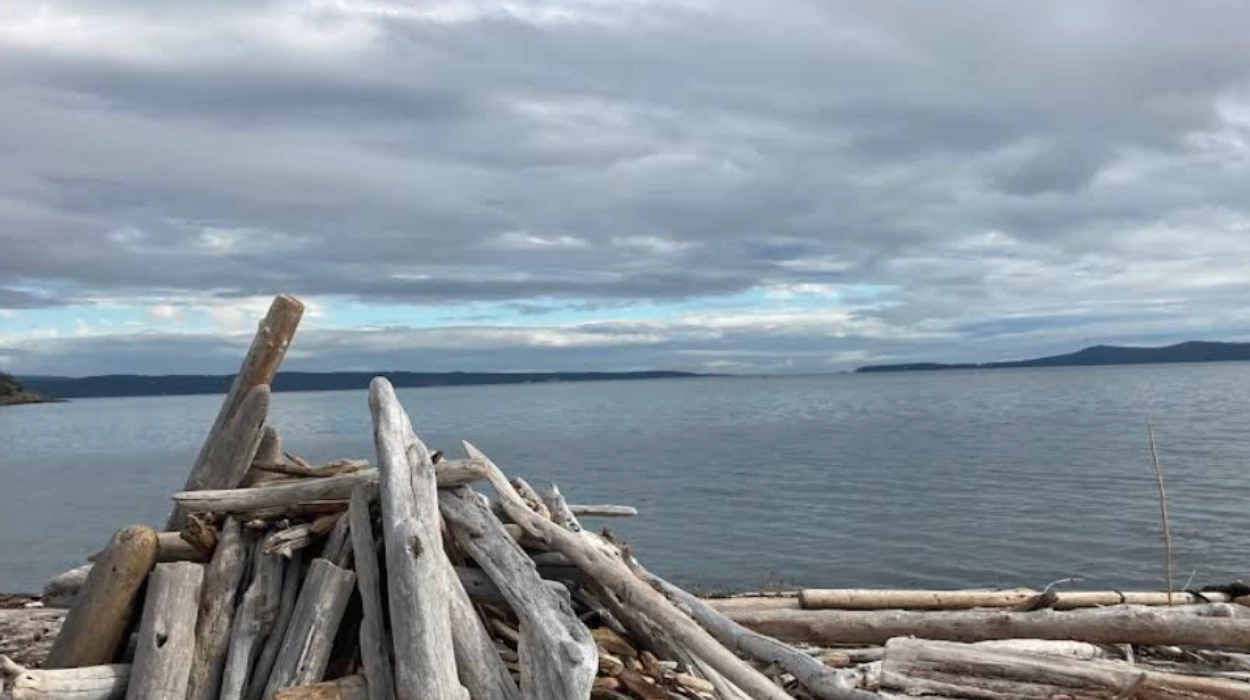
The best beaches in the San Juan Islands are South Beach (the largest public beach at 2 miles), Granny’s Cove (the only warm swimming beach), Jackson Beach (the closest sandy beach to Friday Harbor), San Juan County Park (gravel beaches with whale viewing), and Eagle Cove (a sheltered cove ideal for water sports). These beaches span San Juan Island, the main island in the archipelago, and offer distinct experiences from driftwood beachcombing to tidepool exploration. Washington state’s San Juan Islands contain over 400 islands, but public beach access is limited compared to other Pacific Coast regions due to ambiguous tideland ownership laws.
- What Are the Best Beaches in the San Juan Islands?
- Which Beach Has the Best Swimming Conditions?
- Where Is the Largest Public Beach in the San Juan Islands?
- How Do I Access Beaches on San Juan Island?
- What Transportation Options Exist for Island Beaches?
- What Historical Context Shapes San Juan Island Beaches?
- Which Beaches Feature Historic Sites?
- What Wildlife Can I See at San Juan Islands Beaches?
- Which Beaches Are Best for Whale Watching?
- What Activities Are Available at Each Beach?
- Which Beaches Allow Camping and Bonfires?
- What Should I Know About Washington Beach Access Laws?
- Which Beaches Are Explicitly Public?
- When Is the Best Time to Visit San Juan Islands Beaches?
- What Are the Seasonal Conditions?
What Are the Best Beaches in the San Juan Islands?
South Beach, Granny’s Cove, Jackson Beach, San Juan County Park, and Eagle Cove rank as the top five beaches. South Beach stretches 2 miles along American Camp with massive漂 wood and Olympic Mountain views. Granny’s Cove offers shallow, protected waters perfect for swimming with water shoes due to rocky shores. Jackson Beach sits just 2 miles from Friday Harbor with picnic tables and a shelter. San Juan County Park features 12 acres with gravel beaches, tide pools, and whale watching opportunities. Eagle Cove provides calm waters on the island’s southwestern side for wakeboarding and swimming.
The San Juan Islands archipelago includes San Juan Island, Lopez Island, Orcas Island, and Shaw Island among 400+ islands in the Strait of Juan de Fuca. Unlike Oregon or California, Washington has ambiguous public access laws for beaches below the high-tide line, making explicit public spots essential to identify. Most beaches are rocky pebble shores rather than sandy, reflecting the Pacific Northwest’s glacial geology.
Which Beach Has the Best Swimming Conditions?
Granny’s Cove (also called Grandma’s Cove) is the only beach with warm, safe swimming water in the San Juan Islands. The cove’s shallow, protected waters warm up on hot days enough for dipping, unlike the choppy waves at other beaches. Visitors should wear water shoes because the shore is rocky and covered in driftwood. The beach features a half-moon of brown butter sand and remains often free of tourists.
South Beach is not suitable for swimming due to choppy waves and rocky shoreline. Eagle Cove offers swimming in cold temperatures, popular for water sports on the southwestern island side. Fourth of July Beach in Griffin Bay has shallow, calmer water perfect for splashing and launching kayaks.
Where Is the Largest Public Beach in the San Juan Islands?
South Beach in San Juan Island National Historical Park is the largest public beach anywhere in the San Juan Islands. It spans 2 miles of walkable pebble-and-sand beach with views over the Strait of Juan de Fuca to the Olympic Mountains. Massive driftwood washed up and bleached in the sun for decades lines the entire beach. The beach includes picnic tables, fire rings, and broad golden hills where eagles, hawks, rabbits, and red foxes inhabit.
South Beach tends to have choppy waves and rocky shorelines, making it unsuitable for swimming but excellent for beach fires, exploring, and wildlife watching. The beach sits within American Camp, which includes historic points like the Redoubt fortification from the 1859-1871 Pig War conflict. Ranger-led nature and history walks occur on weekends from June through August.
How Do I Access Beaches on San Juan Island?
Most San Juan Island beaches require driving from Friday Harbor, with South Beach 15 minutes south and Jackson Beach 5 minutes away. South Beach is accessed via the American Camp Visitor Center at Cattle Point Rd., American Camp, WA. From downtown Friday Harbor, take Spring Street left onto Argyle Street, then left onto Pear Point Road for roughly half a mile to reach Jackson Beach.
Granny’s Cove requires parking at the American Camp Visitor Center and walking 5-10 minutes downhill on a grassy trail with ocean views. The westernmost trail from the parking lot leads to Parade Ground, where a marked trail to Granny’s Cove appears on the right. Fourth of July Beach is 7 miles from Friday Harbor, accessible by heading east up Spring Street, turning left on Mullis Road (which becomes Cattle Point Road), then left at the signed turnoff.
San Juan County Park sits 10 miles from Friday Harbor on West Side Rd., San Juan Island, WA 98250. Lime Kiln Point State Park is a 20-minute drive from Friday Harbor on the island’s west side at 1567 West Side Rd..
What Transportation Options Exist for Island Beaches?
The San Juan Transit shuttle serves beaches late May through early September, connecting Friday Harbor to English Camp and Roche Harbor areas. The shuttle reaches beaches 9 miles from Friday Harbor and 5 miles from Roche Harbor. Visitors can drive personal vehicles to all major beaches with ample parking at Jackson Beach, American Camp Visitor Center, and San Juan County Park.
Small boat access exists at Jackson Beach’s boat launch and small dock for getting small boats in water. Kayak launching is possible at San Juan County Park’s Smallpox Bay and Fourth of July Beach’s Griffin Bay. Some beaches like English Camp coastline require dinghy dock access by boat.
What Historical Context Shapes San Juan Island Beaches?
Coast Salish Tribes established villages at both American and English Camps since time immorable, harvesting salmon, halibut, and shellfish along shorelines. Their settlements traded surplus salmon and clams with inland Tribes, making San Juan Island a major node in regional trade, culture, kinship, and communication networks. The seafood abundance attracted Euro-Americans, with the Hudson’s Bay Company purchasing preserved salmon from Coast Salish Tribes in 1851 and shipping it to Hawai’i.
By the 1880s, major salmon packing industry emerged employing Native American entrepreneurs, Chinese immigrant packing house workers, and fisherfolk of many backgrounds. South Beach served as an important epicenter due to proximity to Salmon Banks. The 1859 Pig War conflict between American and English troops created a 12-year joint British/U.S. occupation (1859-1871) during which no shots were fired.
English Camp at the north end housed Royal Marines from 1860, with buildings, a formal garden, and cemetery remaining. American Camp at the south end housed U.S. soldiers during the mid-1800s occupation, featuring the Redoubt earthen fortress/lookout. The Cattle Point Lighthouse was built in 1935, though a navigational lantern watched here since 1888 when Hudson’s Bay Company established a ranch.
Which Beaches Feature Historic Sites?
South Beach contains the historic Redoubt, a temporary fortification made during the 1859-1871 Pig War conflict. The Redoubt serves as a temporary fortification from when American and English troops standoff without firing shots. American Camp includes historic buildings, the Redoubt lookout, and stunning prairies alongside South Beach.
English Camp preserves Royal Marine buildings, a formal garden, and cemetery from the 1860s British occupation. Park rangers recreate military and civilian life skills on Saturdays from June through August, with a full mid-19th-century camp reenactment weekend in July. Young Hill trail features the 1860s Royal Marine Cemetery accessible from across the road from English Camp.
Cattle Point Lighthouse represents navigational history with a lantern watching since 1888 and the current structure built in 1935. Lime Kiln Point Lighthouse was built in 1919 and still serves as a navigational beacon for ships in Haro Strait.
What Wildlife Can I See at San Juan Islands Beaches?
Orca whales are common in waters off Lime Kiln Point, with minke whales, porpoises, seals, sea lions, otters, and bald eagles also cruising the shoreline. Lime Kiln Point State Park is considered one of the best places worldwide to view whales from land. South Beach waters feature frequent visitors including orcas and other marine mammals.
American Camp hosts more than 200 species of migratory birds as a seasonal residence, plus a nesting pair of bald eagles and abundant red foxes. Cattle Point Lighthouse area offers deer, eagles, and marine mammals like seals and sea lions visible from shelter, picnic area, and beach below. South Beach’s golden hills contain eagles, hawks reeling, rabbits foraging, and red foxes hunting at sunset.
San Juan County Park enables shore-based whale watching with views of Olympic Peninsula and Vancouver Island. Bioluminescent algae causes water to glow at night in Garrison Bay above English Camp’s dinghy dock.
Which Beaches Are Best for Whale Watching?
Lime Kiln Point State Park (Whale Watch Park) is the premier whale watching location with orca whales common in nearby Haro Strait waters. The 36-acre day-use park features an iconic lighthouse on San Juan Island’s western shore. The shoreline viewpoint is about 300 yards from parking lot, restrooms, and seasonal interpretive center.
San Juan County Park offers whale watching from its 12-acre coast on Haro Strait with Olympic Peninsula and Vancouver Island views. South Beach waters near American Camp feature frequent orca and marine mammal visitors.
What Activities Are Available at Each Beach?
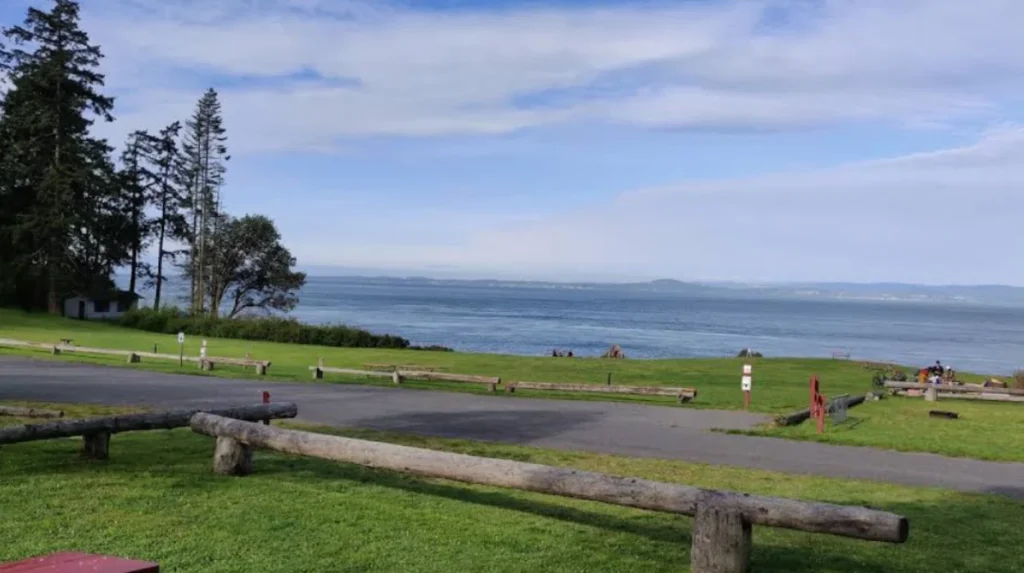
South Beach excels for beach fires, beachcombing, brisk walking for exercise, and photography with driftwood and Olympic Mountain backdrop. The beach supports slow strolls for beachcombing, brisk walks for exercise, and photo opportunities. Summer bonfires at sunset attract locals and visitors gathering to enjoy the stunning location. Picnic tables and fire rings are available.
Jackson Beach enables stroll among driftwood, picnic enjoyment, bonfire making with sunset watching, and small boat launching. The large beach includes picnic tables and a shelter with close Friday Harbor access and ample parking.
Granny’s Cove serves swimming, tidepool exploration, and wildlife viewing in protected shallow waters. Fourth of July Beach allows picnic, kayak launching, and walking on shores where San Juan Town village once stood. San Juan County Park supports rocky bluff finding, gravel beach exploration, tidepool wandering, whale watching, picnicking, meadow play, cliffside trail hiking, and kayak launching.
Eagle Cove is ideal for wakeboarding and swimming with water sports popularity on the southwestern island side.
Which Beaches Allow Camping and Bonfires?
San Juan County Park offers 20 campsites with water, flush toilets, picnic shelter, tables, beach, and boat launch; reservations strongly recommended May-September. The 12-acre park sits on Haro Strait coast with camping available. Summer bonfires occur at sunset on South Beach as locals and visitors gather.
Jackson Beach supports bonfire making with sunset watching. Fire rings are available at South Beach. Open fires are only allowed at overnight campgrounds with camp-approved fire circles, per Lopez Island park regulations that apply regionally.
What Should I Know About Washington Beach Access Laws?
Washington state has ambiguous public access laws for beaches below the high-tide line regarding private ownership, making explicit public spots essential. Unlike other west coast states, the law around public access and private ownership of beaches below the high-tide line in Washington is ambiguous. It is best to seek spots explicitly open to public rather than assuming beach access.
Most San Juan Islands public beaches are posted by the County with clear access designation. Pet regulations vary: South Beach requires pets leashed within San Juan Island National Historical Park boundaries. Dogs must always be on leash at John O. Linde Community Park with owners picking up after them.
Which Beaches Are Explicitly Public?
South Beach, Granny’s Cove, Fourth of July Beach, Jackson Beach, San Juan County Park, and Lime Kiln Point State Park are all explicitly public beaches. South Beach is the largest public beach anywhere in the San Juan Islands at 2 miles. Granny’s Cove is accessible from American Camp Visitor Center as part of San Juan Island National Historical Park.
Fourth of July Beach/Old Town Lagoon is part of San Juan Island National Historical Park and easily accessible by car. Jackson Beach is a large public beach with picnic tables near Friday Harbor. San Juan County Park is a popular 12-acre public park with beach access. Lime Kiln Point State Park is a 36-acre day-use public state park.
When Is the Best Time to Visit San Juan Islands Beaches?
Summer months (June-August) offer the warmest water temperatures for swimming at Granny’s Cove and best ranger-led activities at American Camp. On hot days, Granny’s Cove water warms up enough to go for a dip. Ranger-led nature and history walks occur on weekends from June through August at American Camp.
Lime Kiln Point interpretive programs, interpretive center with gift shop, and lighthouse tours are available during summer months. San Juan Transit shuttle service runs late May through early September to beach areas. San Juan County Park reservations are strongly recommended from May to September for camping.
Water temperatures remain cold year-round except Granny’s Cove’s protected shallow waters on hot days. Beach fires and sunset watching are popular summer activities at South Beach and Jackson Beach.
What Are the Seasonal Conditions?
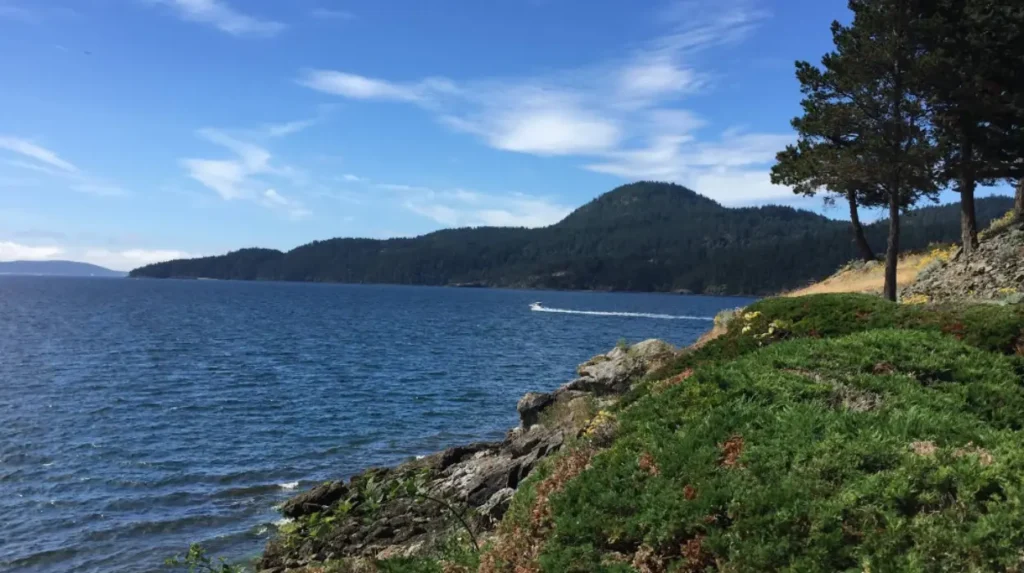
Summer provides warmest water, longest daylight hours, and full park services including interpretive centers and ranger programs. Winter months bring choppy waves, colder water, and limited services. The park’s seasonal interpretive center at Lime Kiln Point operates during summer with educational wayside panels.
American Camp’s visitor center closed in September 2019 for 42 years, with a new permanent facility now greeting visitors with books and guides. Seasonal residence includes more than 200 migratory bird species during specific months.
What are the best beaches in the San Juan Islands?
The top beaches in the San Juan Islands include South Beach, Granny’s Cove, Jackson Beach, San Juan County Park, and Eagle Cove. Each offers unique experiences ranging from whale watching and beachcombing to swimming and water sports.