
Key Points
- Washington State Department of Transportation has planned 117 major construction projects for the summer across the state, according to The News Tribune.
- WSDOT says the work reflects the state’s usual summer road-building season, when warm and dry weather creates better conditions for construction.
- Seasonal repairs can cause delays, lower speed limits, lane restrictions and longer travel times for motorists.
- WSDOT has urged drivers to plan ahead, allow extra time and use travel tools to check conditions before setting out.
- Some projects in past and current reporting have affected routes to popular destinations including Mount Rainier, Ocean Shores and Lake Cushman.
Washington (Evening Washington News) June 15, 2026, state’s summer construction season is set to bring widespread roadwork, with WSDOT planning 117 major projects across the state, according to The News Tribune. Across the Evergreen State, warm and dry weather gives crews the best chance to complete resurfacing, preservation and repair work that is harder to carry out in the wetter months.
What is WSDOT planning this summer?
As reported by The News Tribune, WSDOT has lined up 117 major construction projects for the summer.
The broader message from the department is that this is part of a larger wave of statewide roadwork that will affect drivers in many regions at the same time.
The department has also warned that the next several summers will bring a lot of construction, meaning motorists should expect continued disruption beyond a single season.
That includes both large projects and the day-to-day maintenance that can add to congestion on already busy roads.
Why does summer bring more roadwork?
WSDOT says summer is the main window for road construction because dry, warm weather is better for resurfacing and preservation work. Seasonal repairs often need conditions that are not available in cooler, rainier months, which narrows the time crews have to complete work safely and effectively.
That is why construction activity tends to rise in summer even though it can be frustrating for drivers. WSDOT has said it is trying to reduce the impact where possible, but also noted that travel will be challenging.
Which areas and routes are affected?
Earlier reporting cited work in Pierce, Mason, Jefferson, Clallam and Grays Harbor counties, with routes leading towards places such as Mount Rainier, Ocean Shores and Lake Cushman among those affected by seasonal repairs.
Other WSDOT summer preservation work has also been reported on highways including US 101, SR 105, SR 110 and SR 165 across Western Washington.
The wider impact is not limited to tourist routes. WSDOT has said statewide projects mean drivers “just about anywhere” are likely to encounter roadwork, with congestion and slower travel part of the expected summer pattern.
What delays should drivers expect?
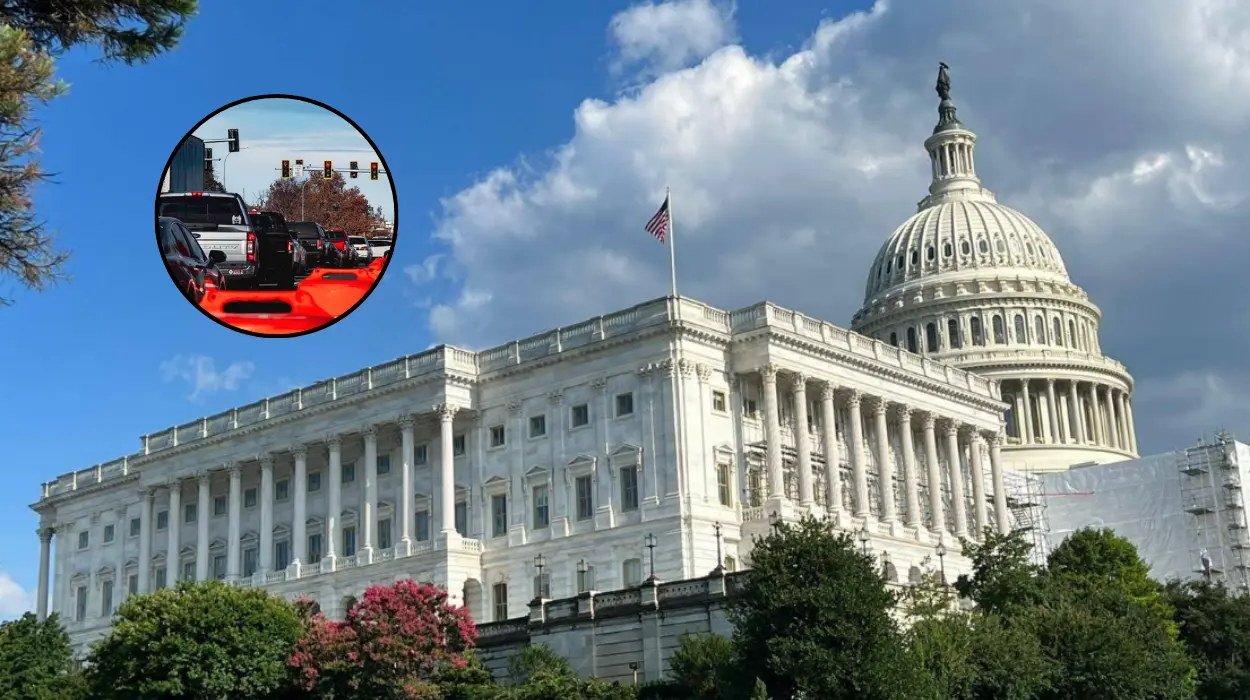
WSDOT and other reporting have warned of lowered speed limits, single-lane restrictions, alternating traffic, and travel delays during active work zones.
In some cases, motorists may face delays of up to half an hour on affected corridors, depending on the project and time of day.
WSDOT has also advised drivers to leave earlier than usual and build extra time into journeys. The department has encouraged people to use its app and real-time travel map, and to consider alternatives such as carpooling, buses, Link light rail, the Sounder train or Amtrak Cascades where practical.
How are officials advising the public?
The main advice from WSDOT is simple: plan ahead, stay alert and expect delays. The department has also stressed the importance of obeying work zone speed limits and paying close attention to crews and signage.
This guidance is aimed at reducing both congestion and safety risks in active construction areas. WSDOT’s message is that short-term inconvenience is necessary to complete repairs and improve the transport network over the longer term.
Explore More Travel News
WA’s Top 8 Road Trips; Hoquiam 2026
Background of the development
Washington has long seen a seasonal increase in roadwork during summer because weather conditions are more suitable for construction and road treatments. Previous reporting has shown that the state regularly sees more than 100 active road projects in summer, with WSDOT and the wider transport system preparing for repeated disruption.
The current round of projects fits that broader pattern. WSDOT has said the scale of construction over the next several summers will be significant, which suggests that drivers should expect recurring road impacts rather than a one-off disruption.
What could this mean for drivers?
For commuters, the biggest effect is likely to be longer travel times and less predictable journeys during the summer months.
For holidaymakers and visitors, routes to popular destinations may be slower and require more careful planning, especially on weekends and peak travel days.
For freight, emergency response and daily commuting, the main issue will be congestion and lane restrictions in active work zones. The practical effect is that Washington drivers may need to leave earlier, check live traffic conditions more often and expect roadworks to be a regular part of summer travel.