
Key Points
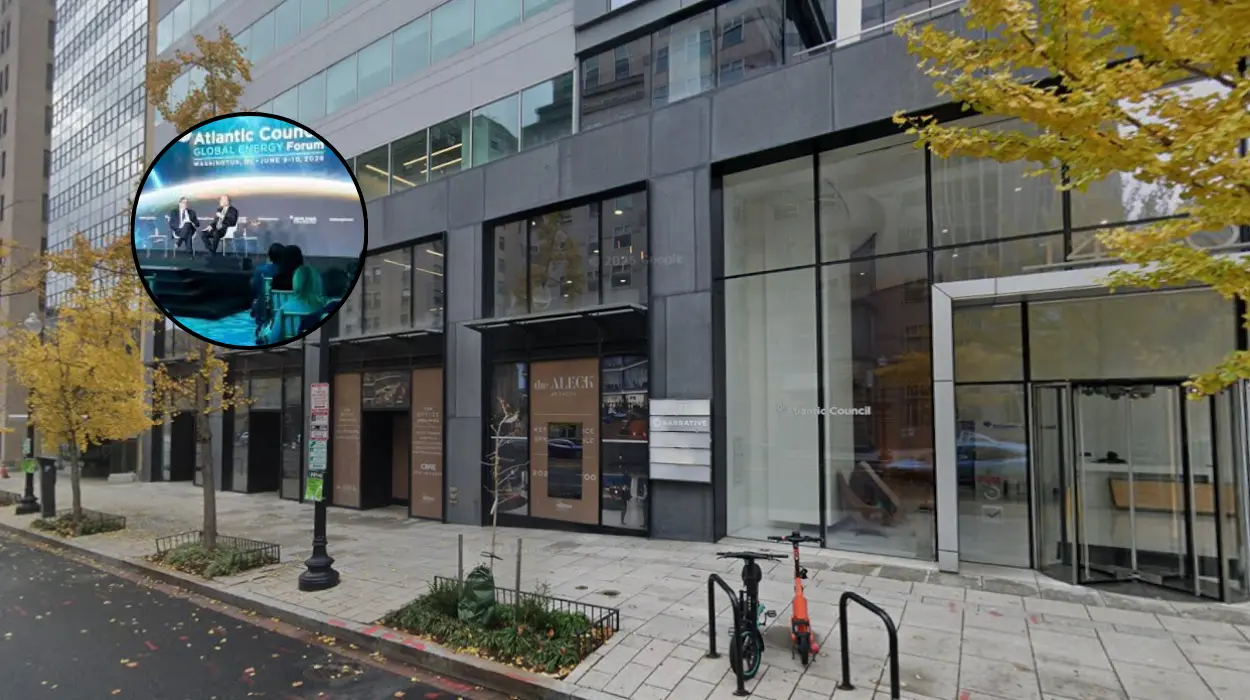
- Karim Badawi, Egypt’s Minister of Petroleum and Mineral Resources, attended the 10th Global Energy Forum in Washington, D.C., hosted by the Atlantic Council.
- Badawi took part in a fireside chat titled “Energy, Diplomacy, and Regional Stability in the Middle East,” moderated by Atlantic Council CEO Frederick Kempe.
- The Ministry of Petroleum and Mineral Resources (MoPMR) said the forum emphasised innovation, supply security and AI integration into energy.
- Badawi said Egypt is seeking to maximise resource potential and attract investment through financial and contractual reviews to accelerate development and increase oil and gas output.
- Badawi met Sheikh Nawaf Saud Al‑Sabah, Deputy Chairman and CEO of Kuwait Petroleum Corporation (KPC), to discuss increased Kuwaiti investment and cooperation in exploration and production in the Mediterranean, Red Sea and Western Desert.
- Talks with KPC covered boosting output, utilising resources, and leveraging KPC expertise in major regional projects, including the Eastern Mediterranean.
- Badawi joined the opening session of the US‑Gulf Energy Infrastructure Summit, also organised by the Atlantic Council with the US Department of Energy, where he outlined Egypt’s infrastructure role linking producers and consumers.
- He highlighted Egypt’s natural gas network, Mediterranean LNG export facilities, and refining and petrochemical capabilities as strategic assets for regional energy security.
Washington, D.C. (Evening Washington News) June 10, 2026 — Egypt’s Minister of Petroleum and Mineral Resources, Karim Badawi, attended the Atlantic Council’s 10th Global Energy Forum in Washington, D.C., joining senior government officials, global energy executives and investors to discuss the global energy agenda amid shifting geopolitical and economic conditions, the MoPMR said in a statement.
- Key Points
- Why did Karim Badawi speak about diplomacy and regional stability in a fireside chat?
- What points did the MoPMR highlight about the forum’s focus and global energy trends?
- Who did Badawi meet from Kuwait Petroleum Corporation and what was discussed?
- What investment opportunities and regional projects were proposed to KPC?
- Why did Badawi attend the US‑Gulf Energy Infrastructure Summit and what did he say about Egypt’s role?
- What evidence publicly supports these accounts of Badawi’s participation and meetings?
- Background on the development
- Prediction: how this development could affect energy investors and regional partners
Why did Karim Badawi speak about diplomacy and regional stability in a fireside chat?
(Atlantic Council; MoPMR) As reported by the Ministry of Petroleum and Mineral Resources, Badawi participated in a fireside chat titled
“Energy, Diplomacy, and Regional Stability in the Middle East,”
moderated by Frederick Kempe, president and CEO of the Atlantic Council. Badawi told the forum that Egypt’s petroleum and mineral resources sectors are prioritising the maximisation of national resource potential through deeper collaboration with international and regional partners.
The minister said the ministry is pursuing financial and contractual reviews intended to improve the investment climate, channel capital into accelerated field development and raise oil and gas output.
What points did the MoPMR highlight about the forum’s focus and global energy trends?
(MoPMR) The ministry said the forum highlighted priorities such as innovation, supply security and the integration of artificial intelligence into the energy sector.
It described the event as a forum for advancing the global energy agenda while responding to evolving geopolitical and economic dynamics.
Who did Badawi meet from Kuwait Petroleum Corporation and what was discussed?
(MoPMR; Karim Badawi LinkedIn) During his visit, Badawi met Sheikh Nawaf Saud Al‑Sabah, deputy chairman and CEO of Kuwait Petroleum Corporation (KPC).
According to MoPMR releases and related social posts, the two officials discussed ways to strengthen strategic cooperation in oil and natural gas and to increase Kuwaiti investment in Egypt’s energy sector. The meeting highlighted potential investment opportunities in exploration and production across the Mediterranean Sea, the Red Sea and Egypt’s Western Desert.
What investment opportunities and regional projects were proposed to KPC?
(MoPMR) As reported by the MoPMR, Badawi urged greater participation by KPC and its subsidiaries in exploration and production projects to boost output and resource utilisation. Discussions pointed to leveraging KPC’s technical expertise and financial capacity for major regional projects, with particular reference to opportunities in the Eastern Mediterranean and the integration of Arab energy markets to improve regional energy security.
Why did Badawi attend the US‑Gulf Energy Infrastructure Summit and what did he say about Egypt’s role?
(Atlantic Council Global Energy Center; US Department of Energy; MoPMR) Badawi attended the opening session of the US‑Gulf Energy Infrastructure Summit, organised by the Atlantic Council Global Energy Center in partnership with the US Department of Energy.
In his remarks, he positioned Egypt as a provider of integrated strategic solutions that link energy producers and consumers through resilient infrastructure.
He highlighted Egypt’s extensive natural gas network, liquefied natural gas (LNG) export facilities on the Mediterranean coast and advanced refining and petrochemical assets as elements that can support regional energy flows and security.
Which organisations convened the forum and summit, and who moderated Badawi’s session?
(Atlantic Council; US Department of Energy) The events were organised by the Atlantic Council, with cooperation from the US Department of Energy.
Frederick Kempe, the Atlantic Council’s president and CEO, moderated the fireside chat in which Badawi spoke.
What evidence publicly supports these accounts of Badawi’s participation and meetings?
(MoPMR; Karim Badawi LinkedIn; Atlantic Council) The MoPMR issued a statement summarising Badawi’s participation and meetings. LinkedIn posts from energy forums and from the Ministry shared details and images of the minister’s engagements.
The Atlantic Council’s event listings and programme identify the Global Energy Forum and the US‑Gulf Energy Infrastructure Summit and list participating speakers and moderators.
Background on the development
Egypt has, over the past decade, pursued policies to expand hydrocarbon production while developing infrastructure to serve domestic needs and export markets. The country invested in natural gas pipeline networks, LNG facilities on its Mediterranean coast and in refining and petrochemical capacity to capture value from hydrocarbons.
Regional cooperation—particularly in the Eastern Mediterranean—has become a diplomatic and commercial priority for several states seeking to develop offshore resources, build transport links and secure markets. Egypt’s government and its petroleum ministry have signalled a policy mix that aims to attract foreign direct investment through contractual and fiscal adjustments, fast‑track field development and use state infrastructure to act as a regional hub for gas monetisation.
Explore More Local News
Doug Ford Promotes Fortress North America in Washington; Ontario 2026
Why More Deer on WA Roads Now: Avoid Collisions 2026
Prediction: how this development could affect energy investors and regional partners
- For international investors: Egypt’s outreach to major regional players such as KPC signals a continued push to open projects to foreign capital and technical partnerships. If contractual and financial reviews produce clearer, more competitive frameworks, investor confidence and project flow‑through could increase, particularly in exploration and upstream development across the Mediterranean, Red Sea and Western Desert.
- For regional energy firms and governments: Enhanced cooperation with Kuwait and other Gulf partners could accelerate project development, boost cross‑border trade in gas and refined products, and encourage coordinated use of infrastructure (pipelines, LNG terminals). That may improve supply security across the Eastern Mediterranean and North Africa.
- For Egypt’s domestic energy sector: Prioritising field development and output growth could raise production in the short to medium term if investment follows. However, outcomes depend on contract terms, timeline for capital deployment and the technical complexity of targeted fields.
- For energy markets and consumers: Greater utilisation of Egyptian LNG and refining capacity could add regional export volumes and provide alternative routes for gas to reach European or regional markets, influencing regional supply dynamics and price formation.