
Key Points
- Mount Vernon Trail is an 18-mile paved trail along the Potomac River from Theodore Roosevelt Island to George Washington’s Mount Vernon.
- The trail was established by the National Park Service in the 1970s and 1980s.
- It offers a mix of riverside views, marinas, wooden bridges, and amenities such as water fountains and restrooms.
- Cyclists experience relief from central Washington DC’s urban intensity, encountering quieter, scenic stretches and historic sites.
- Two notably steep hills appear near the trail’s beginning and end, which can challenge riders.
- The trail connects to key landmarks including the National Mall via bridges and river crossings.
- The experience blends natural scenery with reflections on American history and the capital’s built environment.
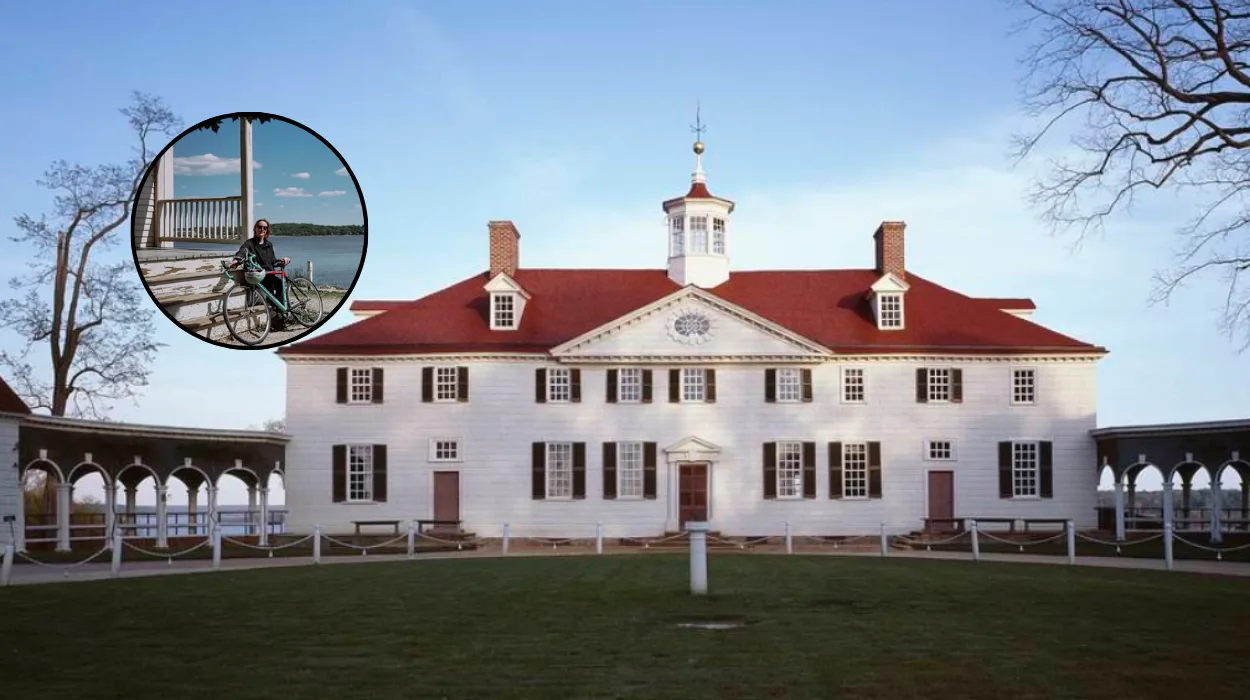
Washington (Evening Washington News) June 10, 2026 – The Mount Vernon Trail, an 18-mile paved route that runs from Theodore Roosevelt Island south along the Potomac River to George Washington’s Mount Vernon estate, has long been praised by cyclists and walkers seeking an escape from Washington DC’s urban centre. As reported by the Financial Times in a personal account by its journalist, the trail offers uninterrupted riverside riding, frequent rest amenities and access to historical sites that together deliver a markedly different pace from the city’s streets.
- Key Points
- How did the Mount Vernon Trail develop and who manages it?
- What route does the trail follow and what features should cyclists expect?
- How does riding the trail compare to cycling inside central Washington DC?
- What practical considerations and challenges do cyclists face on the trail?
- What connections and access points link the trail to the city and other attractions?
- How have users and commentators described the trail’s atmosphere and significance?
- What amenities and facilities are available along the Mount Vernon Trail?
- What safety and accessibility advice should prospective riders consider?
- Background of the particular development
- Prediction: How could this development affect recreational cyclists and visitors to Washington DC?
How did the Mount Vernon Trail develop and who manages it?
As reported by the National Park Service, the Mount Vernon Trail was developed in stages during the 1970s and 1980s. The NPS played a central role in establishing and maintaining the route, coordinating with local jurisdictions and park entities to create a continuous, paved path that links parks, memorials and marinas along the Potomac.
The trail’s stewardship remains a joint effort between federal and local bodies to preserve access and upkeep.
What route does the trail follow and what features should cyclists expect?
The Mount Vernon Trail begins near Theodore Roosevelt Island and traces the Potomac River’s edge south to Mount Vernon. Cyclists will pass the Georgetown waterfront, marinas, wooden bridges over marshland, and portions that run adjacent to park roads.
The surface is paved, with water fountains and restrooms at intervals. Riders can look forward to open river views, stretches of tree cover, and intersections with other regional trails and parkland pathways.
How does riding the trail compare to cycling inside central Washington DC?
In a firsthand FT account, the author described riding through central DC — past the White House, the Treasury, the Washington Monument and Jefferson Memorial — as exhilarating but closely urban and at times claustrophobic. By contrast, the Mount Vernon Trail provides a transition into quieter, more spacious landscapes.
Many cyclists report a psychological shift soon after entering the trail: noise levels drop, traffic becomes distant, and the pace slows, offering a restorative experience compared with the city grid.
What practical considerations and challenges do cyclists face on the trail?
Cyclists should note two steeper hills that bookend the trail’s ends; these ascents can be unexpectedly demanding, especially for casual riders or those on city bikes. The route is otherwise mostly flat and paved, but sections near marinas and bridges may require caution because of pedestrian traffic, tight turns and occasional surface irregularities.
During peak recreational hours, congestion can occur near popular viewpoints and memorial access points.
What connections and access points link the trail to the city and other attractions?
The Mount Vernon Trail ties into various regional landmarks through bridge crossings and adjacent parkways. It provides direct sightlines to the Tidal Basin and connects riders to the National Mall via river crossings.
The trail’s southern terminus at Mount Vernon offers not only a historical destination but also facilities for visitors, while the northern approach near Theodore Roosevelt Island links to other Potomac River green spaces.
How have users and commentators described the trail’s atmosphere and significance?
In a narrative piece published by the Financial Times, the writer recounted buying a $200 bike early in their time living in DC and using it to explore the city. The author described the Mount Vernon Trail as feeling like
“a departure from the intense and chaotic ‘now’ of DC,”
characterising the ride as a return to a quieter, more reflective America rooted in landscape and history. Such descriptions are echoed by many local cyclists and tourists who value the trail for both recreation and the contemplative views it affords of the Potomac and historic riverfront.
What amenities and facilities are available along the Mount Vernon Trail?
The trail is equipped with drinking fountains and restrooms at multiple points along the route. There are paved access points to marinas and picnic areas, and wooden bridge structures that allow passage over marshes and creeklets feeding into the Potomac. Signage indicates connections to nearby historic sites and park services.
What safety and accessibility advice should prospective riders consider?
Riders should carry water, wear helmets, and be prepared for the two steep hills near the trail’s ends. During busy times, slow down near pedestrian clusters and at bridge approaches.
The trail is generally accessible to a range of cyclists, but users with mobility concerns should verify the exact locations of restrooms and accessible parking ahead of a planned trip.
Background of the particular development
The Mount Vernon Trail was created in a period when the National Park Service and local governments were expanding recreational infrastructure around the Potomac River. Constructed in phases across the 1970s and 1980s, the trail responded to growing suburban populations and increased interest in outdoor recreation. Its alignment took advantage of federal parklands and riverfront parcels, linking monuments, parks and historic sites while providing a continuous recreational corridor.
Over subsequent decades, the trail has been maintained and improved by joint agreements among the NPS, county park departments and volunteer organisations. Incremental upgrades have included resurfacing, signage improvements, and amenity additions such as fountains and restroom facilities to support rising visitor numbers.
Explore More Local News
Badawi Pushes Kuwait Investment and LNG Links — Washington D.C. 2026
Palantir USDA $3.9M Surveillance Deal Sparks Federal Worker Concerns Washington 2026
Prediction: How could this development affect recreational cyclists and visitors to Washington DC?
- Increased visitor draw: Continued recognition of the Mount Vernon Trail as an accessible, scenic escape from central DC is likely to sustain or increase visitor numbers, especially among recreational cyclists, commuting riders seeking longer routes, and tourists combining historical visits with outdoor activity.
- Pressure on infrastructure: Higher usage may prompt additional maintenance demands, leading agencies to prioritise resurfacing, wider segments in congested areas, and expanded facilities (more restrooms, water points, and bike parking).
- Local tourism benefits: Greater footfall to Mount Vernon and adjacent riverfront attractions could boost local tourism revenues and support ancillary services such as bike rentals, guided tours and food vendors.
- Safety and crowd-management needs: Rising popularity will necessitate clearer signage, enforced speed controls in mixed-use sections, and possibly timed entry or managed events at peak weekends to reduce conflicts between cyclists and pedestrians.
- Conservation and preservation balance: Continued growth in recreational use will require careful management to preserve marshland and riverbank habitats adjacent to the trail, balancing public access with ecological protection.