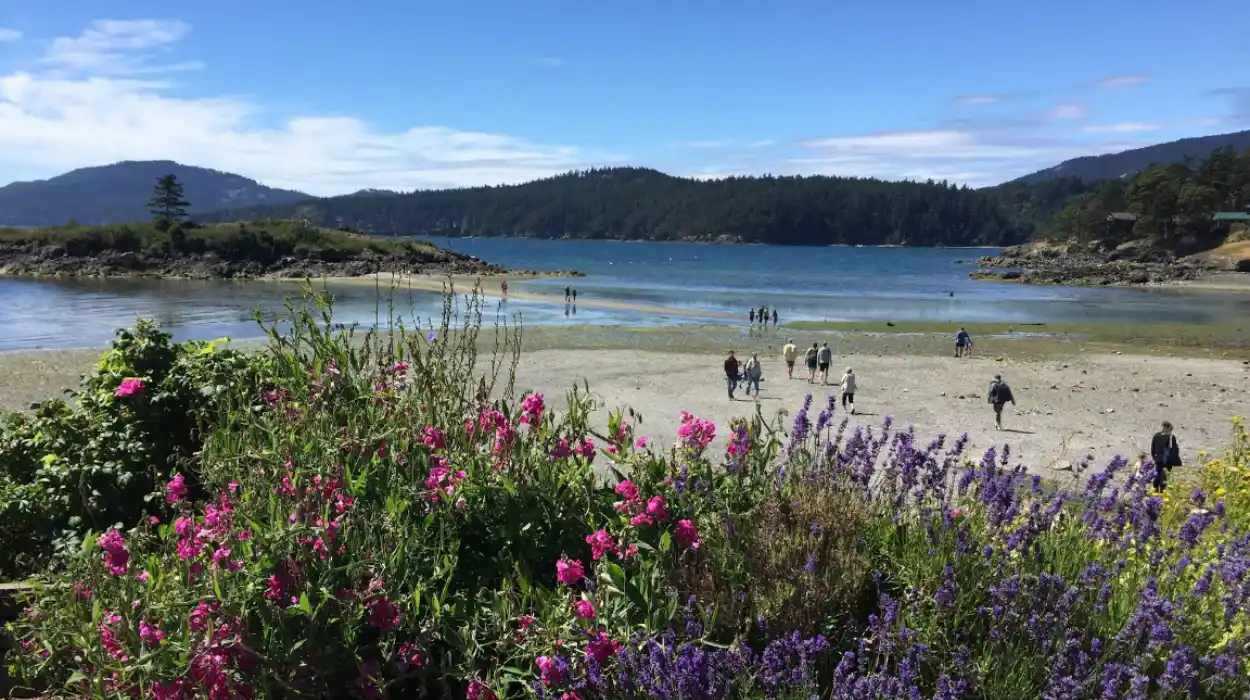
Washington State offers world-class whale watching with the San Juan Islands as the premier destination for observing orcas, humpbacks, and gray whales from dedicated island tours departing Friday Harbor.
- What Makes Washington State One of the Best Places for Whale Watching?
- When Is the Best Time to Go Whale Watching in Washington?
- Which Islands Offer the Best Whale Watching Tours in Washington?
- What Are the Top-Rated Whale Watching Tour Companies on San Juan Island?
- Maya’s Legacy Whale Watching
- Western Prince Whale Watching Adventures
- San Juan Excursions
- What Whale Species Can You Expect to See on Washington Island Tours?
- Orca Whales (Killer Whales)
- Humpback Whales
- Gray Whales
- Other Marine Species
- How Do You Choose Between Small Boat and Large Yacht Whale Watching Tours?
- What Should You Know About Land-Based Whale Watching in Washington?
- What Practical Details Do You Need to Plan a Successful Whale Watching Trip?
What Makes Washington State One of the Best Places for Whale Watching?
Washington State ranks among the top global whale watching destinations because its waters host three whale species year-round, with the San Juan Islands serving as the primary orca habitat where 74 Southern Resident killer whales feed during summer months.
The Pacific Northwest’s unique geography creates ideal conditions for marine life. Washington’s coastal waters include the Salish Sea, Puget Sound, Strait of Juan de Fuca, and the Pacific Ocean coast, each supporting different whale populations. The region’s nutrient-rich waters attract massive fish populations, particularly salmon, which serve as the primary food source for orcas.
The Southern Resident killer whale population consists of three pods: J Pod (27 whales), K Pod (14 whales), and L Pod (33 whales) as of July 2025. These pods travel together through Washington waters, making them predictable targets for whale watching tours. The Washington State Orca Task Force aims to add 10 additional orcas over 10 years, targeting 84 whales by 2028.
Humpback whales have rebounded dramatically from near-extinction due to whaling. Over 800 different humpback individuals have been documented in Salish Sea waters as of 2023, compared to only 293 in 2017. Gray whales migrate through Washington waters annually, passing from Baja California breeding grounds to Bering Sea feeding grounds between February and June.
When Is the Best Time to Go Whale Watching in Washington?
The optimal whale watching season in Washington runs from May through September for orcas, June through September for humpbacks, and February through June for gray whales, with peak viewing occurring between May and July when all three species are most abundant.
Orcas appear throughout the year in Washington waters, but summer months (May-September) offer the highest abundance near the San Juan Islands. During this period, Southern Resident pods follow salmon migrations through Haro Strait and Rosario Strait, the primary feeding grounds adjacent to San Juan Island.
Humpback whale viewing peaks between June and September. These whales perform awe-inspiring acrobatic displays including breaching and tail-slapping, making them particularly exciting for observers. The Central America/Southern Mexico – CA/OR/WA stock of humpbacks has an abundance estimate of 1,496 whales.
Gray whale migration timing follows a predictable pattern. Southbound migration peaks in December, while northbound migration is highest in late March, early April, and May through early June when females with calves pass by. During northbound migration, immature whales, adult males, and females without calves pass the Washington coast in March and April, while females with calves pass in May.
The Strait of Juan de Fuca hosts gray and orca whales during migrations between April-May and October-November. Whale watching in Puget Sound is most successful in spring and fall when cetaceans pass through on journeys to or from calving grounds.
Which Islands Offer the Best Whale Watching Tours in Washington?
The San Juan Islands provide Washington’s premier whale watching experience, with Friday Harbor serving as the optimal departure point where five tour companies operate from the world’s best orca habitat, achieving over 90% orca sighting rates.
The San Juan Islands comprise 31 islands and islets in Washington’s northwestern corner, with San Juan Island being the largest and most accessible. Friday Harbor, located on San Juan Island’s eastern shore, functions as the main port and ferry terminal. The Washington State Ferry departs from Anacortes (80 miles northwest of SeaTac airport) to Friday Harbor, requiring approximately 2 hours.
Five whale watching tour companies operate across the San Juan Islands, positioned in prime whale feeding and habitat zones. The islands’ geographic location creates natural convergence points for marine life. Haro Strait, bordering San Juan Island’s west coast, serves as a primary orca corridor where J, K, and L Pods frequent waters from May to September.
Rosario Strait, located between San Juan Island and Whidbey Island, provides another critical feeding zone. The strait’s narrow geography concentrates fish populations, attracting whales. Tour boats from Friday Harbor access both straits within 15-30 minutes, maximizing viewing time.
Whidbey Island offers secondary whale watching opportunities from Deception Pass State Park and Anacortes. Deception Pass Tours operates jet boat tours from Anacortes, less than 30 minutes from Deception Pass State Park. The Island Whaler operates Saturday morning and evening tours year-round through summer, offering chances to see orcas, humpbacks, minke, and gray whales.
Olympic Peninsula tours depart from Port Angeles and Port Townsend. Port Angeles Whale Watch Company and Puget Sound Express offer excellent tours from these locations. The 2025 passenger ferry schedule connects Port Townsend to Friday Harbor from May 1 through September 21, departing Port Townsend at 9am with arrivals in Friday Harbor between 11:00-1:00pm.
What Are the Top-Rated Whale Watching Tour Companies on San Juan Island?
Maya’s Legacy Whale Watching, Western Prince Whale Watching Adventures, and San Juan Excursions rank as the top three San Juan Island whale watching companies, with Maya’s Legacy earning Reddit users’ designation as “The Best” for its small boat size, naturalist guides, and whale-respectful approach.
Maya’s Legacy Whale Watching
Maya’s Legacy operates from two departure locations: downtown Friday Harbor (walking distance from Washington State Ferry landing) and Snug Harbor Resort marina on San Juan Island’s west side. The company offers half-day tours at $199 and all-day epic tours, with private charter options available.
The company operates three 30-foot vessels with heated cabins and restrooms, plus a fast Zodiac boat (J1) with an enclosed cabin and head. Maya’s Legacy maintains a 6-person limit for small group tours, family-owned with 25 years experience. Marine biologists and naturalists accompany every tour.
Their vessels feature excellent outdoor viewing from bow and stern decks plus large cabin windows with unparalleled visibility. Guests are never seat-bound and move freely between cabin and viewing areas. The super-fast Zodiac reaches whales farther than many other boats without chill or discomfort.
Maya’s Legacy offers tours when other operators have ended season, running as late as December weather-permitting. Rates range $119-$129 per person for standard tours.
Western Prince Whale Watching Adventures
Western Prince, established in 1986, operates San Juan Island’s longest-running and most respected whale watch operation. The company offers two boats: Western Prince II (32-person capacity with heated cabin, bathroom, covered outdoor seating) and Western Explorer (40-foot jet boat seating 24 guests).
The Western Explorer is an orange Zodiac with open-air seating for 15, providing a fast, exhilarating 2-3 hour ride resembling a roller coaster. This boat has no bathroom (bucket for emergencies) and isn’t suitable for those with chronic back pain.
Western Prince’s bright red office sits right on the water at Friday Harbor, visible immediately when the ferry lands. The custom-built 40-foot jet boat delivers fast, fun, stable, comfortable wildlife adventures. Experienced captains and naturalists share vast knowledge about whales, wildlife, and the Pacific Northwest.
San Juan Excursions
San Juan Excursions operates from 40 Spring Street, Friday Harbor, WA 98250, with phone (360) 378-6636. The company’s 64-foot Odyssey yacht is perfect for families with small children, offering comfortable and spacious accommodation.
San Juan Excursions guarantees whales or the next trip is free, achieving over 90% orca whale sightings. Licensed captains and naturalist guides lead all tours, welcoming all ages. The company serves as an official Visit Seattle member.
San Juan Safaris’ Sea Lion departs from Roche Harbor or Friday Harbor depending on demand and season, featuring walk-around decks, windowed cabins, bow seating, and large bathrooms. The deck sits 5 feet above water for excellent viewing.
Crystal Seas Kayaking Day Tours and All Aboard round out the top 10 TripAdvisor-rated San Juan Island dolphin and whale watching tours.
What Whale Species Can You Expect to See on Washington Island Tours?
Washington island tours regularly encounter three main whale species: Southern Resident orcas (74 individuals as of 2025), rebounding humpback whales (800+ documented individuals), and migrating gray whales (fewer than 20 visiting inner Washington waters annually).
Orca Whales (Killer Whales)
Southern Resident orcas comprise three distinct pods traveling together through Washington waters. J Pod contains 27 whales, K Pod has 14 whales, and L Pod includes 33 whales. These pods follow salmon migrations, particularly chinook salmon, through Haro Strait and Rosario Strait during summer feeding seasons.
Orcas appear year-round in Washington waters but concentrate near San Juan Islands May through September. Transient orcas (Bigg’s killer whales) also appear in the region, hunting marine mammals rather than fish. Both resident and transient orcas are seen in Deception Pass area.
Orca behavior includes powerful breaching, tail-slapping, and spy-hopping (vertical viewing). These whales can reach 20-26 feet in length and weigh up to 10,000 pounds. Their distinctive black-and-white coloring and large dorsal fins make identification easy.
Humpback Whales
Humpback whales have recovered dramatically from near-extinction. Over 800 different individuals have been documented in Salish Sea waters as of 2023. In 2022, nearly 400 humpbacks were recorded—the highest total at that time.
Humpbacks range 40-50 feet long and weigh 66,000-80,000 pounds. Their most distinctive feature is spectacular breaching (complete body emergence) and tail-slapping displays. Humpbacks feed on small fish and krill using bubble-net feeding techniques.
Best humpback viewing occurs June through September. These whales visit Puget Sound for extended periods, sometimes multiple humpbacks appearing simultaneously. Humpbacks occasionally pass Lime Kiln Point and Deception Pass areas.
Gray Whales
Gray whales migrate annually along Washington’s coast, traveling 10,000-12,000 miles total between Baja California breeding grounds and Bering Sea feeding grounds. Fewer than 20 gray whales visit inner Washington marine waters beginning about January, with some staying through summer.
Six to ten Pacific Coast gray whales return most years to feeding sites near Whidbey and Camano Islands. Gray whales range 40-50 feet long, weighing 66,000-80,000 pounds. Their mottled gray-brown coloring and lack of dorsal fin (replacement ridge) aid identification.
Gray whale northbound migration peaks late March and early April, with females and calves passing in May through early June. Southbound migration peaks December. Gray whales feed on bottom organisms using side-swimming techniques.
Other Marine Species
Washington tours also regularly encounter minke whales (smallest baleen whale, 20-30 feet), Dall’s porpoises (fast-swimming, black-and-white), harbor porpoises, harbor seals, California and Stellar sea lions, and Pacific white-sided dolphins.
How Do You Choose Between Small Boat and Large Yacht Whale Watching Tours?
Small boat tours (6-24 passengers) on Zodiacs and jet boats provide faster access to distant whales, closer wildlife encounters, and more personalized naturalist guidance, while large yacht tours (32-64 passengers) offer heated cabins, restrooms, stability for families with children, and comfortable viewing for those seeking comfort over agility.
Small boat advantages include speed and range. Maya’s Legacy’s super-fast Zodiac reaches whales farther than many boats without chill or discomfort. Western Explorer’s 40-foot jet boat delivers fast, exhilarating rides. Small groups (6-person limit at Maya’s Legacy) enable personalized attention.
Small boats access tight spaces large vessels cannot reach. Zodiacs navigate closer to shore where whales sometimes come within feet of land. This agility increases encounter probability and enables unique viewing angles.
Small boat disadvantages include limited comfort. Western Explorer has no bathroom (bucket only) and isn’t suitable for chronic back pain. Open-air seating on Zodiacs exposes passengers to wind and spray. Small boats may feel less stable for nervous passengers.
Large yacht advantages include comfort features. San Juan Excursions’ 64-foot Odyssey offers heated cabins, restrooms, and spacious accommodation perfect for families with small children. Western Prince II’s 32-person capacity includes heated cabin, bathroom, and covered outdoor seating.
Large boats provide stability for passengers prone to motion sickness. Wider hulls reduce rocking. Comfortable seating and climate control enable longer tours in varying weather. Large vessels suit multi-hour excursions better.
Large boat disadvantages include reduced agility. Larger vessels cannot reach tight spaces or approach as closely to shore. Group size limits personalized interaction with naturalists. Larger boats may spook whales more easily due to size and noise.
Explore More Things to do
Friday Harbor Travel Guide: Best Things to Do in San Juan Island Washington
San Juan Islands Washington Whale Watching Guide: Best Trips, Tours & Tips
What Should You Know About Land-Based Whale Watching in Washington?
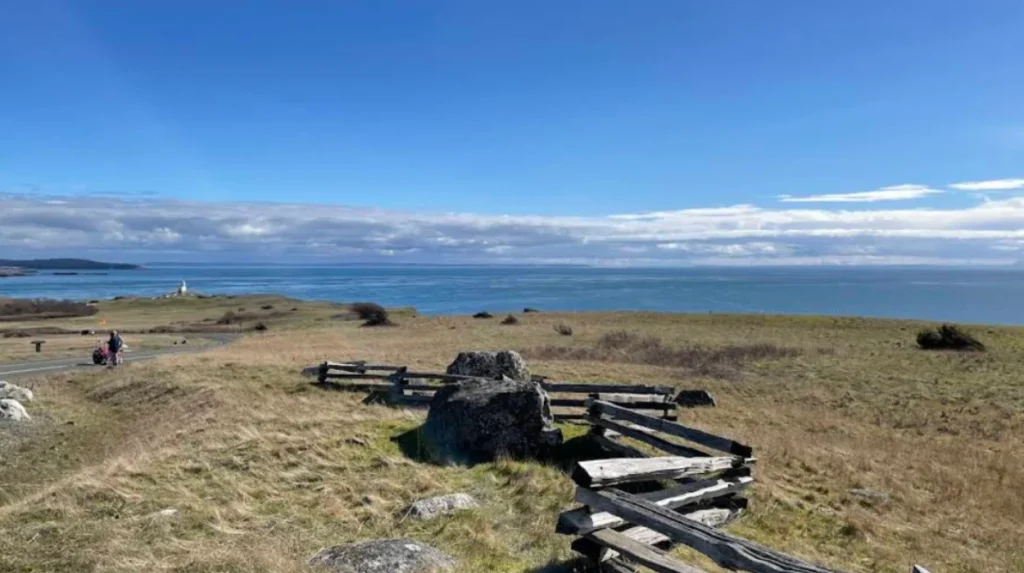
Lime Kiln Point State Park on San Juan Island’s west coast ranks as one of the world’s best land-based whale watching locations, where Southern Resident orcas frequently come spectacularly close to shore from May through September, making it the premier shore viewing spot in the San Juan Islands.
Lime Kiln Point (also called Whale Watch Park) is a 3.6-acre day-use park at 1567 Westside Road, Friday Harbor, WA 98250. The park borders Haro Strait on San Juan Island’s west coast. Open year-round 8:00am to dusk daily, with an interpretive center open May-September.
The best viewing location is anywhere along the shore. The shoreline is very steep, and whales often come within a few feet. This proximity creates spectacular viewing opportunities without boat costs.
Three pods of Southern Resident orcas (J, K, L) frequent nearby waters May-September. Minke whales, Dall’s porpoises, and harbor porpoises are commonly seen. Humpback whales and Pacific white-sided dolphins occasionally pass by. Gray whales and minke whales are frequently spotted.
Deception Pass State Park’s West Beach Trail and North Beach Trail provide excellent vantage points for seeing whales and marine mammals throughout the year. The paved West Beach Trail viewpoint looks directly out at Rosario Strait. North Beach Trail offers wide variety including harbor porpoises, harbor seals, sea lions, humpbacks, minke whales, orcas, and gray whales.
Both resident and transient orcas are seen in Deception Pass area. Occasionally transient pods pass under the Deception Pass Bridge and through Deception Pass. The park is located at 41020 State Route 20, Oak Harbor, WA 98277, open dawn to dusk.
Olympic Coast land viewing includes Kalaloch, Rialto, and Shi Shi Beaches as prime whale watching sights during migration seasons April-May and October-November. The Whale Trail (TheWhaleTrail.org) serves as a resource for finding best land viewing locations.
Salt Creek Recreation Area in Port Angeles (Olympic Peninsula) is open year-round for whale watching. Whidbey Island shore viewing locations include Langley, Fort Casey, and Deception Pass State Park.
What Practical Details Do You Need to Plan a Successful Whale Watching Trip?
Plan your San Juan Islands whale watching trip by booking tours from Friday Harbor (accessible via 2-hour Washington State Ferry from Anacortes), arriving early for departure, bringing warm layered clothing regardless of season, and checking tour guarantee policies like San Juan Excursions’ “see whales or next trip free” promise.
Booking timing matters significantly. Peak season (May-September) requires advance reservations, especially for small boat tours with limited capacity. Maya’s Legacy’s 6-person limit fills quickly. Reserve 2-4 weeks ahead for summer dates.
Ferry logistics require planning. Washington State Ferry from Anacortes to Friday Harbor takes approximately 2 hours. Allow extra time for parking, ticketing, and potential delays. Vehicle ferry reservations recommended for summer travel. Passenger-only ferry options exist.
Tour duration ranges 2-3 hours for standard excursions. All-day epic tours at Maya’s Legacy extend longer. Half-day tours at Maya’s Legacy cost $199. Standard rates at Maya’s Legacy range $119-$129 per person.
Weather preparation is essential. Pacific Northwest weather changes rapidly. Bring warm layers regardless of season. Waterproof jackets recommended. Small boat passengers (especially Zodiac) face wind and spray exposure.
What to bring includes: warm layered clothing, waterproof jacket, comfortable shoes, sunscreen, sunglasses with strap, camera with zoom lens, binoculars, and cash for additional purchases. Motion sickness medication recommended for nervous passengers.
Tour guarantees provide security. San Juan Excursions guarantees whales or offers free next trip, achieving over 90% orca sighting rates. This policy reduces disappointment risk if whales aren’t encountered.
Accessibility considerations vary by tour. Large yachts accommodate passengers with mobility limitations better than small boats. Western Explorer has no bathroom and isn’t suitable for chronic back pain. Maya’s Legacy vessels have heated cabins and restrooms.
Age requirements generally welcome all ages. San Juan Excursions explicitly states “all ages welcome”. Small boat tours may have minimum age recommendations for safety.
Professional photography opportunities exist on select tours. Maya’s Legacy offers private photography charters and remote island tours. Naturalists provide wildlife identification and behavioral context enhancing educational value.
The San Juan Islands Visitors Bureau provides comprehensive ferry schedules, travel tips, and visitor information at visitsanjuans.com. Port of Friday Harbor offers transportation links and visitor resources at portfridayharbor.org.
What is the best place for whale watching in Washington State?
The San Juan Islands are widely considered the best whale watching destination in Washington State. Friday Harbor on San Juan Island serves as the main departure point for whale watching tours and offers access to prime orca habitat in Haro Strait and Rosario Strait. Visitors can see orcas, humpback whales, gray whales, and other marine wildlife throughout the season.