
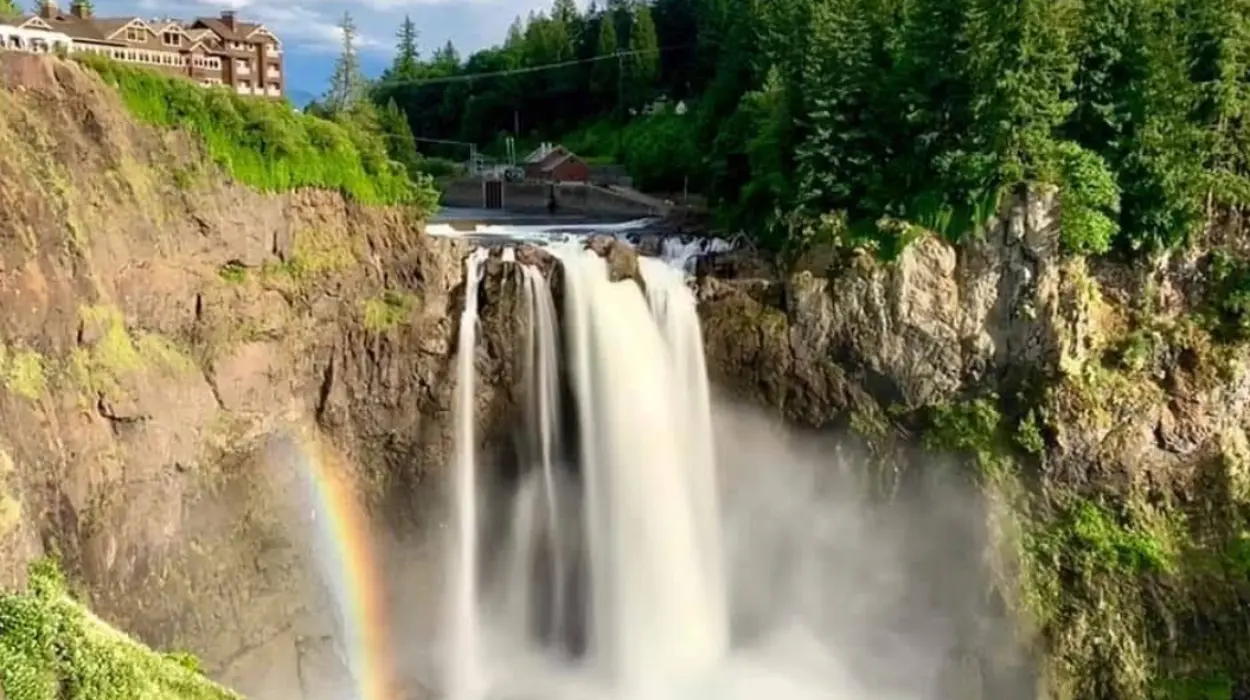
Washington hidden waterfalls are scenic natural destinations spread across forests, mountain corridors, and basalt landscapes. They attract adventure travelers because they combine short hikes, remote trail access, dramatic scenery, and a strong sense of discovery.
What are Washington hidden waterfalls?
Washington hidden waterfalls are lesser-known cascades reached by forest trails, mountain routes, or remote access roads. They include easy day-hike falls, moderate backcountry waterfalls, and secluded scenic stops that sit away from major tourist crowds.
These waterfalls appear in many parts of the state, especially the Olympic Peninsula, the Cascades, and eastern Washington. Some are close to popular trailheads, while others require longer hikes, seasonal roads, or careful trip planning. Their appeal comes from the mix of natural beauty, relative quiet, and outdoor challenge.
Hidden waterfalls are not a formal category. The term usually refers to waterfalls that are less visited than major landmarks. In Washington, that often means a waterfall with a forest trail, a mountain setting, or limited road access.
Where are they found?
Washington hidden waterfalls are found in the Olympic Peninsula, Mount Rainier region, southern Cascades, North Cascades, and eastern Washington. These areas combine elevation change, rain, snowmelt, and strong rock formations that create reliable waterfall landscapes.
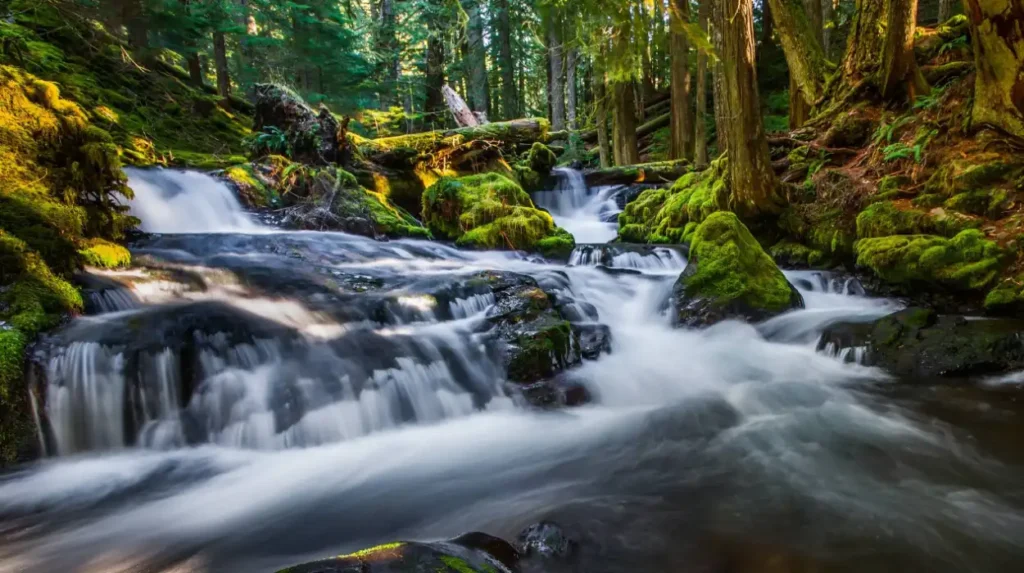
Western Washington holds many of the state’s lushest waterfall trails. Dense forests, heavy rainfall, and steep valleys produce mossy, green settings with strong year-round flow. The Olympic Peninsula is especially known for shaded trails and rainforest scenery.
Mountain regions such as Mount Rainier and the Cascade Range hold waterfalls fed by snowpack and glacier melt. These sites often have bigger seasonal changes, with stronger flow in spring and early summer. Eastern Washington offers a different experience, with dry terrain, open views, and dramatic drops over basalt cliffs.
Which waterfalls are worth visiting?
Some of the most popular hidden or semi-hidden waterfalls in Washington include Spray Falls, Murhut Falls, Panther Creek Falls, Franklin Falls, and Comet Falls. These sites vary from short scenic walks to longer hikes that reward effort with major views.
Spray Falls is a standout in Mount Rainier National Park and is known for its remote feel and tall drop. Murhut Falls in Olympic National Forest is a classic forest waterfall with a manageable hike. Panther Creek Falls in Gifford Pinchot National Forest offers a lush setting and broad cascade.
Franklin Falls is one of the easier waterfall hikes near Snoqualmie Pass and works well for visitors who want a short trip. Comet Falls near Mount Rainier is more demanding but delivers one of the strongest waterfall experiences in the state. Each of these locations serves a different type of traveler.
When should visitors go?
The best time to visit Washington waterfalls depends on elevation and access. Low-elevation forest waterfalls are often best in fall, winter, and spring, while higher mountain waterfalls are usually best from late spring through early fall.
Seasonal timing affects both water flow and trail conditions. Spring runoff often makes waterfalls stronger and more dramatic. At higher elevations, however, snow can block trail access until later in the year.
Summer offers the most reliable hiking conditions for mountain routes. Fall brings cooler weather and fewer crowds in many areas. Winter works well for lower trails but can create icy paths, muddy footing, and road closures in mountain regions.
What should hikers prepare for?
Waterfall hikes in Washington usually require waterproof footwear, layered clothing, basic navigation tools, and awareness of trail conditions. Wet ground, steep terrain, and changing weather make preparation important even on shorter hikes.
Many waterfall trails are slippery because of spray, mud, roots, and rock surfaces. Some trails involve creek crossings or uneven steps. A stable pair of shoes matters more than lightweight casual footwear.
Travelers should also check road access before leaving. Some waterfall areas use forest roads that close seasonally or after storms. A map, water, snacks, and weather-appropriate layers support safer travel in all parts of the state.
Why are these waterfalls popular with adventure travelers?
Adventure travelers like Washington hidden waterfalls because they offer a strong reward for relatively moderate effort. The trails usually feel active and immersive, but the destination is clear and visually satisfying.
Waterfall hikes create a built-in goal. That makes them appealing for hikers, photographers, families, and road-trippers who want a memorable outdoor stop without committing to a full-day summit route. The trail itself becomes part of the experience, not just a path to reach the view.
Washington also offers variety. Visitors can choose rainforest falls, alpine falls, canyon falls, and basalt falls within one state. That diversity helps waterfall travel stay interesting across multiple seasons and repeated trips.
Explore More Things to do
Offbeat Places in Washington State Worth Visiting
Washington Hidden Waterfalls Guide for Adventure Travelers Seeking Scenic Outdoor Escapes
How can travelers build a good itinerary?
A good waterfall itinerary groups nearby sites by region and hike difficulty. This saves drive time, reduces fatigue, and makes it easier to adjust for weather, crowds, and trail conditions.
One trip can focus on western Washington forest falls, another on Mount Rainier waterfalls, and another on eastern Washington’s dramatic canyon landscapes. This approach works better than trying to cross the state in one day.
Travelers can also pair one main hike with one easier backup stop nearby. That keeps the day flexible if a trail is crowded, muddy, or temporarily closed. It also makes the trip more efficient for weekend travel.
Why does this topic stay useful over time?
Washington hidden waterfalls remain an evergreen travel topic because the landscape is stable, the hiking interest is consistent, and the same planning questions return every season. People continue searching for scenic, less crowded places to explore.
The topic works well for broad audiences because it covers discovery, hiking, scenery, and regional travel. It also supports search intent from people looking for specific trails, seasonal advice, or quiet outdoor destinations.
For Washington travel content, hidden waterfalls offer long-term value. They connect geography, recreation, and planning in a way that stays relevant year after year.
What are hidden waterfalls in Washington State?
Hidden waterfalls in Washington are lesser-known waterfalls located along forest trails, mountain routes, and remote scenic areas. They offer quieter hiking experiences and fewer crowds than the state’s most famous waterfalls.