
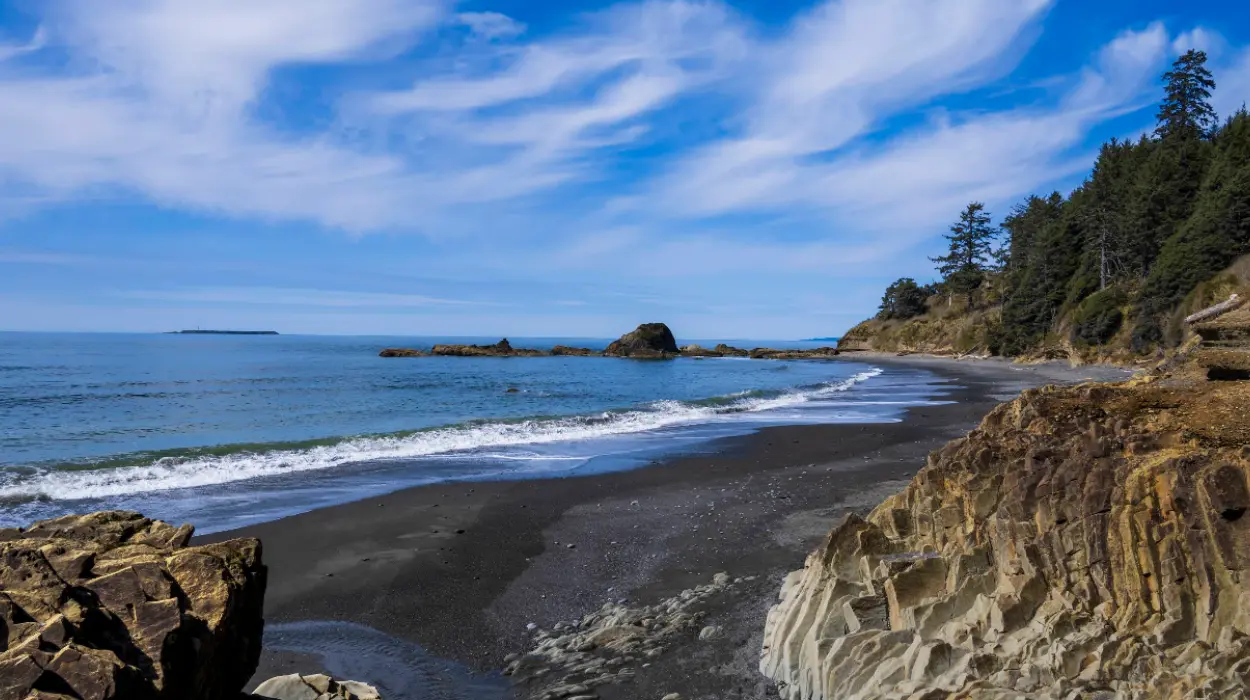
Kalaloch Beach is a 12-mile stretch of sandy shoreline in Olympic National Park on Washington’s Pacific coast, offering year-round access, tide pools with starfish and anemones, eight beach trails, a 175-site campground, and the historic Kalaloch Lodge. This guide covers everything Washington residents and visitors need to know about accessing, exploring, and safely enjoying one of the most visited areas of Olympic National Park.
- What Is Kalaloch Beach and Where Is It Located?
- When Is the Best Time to Visit Kalaloch Beach?
- How Do You Get to Kalaloch Beach from Washington Cities?
- What Activities Can You Do at Kalaloch Beach?
- Beach Walking and Beachcombing
- Tide Pooling
- Hiking Beach and Nature Trails
- Shellfish Harvesting
- Birdwatching
- Camping
- Storm-Watching
- Where Should You Stay at Kalaloch Beach?
- Kalaloch Campground
- South Beach Campground
- Kalaloch Lodge
- What Wildlife and Nature Can You See at Kalaloch Beach?
- Marine Life in Tide Pools
- Seabirds
- Whales
- Plants and Trees
- How Do You Stay Safe at Kalaloch Beach?
- What Are the Best Trails at Kalaloch Beach?
- What Are the Camping Rules and Reservations for Kalaloch?
- Why Is Kalaloch Beach Significant for Washington Visitors?
What Is Kalaloch Beach and Where Is It Located?
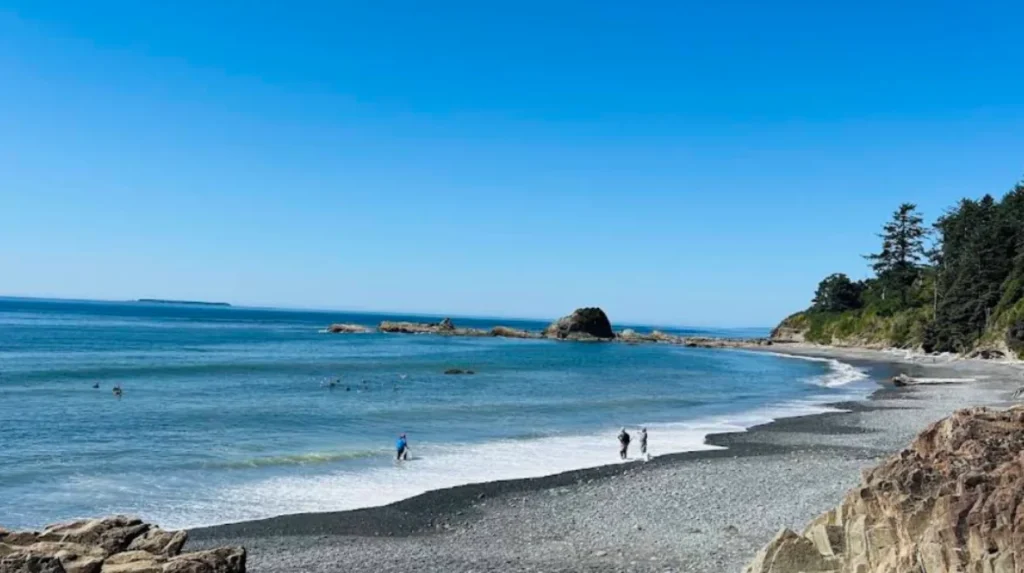
Kalaloch Beach is a 12-mile sandy coastal area in Olympic National Park on Washington’s southwest Olympic Peninsula, located directly off Highway 101 between Port Angeles and Forks, accessible year-round with 175 campsites and a beachfront lodge.
Kalaloch Beach sits on the Pacific Ocean coast of the Olympic Peninsula in Washington state. The beach falls within Olympic National Park, a UNESCO World Heritage Site and International Biosphere Reserve. Highway 101 runs directly alongside the beach, providing vehicle access to parking areas, trails, and the campground. The beach lies approximately 3 hours southwest of Seattle and 1.5 hours from Port Angeles.
The name “Kalaloch” comes from the Quinault language and means “place of the big root.” The area features a wide intertidal zone, sea stacks, driftwood logs from the Hoh Rainforest, and bluffs that rise 50–100 feet above the shoreline. Kalaloch is one of the most visited areas of Olympic National Park due to its ease of access and diverse coastal activities.
When Is the Best Time to Visit Kalaloch Beach?
The best time to visit Kalaloch Beach is spring through fall (April–October) for mild weather and tidepooling, while winter offers storm-watching and fewer crowds; low tide is essential for exploring tide pools, arriving 1 hour before low tide at Beach 4.
Spring (April–June) brings wildflowers, migrating gray whales, and increasing daylight hours. Temperatures range from 50°F to 65°F. Summer (July–September) offers the warmest weather, with highs near 70°F and minimal rainfall. This is peak season for camping, hiking, and beach activities. Fall (September–October) provides fewer crowds, vibrant fall colors on the bluffs, and continued access to tide pools.
Winter (November–March) delivers dramatic storm-watching opportunities with large Pacific waves crashing against sea stacks. Temperatures hover between 40°F and 50°F with frequent rain. The beach remains open year-round, but campground facilities may have limited services during winter months.
Tide timing critically affects beach access and activities. Beach 4 is excellent for tidepooling, and visitors should arrive approximately 1 hour before low tide to explore safely. Low tide exposes tide pools containing sea stars, anemones, rock crabs, and mussels. High tide can make certain beach sections inaccessible and dangerous due to sneaker waves.
How Do You Get to Kalaloch Beach from Washington Cities?
Kalaloch Beach is accessible via Highway 101 on the southwest Olympic Peninsula, approximately 175 miles (3 hours) from Seattle, 65 miles (1.5 hours) from Port Angeles, and 25 miles (30 minutes) from Forks, with parking available directly off the highway.
From Seattle, take I-5 north to Olympia, then Highway 101 west through Olympia, Boisville, Shelton, and Hood Canal. Continue on Highway 101 past Quilcene, Jefferson, and Port Townsend before reaching Port Angeles. Drive south on Highway 101 through Hurricane Ridge entrance, then continue southwest for 65 miles to Kalaloch. Total distance is 175 miles, taking approximately 3 hours without stops.
From Port Angeles, take Highway 101 south through the Olympic National Park entrance near Hurricane Ridge. Continue southwest for 65 miles. The Kalaloch campground and lodge appear on the right side of Highway 101, with clearly marked parking areas.
From Forks, take Highway 101 south for 25 miles. Kalaloch appears on the left side of the highway. This route is shorter but passes through the Hoh Rainforest, which can be muddy and slow during rainy seasons.
From Aberdeen or Hoquiam, take Highway 12 west to性关节炎, then Highway 101 north for 40 miles to Kalaloch. This route is approximately 50 miles and takes 1 hour.
Vehicle access is available year-round. No park entrance fee is required for beach access, but a Northwest Forest Pass or America the Beautiful Pass is needed for parking at certain trailheads. The campground requires reservations, which fill up quickly, especially during summer months.
What Activities Can You Do at Kalaloch Beach?
Visitors can walk 12 miles of sandy shoreline, explore tide pools with starfish and anemones, hike eight beach trails, camp at the 175-site campground, stay at Kalaloch Lodge, birdwatch for puffins and murres, harvest shellfish seasonally, and watch winter storms.
Beach Walking and Beachcombing
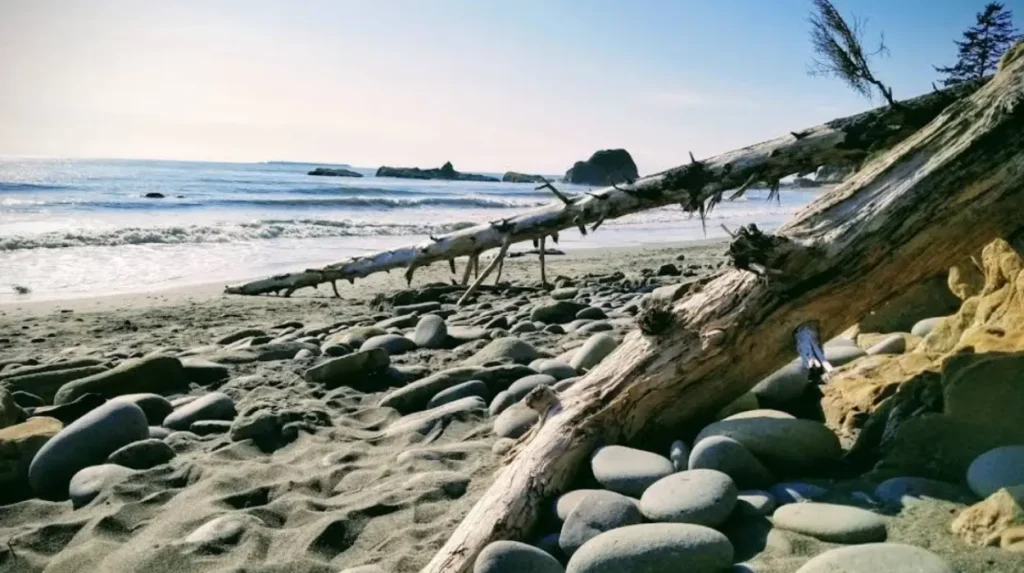
The shores of Kalaloch feature both rocky and sandy stretches with giant washed-up trees from the rainforest, puffins at play, and Kalaloch’s famous “floating tree”. The wide beach allows for long walks across firm sand at low tide. Driftwood logs sometimes exceed 100 feet in length and originate from the Hoh Rainforest upstream.
Tide Pooling
Low tide reveals miles of shallow pools containing large, colorful starfish, sea anemones, rock crabs, and mussels. Beach 4 is excellent for tidepooling. Visitors should check tide tables before arrival and aim to arrive 1 hour before low tide for maximum exposure. Never turn your back on the ocean due to sneaker waves that can occur without warning.
Hiking Beach and Nature Trails
Kalaloch features seven beach trails and one nature loop allowing hikers to enjoy the area’s best features. Trail 1 showcases rare spruce burls. Trail 4 offers views of ocean bluffs and sea stacks. The eight trails range from short 0.2-mile descents to longer 2-mile round-trip hikes. The Washington Trails Association describes Beach 4 as a short, well-maintained descent to the shoreline.
Shellfish Harvesting
Kalaloch Beach is a hotspot for mussels, clams, and crab during seasonal openings. Many visitors cook and enjoy their catch directly on the beach. Current shellfish regulations and rules are published by the Washington Department of Fish and Wildlife. Razor clam seasons typically occur in spring and fall, with specific dates announced annually.
Birdwatching
Kalaloch Beach hosts unique and rare birds year-round. Common murres and tufted puffins appear throughout the year. Bald Eagles and Steller’s Jays are visible during summer months. Sea stacks provide nesting sites for seabirds. Binoculars enhance viewing experiences.
Camping
The Kalaloch Campground has 175 sites, four of which are wheelchair accessible. It is the only place to camp on the southern coast of Olympic National Park. Sites fill up quickly, and most are booked throughout summer. Reservations should be made as early as possible in the year. South Beach, 3 miles south of Kalaloch, has approximately 50 sites and operates Memorial Day through late September.
Storm-Watching
Winter storms bring dramatic waves and powerful ocean conditions visible from the bluffs and lodge. Kalaloch Lodge offers indoor viewing areas with ocean views. Storm season runs November through March, with peak wave heights occurring during new and full moons.
Where Should You Stay at Kalaloch Beach?
Visitors can stay at the 175-site Kalaloch Campground on the bluffs (reservations required year-round) or at Kalaloch Lodge with rooms and cabins featuring ocean views, both located directly on the beach off Highway 101.
Kalaloch Campground
The campground sits on bluffs overlooking the beach, providing direct access to shoreline activities. It offers 175 campsites with four wheelchair-accessible sites. Facilities include restrooms, potable water, and fire rings. Reservations are essential, as sites fill quickly and most are booked throughout summer. The campground operates year-round.
South Beach Campground
South Beach Campground sits 3 miles south of Kalaloch with approximately 50 sites. It operates seasonally from Memorial Day through late September. This campground also offers bluff views and beach access.
Kalaloch Lodge
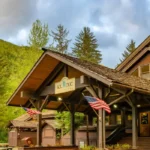
Kalaloch Lodge sits directly on the beach with rooms and cabins available by reservation. Many rustic rooms feature fantastic views of the Pacific Ocean. The lodge offers indoor and outdoor spaces for storm-watching, dining services, and access to complimentary games including tetherball, cornhole, frisbec, and board games. The lodge serves as a base for whale watching, birding, beachcombing, and sunset viewing.
What Wildlife and Nature Can You See at Kalaloch Beach?
Kalaloch Beach hosts tufted puffins, common murres, bald eagles, Steller’s Jays, sea stars, anemones, rock crabs, mussels, migrating gray whales, and ancient spruce burls, with year-round bird sightings and seasonal whale migrations.
Marine Life in Tide Pools
Tide pools contain sea stars (including ochre stars and sunflower stars), sea anemones (particularly giant green anemones), rock crabs, periwinkles, chitons, and mussels. These organisms attach to rocks and survive tidal changes. Visitors should observe without touching or removing organisms.
Seabirds
Tufted puffins and common murres nest on sea stacks year-round. These birds dive for fish and appear black-and-white with distinctive beaks during breeding season. Bald Eagles soar above the coastline, particularly in summer. Steller’s Jays (dark blue with crests) appear in summer near the lodge and trails.
Whales
Gray whales migrate along the Olympic Coast during spring (March–May) northbound and fall (October–December) southbound. Whales appear within 1–2 miles of shore, visible from the beach and bluffs. Humpback whales and orcas occasionally appear during summer months.
Plants and Trees
The beach features spruce burls (rare swollen growths on spruce trees) on Trail 1. Giant driftwood logs originate from the Hoh Rainforest and wash ashore. Bluff vegetation includes beach grass, salal, and salmonberry bushes.
How Do You Stay Safe at Kalaloch Beach?
Safety at Kalaloch Beach requires checking tide tables before arrival, avoiding sneaker waves by staying 100 feet from the water’s edge, never turning your back on the ocean, dressing in layers for rapidly changing weather, and understanding that no lifeguards are on duty.
Sneaker waves occur without warning and can sweep people into the ocean. These waves are larger than predicted and travel farther up the beach than normal waves. Visitors should maintain a safe distance from the water, especially when climbing on driftwood or exploring tide pools.
Tide tables are essential for planning activities. Low tide exposes tide pools but high tide can trap visitors against bluffs. Check local tide tables before arrival and plan to leave tide pools 30 minutes before incoming tide.
Weather changes rapidly on the Olympic Coast. Temperatures can drop 20°F within an hour, and rain can begin without warning. Wear layered clothing, including waterproof outer layers. Footwear should be sturdy and waterproof for tide pooling and hiking wet trails.
Rip currents and strong undertows exist along the beach. Swimming is not recommended due to cold water temperatures (50–55°F year-round), strong currents, and lack of lifeguards.
What Are the Best Trails at Kalaloch Beach?
Kalaloch has eight trails including seven beach trails and one nature loop, with Trail 1 featuring rare spruce burls, Trail 4 offering bluff and sea stack views, and Beach 4 providing a well-maintained short descent ideal for tidepooling.
Trail 1 is a nature loop showcasing rare spruce burls, which are swollen growths on Sitka spruce trees. This trail is approximately 0.5 miles round-trip and is suitable for all skill levels.
Trail 4 provides views of ocean bluffs and sea stacks. The trail descends to Beach 4, which is a short, well-maintained path ideal for tidepooling. The descent is approximately 0.2 miles one-way with minimal elevation change.
Beach trails range from 0.2 miles to 2 miles round-trip. Most trails are well-maintained but can be muddy during rainy seasons. Sturdy footwear is recommended. All trails provide access to the 12-mile sandy shoreline for extended walks.
The Washington Trails Association describes Beach 4 as having many possible entry points along the shoreline, making it accessible from multiple parking areas.
What Are the Camping Rules and Reservations for Kalaloch?
Kalaloch Campground has 175 sites (four wheelchair accessible), operates year-round, requires reservations made as early as possible since sites fill quickly and most are booked throughout summer, and South Beach Campground has 50 sites open Memorial Day through late September.
Reservations open months in advance and fill within hours for summer weekends. Visit the National Park Service reservation system to secure a site. Walk-up sites are rarely available during peak season.
Campground facilities include restrooms, potable water, picnic tables, and fire rings. Fires are permitted in designated rings only. Wood collection from the beach is prohibited. Food storage requires bear-proof containers or vehicle storage.
Check-in is typically 3:00 PM, and check-out is 11:00 AM. Quiet hours are enforced from 10:00 PM to 6:00 AM. Generators are not permitted.
South Beach Campground operates seasonally and also requires reservations. It is 3 miles south of Kalaloch and offers similar bluff views and beach access.
Why Is Kalaloch Beach Significant for Washington Visitors?
Kalaloch Beach is significant because it is one of the most visited areas of Olympic National Park, offers year-round coastal access, provides the only southern coast camping in the park, features diverse wildlife including puffins and gray whales, and serves as a gateway to Ruby Beach and the Hoh Rainforest.
The beach represents one of the most accessible Pacific Ocean experiences in Washington state. Highway 101 access makes it feasible for day trips from Seattle, Port Angeles, and Forks. The 12-mile shoreline provides space for visitors even during peak season.
Kalaloch serves as a base for exploring Ruby Beach (15 miles north), the Hoh Rainforest (20 miles east), and coastal lighthouses. The area combines coastal, rainforest, and mountain ecosystems within a 30-mile radius.
Olympic National Park’s UNESCO World Heritage status and International Biosphere Reserve designation make Kalaloch part of a globally significant protected area. The park contains three distinct ecosystems (coastal, rainforest, alpine) in one location.
Local Washington visitors benefit from the beach’s proximity to population centers. The drive from Seattle takes 3 hours, making weekend trips feasible. The beach offers a unique coastal experience different from the San Juan Islands or Puget Sound shores.
What is Kalaloch Beach?
Kalaloch Beach is a 12-mile stretch of sandy Pacific coastline located within Olympic National Park on Washington’s Olympic Peninsula. It is known for its tide pools, driftwood-covered shoreline, ocean views, camping facilities, and wildlife viewing opportunities.