

Key Points
- While most Tulane University students take an extended summer break, some Green Wave Baseball players move straight into demanding summer league schedules.
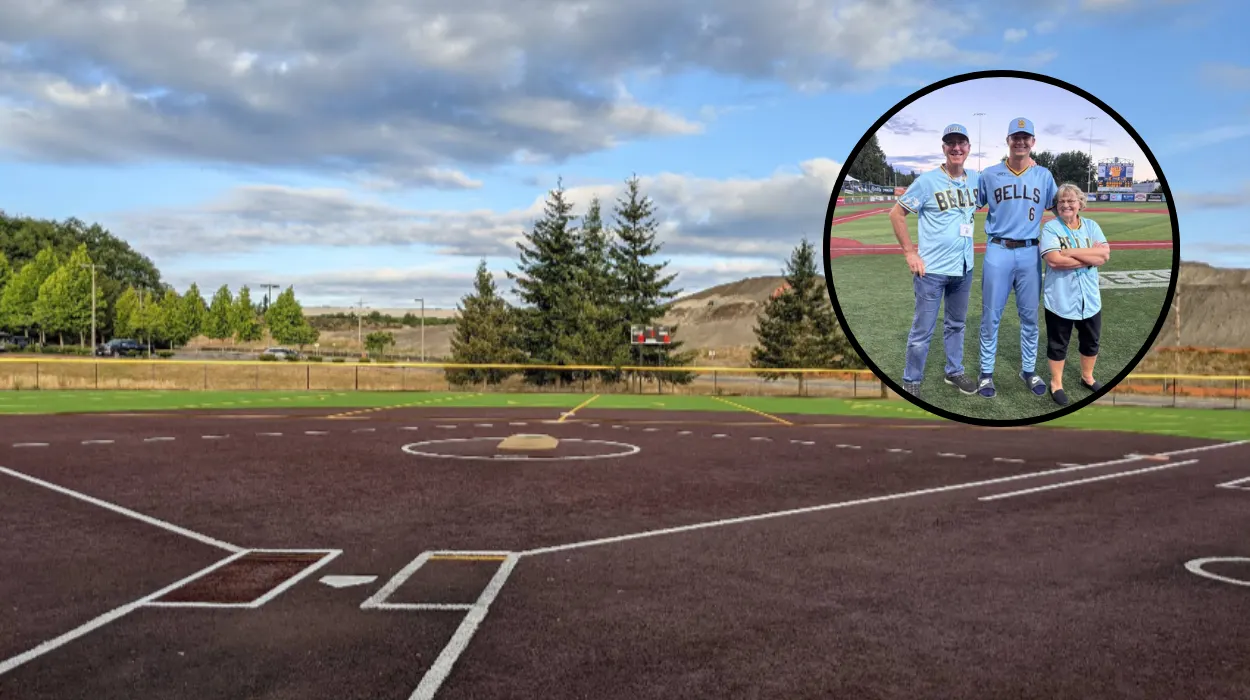
- Junior infielder Nate Johnson spent the summer playing in the West Coast League for the Bellingham Bells in Washington state.
- Johnson’s typical day started around 9 a.m. with breakfast, followed by visits to a recovery center, gym sessions, pregame activities and evening games.
- The Tulane Hullabaloo sports editor Athina Sarmiento said summer leagues provide development and valuable playing time, especially for athletes who did not play regularly during the college season.
- Players also live with local host families, form relationships with teammates from across the country and adjust to different regional cultures and slang.
- With up to six games a week, players face a heavier schedule than in college, increasing the risk of injuries such as the two-week hamstring strain Johnson suffered.
- Travel can add to the fatigue, with players taking buses across Oregon and Washington and ferries into Canada during the season.
- Leagues use lighter training schedules during the first three weeks to help limit physical exhaustion and mental burnout.
- Community support is another part of the experience, with crowds of 2,000 to 3,000 fans attending games at Joe Martin Field.
New Orleans (Evening Washington News) August 24, 2026 — While the vast majority of Tulane University undergraduates use the academic summer intersession to unwind, disconnect, and recharge away from campus, a dedicated cohort of Green Wave Baseball players finds themselves diving straight into the grueling grind of summer ball. To understand the physical and mental demands required of Division I collegiate athletes outside of standard term times, junior infielder Nate Johnson pulled back the curtain on his experience playing in the West Coast League for the Bellingham Bells in Washington.
- Key Points
- What does a typical day look like for a collegiate player in the West Coast League?
- How do players balance personal goals with the realities of host-family life?
- Why are injuries and travel logistics major hazards in summer leagues?
- What makes the summer ball atmosphere uniquely rewarding for athletes?
What does a typical day look like for a collegiate player in the West Coast League?
The day-to-day reality for a summer league baseball player is structured around intensive athletic maintenance and performance. As detailed by Athina Sarmiento, Sports Editor of The Tulane Hullabaloo, Nate Johnson outlined a routine that typically kicked off at approximately 9 a.m.
After preparing breakfast, Johnson would head straight to the recovery center before transitioning to a rigorous gym workout. Following a brief window of free time designated for eating and resetting, athletes report directly to the ballpark for pregame preparations ahead of the evening’s main fixture.
Highlighting the overarching utility of these programs, Nate Johnson stated to Athina Sarmiento of The Tulane Hullabaloo that
“Summer ball just helps players develop and get the reps they need. It’s mostly for players who don’t get the reps during the college season and the reps during summer.”
Beyond on-field development, the diverse rosters—which draw athletes from varied age brackets and competitive tiers—expose players to eclectic regional cultures, introducing participants to novel dugout slang and locker room games.
How do players balance personal goals with the realities of host-family life?
The summer baseball circuit expands far beyond simple athletic training, introducing players to immersive community living arrangements. As reported by Athina Sarmiento of The Tulane Hullabaloo, Johnson spent his summer residing alongside a local host family in Bellingham, Washington. Meanwhile, other members of the Tulane roster were distributed across a wide geographic footprint spanning from California all the way to Massachusetts.
Every individual approaches these developmental leagues with distinct personal expectations concerning mental and physical progression. For Johnson, the primary objective centered on establishing equilibrium between performance enhancement, team camaraderie, and personal enjoyment.
Expounding on his personal motivations to Athina Sarmiento of The Tulane Hullabaloo, Nate Johnson noted that
“I was going in to get more reps and better myself with baseball and then also have fun too, make new friends, meet new people and enjoy the experience.”
Explore More Sports News
WSU Kicks Off Puget Sound Events in Seattle 2026
Chicago Cubs vs Seattle Mariners Odds and Predictions in Seattle 2026
Why are injuries and travel logistics major hazards in summer leagues?
Despite the perceived reduction in institutional championship stakes, the physical hazards associated with summer baseball are remarkably high. Athletes frequently face a schedule scaling up to six games per week—a dramatic escalation compared to the standard three to four weekly games played during the regular collegiate season.
Because comprehensive injury prevention takes a backseat relative to regular-season protocols, summer circuits routinely record spikes in player benchings and medical evaluations. Nate Johnson experienced this reality firsthand when a severe hamstring strain forced him onto the sidelines for a two-week recovery window.
In addition to physical wear and tear, complex travel logistics add layers of exhaustion. As observed by Athina Sarmiento of The Tulane Hullabaloo, the geographic spread demands arduous transit routines, including long-haul bus trips across Oregon and Washington followed by ferry crossings into Canada.
Moving immediately from a demanding spring collegiate campaign into an unyielding summer schedule creates a severe danger of exhaustion. To combat athlete burnout, league organizers purposefully program lighter lifting regimens and reduced baseball activities during the opening three weeks of the season.
What makes the summer ball atmosphere uniquely rewarding for athletes?
Despite the grueling travel schedules and physical ailments, players find substantial compensation in the vibrant culture surrounding summer ballparks. According to Athina Sarmiento of The Tulane Hullabaloo, Nate Johnson emphasized that crowd engagement provides a massive psychological boost.
With crowds ranging from 2,000 to 3,000 passionate fans packing into Joe Martin Field, the atmosphere transforms into an electric, high-energy spectacle that differs sharply from standard collegiate environments. This fervent community backing helps elevate the overall experience, turning a demanding developmental assignment into a memorable chapter of athletic growth.
What specific aspects of a player’s off-season development do you think are most crucial for success in the upcoming college baseball season?