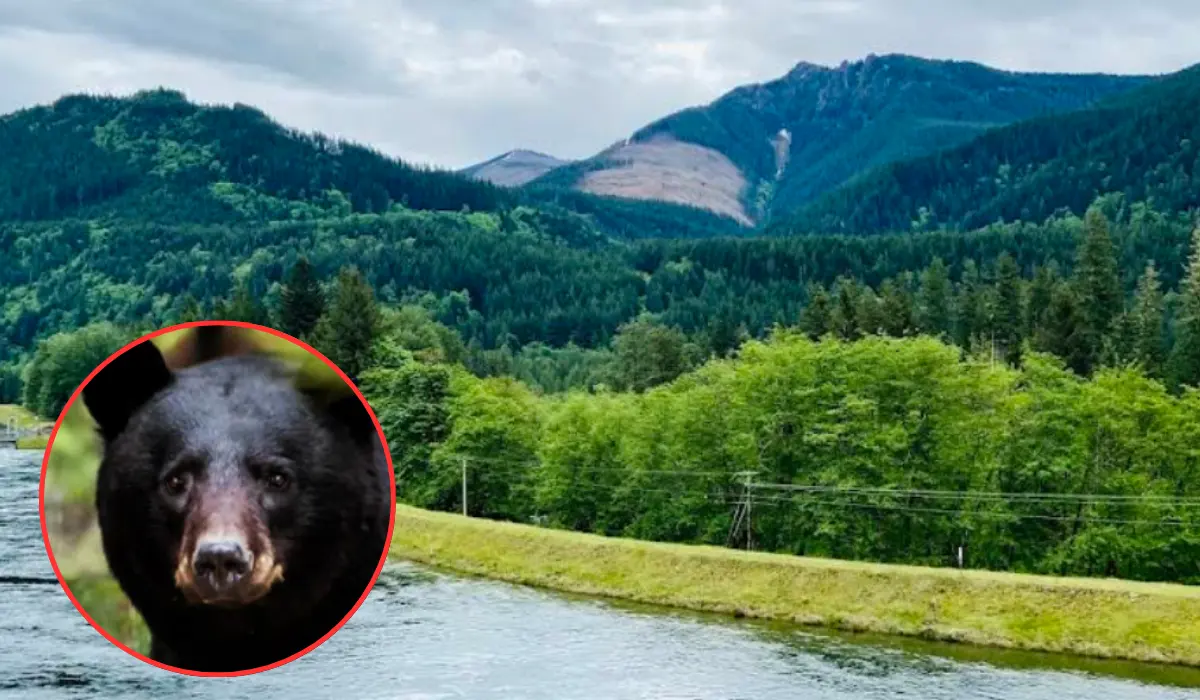
Key Points
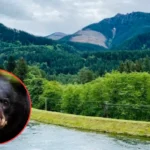
- Lethal Removal Confirmed: Officers from the Washington Department of Fish and Wildlife (WDFW) shot and killed an adult female black bear and her juvenile cub in Index, Washington, following a search triggered by an attack on a local resident.
- Severe Backyard Encounter: The victim sustained serious, non-life-threatening injuries including severe bites and scratches after being ambushed from behind while walking her leashed dog in her backyard on Sunday morning.
- Mandatory State Protocol: Under Washington state regulations, black bears involved in unprovoked physical attacks on human beings are required to be humanely euthanized to protect public safety.
- Location and Discovery: Wildlife enforcement officers located the mother bear and her cub perched in a tree directly behind the Bush House Hotel, a historic commercial property in Index, before executing the lethal order.
- Community Division and Frustration: Local residents voiced split reactions over the destruction of the animals, with some questioning whether these specific bears were definitively linked to the assault and expressing dismay over the cub’s death.
- Habituation to Human Attractants: WDFW officials noted that the bears had become habituated to unnatural food sources, particularly residential garbage, making long-distance relocation ineffective.
- Town Hall Scheduled: A public meeting regarding local bear activity, food storage, and wildlife safety protocols has been scheduled for Friday at 5:00 p.m. at the Old Fire Hall in Index.
INDEX (Evening Washington News) October 29, 2026 — Wildlife enforcement officers from the Washington Department of Fish and Wildlife (WDFW) have shot and killed an adult female black bear and her cub following a violent backyard attack that left a local woman hospitalized. The search for the animals concluded on Tuesday after officers located the mother bear and juvenile bear perched in a tree behind a commercial establishment in Index. State wildlife regulations mandate the destruction of bears involved in direct physical assaults on humans, prompting the lethal action. The incident has sparked grief and vocal debate among local town residents regarding state wildlife policy, the identification of problem animals, and the necessity of destroying the juvenile cub.
- Key Points
- What Led to the Lethal Removal of the Two Black Bears in Index?
- Why Did State Wildlife Officials Rule Out Relocating the Animals?
- How Are Index Residents Reacting to the Killing of the Mother Bear and Cub?
- What Is the Background of Black Bear Encounters and Wildlife Policy in Washington State?
- How Will This Incident Affect Index Residents and Regional Wildlife Management?
What Led to the Lethal Removal of the Two Black Bears in Index?
According to official statements issued by the Washington Department of Fish and Wildlife, the search for the animals was initiated following a severe incident on the morning of Sunday, October 25.
As reported by Regan Gallo-Fenz of MyNorthwest, the attack occurred at approximately 7:50 a.m. when an elderly female resident was walking her leashed dog in her backyard along Index-Galena Road near U.S. Route 2.
As detailed by Will Wixey of FOX 13 Seattle, an adult female black bear approached the victim from behind, knocking her violently to the ground. The bear continued the assault while the woman was on the ground, biting and clawing her repeatedly. Despite sustaining serious wounds, the victim managed to break free, reach her house, and contact emergency services. Medics transported her to a nearby hospital for treatment of serious, non-life-threatening injuries, and she was released on Tuesday, October 27.
As reported by Will Wixey of FOX 13 Seattle, WDFW enforcement officers, assisted by Snohomish County Sheriff’s deputies and tracking dogs, immediately initiated search patrols and deployed a specialized bear trap in the vicinity. Following reports from local residents who spotted two bears digging through garbage containers on Tuesday, officers located the sow and her cub in a tree behind the historic Bush House Hotel in downtown Index. In accordance with state policy governing public safety and dangerous wildlife, officers humanely euthanized both animals on site.
Why Did State Wildlife Officials Rule Out Relocating the Animals?
According to reporting by KING-TV Seattle, WDFW officials clarified that relocation was not a viable option once a bear engages in an unprovoked attack on a human or becomes chronically habituated to human food sources.
As reported by Regan Gallo-Fenz of MyNorthwest, WDFW representatives explained that when bears become accustomed to accessing unnatural food items—such as household trash, bird feeders, or pet food—their natural fear of humans deteriorates. The department noted that long-distance relocation efforts are statistically ineffective for food-conditioned bears, as the animals frequently travel significant distances to return to human settlements or replicate conditioned foraging behaviors in new communities. Both euthanized bears were transported to state veterinary facilities to undergo standard post-mortem disease testing, including rabies evaluations.
How Are Index Residents Reacting to the Killing of the Mother Bear and Cub?
As reported by KING-TV Seattle, the lethal removal of the two bears has drawn mixed reactions from the mountain community of Index, where wildlife sightings are common.
According to local resident Dusty Dionne, who had previously recorded video footage of the mother bear and her cub wandering through local yards, the decision has left many community members deeply upset.
As reported by KING-TV Seattle, Dusty Dionne stated:
“Like many in the community, I feel discouraged. Approximately 80% of the residents are deeply troubled, while about 20% believe the bear received the outcome it deserved.”
As detailed by KING-TV Seattle, Dionne questioned whether officials had definitively confirmed that the two bears destroyed behind the hotel were the exact animals involved in Sunday’s attack, suggesting that wildlife officers intended to destroy the animals from the beginning of the search.
As reported by Will Wixey of FOX 13 Seattle, other local residents noted that bears had become increasingly bold in the days leading up to the attack, with reports of animals coming within feet of residential porches, breaking into locked storage sheds, and dragging waste containers across private lawns.
To address community concerns, local safety measures, and attractant management, town officials and WDFW representatives have organized a public community meeting scheduled for Friday at 5:00 p.m. at the Old Fire Hall in Index.
What Is the Background of Black Bear Encounters and Wildlife Policy in Washington State?
Washington state is home to an estimated population of 25,000 to 30,000 black bears (Ursus americanus), distributed across forested regions from the Cascade Range to the Olympic Peninsula. The town of Index, situated in the foothills of the Cascade Mountains in Snohomish County, sits within prime black bear habitat.
Under Washington Administrative Code (WAC) and WDFW enforcement protocols, wildlife officers categorize black bear interactions based on behavior severity:
- Class 3 (Nuisance): Bears sighting near human habitation or accessing secured garbage without aggression. These incidents trigger educational outreach, scare tactics, or non-lethal deterrents.
- Class 2 (Property Damage/Habituation): Bears causing structural damage or repeatedly accessing unsecured food attractants. These situations may prompt trapping, tagging, or relocation attempts depending on habituation levels.
- Class 1 (Public Safety Threat): Unprovoked physical attacks, stalkings, or aggressive displays toward humans. WDFW policy strictly mandates lethal removal for Class 1 animals, as public safety takes precedence over wildlife preservation under state law.
Fatality and serious injury rates from black bear attacks remain extremely low in Washington, with fewer than two dozen documented injurious attacks occurring over the past century. However, as residential development expands into rural mountain corridors, state biologists have documented an increase in human-bear encounters driven by unsecured waste, fallen fruit, and outdoor feeding stations.
How Will This Incident Affect Index Residents and Regional Wildlife Management?
The fatal shooting of the black bear and her cub, alongside the ongoing public debate, will carry immediate practical and policy implications for the residents of Index and regional wildlife agencies.
1. Index Community and Residential Safety Standards
Following Friday’s scheduled town hall meeting, Index residents are expected to face heightened local emphasis on secure waste management. Municipal authorities and WDFW officers will urge homeowners and commercial businesses to adopt bear-resistant trash receptacles, eliminate outdoor bird feeders, and secure domestic pet food indoors. Enhanced compliance with attractant storage guidelines aims to prevent secondary bear habituation along the Index-Galena Road corridor.
2. WDFW Policy and Public Relations
The controversy surrounding the destruction of the juvenile cub highlights ongoing friction between public safety mandates and public expectations regarding wildlife conservation. While state biologists maintain that cubs raised by habituated or aggressive sows adopt the same dangerous behaviors, WDFW officials face continued public scrutiny regarding criteria for cub destruction. The department is likely to use upcoming public forums to clarify statutory mandates, explain scientific rationale regarding habituation, and promote non-lethal prevention strategies to prevent similar outcomes in the future.