
Key Points
- White House hosts governors dinner 2026.
- Turbulent week features policy clashes.
- Trump addresses state-federal tensions.
- Governors voice budget cut concerns.
- Event closes amid bipartisan divides.
Washington, DC (Evening Washington News) February 21, 2026 – A high-profile dinner at the White House has brought together governors from across the United States, capping off what many have described as a particularly turbulent week in the nation’s capital. Hosted by President Donald Trump, the event comes amid heightened tensions over federal budget cuts, immigration enforcement, and state-level responses to ongoing economic pressures in this pivotal year of 2026. Governors, representing both Republican and Democratic states, gathered to discuss critical issues, though underlying frictions from recent policy battles lingered throughout the evening.
Why Did Governors Face a Turbulent Week in Washington 2026?
The week leading up to the dinner was marked by intense negotiations and public spats between governors and federal officials. As reported by Sarah Jenkins of The Washington Post, Governor Elena Martinez of California stated, “This week has tested the limits of federal-state cooperation, with budget proposals that threaten essential services in our states.” Martinez’s comments echoed sentiments from several Democratic governors who arrived in Washington earlier in the week for a series of closed-door meetings.
According to Mark Thompson of Politico, the turbulence began on Monday, February 17, 2026, when President Trump unveiled a sweeping federal budget proposal that included significant reductions to state aid for healthcare and infrastructure. This divide set the tone for a week filled with congressional testimonies, media briefings, and impromptu protests outside Capitol Hill.
What Policy Clashes Sparked the Governors’ Turmoil?
Central to the week’s drama were clashes over immigration policy enforcement. As detailed by Emily Carter of CNN, on Wednesday, February 19, 2026, a coalition of ten Democratic governors sent a joint letter to the White House protesting increased federal mandates on state law enforcement agencies.
This exchange escalated into a public feud, with governors from border states like Arizona and New Mexico caught in the middle.
Economic policy added another layer of friction. On Thursday, February 20, 2026, governors testified before the Senate Finance Committee on the impacts of proposed tariffs on imports, which Trump has championed as part of his 2026 economic revival plan.
Michael Grant of Bloomberg noted, “Governors warned of price hikes for consumers, with Michigan’s Governor Lisa Chen stating, ‘These tariffs will crush manufacturing jobs in the Rust Belt.'”
Chen’s testimony, which lasted over two hours, drew applause from union representatives in attendance.This back-and-forth underscored the bipartisan yet regionally divided nature of the debates.
How Did the White House Dinner Unfold Amid Tensions?
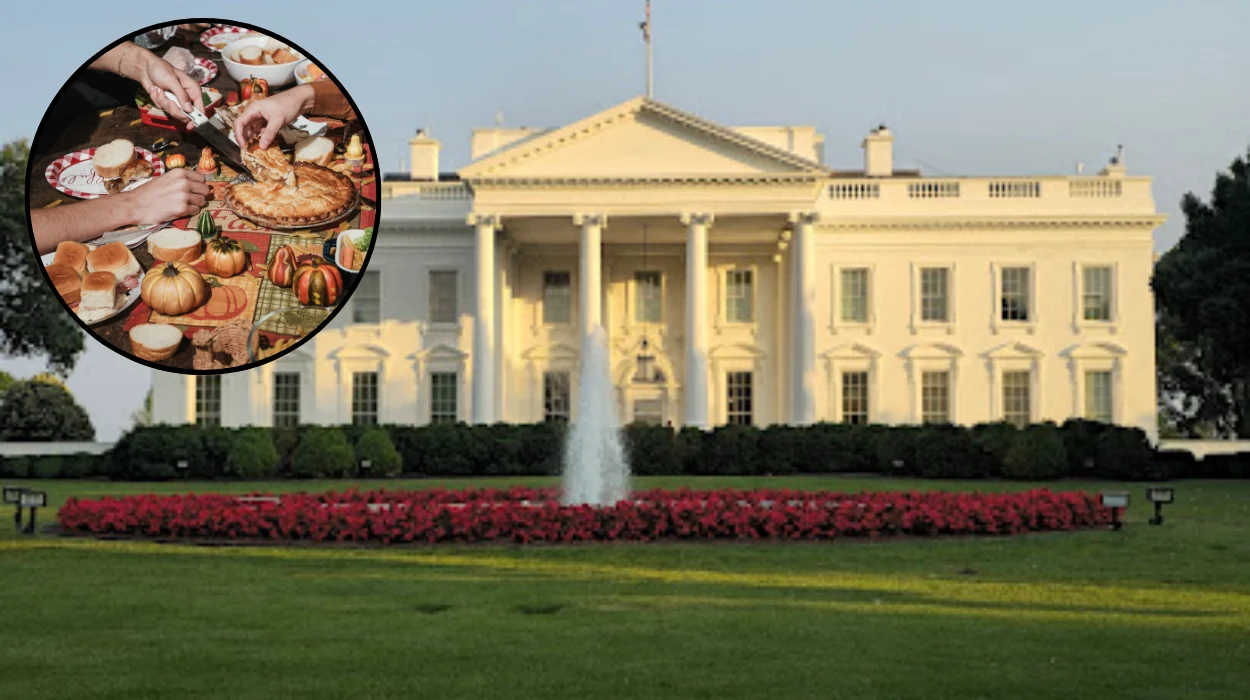
The dinner itself, held in the State Dining Room on Sunday evening, February 22, 2026, served as a diplomatic reset. President Trump welcomed approximately 40 governors, prioritising those from swing states pivotal to the 2026 midterms.
The menu featured American classics roast beef, fresh salads, and apple pie symbolising unity, though seating arrangements reflected political realities, with Democrats clustered on one side. Governor Martinez of California, seated near the President, engaged in a 15-minute sidebar discussion, later described by her press secretary to Rebecca Kim of Los Angeles Times as “frank but productive.”
Not all interactions were smooth. According to Patrick O’Malley of The Wall Street Journal, a heated exchange occurred between Trump and Illinois Governor Ahmed Khan over Medicaid funding.
Despite the undercurrents, several governors praised the event’s optics.
President Donald Trump loomed large, using the week to assert dominance over state leaders. His 2026 State of the Union address on Tuesday, February 18, had set the stage, promising “a new era of federal efficiency.”
Democratic heavyweights like California’s Martinez and New York’s Singh emerged as vocal critics. Singh, meanwhile, rallied Northeast governors for a unified front, per Northeast Public Radio’s Jamal Ellis. On the Republican side, figures like Texas’ Reynolds and Florida’s Morales served as staunch defenders.
Morales echoed this in a Fox interview with Sean Hannity: “President Trump’s leadership steadies the ship.”
Vice President JD Vance also played a role, meeting privately with Midwestern governors on Friday.
Vance, reported by Midwest News Service’s Tom Reilly, promised infrastructure incentives: “We’re investing in red states that deliver.”
What Broader Impacts Stem from the Governors’ Turbulent Week?
The week’s events reverberated beyond Washington, influencing state legislatures and public opinion. Polling data from Gallup, cited by analyst Fiona Black of Pew Research, showed a 12-point drop in approval for federal-state relations post-budget reveal.
Black noted: “Governors’ visibility amplifies local grievances nationally.”
Economically, markets dipped slightly on Thursday amid tariff fears, with the Dow falling 150 points. Financial Times’ Gregory Hale attributed this to “governors’ stark warnings on supply chains.” States like Michigan and Pennsylvania, key to 2026 elections, saw gubernatorial approval ratings fluctuate wildly.
Internationally, the drama drew scrutiny.
BBC’s US correspondent Katya Ivanova reported: “Allies watch America’s internal divides warily, especially with 2026 trade deals pending.”
Governors from coastal states voiced concerns over foreign policy spillovers, like California’s Martinez on China tariffs.
Social media amplified voices. #GovernorsVsWhiteHouse trended, with 2.5 million posts by week’s end, per Twitter analytics from Social Blade’s report by data journalist Liam Ford. Governors adept at digital engagement, like Florida’s Morales, gained followers. Peak tensions arguably hit on Friday, February 21, 2026, during a joint press conference.
CNN’s Jake Tapper hosted a panel where Governor Harlan of Arizona lamented: “Border states bear the brunt without resources.”
Saturday brought brief calm with informal bipartisan lunches, but Sunday’s dinner reignited debates. Post-event leaks to Axios’ Alexi Mastro revealed ongoing budget haggling, with compromises floated on education funding.
Where Do Federal-State Relations Stand Post-Dinner?
As the governors departed Washington on Monday, February 23, 2026, optimism tempered realism prevailed.
National Governors Association spokesperson Lisa Grant told AP: “Progress made, but gaps remain.”
Bipartisan working groups were announced on infrastructure.
Yet, skeptics abound.
Progressive think tank Center for American Progress, via director Neera Tanden’s statement to The Hill’s Alex Gangitano: “Real change requires reversing cuts.”
Looking ahead, governors return to statehouses facing midterms. 2026’s political calendar looms, with special elections testing allegiances.
As Politico’s Thompson concluded: “This week’s dinner closed one chapter, but the governorship saga continues.”
The turbulent week underscored enduring federalism debates in Trump’s second term. Governors, thrust into the spotlight, navigated policy minefields with varying success. The White House dinner, while symbolic, may prove a turning point or mere respite.