Key points
- Washington’s Department of Natural Resources (DNR) has cut the recreation‑program budget by more than 20 per cent in 2025 and has trimmed a further 580,000 dollars in maintenance funding this year, leaving roughly 8 million dollars of total reductions in less than two years.
- In April 2026, the DNR announced that four campgrounds would fully close for the season, while several others would operate on shortened schedules.
- One of the affected sites is 29 Pines Campground in the Teanaway Community Forest in southeastern Washington, a popular free camping destination on the north fork of the Teanaway River.
- Winter storms in 2025 and early 2026 knocked down trees at 29 Pines, creating new log jams and a shifted river channel that “kind of blasted through” the campground, according to DNR southeast‑region manager Larry Leach.
- As a result, 29 Pines will not open until July 2026, pushing back the usual summer camping window for many repeat visitors who have booked the same weekend each year for decades.
- The DNR is asking campers to show “grace” and flexibility this season, citing both the state’s austere budget and the lingering impacts of heavy winter flooding as the main reasons for scaled‑back services.
Washington (Evening Washington News) May 18, 2026 – Washington’s Department of Natural Resources (DNR) is asking campers to show patience this summer as budget cuts and winter storm damage force the agency to scale back services at several popular campgrounds, including the free 29 Pines Campground in the Teanaway Community Forest.
How bad are the budget cuts?
Washington’s DNR oversees hundreds of state‑managed recreation areas, including campgrounds, trails and boat launches. In 2025, the state’s budget‑writing process reduced the DNR’s recreation‑program funding by over 20 per cent, a move that has already limited staffing and maintenance capacity.
As reported by a DNR‑issued announcement in April 2026, the squeeze deepened this year when an additional 580,000 dollars in maintenance funding was eliminated from the recreation portfolio. Agency officials told reporters that, taken together, the cuts amount to roughly 8 million dollars less for recreation operations in less than two years.
The DNR stressed that the money is not being shifted to other programmes; instead, it has been removed from the state’s financial plan amid broader fiscal constraints.
Those reductions have forced the DNR to make hard choices about which sites can remain fully open and staffed through the summer.
As detailed in the April notice, four campgrounds will be completely closed for the 2026 season, and several others will operate on reduced schedules rather than their normal full‑season calendars.
Why is 29 Pines different?
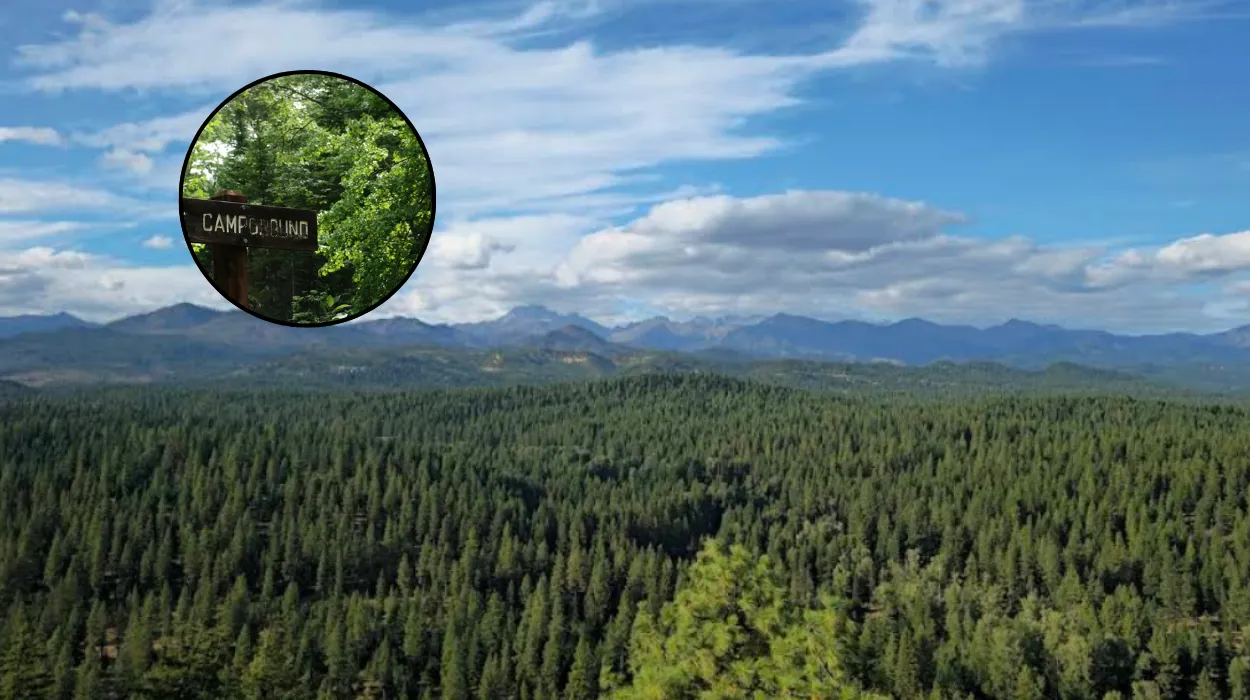
One of the most visible effects of the cuts and weather damage is playing out at 29 Pines Campground, located on the north fork of the Teanaway River in the Teanaway Community Forest in southeastern Washington.
The facility, which typically offers 59 campsites, is a popular free camping destination used by families, anglers and river‑recreation enthusiasts.
According to the Mountains to Sound Greenway Trust, which helps manage and promote the Teanaway area, 29 Pines is open year‑round but is not plowed in winter, making it particularly vulnerable to heavy snow and storm runoff.
The group’s website notes that the campground sits at the edge of the Teanaway Community Forest and nearby US Forest Service land, placing it in a landscape already prone to flooding and channel shifts.
In recent months, that vulnerability has turned into a major operational challenge. As reported by KUOW in its “Seattle Now” podcast‑style coverage, winter storms in 2025 and early 2026 knocked down trees across the campground.
Those toppled trees created new log jams in the river, which in turn altered the water’s path and produced a new channel that officials say “kind of blasted through” parts of the site.
What managers are saying
Larry Leach, who oversees the DNR’s southeast region, has been the main agency spokesperson explaining the situation at 29 Pines.
Speaking to KUOW, Leach described much of the campground’s infrastructure as dating from the 1960s and 1970s, underscoring that the site has been used—and weathered wear and tear—for decades.
“There are many families that tell us they have a certain weekend of the summer where they come there every year,” Leach told KUOW’s “Seattle Now” team.
Those families, he added, are now facing the possibility of missing out this season, as the campground will not open until July.
The delayed opening is a direct consequence of the need to clear storm debris, reassess the new river channel, and ensure that basic facilities remain safe for visitors.
Explore More Local News
US High-Speed Rail Vision Advances in Washington D.C. 2026
Washington millionaires tax sparks Seattle exodus fears in 2026
What the public can expect this summer
Under the DNR’s 2026 plan, 29 Pines will remain closed during the early part of the camping season, with operations pushed into July and later months.
The agency has not yet announced whether the shortened window will include additional staff or extra maintenance once the site reopens, but officials have urged campers to plan accordingly and to consult the DNR’s official recreation website before setting out.
Across the state, the pattern is similar: some campgrounds will be closed entirely, others will open later than usual, and many will likely see fewer ranger patrols and more “self‑service” arrangements. The DNR has framed the changes as a temporary accommodation to tight finances and the lingering effects of winter flooding, but has also warned that further cutbacks could be on the table if the state’s budget picture does not improve.
A broader feature on Washington’s outdoor‑recreation economy, published by regional outlets including The Seattle Times, has noted that these campground closures and delays could ripple beyond the affected sites themselves.
Campground‑dependent local businesses—such as nearby diners, gear shops and fuel stations—may see fewer visitors on certain weekends, especially those that traditionally relied on steady flows of repeat campers at places like 29 Pines.
How other sources are framing the issue
Local‑news outlets across central and eastern Washington have echoed the DNR’s explanation, emphasising the dual impact of state‑budget cuts and the damage wrought by unusually heavy winter storms.
The Kitsap Sun, in a follow‑up piece summarising the DNR’s April announcement, reported that the additional 580,000‑dollar reduction in maintenance funding will be felt most acutely in the form of postponed repairs, fewer seasonal staff hires and limited improvements at existing campgrounds.
Another regional outlet, The Wenatchee World, picked up the point that 29 Pines is a free camping destination, highlighting that the closure and delayed opening may hit lower‑income families and novice campers especially hard.
The paper noted that many campers in the central Cascades region rely on sites like 29 Pines as accessible, low‑cost options for multi‑night trips, and that the disruption could push some to more distant or more expensive alternatives.
At the same time, environmental‑advocacy groups and conservation‑oriented news blogs have underlined that the damage at 29 Pines is not just a budget issue but also a consequence of climate‑driven changes in storm patterns and river behaviour.
Writing in a separate commentary piece for a Pacific‑northwest‑focused outlet, a hydrologist not directly quoted by the DNR pointed out that log jams and channel shifts following winter storms are consistent with what researchers have observed in mountain‑river systems elsewhere in Washington when heavy rains and rapid snowmelt coincide.
Those shifts, the expert noted, can destabilise banks, undermine campsite infrastructure and require more extensive maintenance work than typical wear and tear.
Background of the particular development
The current squeeze on Washington’s DNR recreation budget is rooted in a broader state‑budget debate that has intensified over the past two years.
In 2025, lawmakers approved a series of reductions across several state agencies, arguing that growing operating‑cost pressures and slowing revenue growth necessitated leaner spending.
The DNR’s recreation‑program cuts stemmed from that round of negotiations, during which other departments also saw reductions in staffing and capital‑project funds.
At the same time, Washington’s winter‑storm seasons have become more volatile. In 2025 and early 2026, the central Cascades, including the Teanaway River basin, experienced repeated rounds of heavy rain and rapid snowmelt, which officials have described as contributing to shoreline erosion, tree‑fall events and channel changes at several river‑adjacent recreation sites.
The DNR has previously cited similar weather patterns as the reason for temporary closures or altered access at other campgrounds and trailheads, but the combination of repeated storms and reduced maintenance capacity has made the 2026 season particularly challenging.
Historically, 29 Pines Campground has been marketed as a low‑cost, family‑friendly option for accessing the Teanaway Community Forest and nearby river stretches.
The facility’s age and location near an active river channel mean that maintenance demands are higher than at more upland, protected sites. Budget cuts have therefore made it harder to keep pace with routine repairs, let alone respond promptly to the sort of storm‑driven damage seen in recent months.
Prediction for affected audiences
For Washington campers, the curtailed season at 29 Pines and other DNR sites may translate into fewer available weekend‑long slots, longer travel times to alternative sites and a higher likelihood of last‑minute cancellations or changes.
Families that have relied on the same campground for years may need to adjust long‑standing traditions, either by shifting to different DNR‑managed sites that remain open on full schedules or by turning to private or federally managed campgrounds, which may charge higher fees.
Local‑business owners in communities near affected campgrounds could see a measurable dip in visitor numbers during key summer weekends, particularly if the delayed opening and reduced services at sites like 29 Pines push campers toward more distant destinations. Tourism‑ and recreation‑focused groups and chambers of commerce in central and eastern Washington may respond by encouraging diversification of outdoor‑recreation offerings—for example, by promoting day‑use sites, trail‑based tourism or water‑recreation activities that do not depend as heavily on campground infrastructure.