
Key Points
- Senior federal leaders will gather in Washington, D.C., in June for Government Service Delivery 2026, a conference focused on improving public services through technology, data and digital transformation.
- The event is being hosted by Global Government Forum and is scheduled for 11 June at the Walter E. Washington Convention Centre.
- Confirmed speakers include Gregory Barbaccia, the Federal Chief Information Officer at the Office of Management and Budget, subject to final approvals.
- Amy Gleason, Acting Administrator of the U.S. DOGE Service and Strategic Advisor at the Centres for Medicare & Medicaid Services, is also listed among the confirmed speakers, subject to final approvals.
- Michael Lynch, Deputy Administrator at the U.S. General Services Administration, is among the confirmed participants.
- The conference is being presented as a rare opportunity for federal leaders to speak directly to government practitioners.
Washington, D.C. (Evening Washington News) May 18, 2026 — Senior federal leaders from across the United States government are due to gather in Washington, D.C. next month for a conference centred on how public services can be delivered more efficiently, more securely and with a stronger focus on users, as reported in the conference announcement for Government Service Delivery 2026.
What is Government Service Delivery 2026?
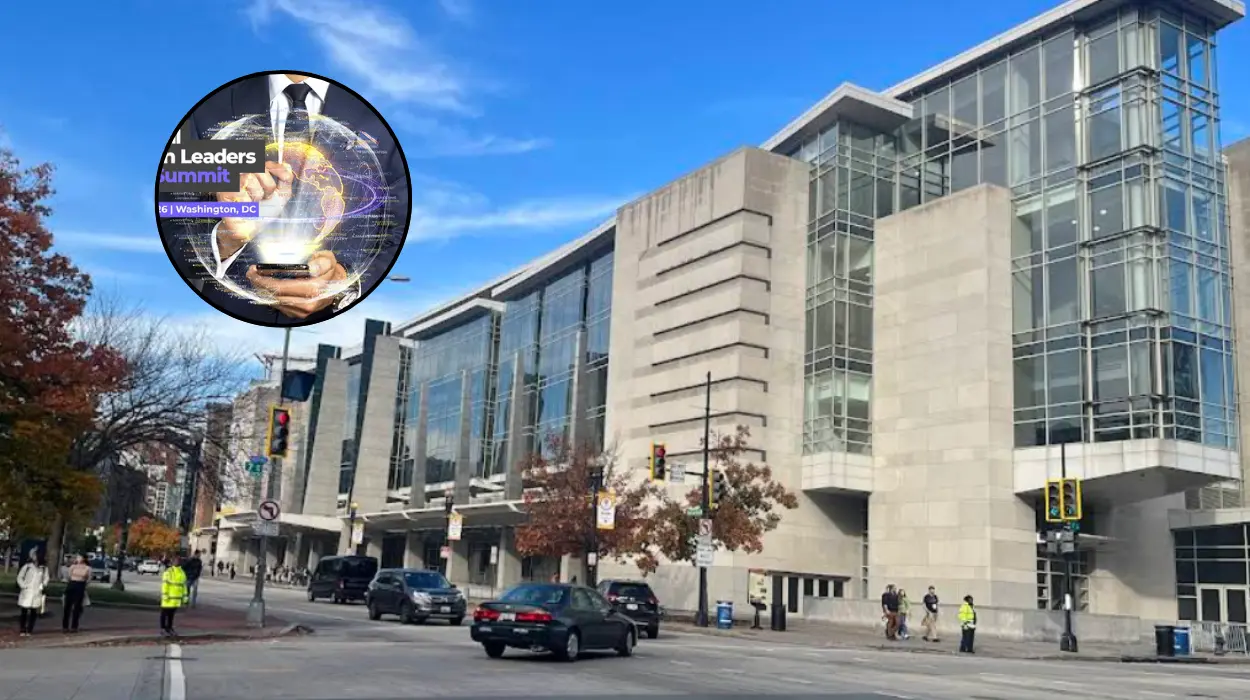
Government Service Delivery 2026 is a conference organised by Global Government Forum and due to take place on 11 June at the Walter E. Washington Convention Center.
The event is focused on technology, data and digital transformation in public administration. Its stated aim is to bring federal CIOs, senior officials and international government leaders together to discuss practical ways to improve the performance of public services.
The announcement says the conference will provide a rare opportunity for federal leaders to share insights directly with an audience of government practitioners.
That positioning suggests the event is intended not only as a speaking platform, but also as a professional forum where public-sector teams can compare approaches and operational lessons.
Who are the confirmed speakers?
Among the confirmed speakers is Gregory Barbaccia, who serves as Federal Chief Information Officer at the Office of Management and Budget, subject to final approvals. The announcement also names Amy Gleason, Acting Administrator of the U.S.
DOGE Service and Strategic Advisor at the Centers for Medicare & Medicaid Services, also subject to final approvals.
Michael Lynch, Deputy Administrator at the U.S. General Services Administration, is the third named federal speaker in the announcement.
The line-up indicates that the event is drawing speakers from agencies that play direct roles in federal management, digital delivery and administrative operations.
The conference organisers present the gathering as an opportunity for these officials to discuss the practical side of government modernisation.
Why does the conference matter?
The conference matters because the subjects listed — service delivery, digital transformation, data use and security — sit at the centre of current debates about how government should operate. Public agencies are under pressure to improve access, speed and reliability while also protecting sensitive information and keeping systems resilient.
A forum like this can matter for federal practitioners because it gives them a place to hear how senior leaders are approaching similar problems.
In practice, that can include questions about system design, service standards, coordination between agencies and the use of digital tools to simplify public-facing processes.
The conference announcement frames these issues as practical rather than theoretical, which is often what draws government audiences to such events.
How does the event fit the wider public-sector agenda?
The conference sits within a broader push across public institutions to make services more user-centred and less cumbersome.
Digital transformation in government often involves modernising legacy systems, improving data handling and making it easier for citizens to access services without unnecessary delay.
The emphasis on “technology, data and digital transformation” suggests the agenda will be shaped by implementation issues rather than policy speeches alone.
For attendees, that typically means sessions focused on how agencies can move from planning to delivery, and how public-sector teams can measure whether reforms are actually improving outcomes.
The conference’s focus on senior-level participation also indicates that the organisers want to connect strategic leadership with day-to-day operational practice.
What can attendees expect from the June event?
Based on the announcement, attendees can expect a programme built around leadership perspectives on federal service delivery and digital reform. The presence of senior officials from the Office of Management and Budget, the U.S.
DOGE Service, the Centers for Medicare & Medicaid Services and the General Services Administration points to a discussion that may span management, service design and administrative technology.
Because the speaker list is still subject to final approvals in some cases, the programme may change before the event begins.
Even so, the announcement makes clear that the conference is meant to bring together leaders who influence how federal services are designed, funded and delivered. That gives the event a policy and operational significance beyond a standard industry conference.
Explore More Local News
Washington DNR slashes camping services in Teanaway 2026
WA Wildfire Season May Start Early After Driest Spring – Seattle, 2026
Background of the development
Government conferences focused on digital transformation have become a regular part of public-sector policy conversations in recent years.
The underlying issue is straightforward: citizens increasingly expect government services to function with the speed and ease of modern digital platforms, while agencies must still meet strict requirements on security, accountability and access.
In that context, events such as Government Service Delivery 2026 are designed to create a shared space for public administrators, technology leaders and policy officials.
They allow agencies to exchange methods and compare experiences on topics such as service redesign, data use and the modernisation of older systems.
The Washington, D.C. setting also reflects the federal nature of the discussion, since many of the most significant service-delivery decisions are shaped at the national level.
What could this mean for the audience?
For federal employees, the conference may highlight the practical expectations now placed on government teams responsible for digital services. It could encourage closer attention to user experience, data coordination and service reliability, especially where agencies are managing large-scale public systems.
For practitioners attending the event, the likely effect is access to senior-level thinking on the challenges of modern governance. For the wider public, the broader implication is that continued focus on digital transformation may influence how quickly and smoothly federal services are accessed in future. The most direct outcome would likely be gradual, not immediate, but such conferences can shape how agencies plan and prioritise reforms over time.