
Key Points
- Continued Operations: Hope N’ Wellness, an Everett-based social services and case management organization, remains active and growing over a year after being forced to vacate its downtown Rucker Avenue location.
- Zoning Conflict: The organization was required to move because of a city zoning code—established in 2006 and expanded in 2018—that prohibits social services, food banks, and similar entities on the ground floors of specific downtown blocks to prioritize retail and dining clusters.
- Rising Demand: Despite the relocation to Our Lady of Hope Church in April 2025, the demand for services has surged. Usage tripled from 318 individuals in July 2024 to 944 in July 2026.
- Administrative Hurdles: Founder Jasmine Donahue faced significant challenges finding a new facility, as the original downtown site had been provided rent-free. The city granted two extensions on the original October 2024 deadline to facilitate the search.
- Structural Evolution: The organization has expanded its capacity by establishing the Hope N Wellness Foundation in July 2025 to pursue grant funding and donations to sustain its operations.
Everett (Evening Washington News) August 18, 2026 – Hope N’ Wellness, a pivotal social services and case management provider in Snohomish County, continues to demonstrate operational resilience as it sustains its mission from a new location, over a year after being compelled to leave its downtown Everett premises due to municipal zoning regulations.
Why was Hope N’ Wellness forced to relocate?
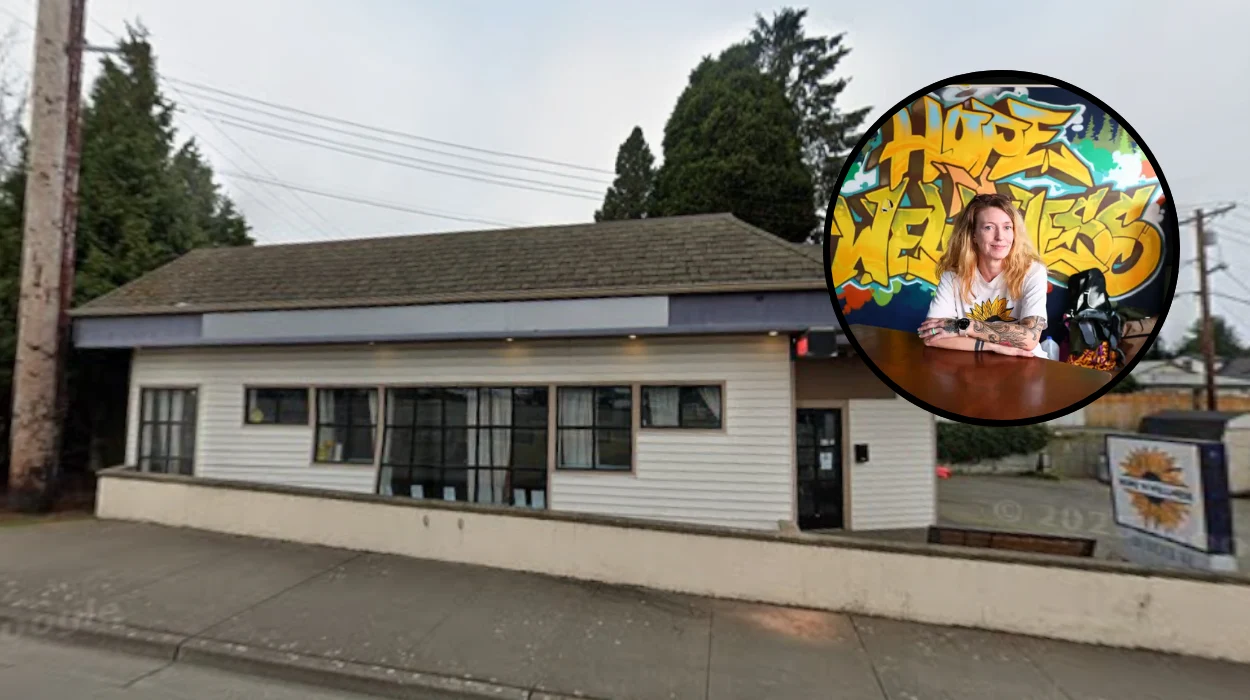
As reported by the Herald’s news team, the organization, which provides zero-barrier support services for individuals navigating homelessness and addiction, unknowingly violated a city zoning ordinance at its original Rucker Avenue site. This ordinance, which dates back to 2006 and saw expansions in 2018, explicitly prohibits social services—including food banks, private clubs, and blood donation centers—from operating on the ground floors of designated downtown blocks.
The city’s strategic intent behind these restrictions was to foster a concentrated hub of retail and dining establishments in the heart of downtown Everett. Jasmine Donahue, the founder and current leader of Hope N’ Wellness, first became aware of the violation in December 2023 following communication from the city.
What challenges did the organisation face during the transition?
The process of finding a new home for the organization was fraught with difficulty. According to the report by the Herald, the primary obstacle was financial sustainability; the original downtown location had been secured through a rent-free agreement, making the search for a new, affordable facility a complex task for Donahue.
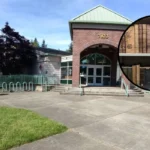
To accommodate the transition, the city of Everett provided initial flexibility, granting a deadline of October 2024 for the organization to align with zoning requirements. Recognizing the logistical difficulties of relocating such a specialized service, the city granted two extensions to this deadline. Ultimately, in April 2025, Donahue successfully moved the primary operations of the business to Our Lady of Hope Church, located at 2617 Cedar St., while simultaneously securing a separate office space on Rucker Avenue, situated south of the restricted downtown zone, to manage administrative functions.
Explore More Everett News
Breakthrough Buys Everett Biomanufacturing Facility, Everett 2026
Everett Man Arrested in Fatal Hit-and-Run Crash in Mukilteo 2026
How has the demand for services changed since the relocation?
Despite the disruption caused by the move, the reach of Hope N’ Wellness has significantly increased. Data shared by the organization indicates a substantial rise in utilization of its services, which include case management and the provision of food, clothing, and essential supplies.
According to the figures provided by Donahue to the Herald, the organization supported 318 people in July 2024. By July 2026, that figure had more than tripled to 944 individuals served. While this growth highlights the critical nature of the support they offer to vulnerable populations in Snohomish County, it has also introduced new operational pressures. Donahue noted in an interview with the Herald that this expansion of service has been accompanied by “growing pains,” particularly in terms of financial stability.
What steps are being taken to ensure long-term sustainability?
In response to the shifting financial landscape and the increased demand for its services, the organization has taken proactive steps to secure its future. In July 2025, the team established the Hope N Wellness Foundation, a nonprofit arm dedicated to exploring grant opportunities and soliciting charitable donations to bolster the organization’s core work.
This strategic move comes as the organization continues to operate as a vital, zero-barrier resource. The foundation serves as an attempt to bridge the gap created by the loss of the original rent-free arrangement and to provide a more stable fiscal base for the increased volume of clients seeking assistance with homelessness and addiction recovery.
How does the city view these types of zoning restrictions?
The zoning codes that necessitated the move for Hope N’ Wellness remain active in downtown Everett. By prioritizing retail and dining clusters in the ground-floor spaces of certain blocks, the city continues to follow a long-term urban planning strategy that has been in effect for two decades.
While the city’s vision for the downtown corridor focuses on economic development through business clustering, organizations like Hope N’ Wellness are finding ways to navigate these regulatory environments to maintain their commitment to the community. As of August 2026, the organization remains a staple for those in need, operating from its Cedar Street location and looking toward its nonprofit foundation to help scale its services in line with the tripled demand witnessed over the past two years.
The persistence of the organization, even while navigating the complexities of municipal law and the logistical hurdles of a relocation, underscores the growing role of non-profit entities in filling the gaps of local support services. As Donahue and her team move forward, the focus remains on scaling their impact while managing the financial realities of their new operational footprint.