Key Points
- Proposed Ban: The Washington Department of Fish and Wildlife (WDFW) has proposed banning backcountry, hike-in, and bike-in camping in the Ancient Lakes area of the Columbia Basin Wildlife Area in Central Washington.
- Timeline: If approved, the new regulations would take effect on January 1, 2027.
- Reasons for the Ban: Wildlife officials cited environmental damage, problems with improper human waste disposal, and dangerous unauthorized campfires affecting sensitive sagebrush habitats.
- Exceptions: The proposal would prohibit dispersed and backcountry camping but allow road-based camping in specific designated zones.
- Community and Organization Pushback: Conservation and outdoor recreation groups, including The Mountaineers and the Washington Trails Association, have raised concerns and called for alternatives such as better infrastructure, more education and designated campsites instead of a blanket ban.
Seattle (Evening Washington News) August 25, 2026 – One of Central Washington’s most cherished and visually striking outdoor destinations could soon see a complete prohibition on overnight stays, as state wildlife managers grapple with escalating environmental pressures and visitor-driven degradation.
Why Is the Washington Department of Fish and Wildlife Proposing a Camping Ban at Ancient Lakes?
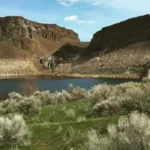
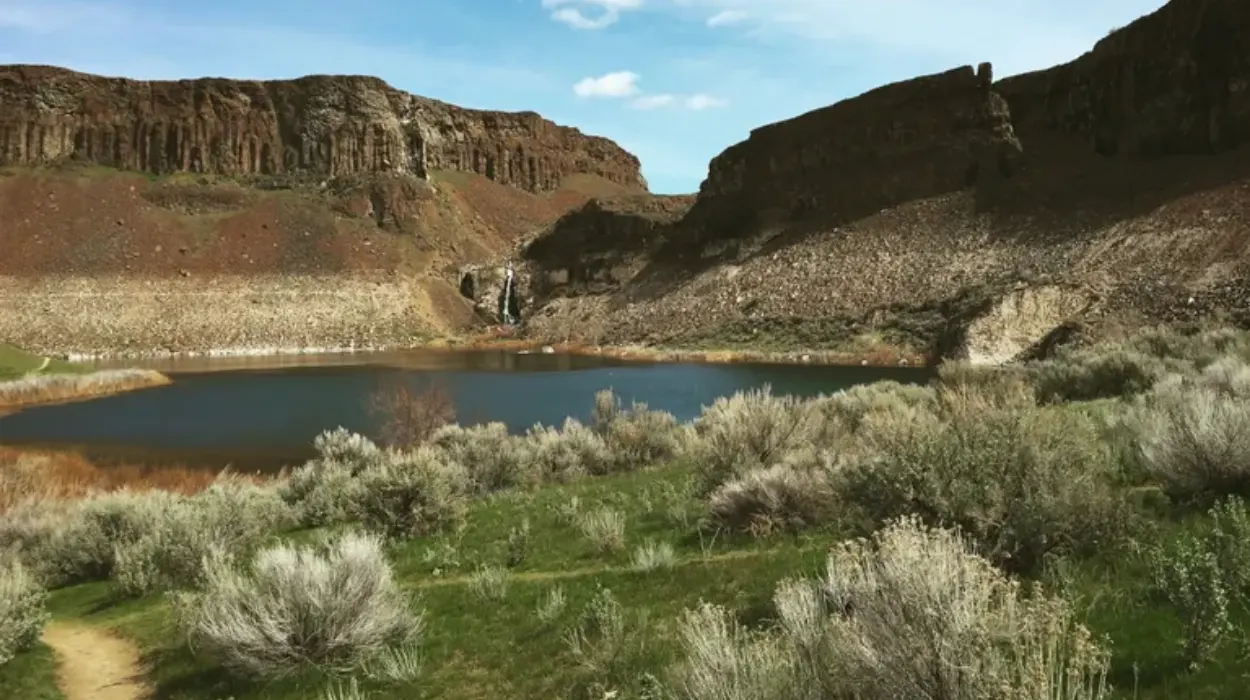
As reported by outdoor media and conservation chroniclers tracking the initial policy rollout, the Washington Department of Fish and Wildlife (WDFW) initiated the proposal due to mounting operational strains and ecological wear-and-tear. The Ancient Lakes area—situated in the Columbia Basin Wildlife Area—features a dramatic landscape characterized by rolling sagebrush, dramatic basalt canyons, and sparkling waters that draw heavy off-season crowds for hiking and backpacking.
However, as detailed in disclosures from WDFW and summarized by conservation networks like The Mountaineers, surging visitor numbers have far outpaced available funding and staffing resources. Agency officials highlighted that increasing recreational use has resulted in severe impacts to local ecosystems, most notably improper human waste management and the proliferation of unmanaged campfires.
These unauthorized fires not only threaten fragile sagebrush habitats but also create profound wildfire safety hazards during dry seasonal peaks. To combat these mounting challenges, WDFW drafted a regulatory framework that would completely eliminate hike-in and bike-in backcountry camping across the Ancient Lakes footprint starting January 1, 2027.
What Areas Will Be Affected and What Stays Open?
According to briefings released by land management monitors and regional outdoor coalitions, the impending restriction specifically targets the fragile backcountry zones where visitors traditionally hike or bike in to pitch tents.
As noted in reports covering the WDFW initiative, road-accessible camping options nearby will remain unaffected by the change. State authorities emphasize that the distinction is designed to maintain some level of vehicle-based public access while curbing the heavy waste accumulation and landscape compaction concentrated deeper inside the trail-accessed canyon basins. Nevertheless, critics and local recreation advocates note that losing overnight access to the interior basin fundamentally changes the character of recreational opportunities in the region.
Explore More Local News
Best Colleges in Washington State Rankings Washington 2026
Libraries Form Cross-Country Book Club in Everett 2026
How Are Outdoor Organizations and Conservationists Responding to the Proposal?
The prospective closure has triggered immediate pushback and dialogue from regional outdoor stewardship groups. As reported by The Mountaineers, while conservation organizations fully support WDFW’s underlying goal to safeguard fragile wildlife habitats and natural resources, they warn that an absolute ban represents a major setback for outdoor education and community access.
Representatives from The Mountaineers stated that a backcountry camping closure would be
“a loss for their programs and the broader outdoor community”.
In response to the draft proposal, organization leaders and partners at the Washington Trails Association initiated formal discussions with WDFW personnel. These groups are actively pushing the agency to reconsider the outright ban, asking instead for extended public comment windows and dedicated public town halls.
As articulated by advocates engaging with the regulatory process, stakeholders are urging the state to experiment with alternative management tools before resorting to total prohibition. Suggested mitigation strategies include installing enhanced educational signage, enforcing a permanent campfire restriction, hardening existing high-impact campsites, and legally prohibiting camping outside of clearly designated zones.
What Can Public Visitors Do to Influence the Final Decision?
With the policy currently under review, outdoor recreationists retain an active pathway to shape the outcome of the management plan. Conservation groups have mobilized campaigns urging community members to submit formal public comments directly to WDFW.
Advocacy networks are instructing recreationists to detail specific personal use patterns, articulate why maintaining backcountry access remains vital to their community, and offer constructive, infrastructure-based solutions for sustainable area management. As state officials weigh environmental preservation against public access rights, the ultimate fate of overnight stays at Ancient Lakes remains a critical test case for balancing conservation with recreation across Washington State’s public lands.