
Key Points
- Washington park defaced by repetitive graffiti overnight
- Metropolitan Police launch investigation, appeal for witnesses
- City officials condemn vandalism, pledge rapid clean-up
- Residents express concern over safety, community reputation
- Authorities reviewing CCTV, increase patrols around park
Washington (Evening Washington News) March 18, 2026 – Police in Washington are investigating a series of “repetitive graffiti” incidents at a popular city park after multiple structures and pathways were found daubed with identical tags in the early hours of Monday, prompting concern among local residents and a renewed debate over vandalism, public space safety and policing of minor crime in the United States capital in 2026.
- Key Points
- Why are Washington police searching for a graffiti culprit in 2026?
- What exactly is meant by ‘repetitive graffiti’ in this Washington park case?
- How did the graffiti incident unfold and when was it discovered?
- What have city officials and community leaders said about the incident?
- How are residents reacting and what concerns do they have?
- What penalties could the culprit face if caught?
- How are park security and surveillance being reviewed after the incident?
Why are Washington police searching for a graffiti culprit in 2026?
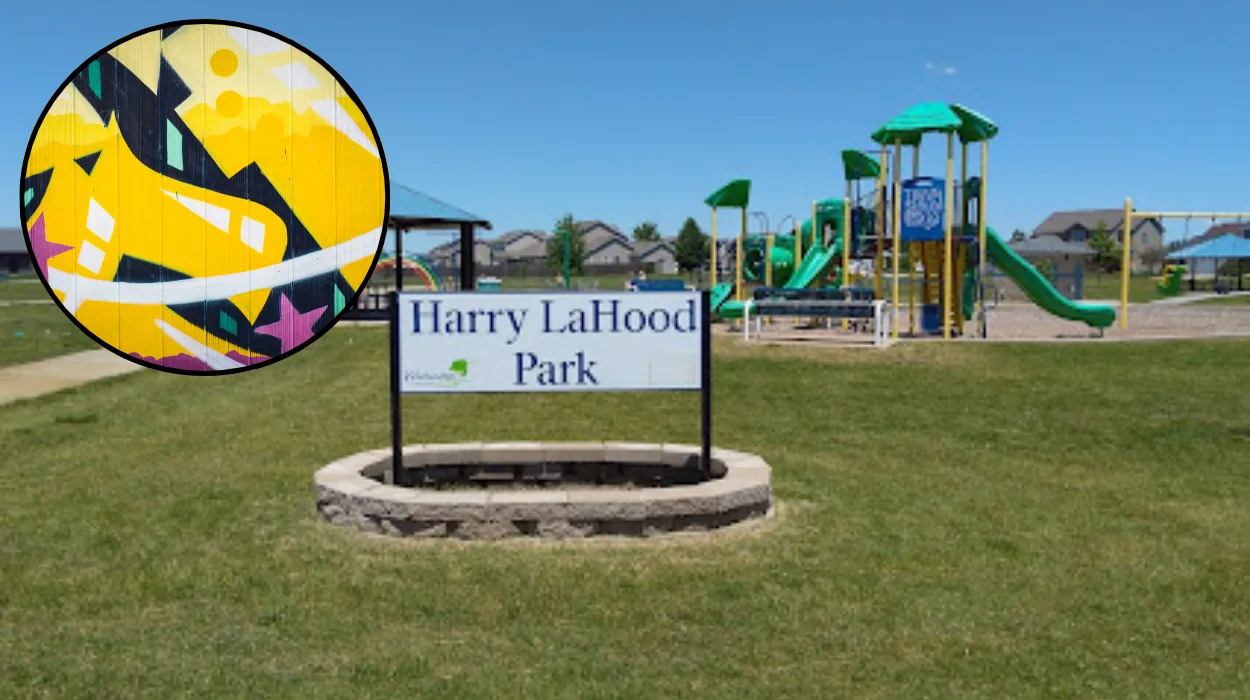
Washington’s Metropolitan Police Department (MPD) has confirmed that officers were called to the park shortly after dawn, when early-morning walkers and joggers raised the alarm after discovering spray‑painted words and symbols repeating along walls, benches, bins and playground equipment. The pattern, described by officers as “repetitive graffiti”, suggests the same individual or a small group moved through the park methodically, leaving the same tag at each point.
According to the police incident log, the damage is being treated as criminal vandalism, and detectives from a neighbourhood crime team have been assigned to lead the inquiry. Officers have taken photographs for evidential purposes, measured the extent of the defacement, and canvassed the surrounding streets and properties in search of potential witnesses or video footage from residential cameras that may have captured the culprit’s movements.
City maintenance teams were deployed later in the morning to begin cleaning and repainting affected surfaces, in a bid to reassure the public and prevent the graffiti from becoming a lasting fixture. Officials stress that, although the incident did not cause physical harm to any person, it represents a clear breach of public order, raises questions about park security and adds to the financial burden on the municipality at a time of tight budgets.
What exactly is meant by ‘repetitive graffiti’ in this Washington park case?
The term “repetitive graffiti” used by Washington police refers to a sequence of identical or near‑identical markings appearing in multiple locations over a short span of time within the same public space. In this case, investigators say the same stylised tag, likely created using spray paint, appears dozens of times on a range of surfaces across the park, including perimeter walls, lamp posts and playground fixtures.
From a law‑enforcement perspective, such repetition can point to a tagger or group attempting to assert a presence or identity in a conspicuous area, rather than an isolated or opportunistic act of defacement. It can also help officers narrow down suspects, as particular fonts, shapes or colour schemes are sometimes associated with specific individuals or crews known to police.
For residents and park‑goers, the repeated images have an immediate visual impact, giving the impression of a space that has been systematically targeted. Parents using the playground, dog‑walkers and people exercising in the park on Monday morning reported that almost every direction they looked contained a version of the same symbol, transforming what had previously been considered a calm and green refuge into a canvas of unwanted markings.
How did the graffiti incident unfold and when was it discovered?
The precise time the graffiti was applied has not been confirmed, but the working assumption in the investigation is that the culprit or culprits acted under cover of darkness, likely between late Sunday night and the early hours before dawn on Monday. Parks tend to be quieter at those times, giving offenders more freedom to move around without being observed by the public or park staff.
The first reports reached police shortly after sunrise, when one or more members of the public called emergency services to complain about vandalism at the park. Responding officers were dispatched to the scene, where they quickly realised that the problem extended well beyond a single wall or sign. Large sections of the park’s built structures had been targeted, with the same design repeated so often that officers spent a significant amount of time documenting each location for the case file.
As the morning progressed, the park remained open, but portions of it were cordoned off temporarily while forensic officers and council workers carried out their tasks. Parents bringing children to playground areas encountered tape, cones and city workers using cleaning solutions and power‑washing equipment. While some facilities could still be used, others were restricted to allow crews to address the most visible damage first.
What have city officials and community leaders said about the incident?
Local authorities in Washington have been keen to send a message that vandalism will not be tolerated and that public parks must remain safe, welcoming spaces for residents and visitors. City officials have publicly condemned the graffiti, emphasising that it diverts scarce resources from other essential services and undermines the hard work invested in maintaining green spaces.
Community leaders, including representatives of neighbourhood associations and friends‑of‑the‑park groups, have echoed those concerns. They point out that parks are vital outlets for children, families and older people, providing fresh air, exercise and social interaction, especially during warmer months. When such spaces are visibly defaced, it can create a perception that rules no longer apply and that the area is neglected, which in turn may embolden further anti‑social behaviour.
Some residents have used local meetings and social‑media platforms to call for a balanced response, noting that while the graffiti is unacceptable, the person responsible may be a young individual seeking attention or an outlet for artistic expression without fully appreciating the consequences. They argue that, alongside enforcement and clean‑up efforts, the city should invest in legal spaces for street art and in youth outreach programmes to channel creative energies in more constructive directions.
How are residents reacting and what concerns do they have?
For many people living near the park, the graffiti incident has triggered a mixture of frustration, anxiety and determination. Parents and carers are particularly sensitive to any change in the atmosphere of the playground and walking routes they use with children, and some have said they feel uneasy about evening visits until the culprit is found. Others have expressed anger that a shared community asset has been treated, in their view, with such disrespect.
There is also a broader concern that visible signs of vandalism can herald a deterioration in the local environment, feeding into the notion that minor offences, if left unchecked, may lead to more serious crime. While criminologists debate the extent of that link, ordinary residents often experience a sense of decline when they see repeated graffiti, broken equipment or overflowing bins in places they value.
At the same time, the incident has galvanised some community members to become more actively involved in park stewardship. Volunteers have offered to assist with clean‑up efforts, organise neighbourhood patrols or support events that promote pride in the area. For these residents, the response to vandalism is not only about punishment but about demonstrating that the community cares deeply enough to repair and improve the space.
What penalties could the culprit face if caught?
If the culprit behind the repetitive graffiti in the park is identified and prosecuted, they could face a range of sanctions under laws covering criminal damage and vandalism. Penalties typically take into account the value of the damage caused, the offender’s previous record, and any aggravating factors such as targeting sensitive locations or acting as part of a group. Fines are common, with courts ordering offenders to pay compensation towards the cost of cleaning and repairs.
Community service orders are also a frequent response, particularly for younger offenders or those without a serious criminal history. Such orders may involve supervised work in cleaning public spaces, maintaining parks or supporting community projects, providing both a punishment and a practical benefit to the area affected. In more serious or repeated cases, custodial sentences are an option, though they are generally reserved for incidents involving extensive or high‑value damage.
In addition, courts can impose restrictions or orders designed to prevent further offending, such as banning an individual from certain locations or prohibiting them from carrying spray paint or other materials used in graffiti. If the culprit is a minor, the youth justice system may become involved, with measures aimed at rehabilitation, educational interventions and family support.
How are park security and surveillance being reviewed after the incident?
In the wake of the graffiti incident, city officials and park managers are reviewing the existing security arrangements at the affected site, and possibly at other parks across Washington. This includes evaluating the placement and coverage of lighting, the timing of any automatic gate closures, the visibility of signage warning against vandalism, and the adequacy of patrols by security staff or police officers.
Improved lighting can make it harder for offenders to operate unnoticed, while clear lines of sight from paths and nearby streets can increase the likelihood that suspicious activity will be spotted by passers‑by. In some cases, additional CCTV cameras may be proposed, although such measures often prompt debate about privacy and data protection. Authorities must balance the desire for security with the need to ensure that parks remain inviting, open spaces rather than over‑policed environments.
Officials are also considering whether community‑based measures can play a role in deterrence. These might include neighbourhood watch initiatives focused on the park, volunteer ranger schemes, or collaborations with local schools and youth groups to promote shared responsibility for the park’s upkeep. By encouraging people to feel a sense of ownership and pride, the city hopes to create conditions in which potential vandals are more likely to be challenged or reported.