

Key Points
- A green card holder of 76 years who is a victim of Stage 4 cancer is being held by the Immigration and Customs Enforcement agency in the Northwest ICE Processing Center located in Tacoma, Washington.
- The arrest of this elderly individual with strong connections to the country has raised deep concerns among organizations that work towards the well-being of immigrants, lawyers, and other community members because of their medical vulnerability.
- Organizations working for human rights and legal protection have strongly criticized ICE because of its act of detaining such individuals instead of providing humanitarian relief or an alternative to detention.
- There are several important questions related to the legality of the arrest, the fact that the individual does not have any major criminal history, and the quality of medical care provided in the Tacoma facility.
- The authorities of the country have come under increased pressure from local politicians and community groups to provide information and medical attention.
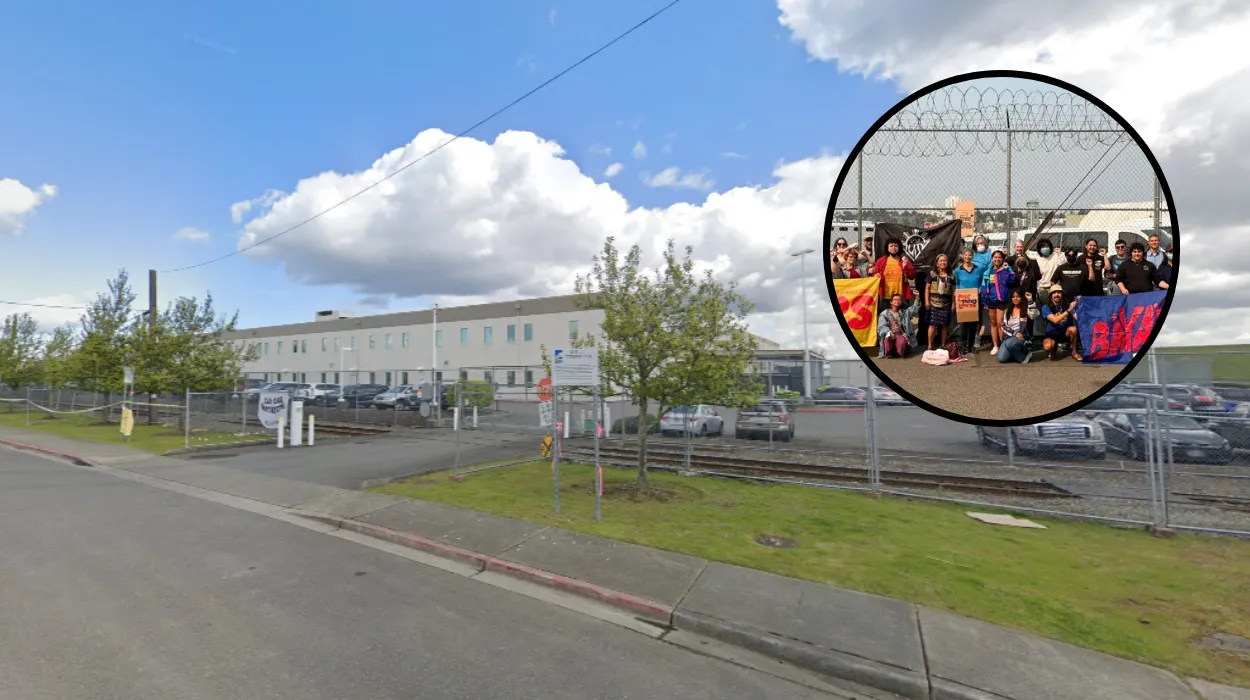
Seattle (Evening Washington News) August 31, 2026 — In a development that has sent shockwaves through immigration advocacy networks and legal circles across the Pacific Northwest, a 76-year-old lawful permanent resident diagnosed with Stage 4 cancer is currently being held inside the high-security immigration detention facility in Tacoma, Washington.
The detention of the elderly green card holder, whose case highlights the intersection of strict federal immigration enforcement and acute humanitarian crises, has sparked intense debate over the treatment of vulnerable individuals within the custody of U.S. Immigration and Customs Enforcement (ICE).
According to reports covering the facility, the detainee’s fragile medical condition has raised urgent questions regarding the capacity and willingness of detention centers to adequately manage terminal illnesses.
Why is a 76-year-old green card holder with Stage 4 cancer held by ICE?
The decision by federal immigration authorities to take a 76-year-old individual battling Stage 4 cancer into custody has bewildered family members, attorneys, and community activists alike. Lawful permanent residents—commonly referred to as green card holders—typically hold authorization to live and work permanently within the United States, though certain historical interactions with the justice system or changes in federal enforcement priorities can sometimes render them subject to removal proceedings.
As reported by local journalists covering regional immigration developments, advocates are pressing for immediate clarity on why an elderly man with an advanced, terminal diagnosis was targeted for detention rather than being monitored via community-based supervision programs. Legal experts note that while ICE maintains discretionary authority to detain individuals during ongoing immigration proceedings, the agency’s guidelines frequently emphasize humanitarian considerations, making cases involving severe illnesses focal points for public outcry.
Explore More Tacoma News
Fred Meyer Closes James Center Store in Tacoma 2026
Tacoma secures $4.6M police grant amid deficit concerns in Tacoma 2026
What medical care is available at the Tacoma ICE facility?
The Northwest ICE Processing Center in Tacoma, operated under private contract for ICE, has long faced intense scrutiny from medical professionals, civil rights organizations, and former detainees regarding the standard of healthcare provided within its walls. Family members and advocacy coalitions point out that managing Stage 4 cancer requires specialized, continuous, and highly specialized oncological interventions that standard detention center clinics are rarely equipped to deliver.
Community organizers tracking conditions inside the facility have repeatedly voiced grave concerns over delays in receiving essential medications, specialized diagnostic evaluations, and oncology consultations. Critics argue that placing an elderly cancer patient in a congregate detention environment not only compromises their physical health and immunological defenses but also places them at an unacceptably high risk of acute medical deterioration.
How are advocacy groups and legal teams responding?
In response to the detention, local immigrant advocacy networks, legal defense funds, and civil rights groups have mobilized to demand the immediate release of the 76-year-old green card holder on humanitarian grounds. Demonstrators and legal advocates emphasize that continued detention under such severe medical constraints constitutes cruel and unnecessary punishment.
Legal representatives are actively filing emergency motions and engaging with federal authorities to secure a stay of detention or an administrative release that would allow the man to spend his remaining time receiving proper palliative and oncological care surrounded by his family. Activists maintain that keeping an elderly cancer patient behind bars serves no legitimate public safety interest and reflects systemic flaws in how discretionary detention is applied to medically fragile populations.
What are the broader implications for immigration detention policies?
The case has reignited national conversations concerning the ethical boundaries of immigration enforcement, particularly regarding elderly and chronically ill non-citizens. Lawmakers and human rights organizations have frequently called for systemic reforms to ensure that individuals with severe medical conditions are categorically barred from civil immigration detention facilities.
As public pressure mounts, community leaders and legal advocates continue to monitor the situation at the Tacoma facility closely. They demand greater accountability from federal agencies, transparent reporting on medical negligence allegations, and a renewed commitment to upholding basic human dignity within the U.S. immigration system.