
Key Points
- Payouts made by the Washington State government due to government misconduct soared to their highest ever total of $537 million during the year ending on June 30, 2026, from July 1, 2025, amounting to five times the payout made in 2021.
- The vast majority of these payments—about $388 million—were attributable to misconduct and historic negligence claims made against the Department of Children, Youth and Families (DCYF).
- Legal defense expenses were yet another cost burden to the state, which has spent over $76 million on legal defense last fiscal year, including $32.7 million to pay the staff of the Attorney General’s office and $43.6 million for outside law firms.
- An advisory tort study committee consisting of personal injury attorneys, victim advocates, and government officials has been holding meetings this summer to formulate legislative proposals before their October 1 deadline.
- Suggested brainstorming solutions include statute of limitations reform for childhood sexual abuse, lowering the standard of care for state liability, setting caps on lawyer contingency fees, and establishing an administrative body for legacy DCYF cases.
- To cover the soaring deficit, the Legislature had allocated $1 billion to the state’s self-insurance fund, while local county liability insurance rates have skyrocketed over 380 percent since 2021.
OLYMPIA (Evening Washington News) August 31, 2026 — Lawsuits are costing local and state taxpayers in Washington too much, some lawmakers say. Months after a proposal to change how state and local governments respond to claims of misconduct stalled, an advisory committee has spent much of the summer exploring how state lawmakers could rein in the mounting costs.
Why Are Washington’s Payouts for Government Misconduct Increasing So Rapidly?
The debate centers on how to slow the growth of settlements while maintaining a system that allows citizens to hold governments accountable for wrongdoing. As reported by journalist Jake Goldstein-Street of the Washington State Standard, Washington’s runaway payouts for government misconduct climbed to $537 million in the past year, as the ever-growing sum continues to strain the state’s finances. That tally from the fiscal year that ended June 30 is an all-time high, up from roughly $500 million the previous year and five times what Washington shelled out in 2021.
The increasing total from settlements and jury verdicts shows the extent to which the state is being held accountable for sometimes decades-old mistakes and negligence that left children with abusive parents, allowed incarcerated residents to die in prison, and led to employee workplace discrimination. As a bandage for the problem, the Legislature approved $1 billion earlier this year to shore up the state self-insurance fund temporarily. A new panel is tasked with proposing systemic changes to stem the flow of claims and resulting multimillion-dollar payouts kneecapping the state.
Explore More Politics News
Washington Co-Leads USPS Mail Ballot Lawsuit 2026
Democracy Speaker Series Launches in Yakima 2026
What Solutions Are Being Discussed by the Tort Study Committee?
Among the options discussed by the tort study committee—which comprises personal injury attorneys, victim advocates, and state and local government representatives—are limiting the statute of limitations for childhood sexual abuse, modifying the standard of care to narrow when the state can be held liable, and limiting what percentage of payments attorneys can receive. These discussions are part of a draft list of recommendations the committee is compiling ahead of a full report expected this autumn.
Eric Roth, an assistant chief administrative law judge for the Washington state Office of Administrative Hearings, said during a meeting that the committee is on a “tight timeline” to submit a draft of the report by Oct. 1. Roth noted that the floated ideas are not intended as an official endorsement, but rather are “brainstormed from the discussion”. Any modifications to state laws would need to be approved by the Legislature.
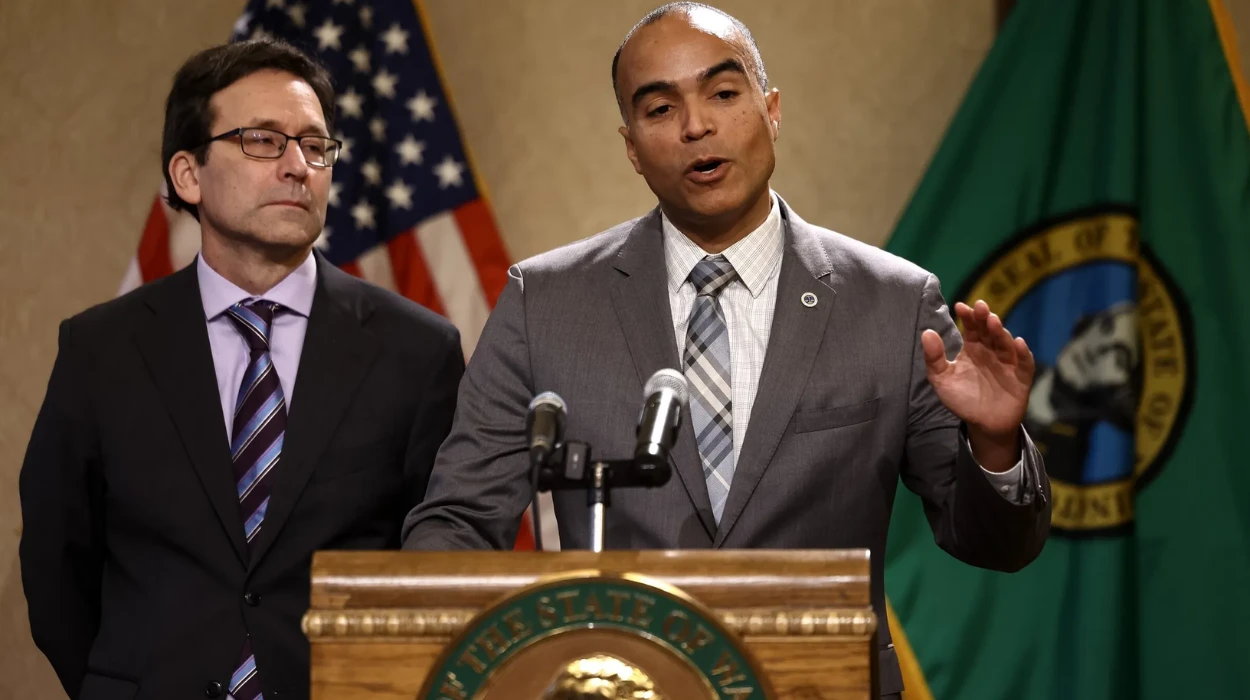
Sen. June Robinson, D-Everett, who serves as her chamber’s lead budget writer, stated to the Washington State Standard that
“We’ll continue to try to put some curbs up to limit these costs. Until we do, and that actually takes effect, we’re going to continue to have these.”
Which State Agencies Are Driving the Highest Settlement Costs?
The latest total of $537 million accounts for payments from July 1 of last year to June 30. The state Department of Children, Youth and Families (DCYF) makes up most of the costs, accounting for about $388 million, according to figures from the Department of Enterprise Services.
Many of the lawsuits result from conduct that occurred decades ago, which state officials say are especially difficult to defend. The extensive length of time between the alleged misconduct and the subsequent claim makes it highly challenging to corroborate information by talking to witnesses or examining historic documents.
Additionally, the state paid substantial sums for legal representation. As detailed by the Washington State Standard, the state spent $32.7 million on lawyers and staff in the attorney general’s office, alongside $43.6 million on outside law firms, bringing total legal defense costs to more than $76 million last fiscal year—up from nearly $58 million total the year prior.
How Are Local Governments Affected by Rising Liability Claims?
Financial strain has also spread beyond state agencies down to local municipalities. A recent report by the Washington State Association of Counties highlights that county claims are rising rapidly and liability insurance premiums have jumped by over 380 percent since 2021. These added operational costs ultimately result in either higher taxes for residents or reduced public services. The association pointed out that capping monetary damages could serve as an option to alleviate the crisis, though such a measure would likely necessitate a constitutional amendment.
Meanwhile, Governor Bob Ferguson’s office has expressed eagerness to review the advisory panel’s forthcoming suggestions. Ferguson has previously advanced proposals to address the crisis, including the establishment of an administrative panel specifically designed to handle years-old legacy cases against DCYF. Earlier in the legislative session, lawmakers also floated a plan to mandate arbitration for civil suits filed against the government, shifting decisions to a neutral third party in the hope of shortening case lifespans.
As the state self-insurance fund navigates temporary cash flow adjustments while awaiting new legislative funding, officials emphasize that structural legislative reform remains the primary path forward to stabilize public budgets.