Key Points
- Massive Destruction: Devastating wildfires in Spokane, Washington, have burned at least 7,000 acres, destroyed hundreds of homes, and forced the evacuation of tens of thousands of residents.
- Return of Evacuees: Weeks following the initial disaster, local residents are returning to their neighbourhoods, only to find landscapes resembling a war zone with little to nothing left of their properties.
- Ongoing Safety Concerns: Major questions and anxieties persist among returning families regarding environmental hazards, structural stability, and whether it is genuinely safe to inhabit the affected zones.
- National Coverage Context: As reported by Kirk Siegler of NPR, the catastrophic events underscore a brutal summer season marked by aggressive wildfires across the American West.
- Comprehensive Impact: Footage and field reports from outlets like CNN, via journalist Julia Vargas Jones, further highlight the immense emotional and physical toll on couples and families facing total property loss.
Spokane (Evening Washington News) August 21, 2026 – Weeks after a catastrophic wildfire tore through the region and destroyed hundreds of homes in Spokane, Washington, displaced residents are slowly making their way back to inspect the damage, though severe questions linger over whether the devastated neighbourhoods are safe for habitation.
What is the current situation on the ground for returning residents?
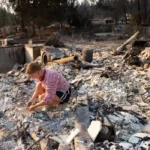
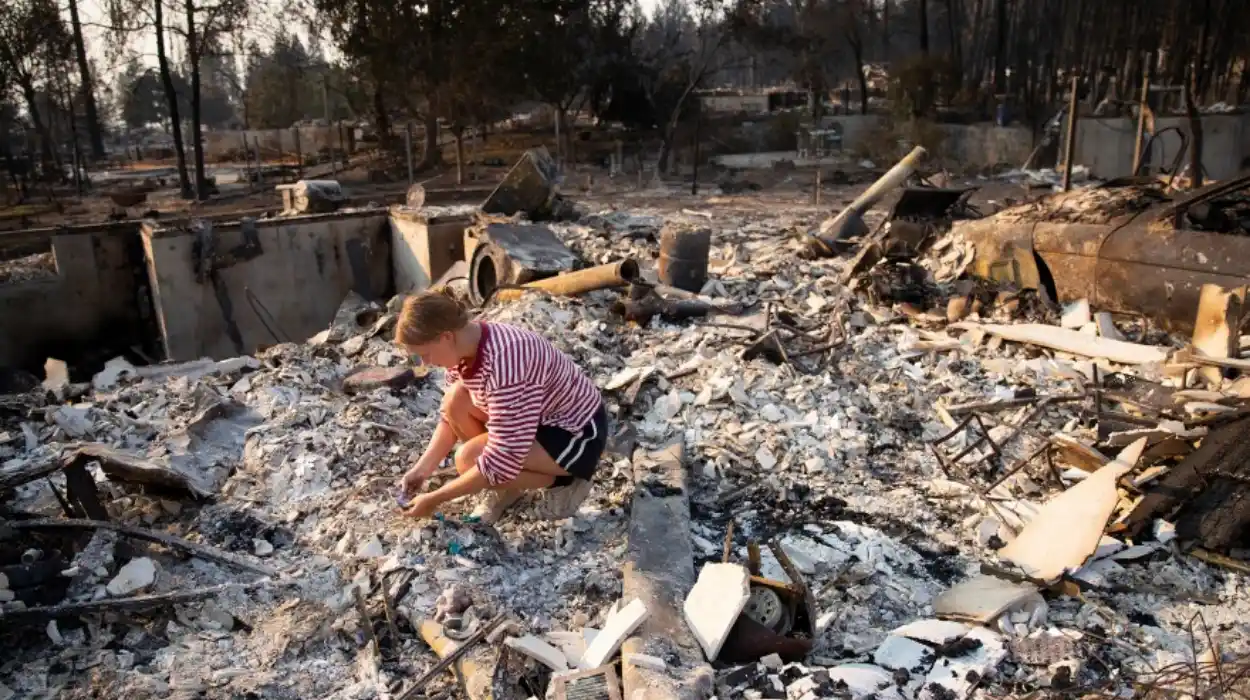
The emotional reality facing families returning to their properties is staggering. As detailed in field reports, entire neighbourhoods have been reduced to ash and twisted metal, leaving lifelong residents grappling with a landscape completely unrecognisable.
As reported by Kirk Siegler of NPR, many returning individuals described the scene vividly, stating that it “looked like a war zone” as they navigated the charred remains of their communities. The physical destruction matches one of the most intense and punishing wildfire seasons recorded across the American West in recent years.
Complementing these findings, CNN’s Julia Vargas Jones documented deeply emotional encounters with local homeowners who came face-to-face with total devastation, noting that families are confronting the heartbreaking reality that “our homes are gone”.
Explore More Spokane News
Churches Aid Wildfire Survivors in Spokane 2026
Spokane Wildfires Wind Down, Evacuees Return, 2026
Why are safety and environmental hazards major concerns?
While evacuation orders have lifted in certain pockets, allowing property owners back onto their land, public health and safety experts urge extreme caution. The intense heat of modern wildfires destroys residential structures, releasing hazardous materials into the immediate environment.
As noted by local authorities and regional coverage, returning families face hidden dangers including:
- Toxic ash containing heavy metals, lead, and asbestos from burned building materials.
- Compromised infrastructure, including unstable foundations, damaged utility poles, and contaminated local water supplies.
- Unstable hazard trees that have been structurally weakened by flames and pose immediate collapse risks during high winds.
How has this wildfire season impacted Washington State?
This disaster is part of a broader, alarming trend across the Pacific Northwest. According to comprehensive data shared by Kirk Siegler of NPR, the blazes near Spokane have scorched a minimum of 7,000 acres, prompting massive emergency responses and forcing tens of thousands of citizens to flee their homes at a moment’s notice.
Insurance and community recovery experts note that the financial and psychological fallout will take years to untangle. Local community forums and municipal advisories emphasize that rebuilding costs, inflated material prices, and inadequate policy maximums compound the trauma for those who lost everything. As recovery efforts press forward, local authorities continue to evaluate air quality, clear debris, and restore basic municipal services to help the surviving neighbourhoods find a semblance of stability.