
Key Points
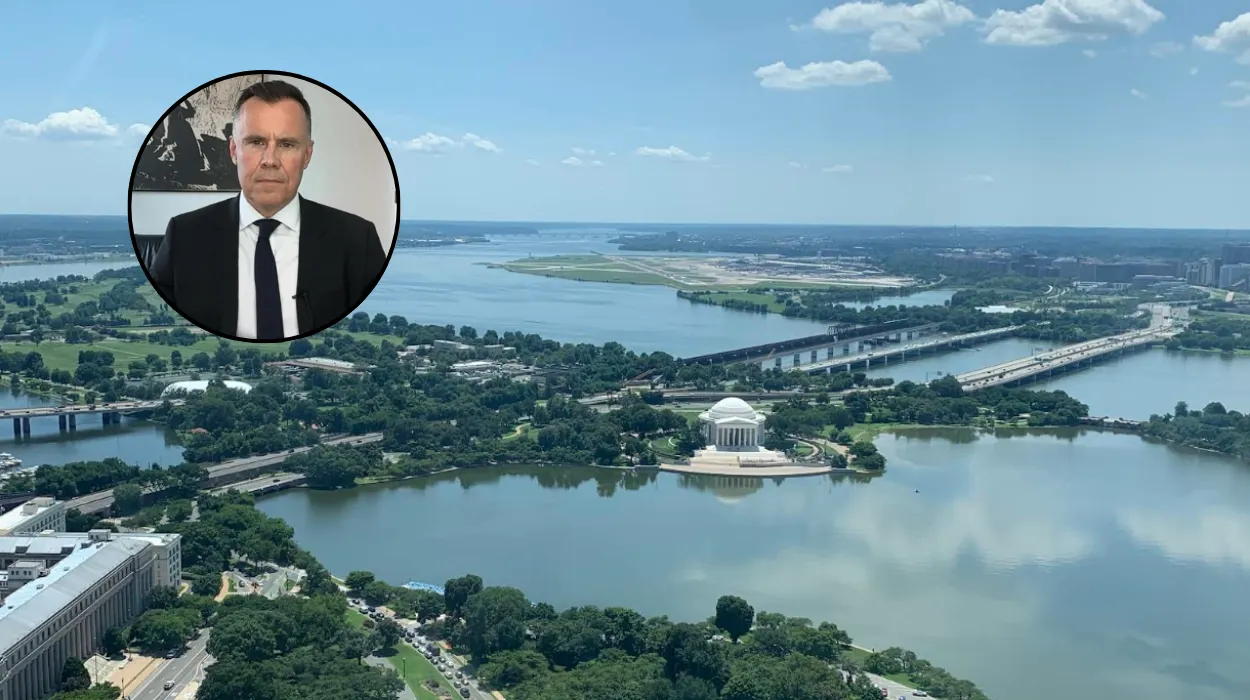
- Human Rights Watch executive director Philippe Bolopion said the Trump administration has launched an “all-out assault on human rights” at home and abroad, according to an interview with FRANCE 24.
- Bolopion called the Fort Bliss ICE detention centre in Texas a “human rights catastrophe” and said Human Rights Watch wants it closed and investigated.
- He alleged migrants there are beaten by masked agents for no reason and held in degrading conditions, and said one detainee died under “very suspicious circumstances”.
- Bolopion said US sanctions on the International Criminal Court, along with funding cuts to the UN and withdrawal from the Human Rights Council, show Washington is ready to “upend the rules-based world order”.
- He warned that “would-be dictators or actual dictators around the world are taking note”.
Washington (Evening Washington News) July 16, 2026, is ready to “upend the rules-based world order”, Human Rights Watch executive director Philippe Bolopion said in an interview with FRANCE 24, as he accused the Trump administration of extending its human rights campaign from domestic policy to the global stage. In the interview, Bolopion said the administration had “launched an all-out assault on human rights” in the United States and beyond. He linked his criticism to immigration enforcement, international institutions, and what he described as a wider weakening of rights protections.
Speaking from New York, Bolopion said the situation in the United States was not confined to internal politics.
He argued that actions taken by Washington were being watched closely abroad. His remarks were framed as a warning that US policy could encourage other governments to act more aggressively against rights and accountability.
What did he say about Fort Bliss?
Bolopion singled out the Fort Bliss ICE detention centre in Texas, describing it as the largest such facility and calling it a “human rights catastrophe”.
He said migrants there are “beaten up by masked agents for no reason” and held in “completely degrading circumstances”. He also said one detainee died under “very suspicious circumstances”.
According to Bolopion, Human Rights Watch wants the site closed and investigated. His comments placed detention conditions at the centre of his criticism of the administration’s domestic rights record. The interview did not include a response from US authorities in the material provided.
Why did he mention international institutions?
Bolopion also turned to US policy beyond its borders, saying sanctions on the International Criminal Court were a significant signal. He said Marco Rubio had made dismantling the court “a goal of US foreign policy”.
He added that defunding the United Nations and leaving the Human Rights Council formed part of the same pattern.
In Bolopion’s view, these decisions point to a broader effort to weaken the international system that protects rights and accountability.
He said the cumulative effect suggests Washington is prepared to “upend the rules-based world order”. He argued that authoritarian leaders would notice and draw lessons from that shift.
What is the wider significance?
The interview presents the dispute as both a domestic and international rights issue. On the domestic side, Bolopion focused on immigration detention and treatment of migrants. On the international side, he tied US action to pressure on multilateral institutions and global accountability mechanisms.
His remarks suggest a concern that US policy could reshape expectations about human rights enforcement.
That warning is central to the story because it links a specific detention centre and a set of foreign policy decisions to the future of the global rights system. The quoted claims remain those of Bolopion in the interview material provided.
Background of the development
Human Rights Watch is a long-running rights organisation that regularly comments on state conduct, detention conditions, and international accountability.
In this case, Bolopion’s comments came in the context of criticism of the Trump administration’s approach to immigration, the UN, and the International Criminal Court.
The interview also reflects a broader debate about how far the US should engage with, or withdraw from, international rights bodies.
The development therefore sits at the intersection of domestic immigration enforcement and global governance.
Fort Bliss is being used as a symbol of the domestic side of the argument, while sanctions, funding cuts, and withdrawal from international bodies form the international side. Together, these points show why the remarks drew attention in the rights and foreign policy debate.
Explore More Local News
Worst First-Time Homebuyer Markets in Seattle, Tacoma 2026
Police Investigate Body Found on Washington Street, Vicksburg 2026
Prediction for readers
For migrants and detainees, the immediate effect of this development may be renewed scrutiny of detention conditions and pressure for investigations. For rights groups, the interview may strengthen campaigns calling for accountability in immigration enforcement and for stronger protection of international institutions.
For governments and policy observers, the warning is that US decisions could influence how other states judge the risks and limits of challenging human rights standards.
For a general audience, the likely impact is a sharper public debate over whether domestic enforcement and foreign policy are reinforcing or weakening the global rights framework.
The discussion may also keep attention on whether official responses follow Bolopion’s allegations.