
Key Points
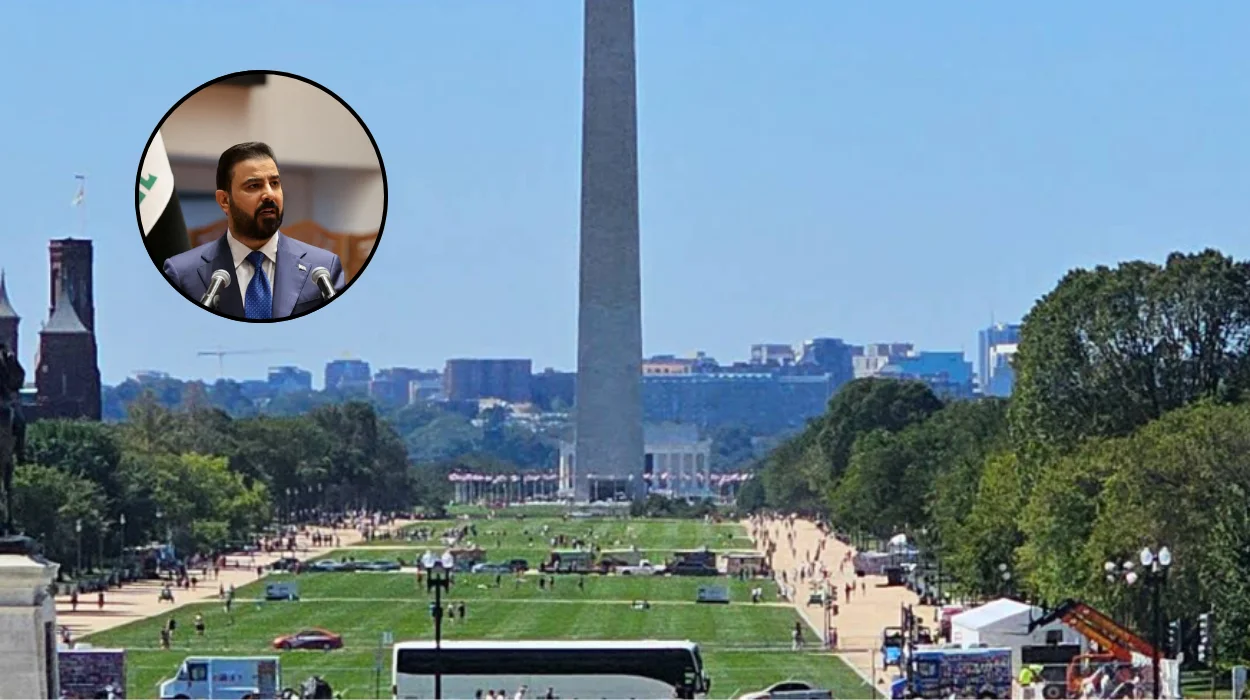
- Iraqi Prime Minister Ali al-Zaidi arrived in Washington for a long-anticipated visit aimed at strengthening ties with the United States.
- The visit comes at a sensitive moment, with tensions rising over Iranian-backed militias operating in Iraq.
- Washington is pressing Baghdad to curb militia activity and accelerate reforms.
- The trip is also linked to talks on energy cooperation, with oil and gas deals expected or discussed in several reports.
- Iraq is trying to balance closer relations with the US while managing the gradual withdrawal of American forces involved in the campaign against ISIS.
- The US still maintains a significant presence in Iraq, including in the Kurdistan Region.
Washington (Evening Washington News) July 14, 2026 – Iraqi Prime Minister Ali al-Zaidi has arrived in Washington for a visit aimed at deepening ties with the United States at a time when Iraq faces mounting pressure over Iran-backed militias, security reforms and energy cooperation, according to multiple reports.
As reported by the Jerusalem Post, Al-Zaidi landed in Washington on July 13 for what has been described as a long-anticipated visit, with the Iraqi leader seeking to increase ties with the US.
The National said Trump is set to host Iraq’s new prime minister as Baghdad seeks closer US ties, while Washington continues to push Iraq to curb militias and speed up reforms.
Al Jazeera reported that the visit is expected to deepen strategic ties and may lead to oil and gas deals as part of broader economic, trade and investment cooperation.
What is driving the Washington visit?
Iraq’s relationship with the US is being shaped by security, economic and geopolitical pressures at the same time.
The Jerusalem Post report said Iraq remains something of a frontline between the US and Iran, especially after strikes on Iran on February 28, which were followed by Iranian operationalisation of militias in Iraq.
That context matters because Baghdad is trying to avoid becoming trapped between regional power blocs while still securing US support.
The New Region described the trip as an effort to reset Iraq-US relations, although it warned that expectations remain constrained by the scale of Iraq’s internal challenges.
The New Arab said Al-Zaidi’s first Washington visit comes with security, the economy, US ties, Iran and armed factions all high on the agenda.
The same theme appears across other reports, which present the visit as a practical attempt to stabilise a difficult partnership rather than as a symbolic diplomatic gesture.
How are militias shaping the talks?
Militia activity is one of the most sensitive issues in the talks. The National said Washington is pressing Iraq to rein in armed groups and accelerate reforms, while the National Interest argued that Iraq still has a long way to go to meet the Trump administration’s expectations on curbing Iranian influence.
These reports point to a broad US concern that Iraqi state authority remains limited in some areas where militia networks continue to operate.
The Jerusalem Post report said Iraqi territory has become a frontline in the wider US-Iran confrontation and that the militias have been “operationalised” in response to pressure on Iran.
In practical terms, that means the visit is taking place under the shadow of a regional struggle that can affect Iraq’s internal stability and its foreign policy choices.
What role do energy deals play?
Energy cooperation is emerging as another major theme of the visit. Arab News reported that Al-Zaidi is using Iraq’s energy sector to strengthen ties with Washington and to reverse perceptions among some US officials and observers.
The Korea Times also reported that oil and gas deals are expected, adding that the visit is designed to deepen strategic ties with the US.
Al Jazeera likewise said oil and gas agreements are expected as part of a broader push for economic, trade and investment cooperation.
That makes the visit about more than security alone, because Iraq is also trying to attract investment and create a more durable economic basis for the bilateral relationship.
What does the US want from Iraq?
The main US demand appears to be that Iraq takes firmer action against militias and advances reforms that strengthen the state.
The National reported that Washington is pressing Baghdad to curb militia influence, while the Jerusalem Post framed the visit as part of an effort by Al-Zaidi to win greater support from Donald Trump and ease tensions.
In this setting, the talks are likely to mix diplomatic reassurance with practical bargaining over security and economic cooperation.
The US also continues to have a military role in Iraq linked to the fight against ISIS, which gives the relationship an operational security dimension.
The Jerusalem Post report said the US withdrew from Iraq in 2011 but returned in 2014 to help Iraq fight ISIS, and it still has an important presence in the Kurdistan Region.
That means any discussion on troop presence or withdrawal will carry direct consequences for Iraq’s security planning.
Why does timing matter now?
The timing is important because Iraq is navigating several pressures at once. It is trying to reassure Washington, maintain internal stability, manage militia influence and keep the economy moving through investment and energy agreements.
The New Arab said this is Al-Zaidi’s first Washington visit as prime minister, which adds further weight to the meetings because first trips often set the tone for a government’s foreign policy.
The reports also suggest that Iraq is seeking to show it can be a partner rather than a battleground in the US-Iran rivalry.
The Arab Weekly said Baghdad is seeking a US partnership while also trying to narrow the divide with Iran, which captures the balancing act facing the Iraqi leadership. That balancing act is central to understanding why the visit has attracted so much attention.
Background of the development
Iraq has long sat at the intersection of US and Iranian interests, and that position has repeatedly shaped its domestic politics and foreign relations.
The US returned militarily to Iraq in 2014 to help fight ISIS after withdrawing in 2011, and its continued presence has remained tied to Iraq’s security needs and the status of the Kurdistan Region.
Over time, Iranian-backed militias have become one of the most difficult issues in Iraq’s political and security landscape.
Reports on the current visit show that this background is still active, not historical. Iraq is now trying to expand economic cooperation, secure energy investment and preserve room for diplomatic manoeuvre while Washington demands tougher action on militias and reform.
The result is a visit that reflects years of unfinished business between Baghdad and Washington rather than a single isolated trip.
What is the likely impact on the audience?
For Iraqi policymakers, the visit may influence how much support Baghdad can secure from Washington on security, investment and diplomatic backing.
For Iraqi citizens, the practical impact could be felt in whether the government can reduce instability, attract energy investment and avoid escalation with armed groups.
For US officials and observers, the talks will be watched as a test of whether Iraq can act as a more independent partner while still managing its relationship with Iran.
For businesses and investors, any progress on oil and gas cooperation could shape future market access and project opportunities in Iraq.
For regional audiences, the trip matters because Iraq’s position can affect the wider US-Iran balance and the security climate across the Middle East.
The most immediate outcome, however, will likely be judged by whether both sides can leave Washington with clearer commitments on militias, reforms and economic cooperation.